
Nyali
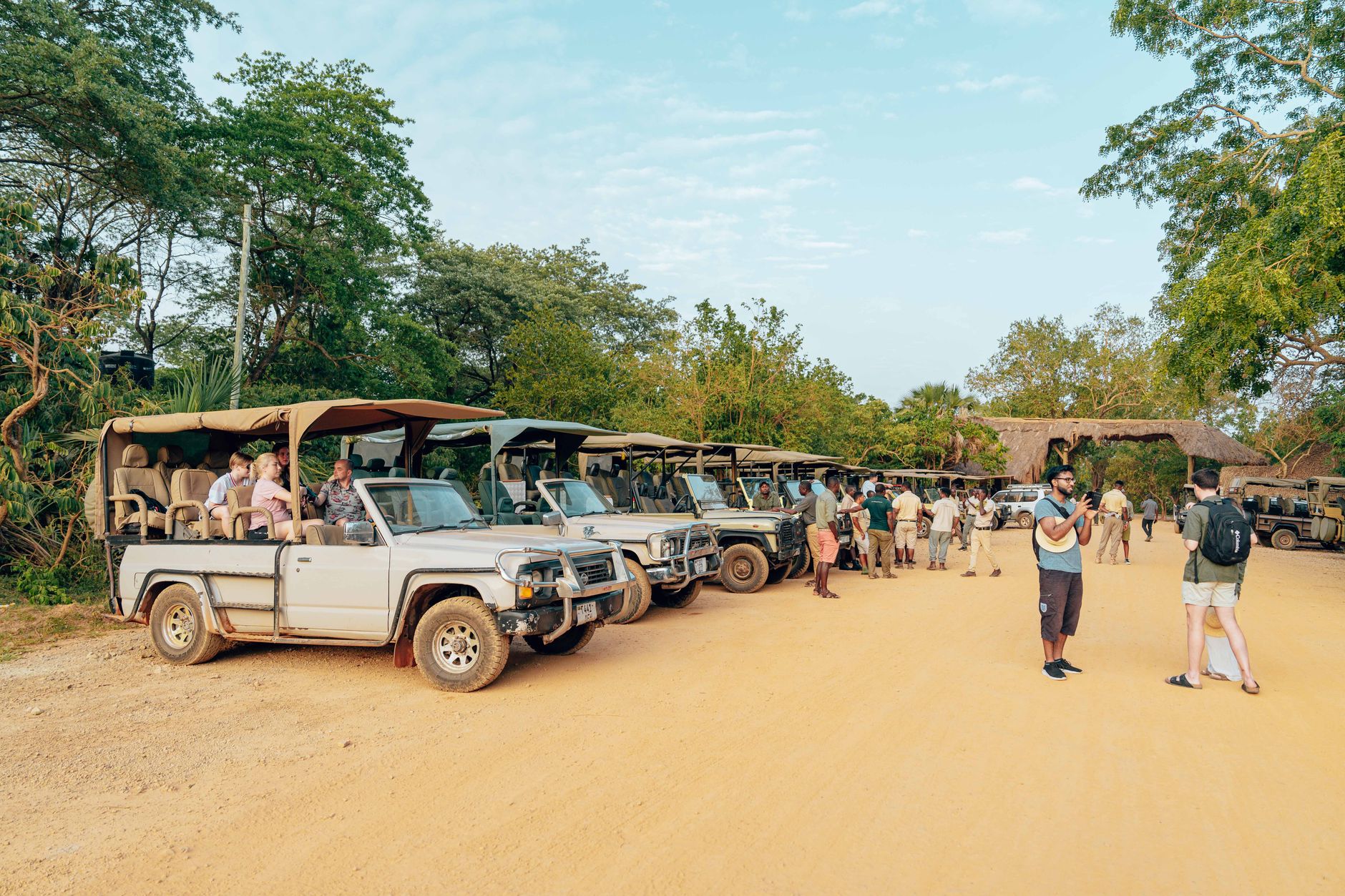


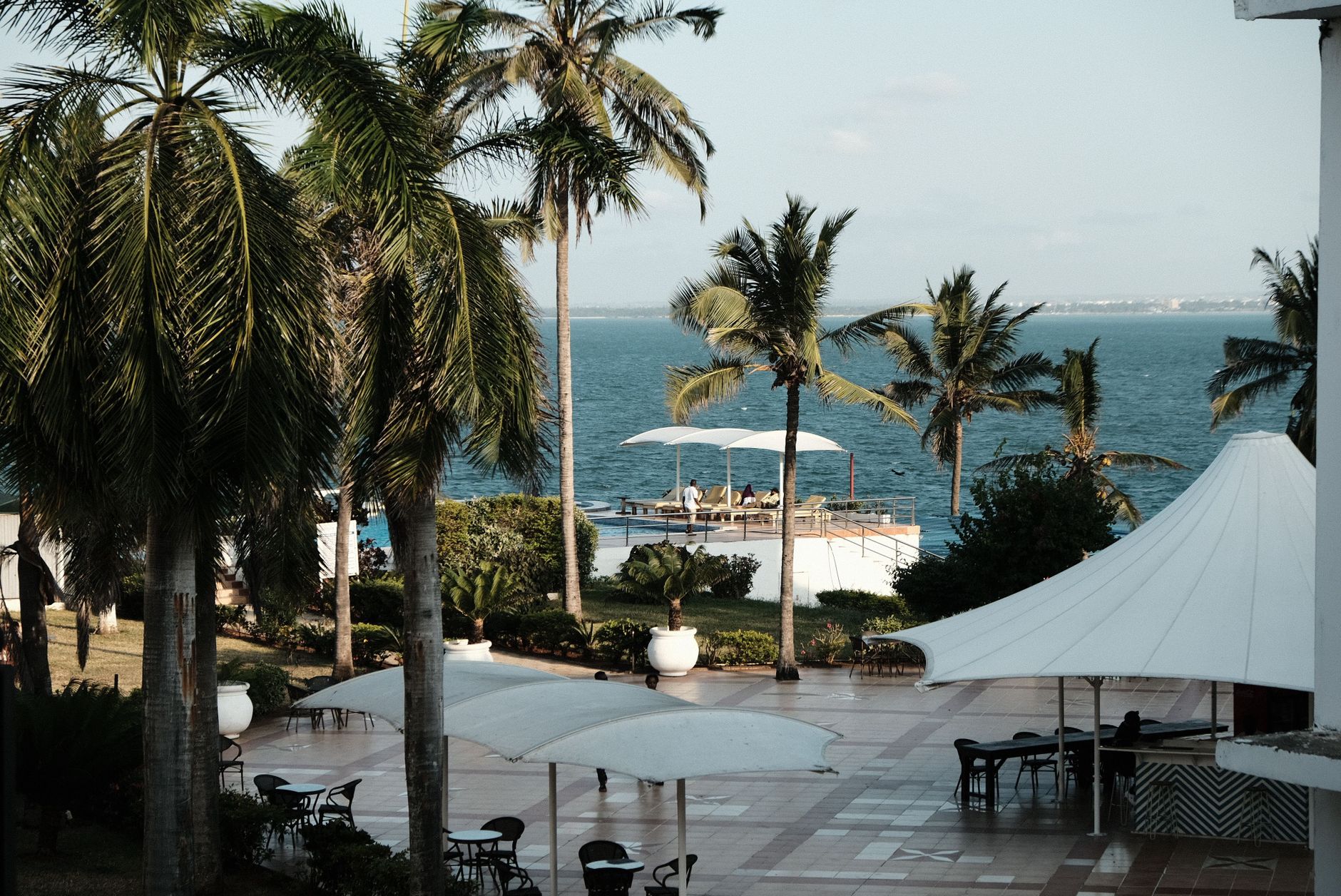
Nyali sits just across Tudor Creek from Mombasa Island, separated by a concrete girder bridge that carries six lanes of traffic and marks the boundary between the old city's density and a quieter, more residential stretch of coastline. The beach here faces a coral reef that keeps the water calm and clear — good for divers, good for anyone who wants to swim without fighting a swell.
The suburb divides loosely into two: older, leafier Nyali to the north and a newer, faster-developing section to the south. Between them you'll find a cinema that was Kenya's first Barco digital hall, the largest shopping mall in Mombasa County, and a crocodile farm that holds its own as one of the biggest on the continent.
💛 What travellers fall for
People who return tend to time their swims carefully — the beach is tidal and the best windows shift through the day, so asking your hotel what time the water's right is worth doing the night before. Nyali Golf Club comes up often among those who stay a week or more, and the Mamba Village crocodile centre is mentioned with more genuine enthusiasm than you'd expect.
Deals in Nyali
Book directly at the provider
How Nyali came to be
The creeks and mangroves around what is now Nyali drew fishing communities from at least the 8th century, and by the 10th century the area was folded into the wider Swahili trading network — Arab, Persian and Indian merchants moving goods along the same Indian Ocean routes that shaped the whole coast. For centuries it remained a place of small villages rather than a named district.
By 1963 the area was still known as Kisimani, connected to Mombasa Island only by pontoon. The floating bridge that changed daily life came in 1931, commissioned by Governor Joseph Byrne. The current concrete girder crossing — 391 metres long, six lanes wide, built on a prestressed box-girder design over Tudor Creek — was commissioned in 1976 and is what most people now picture when they think of arriving in Nyali.
Who and what shaped it
Landmark buildings
See Nyali in motion
Plan your visit
On the map
When to go
Temperatures stay between 28°C and 32°C year-round, with March the warmest month and August the mildest. The long rains run March through May — May alone can bring 19 wet days — while January and February are reliably dry; July through September combine clear skies with calm seas and are generally the most comfortable months for beach time.
Right now
Background & history adapted from Wikipedia (CC BY-SA) · specs from Wikidata (CC0) · weather from Open-Meteo · map data © OpenStreetMap contributors · photos from Wikimedia Commons / Unsplash with per-image credit. No third-party reviews or social posts reproduced.