
Mwembe Tayari

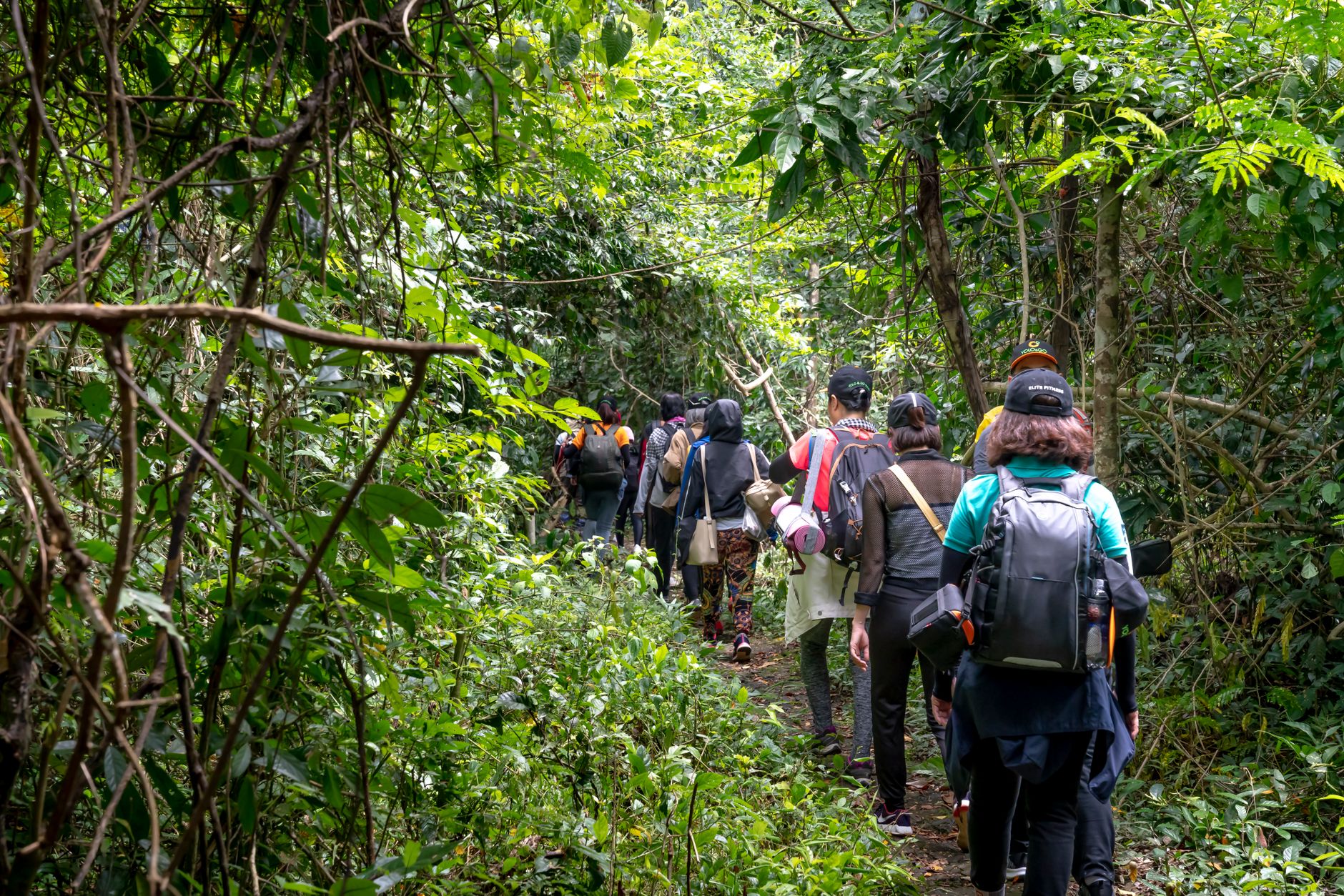
The name tells you something before you arrive: Mwembe Tayari means, roughly, the mango trees are ready — a Swahili shorthand for a place where things happen, where people converge with purpose. And that is still true. The roundabout at the heart of this neighbourhood is one of Mombasa Island's great hinge points, the spot where the city's interior traffic sorts itself before heading toward the mainland or back into the CBD.
Mwembe Tayari Road is where most of Kenya's long-distance bus companies have planted their terminals, so the area carries the particular energy of arrivals and departures — passengers eating Viazi Karai from evening vendors, mishkaki smoke drifting across the pavement, matatus calling destinations into the dusk. It is a working neighbourhood, transformed over decades from a quiet Swahili quarter into one of the island's busiest commercial corridors.
💛 What travellers fall for
People who pass through regularly tend to mention the same thing: eat before you board. The evening vendors along Mwembe Tayari Road — spicy coated potatoes, grilled meat skewers, what locals call street pizza — are genuinely good, and the 24-hour Naivas on the road handles anything else you need at any hour.
Deals in Mwembe Tayari
Book directly at the provider

How Mwembe Tayari came to be
The mango trees that gave this place its name were more than shade — they marked a trading spot, somewhere goods changed hands and travellers paused. The name stuck long after the trees themselves faded from the landscape. In 1965, Kenya's first president laid the foundation stone of Mwembe Tayari Market, anchoring the area's commercial identity in the early years of independence.
What was once a sparsely populated Swahili neighbourhood has since been entirely remade. The residential character has given way to banks, dispensaries, hotels, and — most significantly — the concentration of long-distance bus terminals that now defines the area's rhythm and purpose.
Who and what shaped it
Landmark buildings
See Mwembe Tayari in motion
Plan your visit
On the map
When to go
June through September is the most comfortable window: warm rather than hot, humidity down, skies mostly clear. December through February is drier and festive but noticeably hotter, peaking in February. If you're passing through between March and May, expect the long rains — April especially can bring flooding that slows everything down.
Right now
Background & history adapted from Wikipedia (CC BY-SA) · specs from Wikidata (CC0) · weather from Open-Meteo · map data © OpenStreetMap contributors · photos from Wikimedia Commons / Unsplash with per-image credit. No third-party reviews or social posts reproduced.