
Bamburi
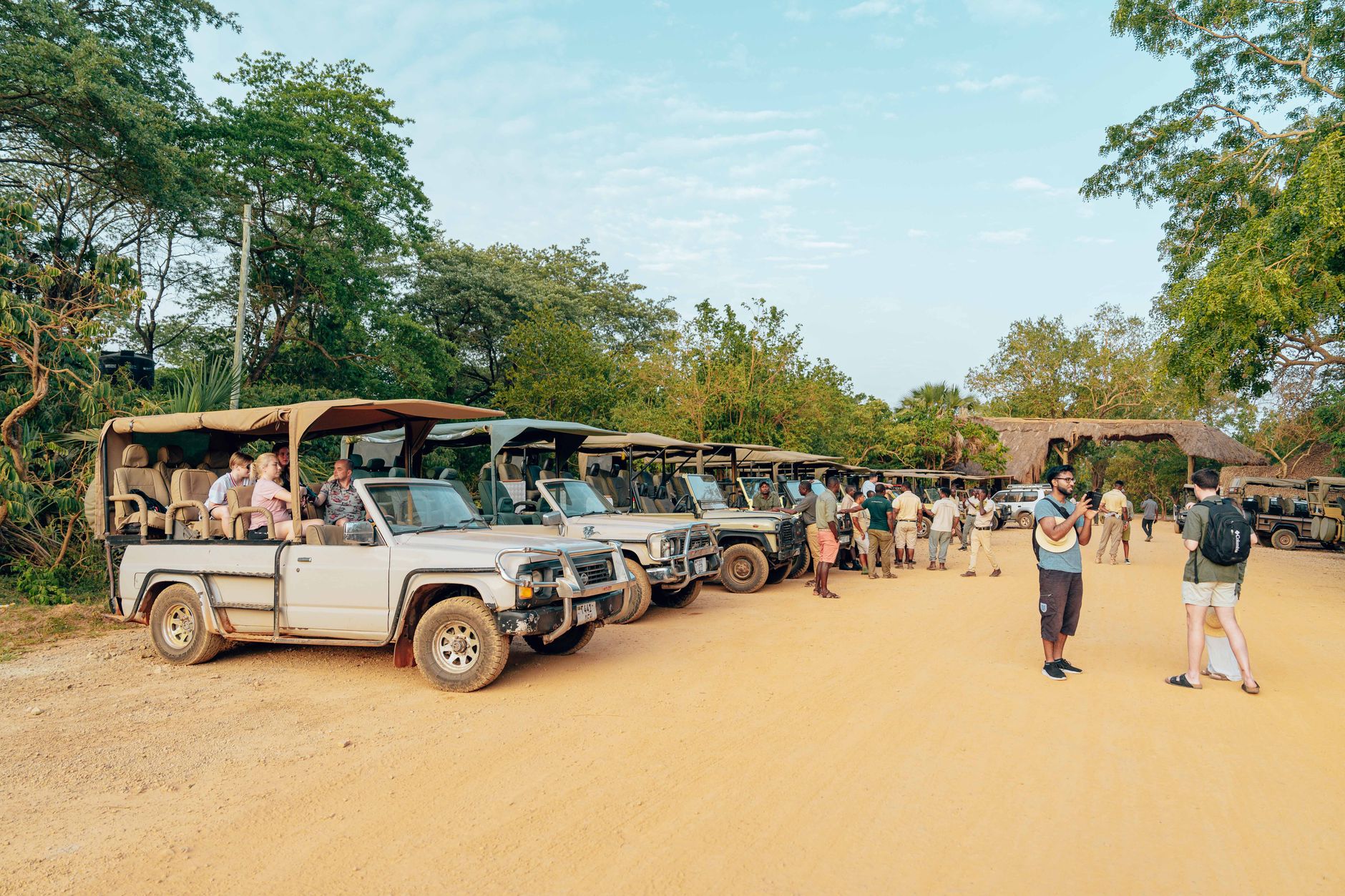
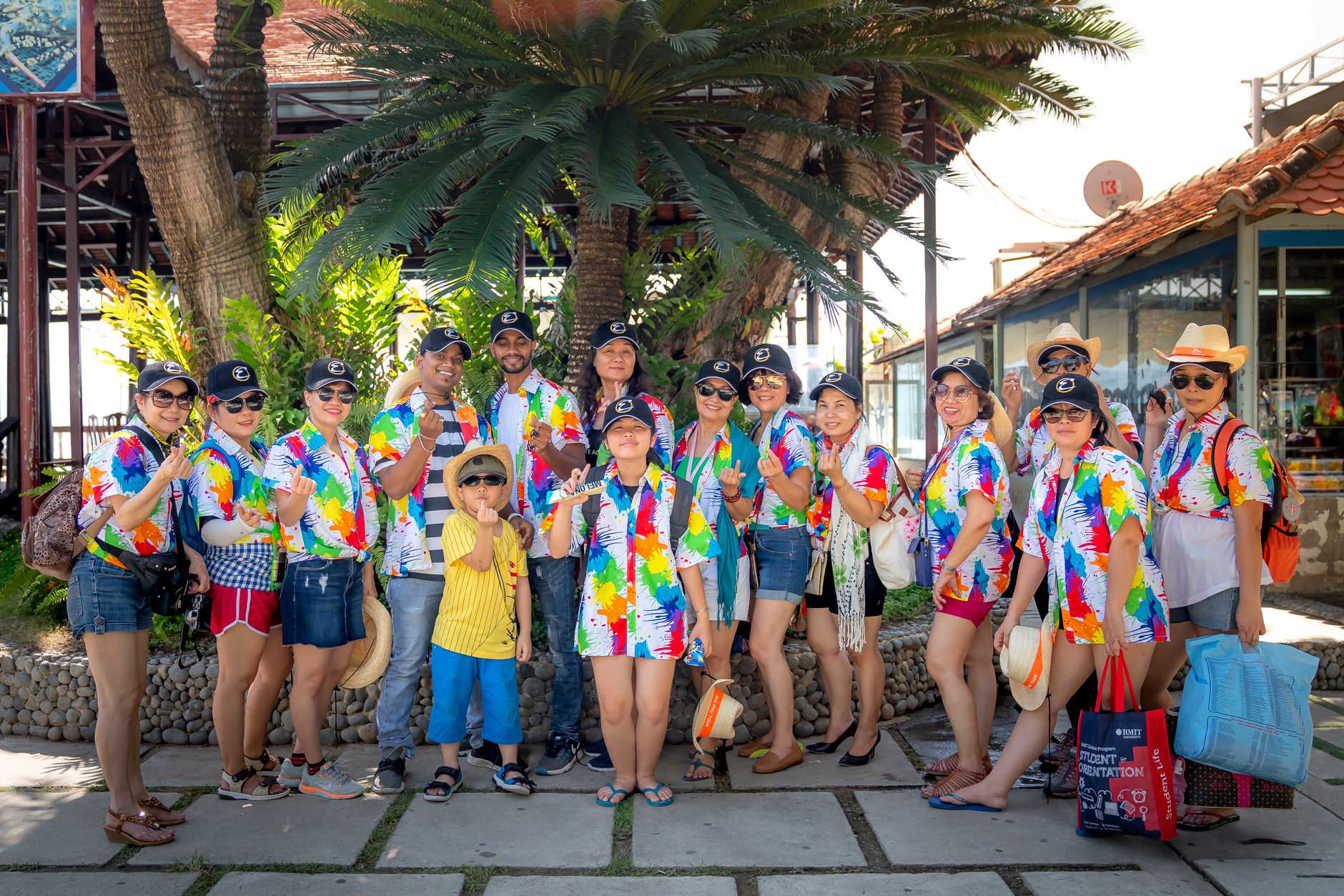
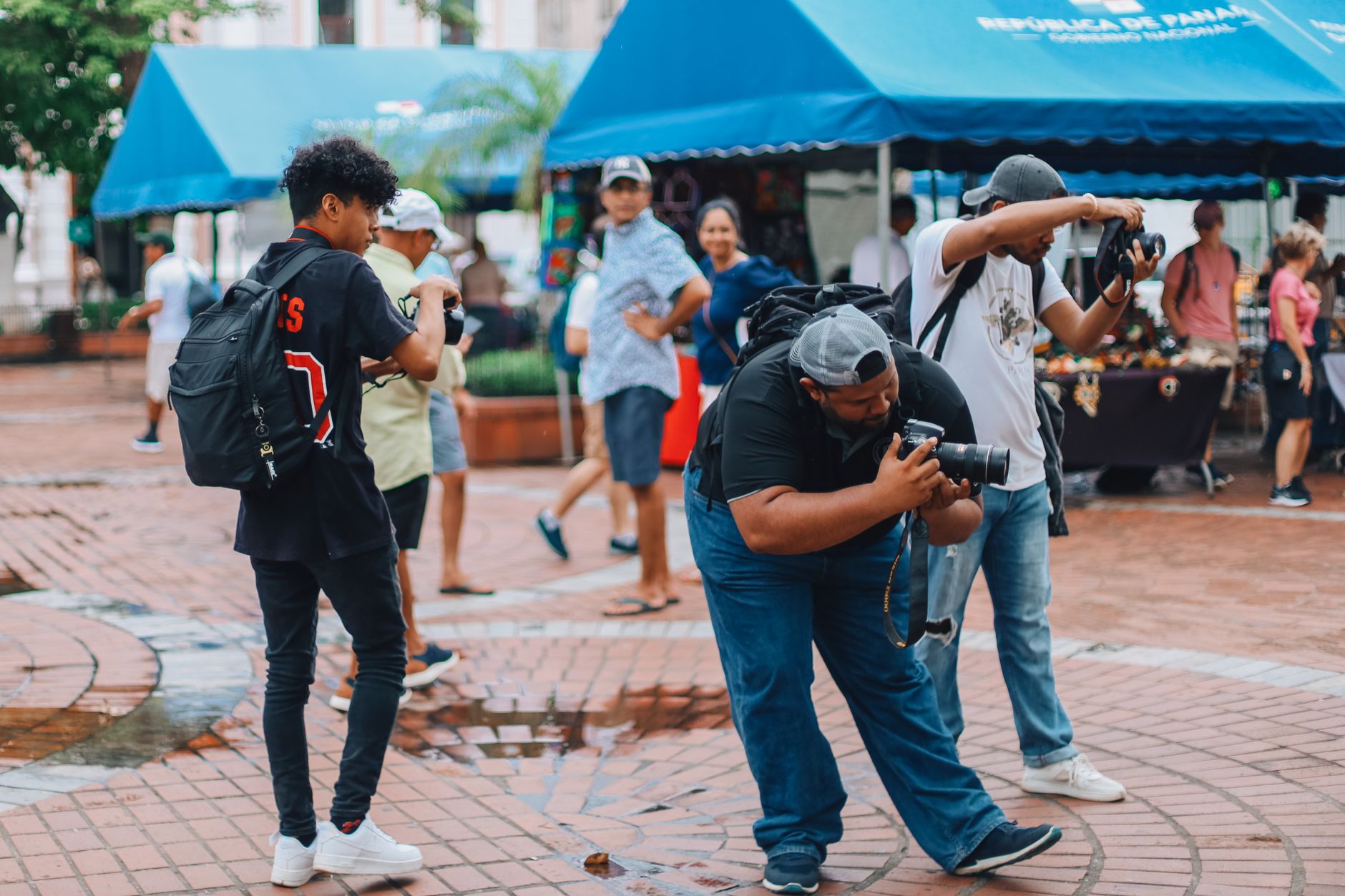
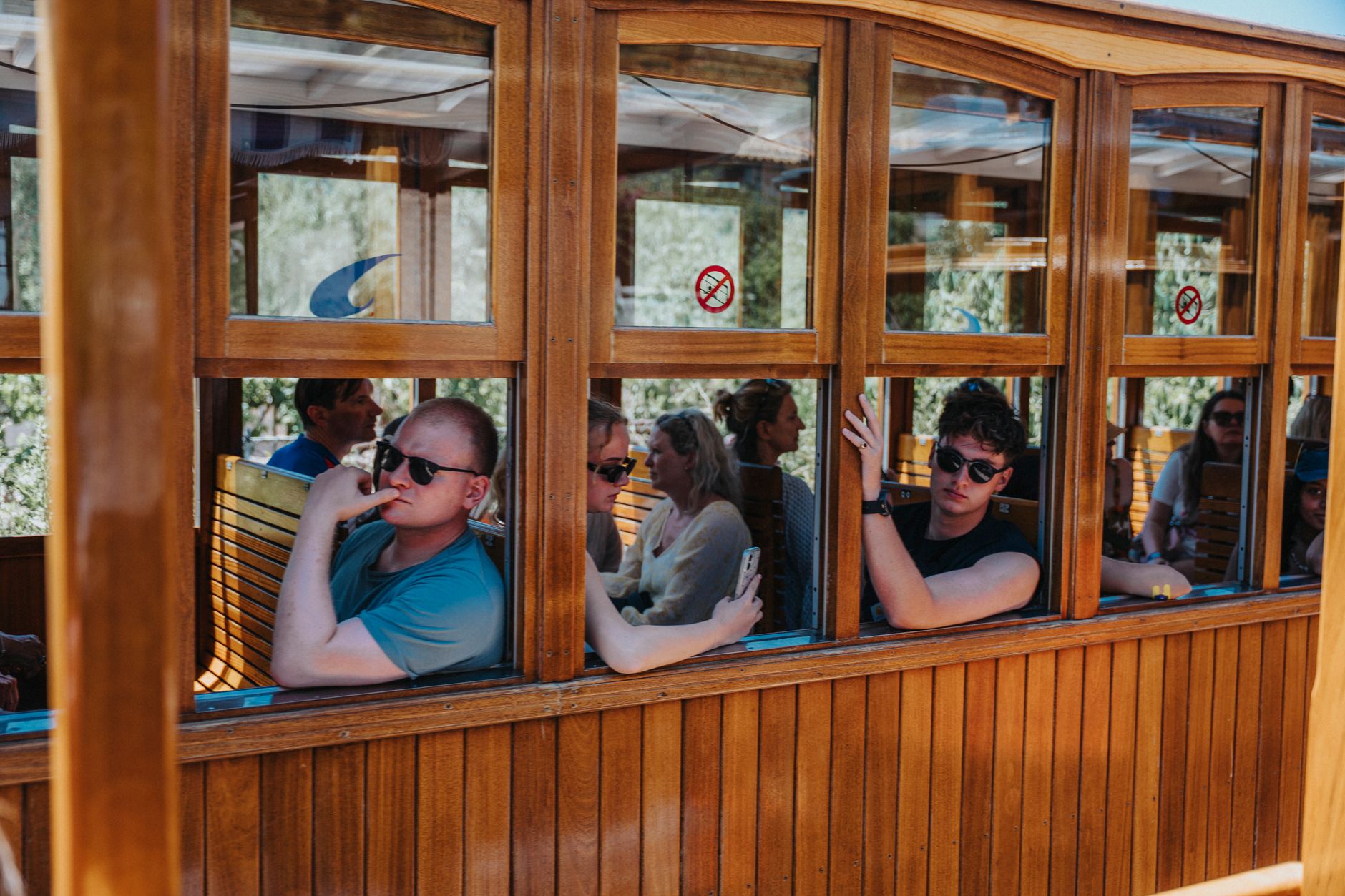

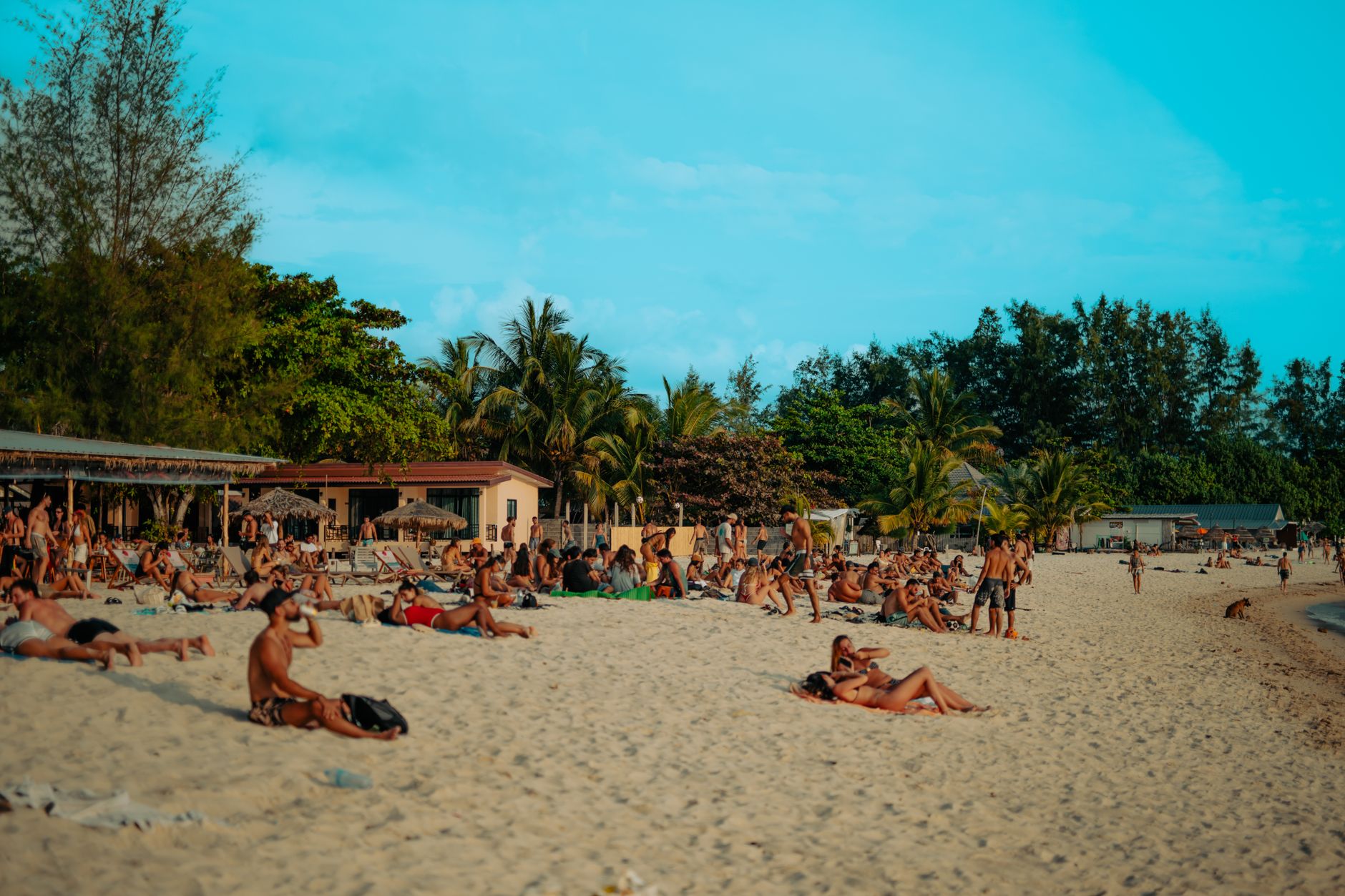
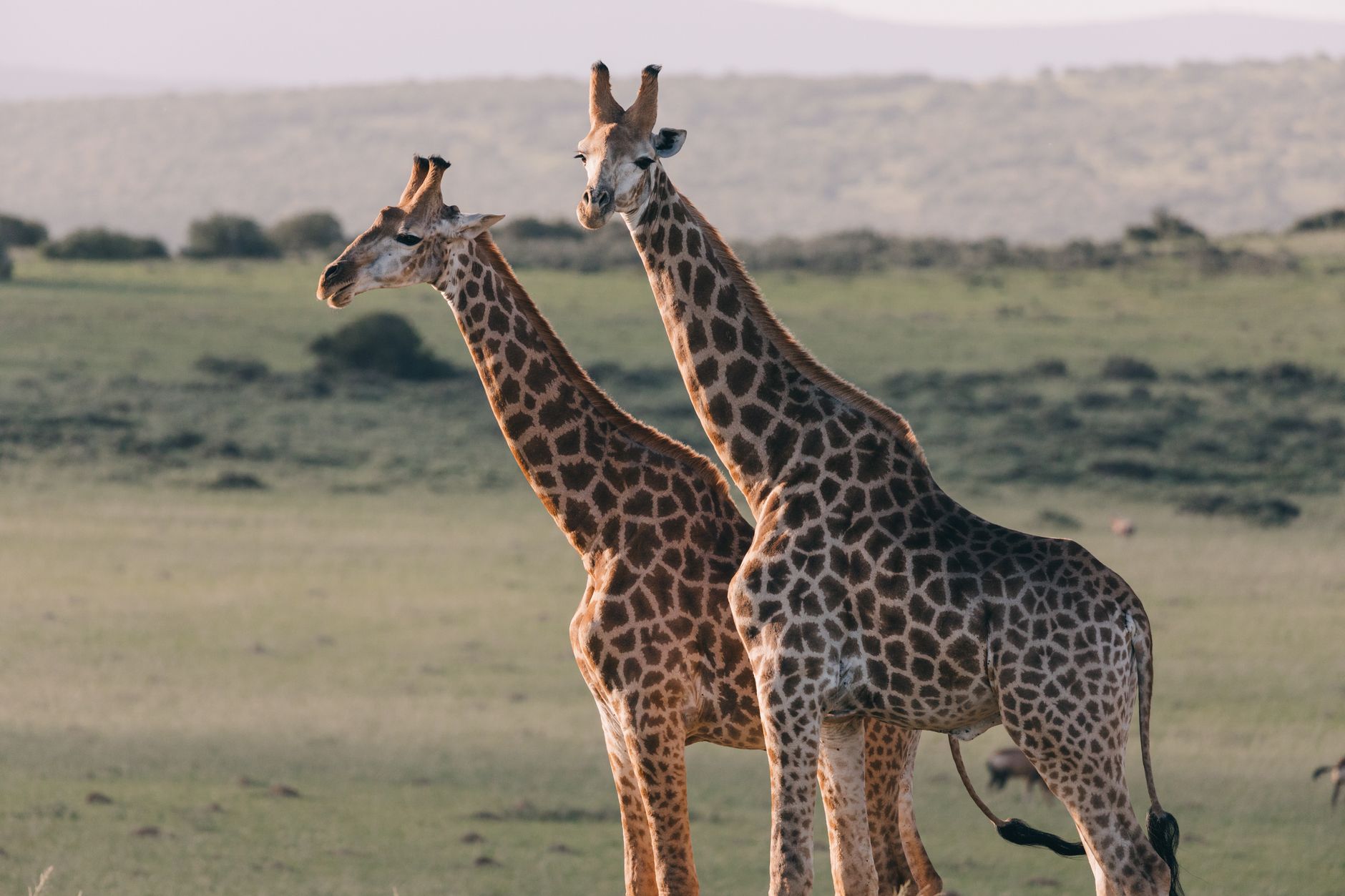
Bamburi's name comes from Bantu roots meaning 'people of the goat,' which tells you something about how quietly agricultural this stretch of Kenya's north coast once was. Today it reads differently: a long, flat run of creamy sand facing the Indian Ocean, a working cement factory visible from the shoreline, resort hotels side by side with matatu stops, and — most unexpectedly — a rehabilitated limestone quarry where giraffes and hippos now move through forest that didn't exist fifty years ago.
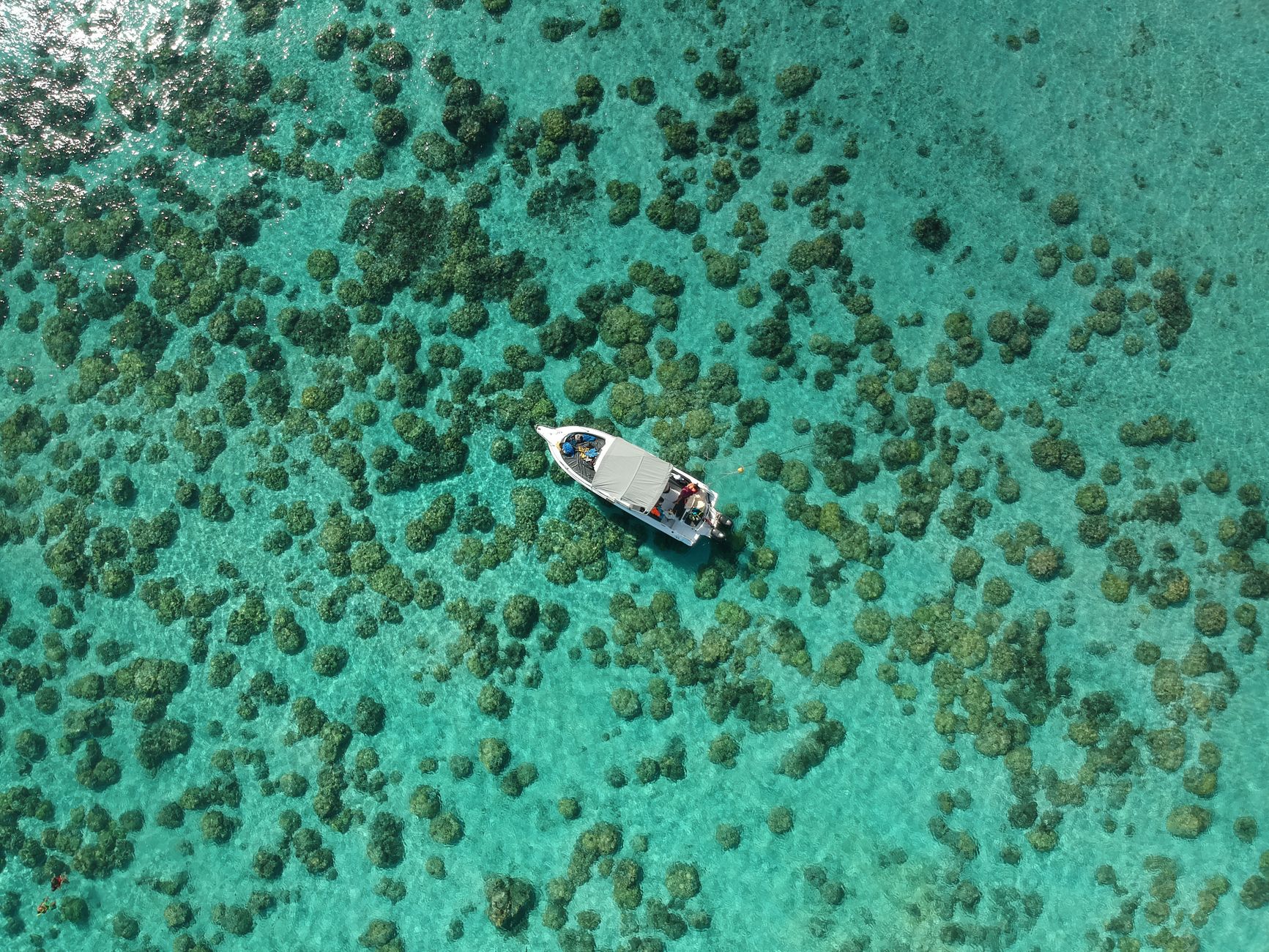
Bamburi sits about twenty minutes north of Mombasa island and functions as its own full economy, running around the clock. The beach is public and free, the water sits between 25°C and 28°C year-round, and the stretch of coast it occupies falls within the Mombasa Marine Park Reserve.
💛 What travellers fall for
People who come back tend to time their mornings at Haller Park before the heat peaks — the giraffe feeding area is quieter early, and the paths through the restored quarry forest have a particular stillness that the afternoon crowds dissolve. Most regulars also know to check the beach between October and April, when the ocean naturally clears the seasonal seaweed.
Experiences you don't want to miss



Deals in Bamburi
Book directly at the provider

How Bamburi came to be
Before 1951, Bamburi was Mijikenda farming and fishing land. That year, Austrian entrepreneur Felix Mandl chose the area's limestone deposits as the site for a cement plant — Bamburi Cement, a partnership between Cementia Holding and Blue Circle, began production in 1954. The quarrying that followed left behind scarred, exhausted land that looked, by most accounts, unrecoverable.
What happened next reshaped the place entirely. Beginning in the 1970s, Swiss-Kenyan ecologist Dr. René Haller undertook the restoration of those spent quarry sections, rebuilding soil and reintroducing vegetation and animals in stages. His closest scientific collaborator, ecologist Dr. Sabine Baer, contributed the research foundation for the soil rehabilitation work. The result — Haller Park — became one of the more remarkable land-recovery projects on the continent, and the reason Bamburi appears on maps that have nothing to do with cement.
Who and what shaped it
People who shaped it
Landmark buildings
See Bamburi in motion
Plan your visit
On the map
When to go
Temperatures stay between 28°C and 32°C through the year, with the ocean rarely dropping below 25°C. The long rains run March through May and the short rains October through November, though sunshine tends to reassert itself quickly — January and February are the driest, most reliable months for beach days.
Right now
Background & history adapted from Wikipedia (CC BY-SA) · specs from Wikidata (CC0) · weather from Open-Meteo · map data © OpenStreetMap contributors · photos from Wikimedia Commons / Unsplash with per-image credit. No third-party reviews or social posts reproduced.