
Hiroshima Peace Memorial Museum
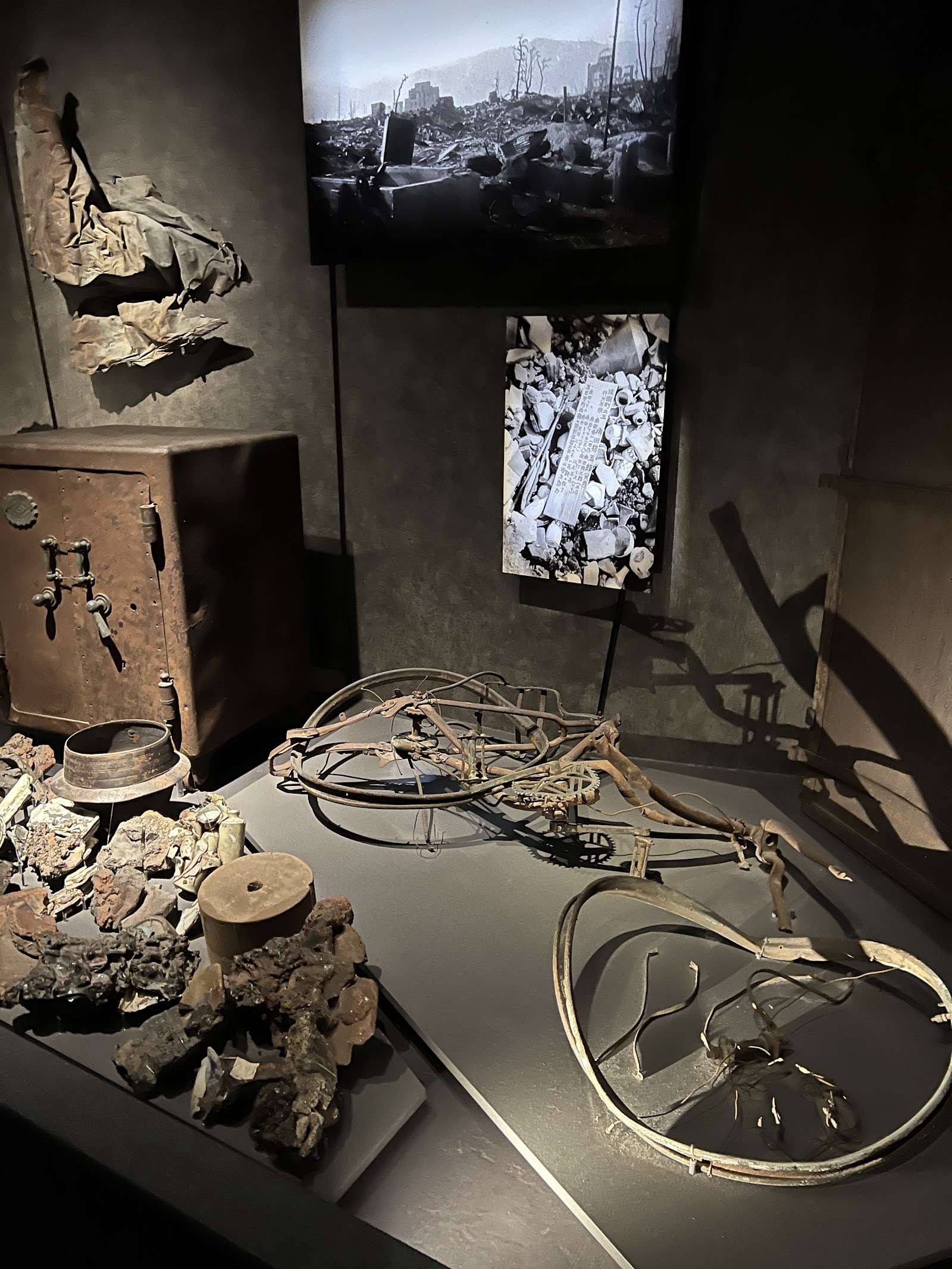
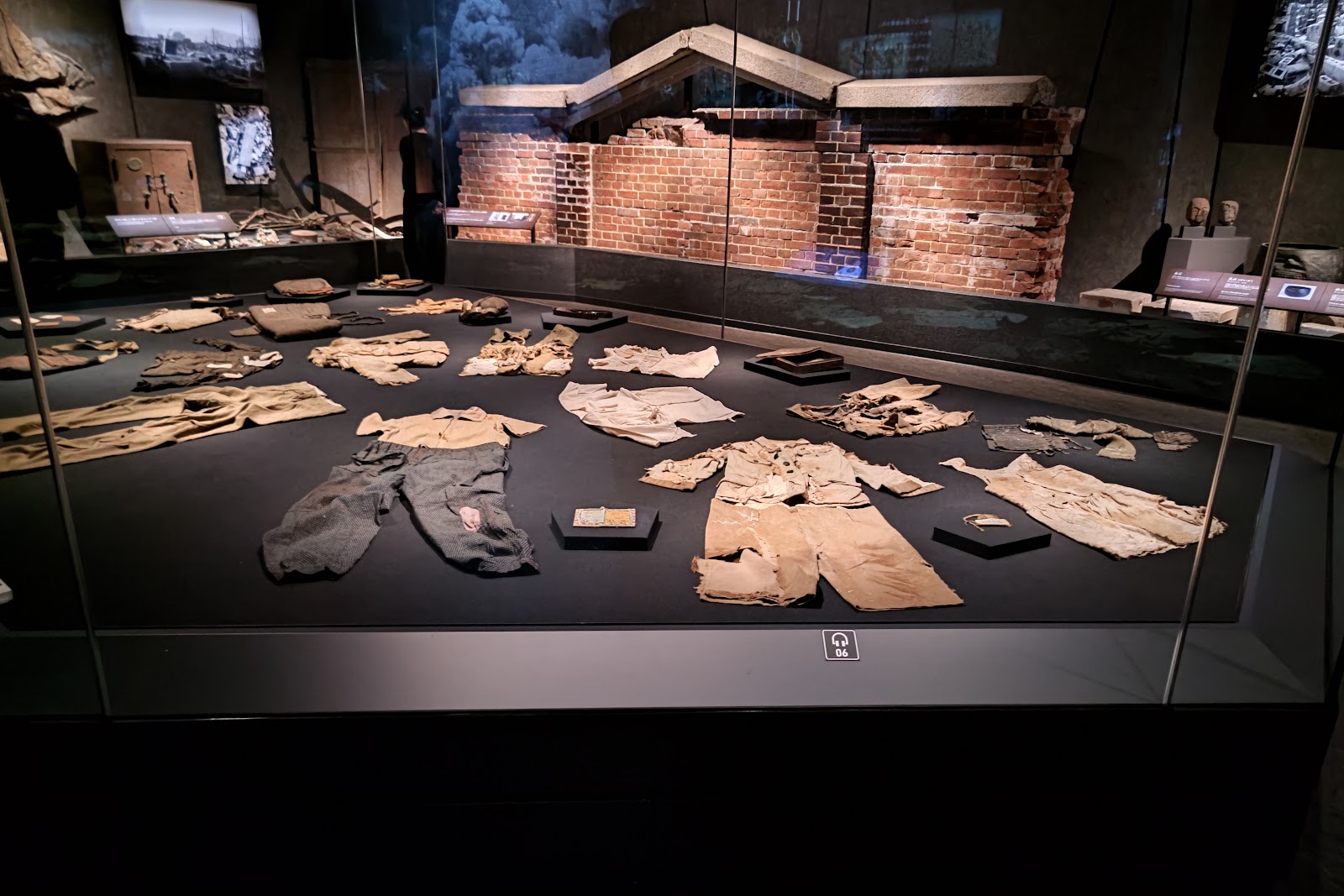
At 8:15 a.m. on August 6, 1945, every watch in the building stopped. Those watches are here now, behind glass, alongside a child's blistered tricycle and a lunchbox found near a school. The Hiroshima Peace Memorial Museum holds these objects with unusual restraint — no dramatisation, no narration that tells you what to conclude — and that restraint is what makes the place so difficult to walk away from.
The museum occupies two connected buildings on the southern edge of Peace Memorial Park. Architect Kenzō Tange designed the Main Building in a piloti style, its body raised off the ground — a gesture that reads differently once you've spent time inside.
💛 What travellers fall for
People who come back tend to arrive early, around opening at 7:30, before the school groups. The free 22-minute video screening on the East Building's ground floor — survivor testimonies, post-bombing footage, played on the half-hour from 7:45 — is worth sitting through before you go upstairs. It reorients everything you see afterward.
The story behind Hiroshima Peace Memorial Museum
The impulse to document came almost immediately. By September 1949, just four years after the bombing, Hiroshima had opened a reference exhibition in its Central Community Center. The formal Peace Memorial Museum followed in August 1955, operating under the Hiroshima Peace Memorial City Construction Law, with geologist Shogo Nagaoka as its first director.
Tange's Main Building — raised on pilots, austere, quietly monumental — was designated a national important cultural property in 2006, the first post-war building in Japan to receive that status. Major renovations in 1975, 1991, and 1994 (when the former Peace Memorial Hall became the East Building) gradually deepened the exhibits, moving from physical documentation toward personal testimony and survivor accounts.
Good to know
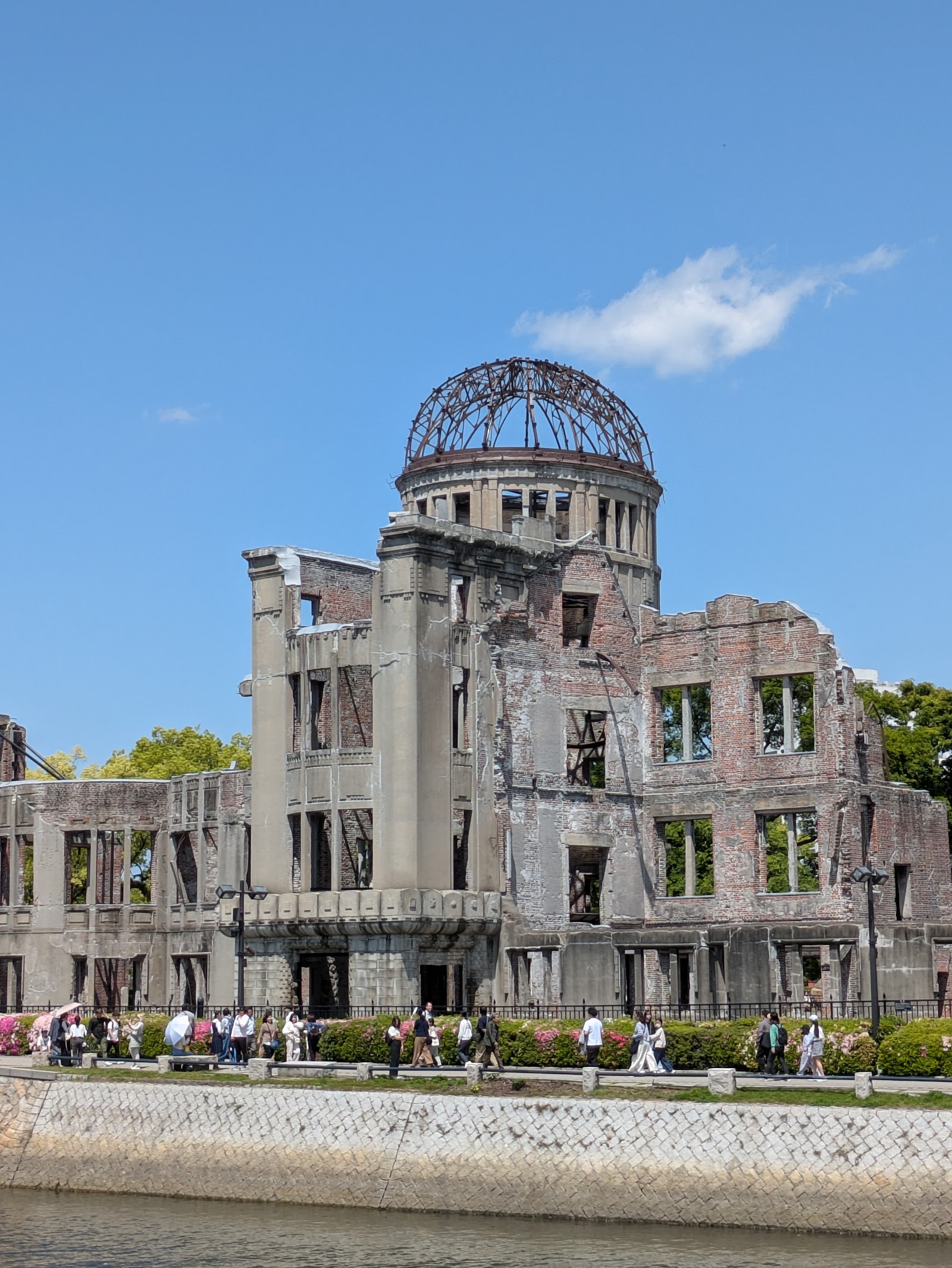
Take streetcar Line 2 or 6 from Hiroshima Station to Genbaku-Domu Mae (15 minutes, 200 yen). Leave large bags in the coin lockers on the East Building's first floor. Budget two to three hours minimum; last admission is 30 minutes before closing. Admission is 200 yen for adults.
Where is Hiroshima Peace Memorial Museum?
More tickets & tours for Hiroshima Peace Memorial Museum
Book directly at the provider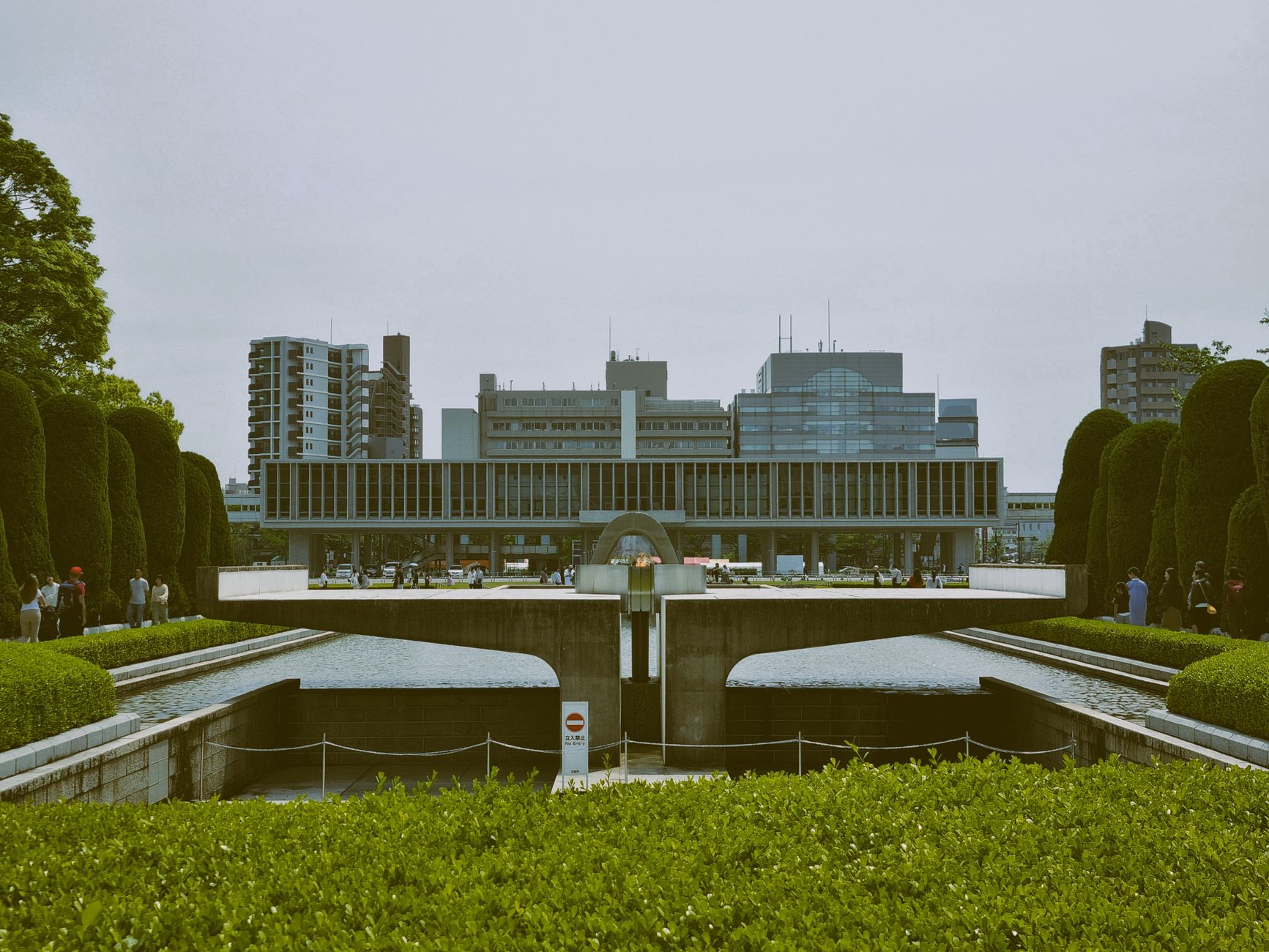
What travellers say about Hiroshima Peace Memorial Museum
A very moving and important place to visit. You can truly feel the atmosphere the moment you arrive — it’s quiet, reflective, and powerful. We were especially grateful to meet two volunteer guides, one of whom was an A-bomb survivor. Hearing personal experiences brought a human perspective you simply can’t get from displays alone. It’s not an easy visit emotionally, but it’s an essential one. If you’re traveling in Japan, the Hiroshima Peace Memorial is a must-visit to understand the history and reflect on its message.
Detailed description of tragedy that happened in 6th of August 1945. Most likely the darkest day in human mankind. Lot of stories of victims and survivals. You need atleast 2 hours to read through. Very sad, but important to see!
Essential visit. Deeply moving and sobering The Hiroshima Peace Memorial Museum tells the story of August 6, 1945 with dignity and honesty. The personal stories, artifacts, and photos bring history into sharp, human focus. It’s quiet, somber, and incredibly important — hard to see, but impossible to forget. Not easy, but necessary. A place everyone should experience once in their lifetime. The message of peace stays with you long after you leave. Grateful to the staff for preserving this history with such clarity and compassion.
A must visit in Hiroshima. The museum itself was quite hard to watch to be honest, there are multiple "real" stuff that was collect and displayed in the museum, stuff that was belong to the victim, piece of building material that was left from the bomb. The museum itself was very quiet, i was stunned when i enter the museum, it was filed with sad and cruel story from the "black rain", child hopes, etc. We didn't have enough time to read all of the story but each story represent how cruel it was. It's quite packed so you can't really have enough time to read all of the story. The inside of the museum was fully black with story and stuff that was displayed inside of a glass case. It's quite hard to see each of the story and stuff that was left behind by the victim. At the end they showed time from few days to the day Hiroshima was bomb, and there are a little gift shop that you can buy some souvenir in it.
Absolutely incredibly fascinating, in the worst way possible. The museum is so well done, and it costs peanuts to go inside. If you’re in Hiroshima, you’d be doing the Japanese people an injustice to not go here and learn about the awful history. It starts by showing how the city thrived before the bomb, and then the heartbreak. Individual testimonies, artefacts, the struggle of coping with illness & judgement, the US and worldwide ego with collecting and testing nuclear weapons and the affects it had on other people. Utterly fascinating and heartbreaking. It’s a really heavy feeling, but I’m glad I did it. It’s a story that tells the resilience of the Japanese people. Hiroshima is not some derelict city, it’s a thriving city with friendly people, that’s the story. And not only this but they’re trying to spread education and world peace, bravo! 👏🏻👏🏻👏🏻
More of Hiroshima
Discover where to stay, what to do and the best deals for your trip.
Explore Hiroshima →More attractions in Hiroshima
All of Hiroshima →

Background adapted from Wikipedia (CC BY-SA) · map data © OpenStreetMap contributors · ratings & place photos via Google · other photos with per-image credit. Ticket links may earn us a commission at no extra cost to you.