
Atomic Bomb Dome (Genbaku Dome)

At 8:15 a.m. on 6 August 1945, an atomic bomb detonated almost directly overhead. Because the blast came from above rather than from the side, the vertical columns of the Hiroshima Prefectural Industrial Promotion Hall held. The outer walls cracked but stayed standing. The copper dome, stripped of its cladding, became a skeleton of iron ribs against the sky.
That ruin is still here. You stand on the bank of the Motoyasu River and look across at a gutted brick shell — three floors, a basement, a dome — while the city carries on around it. It is one of the few structures in the world that exists specifically because it was destroyed.

💛 What travellers fall for
People who return tend to come early, before tour groups arrive, when the light is low over the river. Some bring paper cranes. Others simply stand quietly on the bank for longer than they expected to. If you find a volunteer guide near the site — particularly an older one — consider stopping to listen.
The story behind Atomic Bomb Dome (Genbaku Dome)
Jan Letzel, a Czech architect, designed the building as a commercial exhibition hall; it opened in April 1915. European in style, it ran to roughly 1,000 square metres, rose about 25 metres, and was built in brick reinforced with concrete — an unusual presence in the city at the time. By 1933 it had been renamed the Hiroshima Prefectural Industrial Promotion Hall.
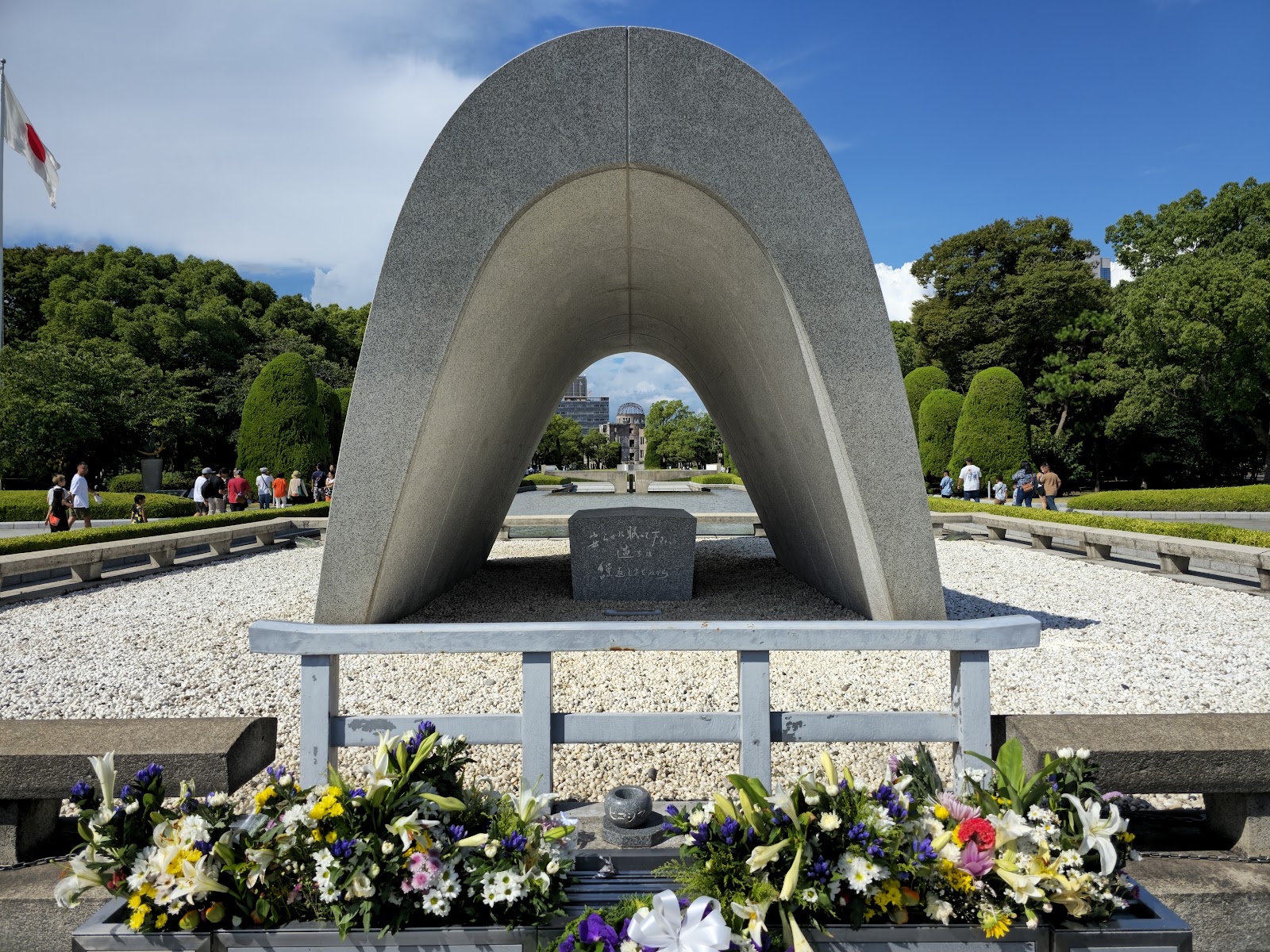
After the bombing, the ruin sat within what became the Hiroshima Peace Memorial Park, established between 1950 and 1964. The Hiroshima City Council voted for its permanent preservation in 1966, and stabilisation work was completed in 1967. Architect Tange Kenzo — who designed the nearby Peace Memorial Museum — had argued publicly for keeping the ruin intact, so that its image would remain in the world's memory. UNESCO added it to the World Heritage List in 1996.

Good to know
Take tram line 2 or 6 from Hiroshima Station to the Genbaku-Domu Mae stop — about 15 minutes, 240 yen. Entry is free and the exterior is accessible at any hour. You cannot go inside. Allow 30 to 45 minutes at the Dome itself; the Peace Memorial Museum and surrounding park are a separate, longer visit.
Hiroshima summers are hot and humid; if you visit in August — the month of the anniversary — expect heat and occasional rain. Spring and autumn are more temperate for standing outdoors at the riverbank for any length of time.
Where is Atomic Bomb Dome (Genbaku Dome)?
More tickets & tours for Atomic Bomb Dome (Genbaku Dome)
Book directly at the provider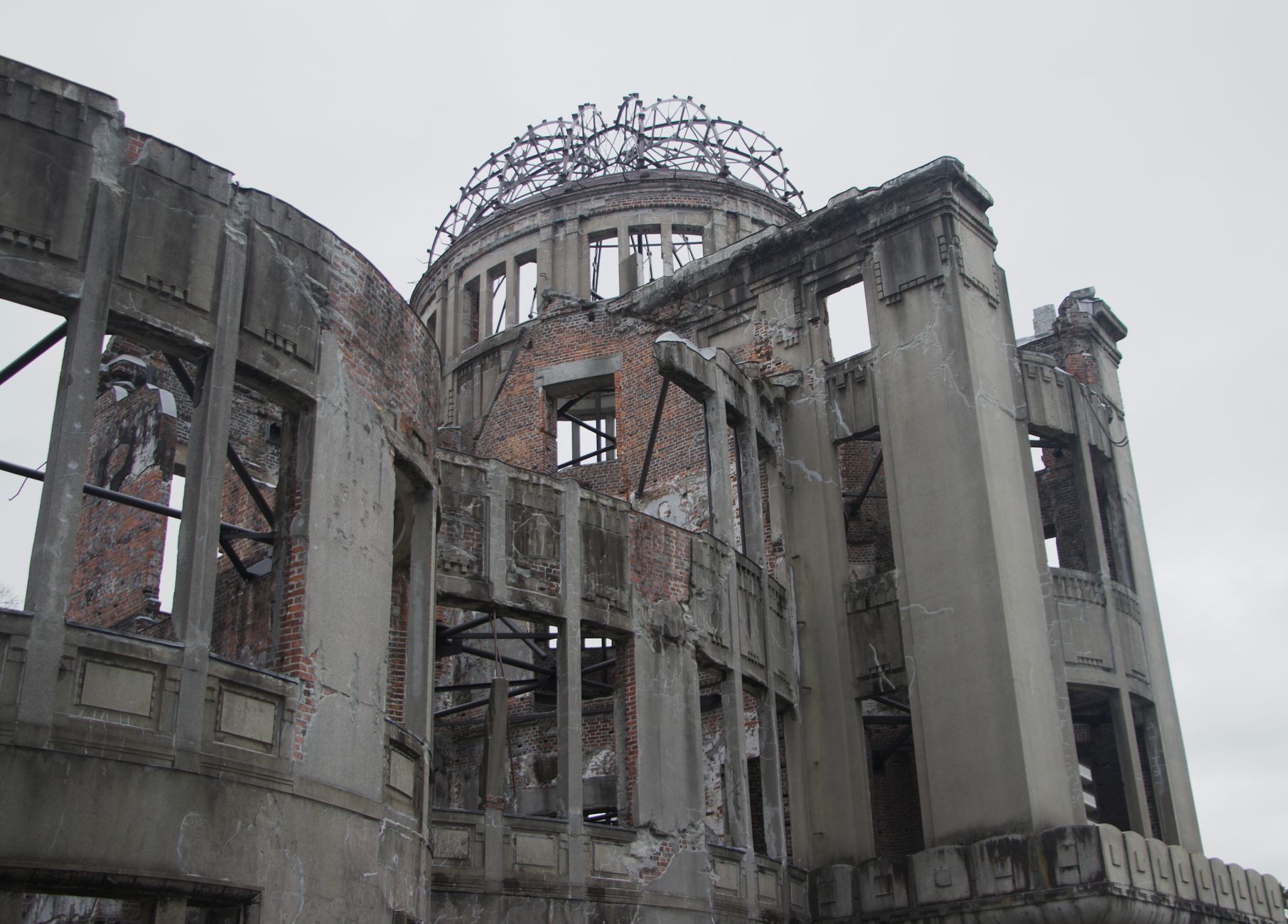
What travellers say about Atomic Bomb Dome (Genbaku Dome)
Visiting the Atomic Bomb Dome (Genbaku Dome) is an incredibly powerful and sobering experience that stays with you long after you leave. Seeing the skeletal ruins of what was once a bustling industrial exhibition hall, frozen in the exact moment the bomb detonated directly above it, is deeply moving. The contrast between the scarred, preserved structure and the beautifully serene Peace Memorial Park that surrounds it is striking. It stands as a stark, visceral reminder of the horrors of nuclear war, but also as a beautiful monument to resilience and the global pursuit of peace. The site is exceptionally well-maintained, with informative plaques in multiple languages that provide historical context without sensationalism. Walking across the Motoyasu River to view it from different angles gives you space to reflect. It is not an "easy" or lighthearted tourist stop, but it is an absolute must-visit for anyone traveling to Japan. It serves as a vital lesson in history and a powerful call for a peaceful future. Highly recommended.
A Powerful and Unforgettable Historical Landmark During our recent family trip to Japan, visiting the Atomic Bomb Dome in Hiroshima was one of the most emotional and meaningful experiences of our journey. As a visitor from Sri Lanka, standing before this historic structure gave me a profound appreciation of both the tragedy of war and the importance of peace. The preserved ruins serve as a powerful reminder of the events of August 6, 1945. Seeing the building in person is far more impactful than viewing photographs or reading about it in history books. The structure stands silently yet powerfully, telling a story that every visitor can feel. The surrounding Peace Memorial Park is beautifully maintained, peaceful, and filled with monuments dedicated to the victims of the atomic bombing. Walking through the park with my family allowed us to reflect on the immense human suffering caused by war and the importance of promoting peace for future generations. The site is easily accessible, well organized, and provides excellent information in multiple languages. The atmosphere is respectful and educational, making it suitable for visitors of all ages. I especially appreciated how the Japanese people have preserved this site not only as a memorial but also as a global symbol of hope, resilience, and peace. The nearby river, green spaces, and memorials create a calm environment that encourages reflection. We spent several hours exploring the area and learning about Hiroshima’s remarkable recovery and transformation into a thriving modern city. I highly recommend visiting the Atomic Bomb Dome and Peace Memorial Park to anyone traveling to Japan. It is not just a tourist attraction but a place of education, remembrance, and inspiration. This visit left a lasting impression on our entire family and reminded us of the value of peace, humanity, and international understanding. A truly moving and essential destination that every visitor to Japan should experience at least once.
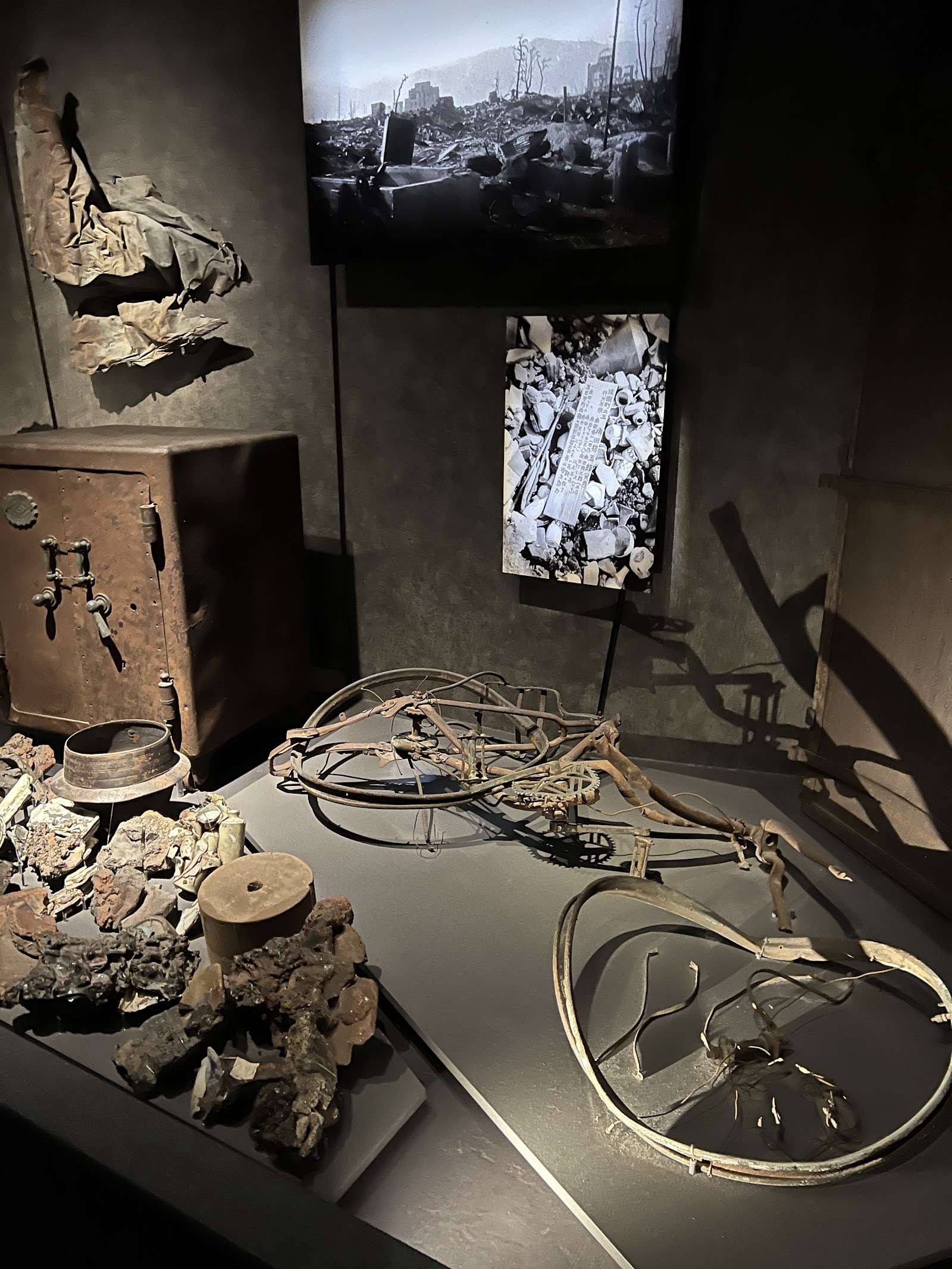
The Hiroshima Peace Memorial is one of those places you simply must visit if you are in Japan. It is sobering, profound, and unlike anything else. You walk through knowing the history — but standing there, in that place, is something entirely different. The energy of the site is palpable. There is a weight and a stillness here that stays with you long after you leave. The museum tells the story of August 6, 1945 with extraordinary care and humanity. The exhibits are meticulously put together — personal stories, artefacts, photographs, and testimonies that make the scale of what happened impossible to abstract away. It is a difficult visit, and it should be. Allow at least a couple of hours. This is not a place to rush through. The Peace Memorial Park is a beautiful and contemplative space. The Atomic Bomb Dome — the skeletal ruins of the only building left standing near the epicentre — stands as one of the most powerful monuments in the world. A place of remembrance done with immense dignity. Bottom line: The Hiroshima Peace Memorial is absolutely worth visiting — not despite how it makes you feel, but because of it. The energy of the place is real and affecting in a way that is hard to put into words. One of the most important sites in the world, handled with grace and humanity. Go. Take your time. Feel it.
We had the chance to visit the memorial during our Hisorima - Myajima trip in Japan. A very sad reminder of how capable humans are when it comes to destruction. Hope this never happens again. The Hiroshima Peace Memorial was originally built in 1915 as a public exhibition hall in Hiroshima and became one of the city’s best-known landmarks. On August 6, 1945, the atomic bomb exploded almost directly above it. While most of Hiroshima was destroyed, the building’s frame survived, becoming a powerful reminder of the tragedy and the lives lost. After the war, the city chose to preserve the ruins instead of demolishing them. Today, the Dome stands in Hiroshima Peace Memorial Park as a symbol of peace, remembrance, and hope that nuclear war will never happen again.
The Atomic Bomb Dome is one of the most powerful historical sites I visited in Japan and it immediately feels different from the surrounding area. Located along the Hiroshima Peace Memorial Park, the preserved remains of the former Hiroshima Prefectural Industrial Promotion Hall stand as a reminder of the events of 1945. Seeing the structure in person was much more impactful than simply reading about it because of the contrast between the preserved ruins and the peaceful city that surrounds it today. The biggest part of the experience was taking time to walk around the dome and view it from different angles. The damaged framework and exposed structure show the scale of what happened while the preservation of the building gives it a sense of permanence. It is not a place that relies on dramatic presentation, but instead allows the site itself to create the atmosphere. I would recommend visiting the dome together with the nearby Hiroshima Peace Memorial Museum and surrounding park. The dome is relatively quick to see on its own, but the full experience comes from understanding the history behind the site and seeing the other memorials nearby. Walking through the park afterward also gives the visit a quieter moment to reflect on the significance of the area. The site is easy to access and can be visited without spending much time, but it is worth slowing down rather than treating it as a quick photo stop. The Atomic Bomb Dome is one of those places where the historical importance makes the visit meaningful, and it remains one of the most memorable landmarks in Hiroshima.
More of Hiroshima
Discover where to stay, what to do and the best deals for your trip.
Explore Hiroshima →More attractions in Hiroshima
All of Hiroshima →
Background adapted from Wikipedia (CC BY-SA) · map data © OpenStreetMap contributors · ratings & place photos via Google · other photos with per-image credit. Ticket links may earn us a commission at no extra cost to you.