
Estepona Dinosaur Park (Parque Temático Selwo Aventura)

Over 2,000 animals from every continent live across a hundred hectares of Andalusian hillside here, in conditions designed to resemble their natural habitats rather than conventional enclosures. Rhinos and zebras roam the Lakes Reserve. Lions hold the high ground at Central Village. One of Europe's largest natural aviaries fills a canyon with ibis, storks and peacocks. The name on some listings says 'Dinosaur Park,' but what you'll actually find is Selwo Aventura — a full-day wildlife and safari park that sits just off the A-7 highway outside Estepona, closer in spirit to an African reserve than a theme park.
The terrain is genuinely hilly, the main paths mostly unshaded, and the scale larger than it looks on a map. A Serengeti Safari by 4x4 truck covers ground you wouldn't reach on foot, and a zip-line crosses the park for those who want altitude.

💛 What travellers fall for
People who've been more than once tend to arrive before 11am — the crowds thin out on weekday mornings and the animals are more active in the cooler hours. They also pack lunch. Three restaurants sit on-site, but a family can spend €60–80 on food alone. The Central Village viewpoints above the lion area reward the climb.
The story behind Estepona Dinosaur Park (Parque Temático Selwo Aventura)
Selwo Aventura opened on 24 November 1999, with an official inauguration by the President of the Board of Andalucía on 10 December that year. The park was conceived as a large-scale wildlife conservation and education facility, positioning itself apart from traditional zoos by giving animals space to move across naturalistic terrain.
In 2008, a milestone that drew wider attention: Kanvar, the first Asian elephant born in Spain, arrived at the park. The following year, for Selwo's tenth anniversary, Kanvar became the face of the park's logo. In 2010, the Obama family visited, and the park subsequently named its VIP programme in recognition of that visit.

Good to know
Selwo Aventura is only reachable by car; follow the A-7 to km 162.5 and budget €5 for parking. Arriving after 1pm doesn't leave enough time to feel the value of a €32.90 ticket. April through June offers the most comfortable walking weather; summers peak above 30°C on unshaded paths.
April through June is the most practical window — temperatures sit between 17°C and 25°C, rainfall is low, and the long unshaded stretches of the park don't punish you. August peaks near 30°C with little shade relief; bring water and use the spray stations. September and October are a solid second choice, mild and mostly dry.
Where is Estepona Dinosaur Park (Parque Temático Selwo Aventura)?
More tickets & tours for Estepona Dinosaur Park (Parque Temático Selwo Aventura)
Book directly at the provider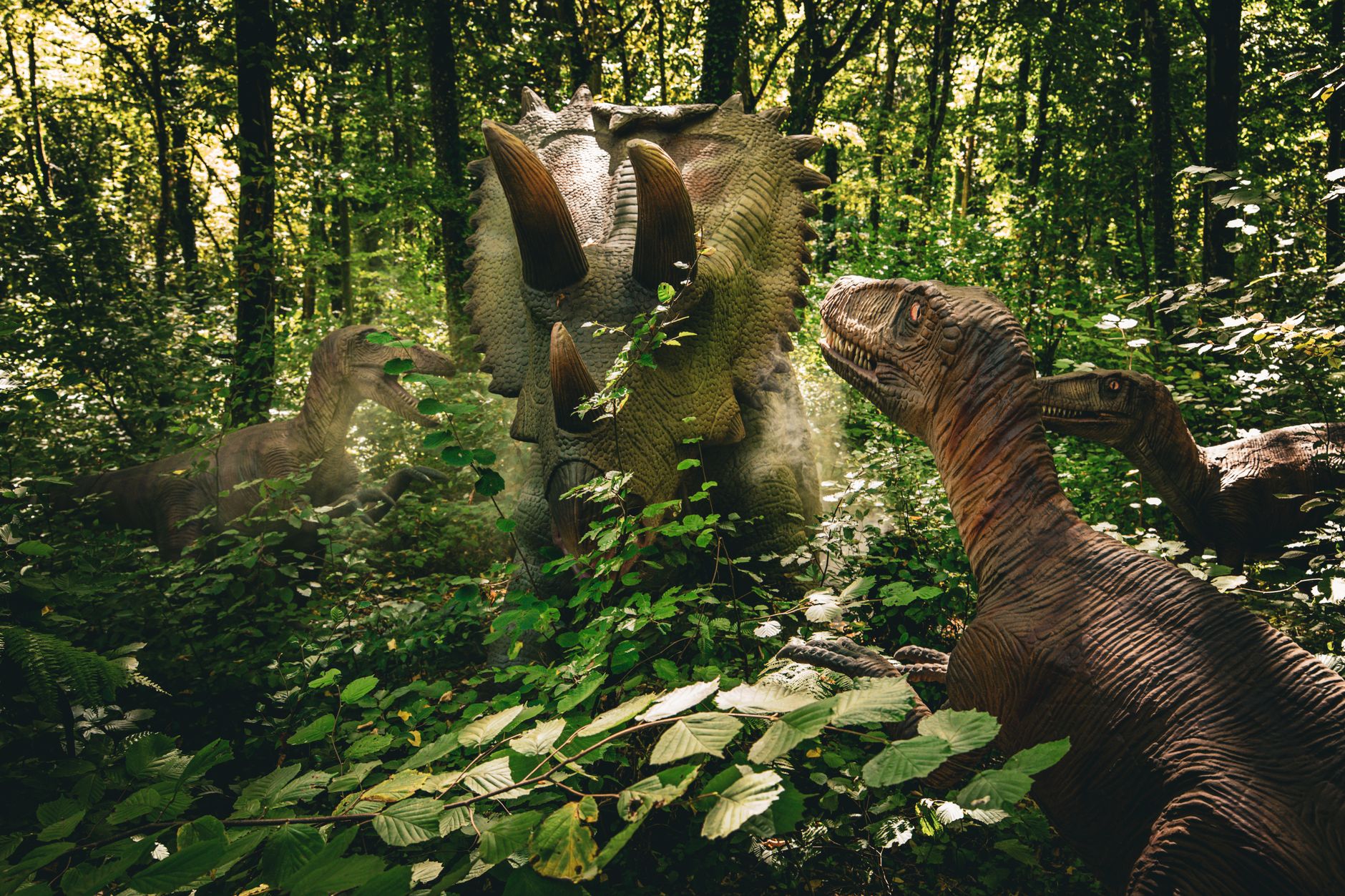
What travellers say about Estepona Dinosaur Park (Parque Temático Selwo Aventura)
We had an amazing time despite some bad weather in the morning. It was well worth paying a little extra to go on the safari - very up close to the animals. Great variety of animals and all appeared well looked after. The bird section was unique. Only downside is it can be quite steep in places (we had someone on a mobility scooter and areas were a struggle at points) and there's only toilets at the begining and at the end (the walk between the two can be quite long depending on speed of the group).
It was a family trip (no kids) and we had a grea time. We did not expect to be more a safari than a ZOO, with lots of animals in their natural habitat. The place is worth visiting- consider taking the full day in order to see all the animals, even booking a Safari tour is highly recommended. The place is super clean, you have a lot of little restaurants and vending machines. It is a truly adventure, worth the price. I would definitely repeat if I had guests over.
Visited a couple hours before closing time, and for a December date it was still a lot of fun. That said, many of the animals were absent or hiding due to the cooler weather. We saw maybe 10-15 people during our short visit, so it felt like we had the whole park for ourselves. Kids loved it!
Selwo Aventura is a fantastic zoo experience. The park is well maintained, the safari truck tour is a highlight, and the staff is friendly and knowledgeable. It’s a great mix of adventure and education, ideal for both adults and children. Definitely worth a visit if you’re in the area.
It is a large zoo where you can see many different species of animals. The biggest impression on me was made by the birds, which you can admire while being right there with them, as the entire area is enclosed with netting. It was also great to see the rhinoceros, a species of crocodile, and the flamingos. I think everyone will find some animals in this zoo that particularly interest them. Another big advantage is the cooling stations with water sprays, which are definitely helpful on hot days. There is also an excellent rope bridge and a zip line! (The zip line requires an additional fee and has weight restrictions, meaning you may be too light to use it.) I also noticed that it is possible to stay overnight at a hotel located within the zoo grounds. Overall, I can confidently recommend this zoo. However, the ticket price should also be taken into consideration, as I personally think it is a bit too expensive. I was satisfied because I used a discount code. I would recommend looking for one before your visit, or purchasing the three-attractions package, which makes the price much more reasonable and acceptable.
More of Estepona
Discover where to stay, what to do and the best deals for your trip.
Explore Estepona →More attractions in Estepona
All of Estepona →


Background adapted from Wikipedia (CC BY-SA) · map data © OpenStreetMap contributors · ratings & place photos via Google · other photos with per-image credit. Ticket links may earn us a commission at no extra cost to you.