
Estepona Old Town (Casco Antiguo)
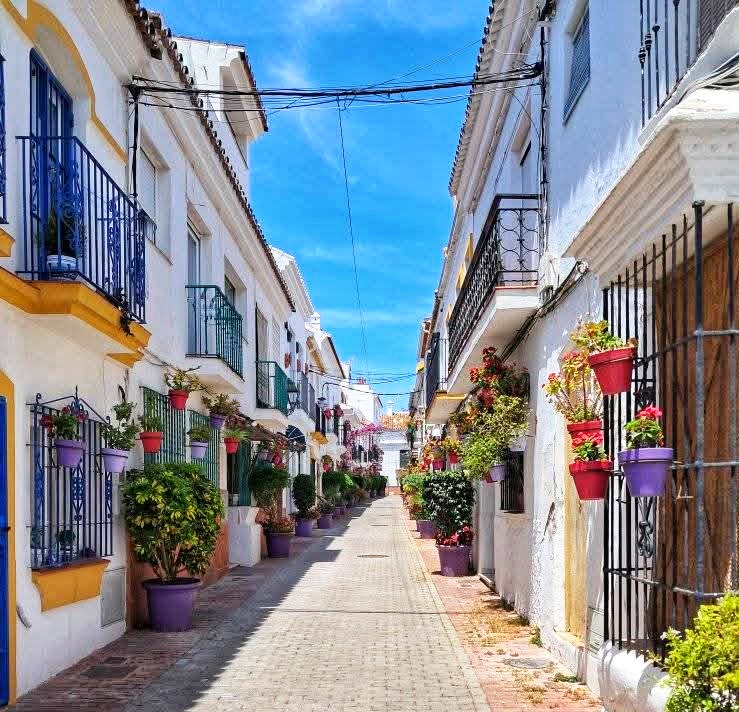
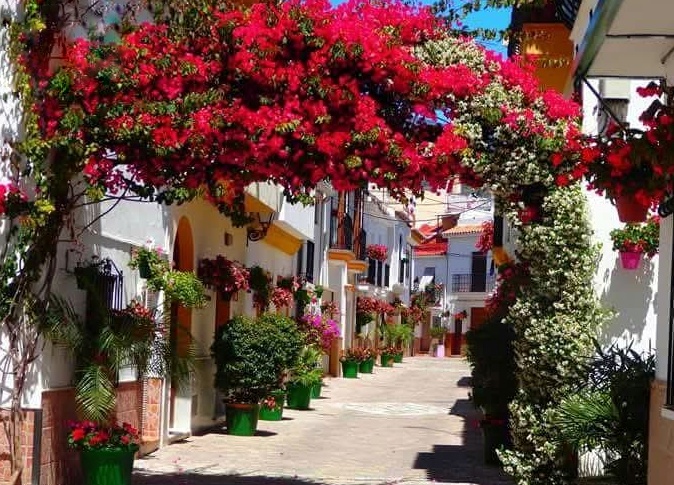
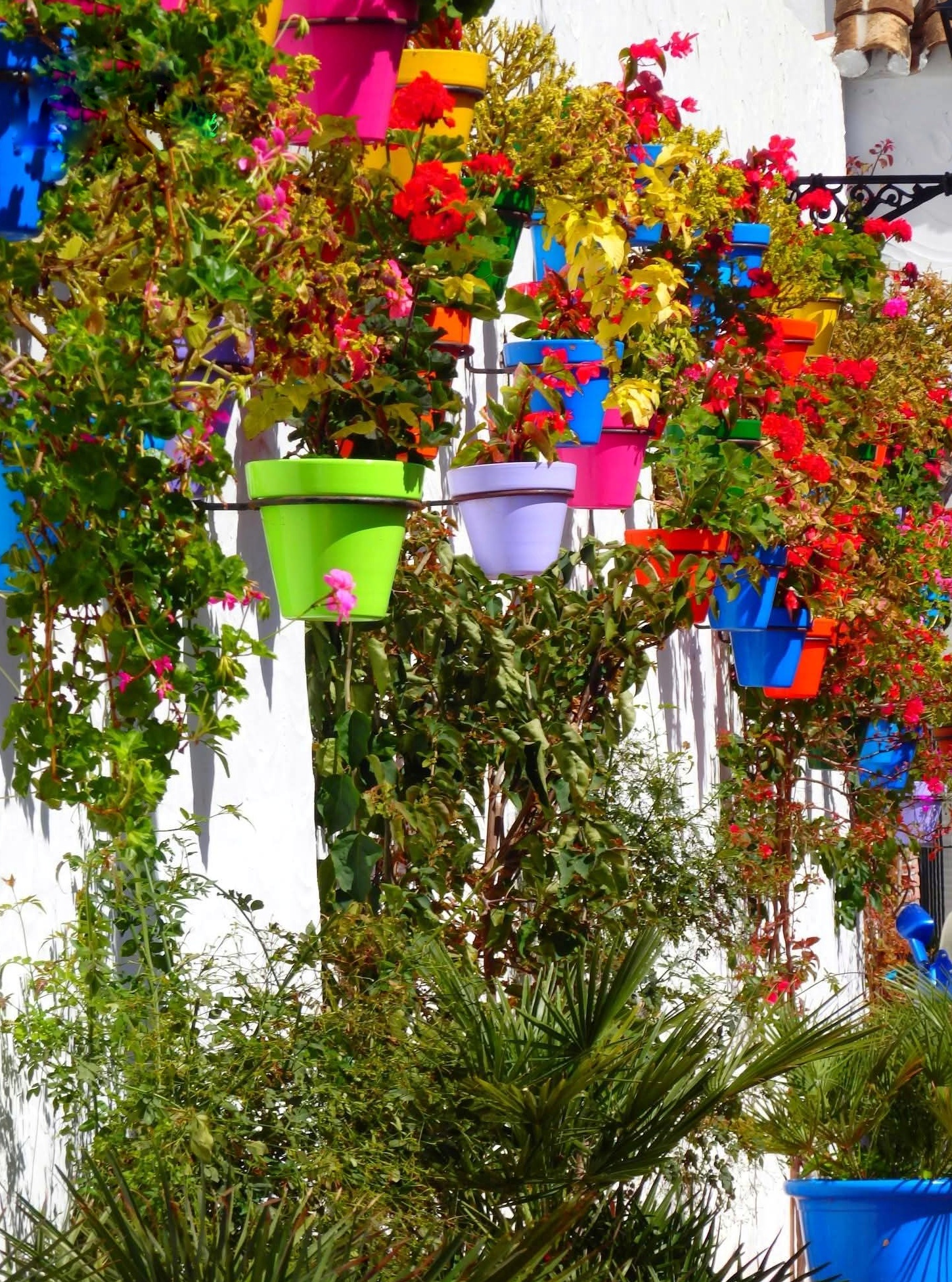
Walk into Estepona's old town and the first thing you notice is the flowers — not in a park or a garden, but climbing the walls, hanging from every balcony, spilling from ceramic pots along streets barely wide enough for two people to pass. This is deliberate. Since 2012, the municipality has been quietly converting the casco antiguo into what locals call the Garden of the Costa del Sol, commissioning botanists and muralists in equal measure.
The murals are the other surprise. More than 70 giant paintings cover entire building facades — some spanning six adjacent walls — commissioned works that turn corners you've already passed into reasons to double back.
💛 What travellers fall for
People who return tend to map their own mural routes rather than following the official one, picking a street at random off Calle Real and seeing where it leads. Calle Damas and Pasaje de María Cintrano reward that instinct. The poetry tiles are easy to miss on a first visit — small porcelain squares fixed to house walls with lines by Spanish and Arabic poets — worth slowing down for.
The story behind Estepona Old Town (Casco Antiguo)
People have been living on this stretch of coast for a very long time — stone tools found in the area date to around 60,000 years ago. The Phoenicians established a settlement here they called Astapa, probably in the eighth or ninth century BC, and the Romans later built a town near the Guadalmansa river, complete with thermal baths. Arab rulers raised a fortress called Munt Nis in the early eighth century; a later stronghold, Estebunna, was ordered by Caliph Abderramán II.
Christian forces under Henry IV of Castile took the town in 1456, and the Castillo de San Luis went up the following year. The side streets around the castle and the old church were laid out between 1507 and 1600, giving the casco antiguo the tight, whitewashed grid it still has today. King Felipe V granted the town formal independence on 21 April 1729.
Good to know
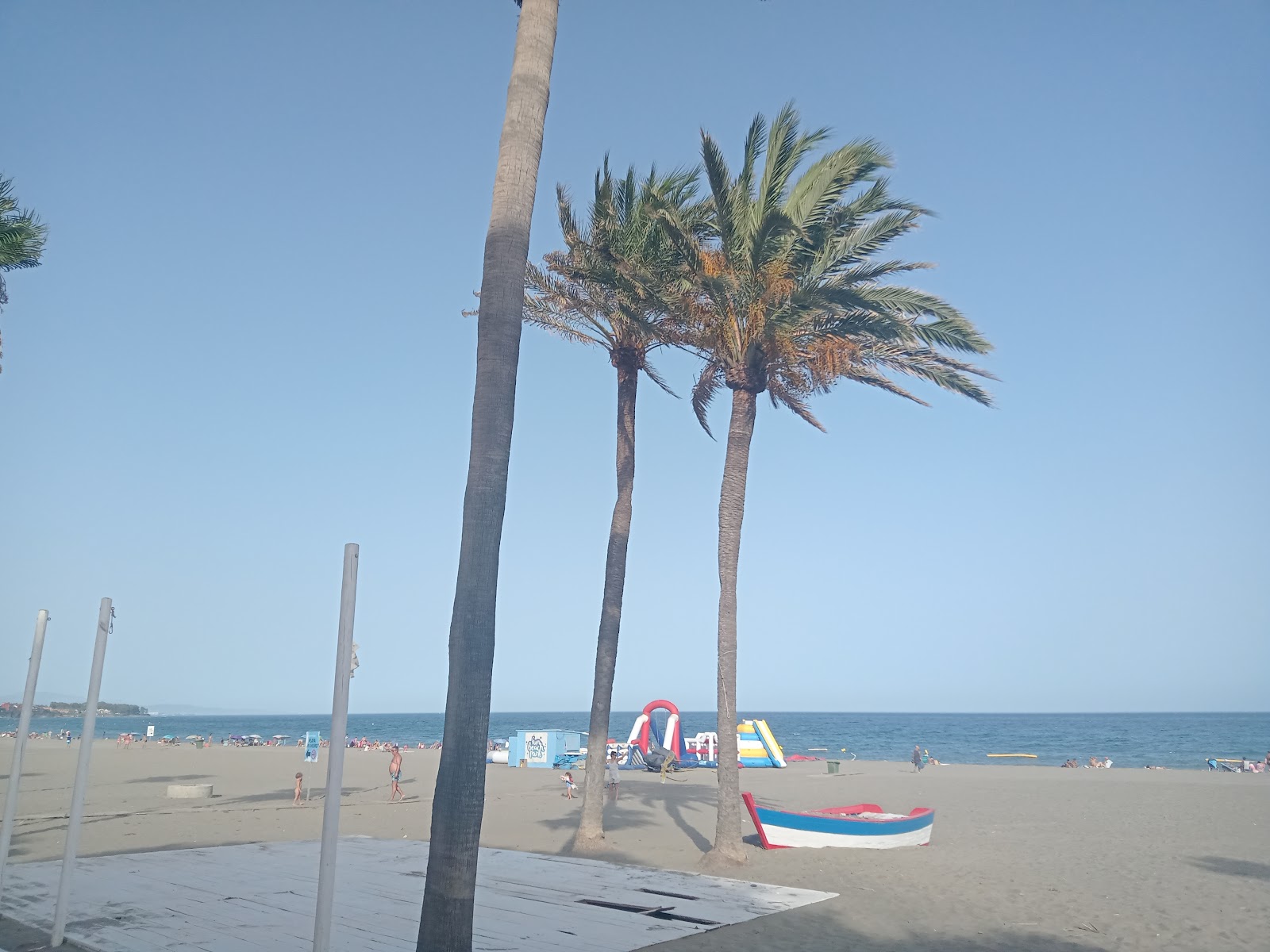
The old town is flat, fully pedestrianized, and about five minutes' walk from the beach. Arrive before noon or after 5 pm to avoid the siesta shutdown on smaller shops. Allow at least 90 minutes; three to four hours if you want the murals, the Clock Tower, Plaza de las Flores, and a coffee stop.
Summer days regularly reach 35°C, which makes the shaded lanes of the old town more bearable than the open seafront, but May to June and September to October are the more comfortable windows — warm enough for the beach, cool enough to walk for hours without wilting.
Where is Estepona Old Town (Casco Antiguo)?
More tickets & tours for Estepona Old Town (Casco Antiguo)
Book directly at the provider
What travellers say about Estepona Old Town (Casco Antiguo)
A lovely old town with white washed buildings, flower pots , bars and restaurants to watch the world go by
Amazing part of estepona, make it part of your vist
Beautiful 😍
Well kept streets with gorgeous flower pots but not enough bars whilst walking in the maze of streets.
Very traditional and atmospheric. Well worth a visit.
More of Estepona
Discover where to stay, what to do and the best deals for your trip.
Explore Estepona →More attractions in Estepona
All of Estepona →

Background adapted from Wikipedia (CC BY-SA) · map data © OpenStreetMap contributors · ratings & place photos via Google · other photos with per-image credit. Ticket links may earn us a commission at no extra cost to you.