
Estepona
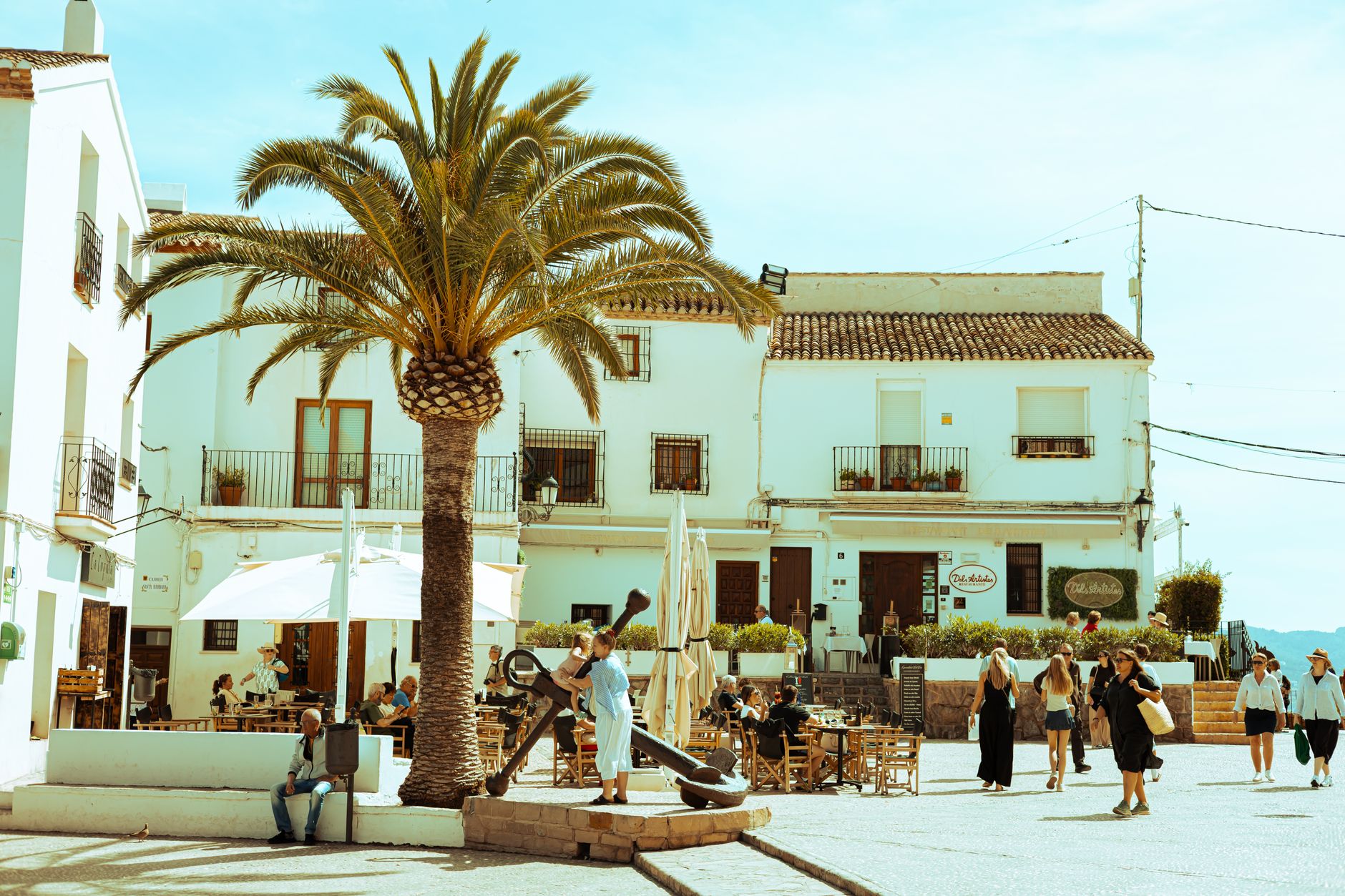
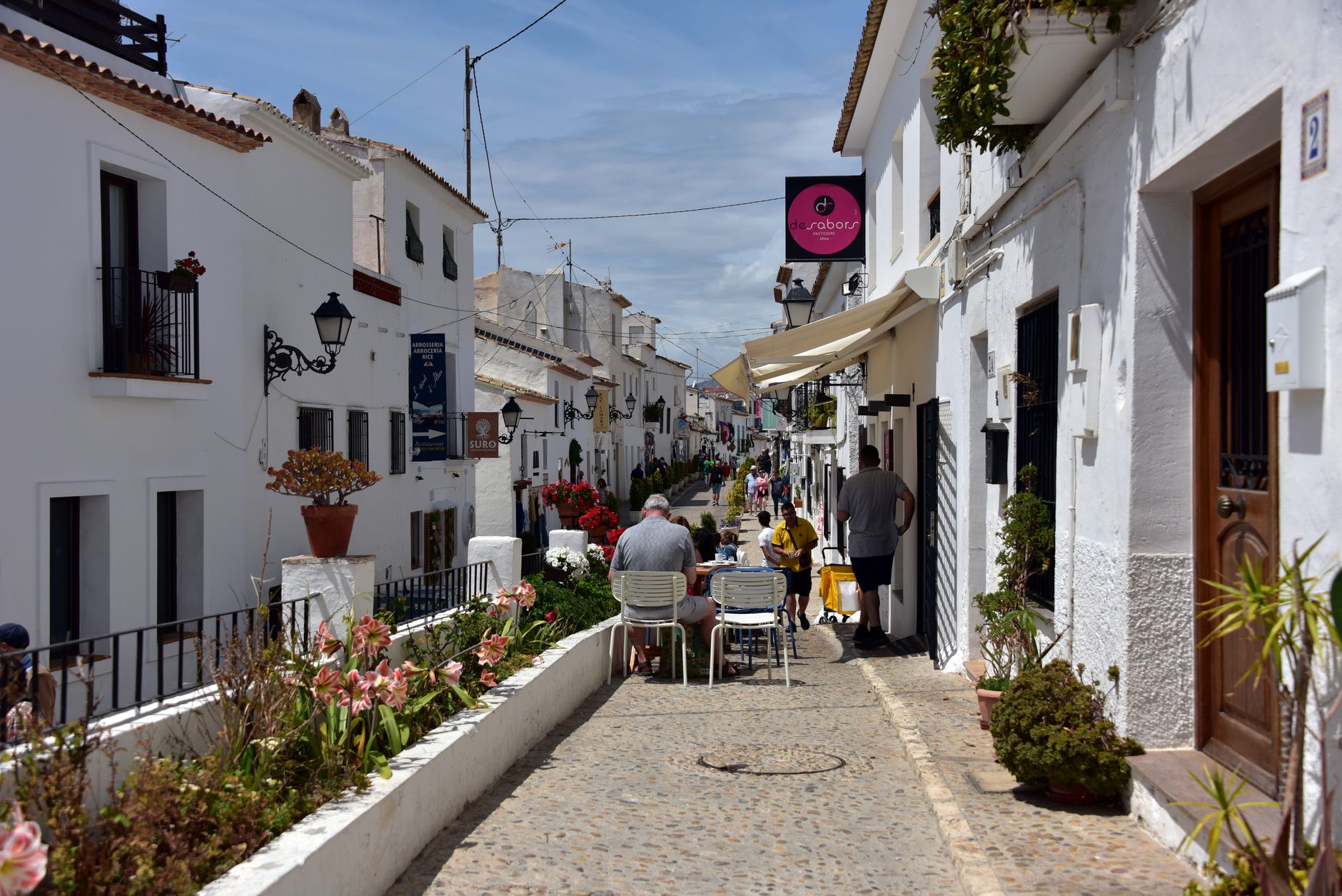
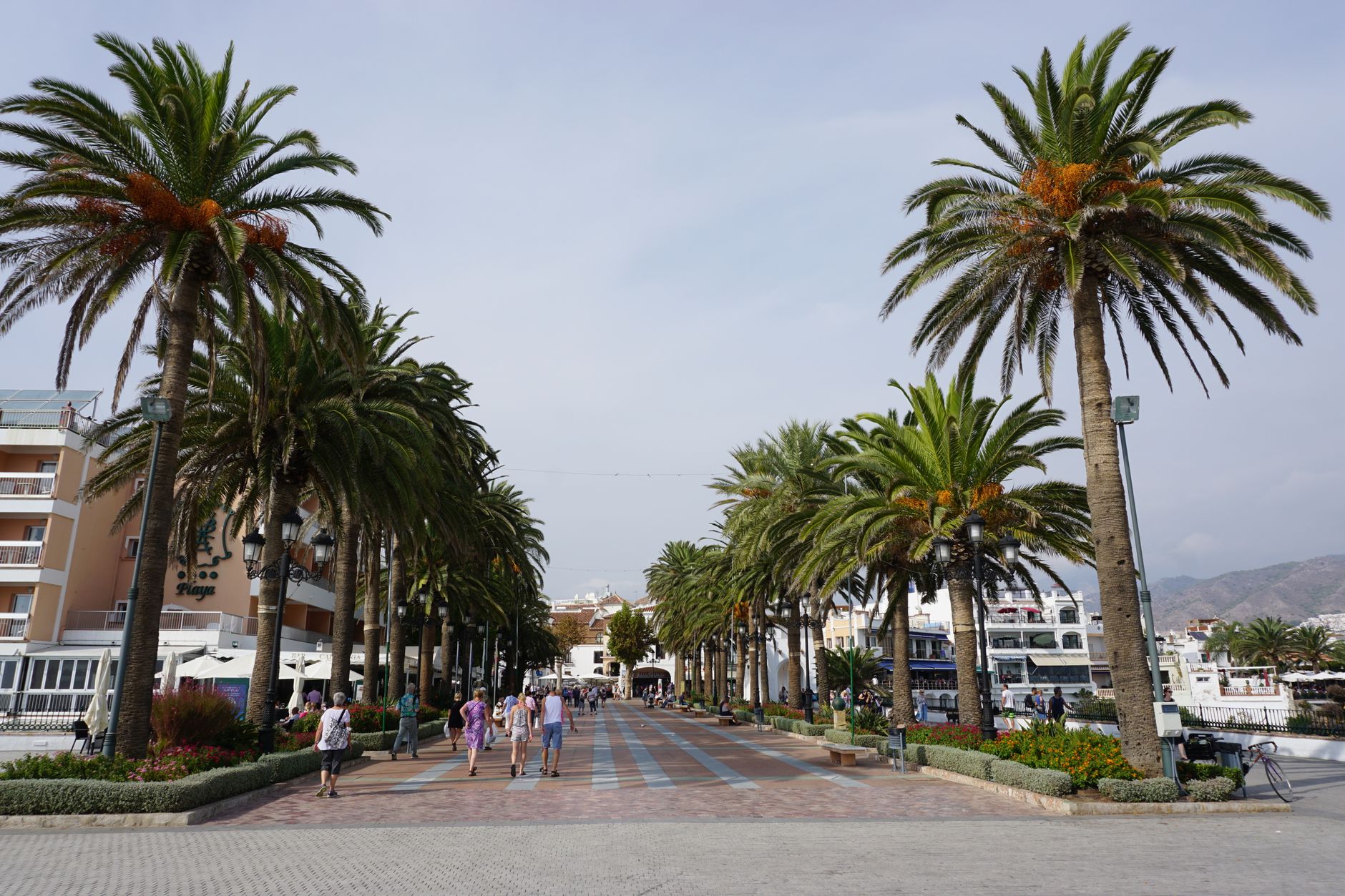
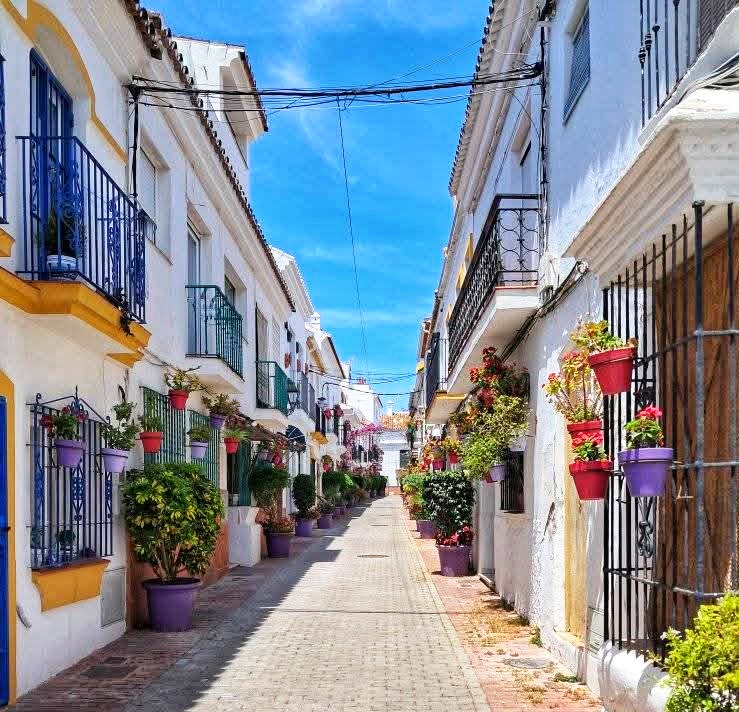
Walk the old town of Estepona on a weekday morning and you'll find something rarer than beaches on the Costa del Sol: a working Andalusian town that still smells of bread and coffee rather than sunscreen. The whitewashed lanes are hung with geraniums, the Plaza de las Flores hosts actual locals, and more than fifty large-scale murals turn the walls into an open-air gallery that rewards slow walking.
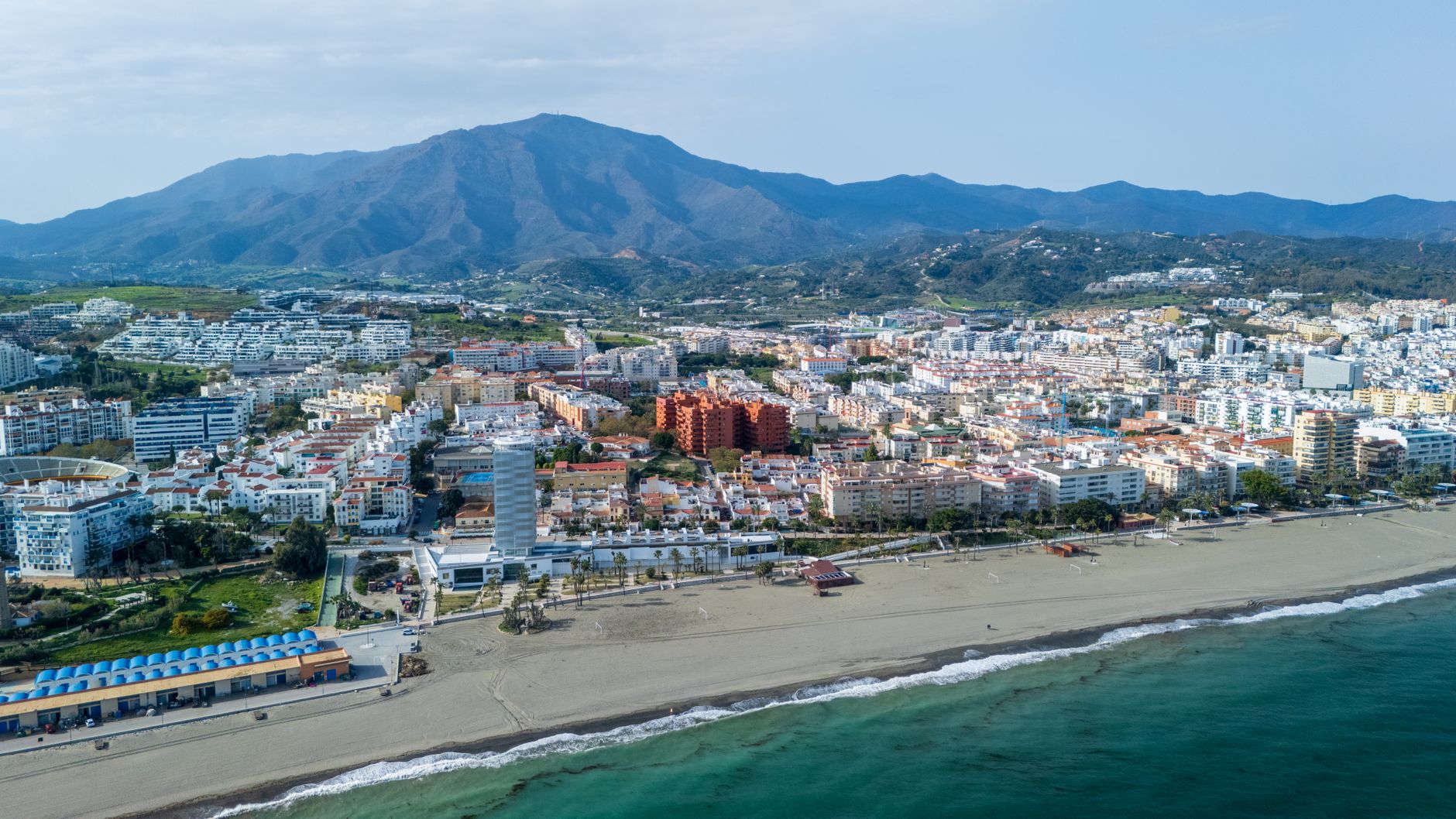
Estepona sits at the western end of the Costa del Sol, closer to Gibraltar than to Málaga, and that distance from the coast's main tourist corridor has served it well. The Orchidarium — a botanical garden holding over 5,000 orchid plants from 1,300 species — sits quietly in the town centre, and a 5,000-year-old necropolis lies in a park a short drive away.
💛 What travellers fall for
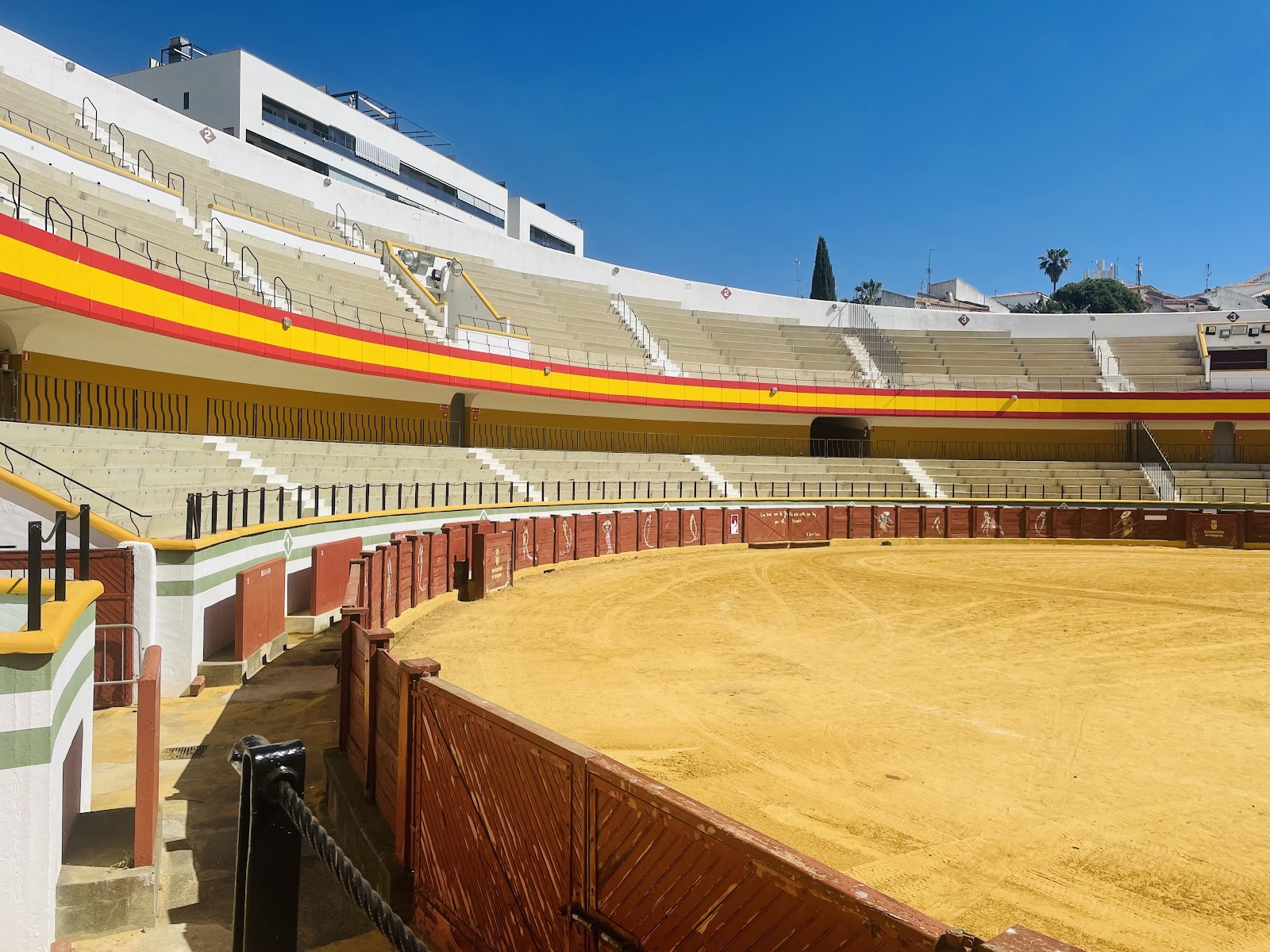
People who come back tend to mention the same things: breakfast at a bar on Plaza de las Flores before the day heats up, the cool half-hour inside the Orchidarium when it's too hot to walk, and the asymmetrical bullring — inaugurated 1972 and designed specifically to keep spectators in the shade — which is worth a look even if bullfighting isn't your interest.
Deals in Estepona
Book directly at the provider
How Estepona came to be
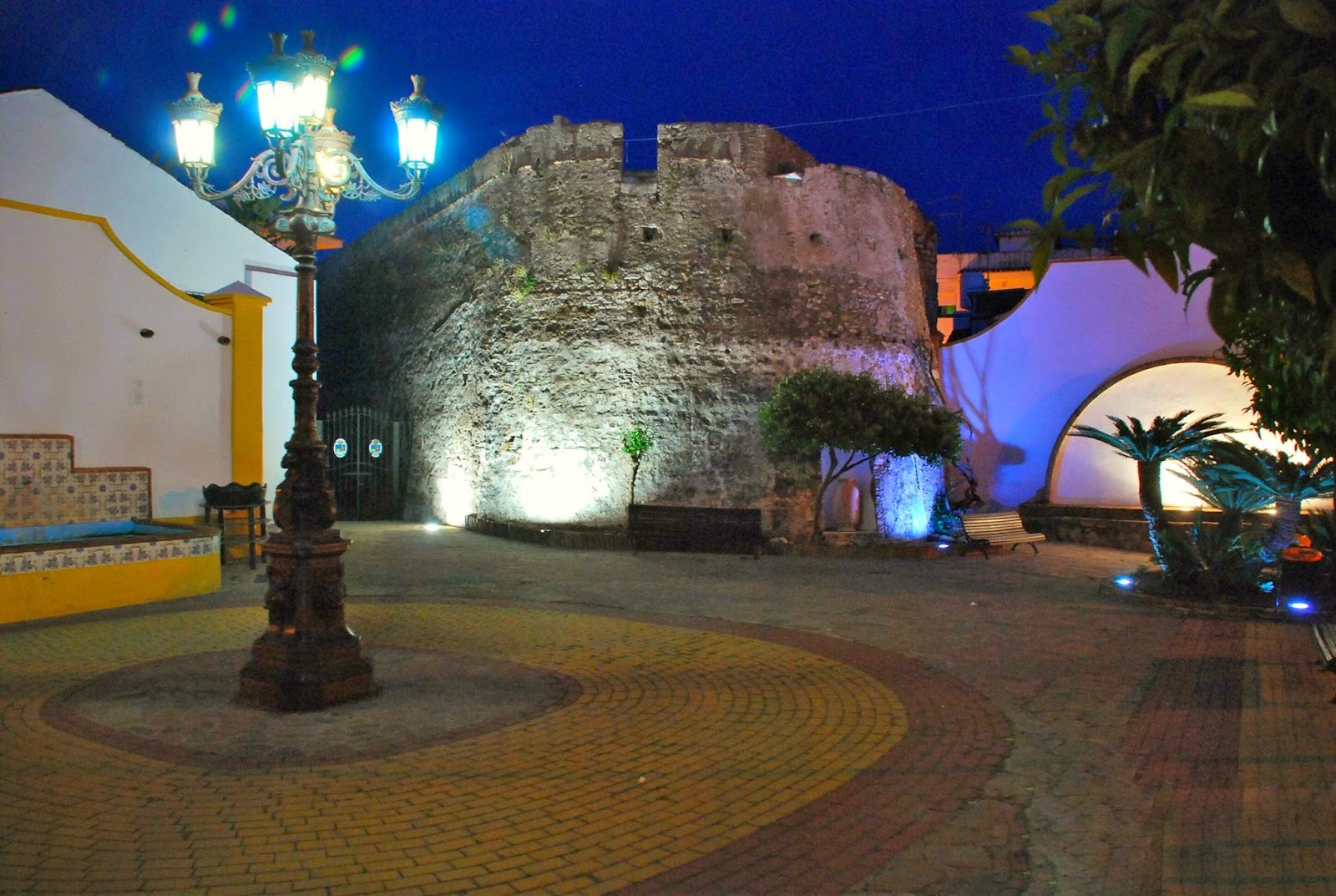
The settlement the Arabs called Astabbuna — later Estebbuna — took shape in the tenth century under the Caliphate of Córdoba. It remained Moorish territory until 1457, when Henry IV of Castile took the town; a church rose on the site of the former mosque, and the Castillo de San Luis was built to guard the coast against Berber pirates. The Clock Tower dates to the 1400s, originally part of that early church complex.
For nearly three centuries Estepona was administered from Marbella, until Philip V granted it an independent town charter in 1729. By the early twentieth century it had around 9,000 residents, most of them farmers and fishermen — a scale the old town still reflects in its proportions.
Who and what shaped it
Landmark buildings
See Estepona in motion
Plan your visit
On the map
When to go
Estepona has a subtropical Mediterranean climate: winters are mild and damp enough to keep the flowers going, while summers are long, dry, and genuinely hot — temperatures above 35°C are common in July and August. Spring and autumn offer the most comfortable conditions for walking the town.
Right now
↡ Attractions



Background & history adapted from Wikipedia (CC BY-SA) · specs from Wikidata (CC0) · weather from Open-Meteo · map data © OpenStreetMap contributors · photos from Wikimedia Commons / Unsplash with per-image credit. No third-party reviews or social posts reproduced.