
Estepona Beach (Playa de la Rada)
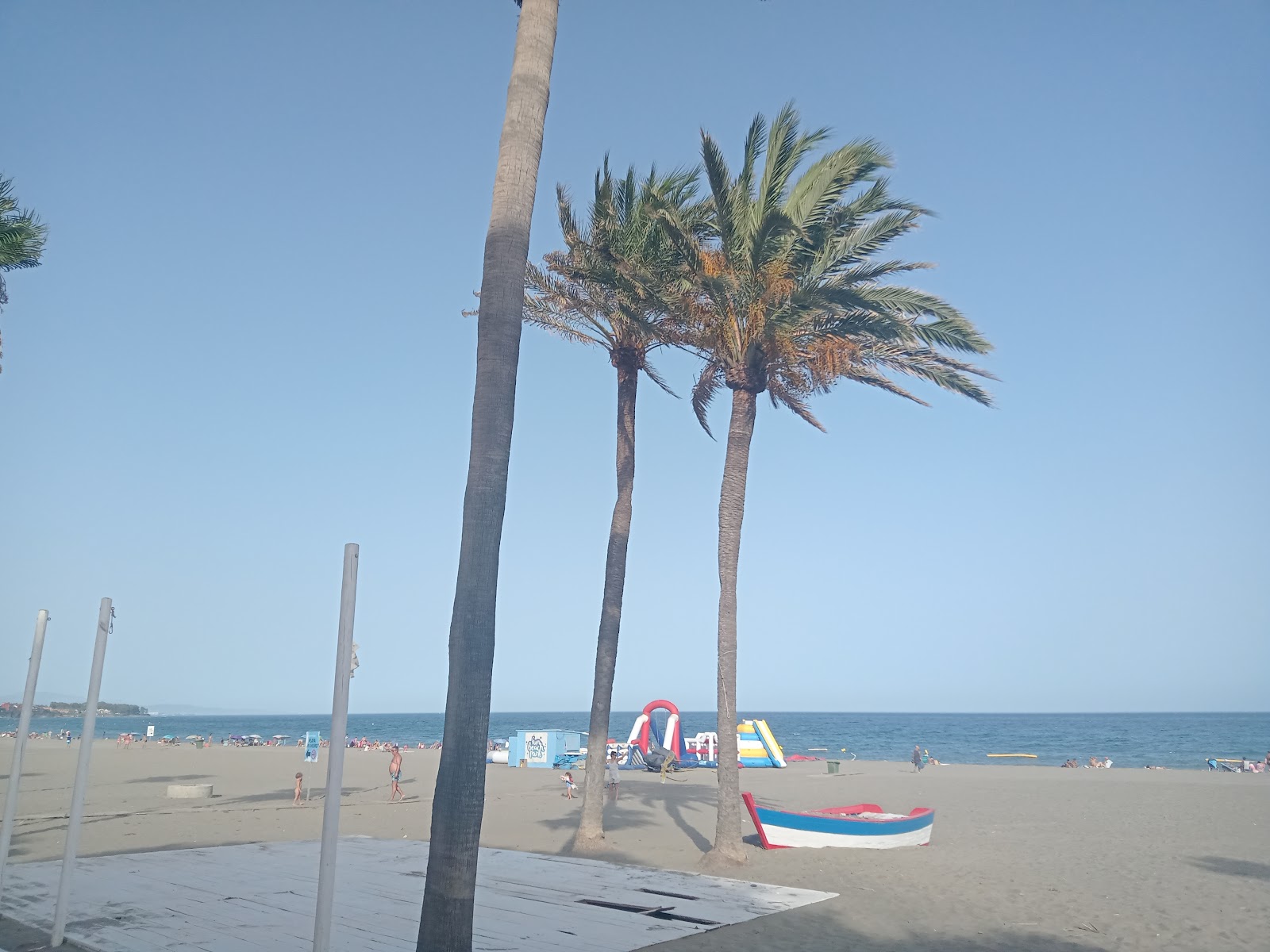
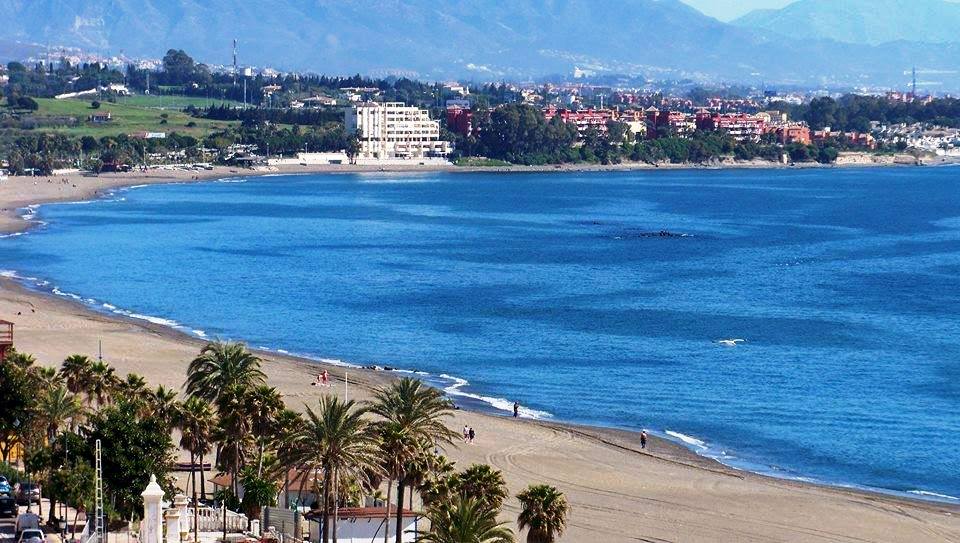
The sand here runs grey — not the bleached white of postcards but a cool volcanic tone that shifts to something almost silver when the late sun hits it low. That's your first clue that Playa de la Rada operates on its own terms. Stretching 2.6 kilometres along Estepona's seafront, it has the Punta Doncella lighthouse anchoring the western end and, on a clear day, the Rock of Gibraltar sitting on the horizon like a full stop.
The old coast road that once ran behind the beach was closed to vehicles in 2022 and rebuilt as the Paseo Marítimo — a wide promenade that now separates the shore from the town's street grid. Chiringuitos line it end to end, turning out paella and grilled sardines at plastic tables that fill by midday.
💛 What travellers fall for
People who come back tend to time the walk for early evening, when the grey sand picks up the warmest light and the promenade isn't yet packed. The floating water park at the eastern end is worth knowing about if you're travelling with children — it runs through summer and keeps younger visitors occupied for longer than a sandcastle will.
The story behind Estepona Beach (Playa de la Rada)
The name gives the place away. 'Rada' is the Spanish word for a roadstead — a sheltered bay where ships could anchor safely without entering a full harbour. Long before the promenade existed, this stretch of coast served as a working refuge for Estepona's fishing boats, its natural curve offering protection when weather came in off the Strait.
The Punta Doncella lighthouse, built at the start of the twentieth century and standing 20 metres tall — 31 metres above sea level — was part of the same maritime infrastructure, guiding vessels past the point. The beach's formal development into a public seafront came much later, with the 2022 pedestrianisation of the old coast road marking the most recent transformation of what had always been, in essence, a working shore.

Good to know
Free entry; two underground car parks at the centre and eastern end, though spaces go fast in August. Intercity buses from Marbella and Málaga stop within a short walk. April to June or September to October gives you the beach without the August heat and crowds. One to two hours covers a full stroll.
Summer peaks at around 30°C in August with sea temperatures reaching 24°C — the warmest swimming of the year, though the beach is at its most crowded. Spring (April to June) brings mild days around 17–25°C and minimal rain, making it the most comfortable window for walking the full length. Autumn sea temperatures stay pleasant into October; by November rain increases noticeably. Winters are mild but wetter, with the beach largely quiet.
Where is Estepona Beach (Playa de la Rada)?
More tickets & tours for Estepona Beach (Playa de la Rada)
Book directly at the provider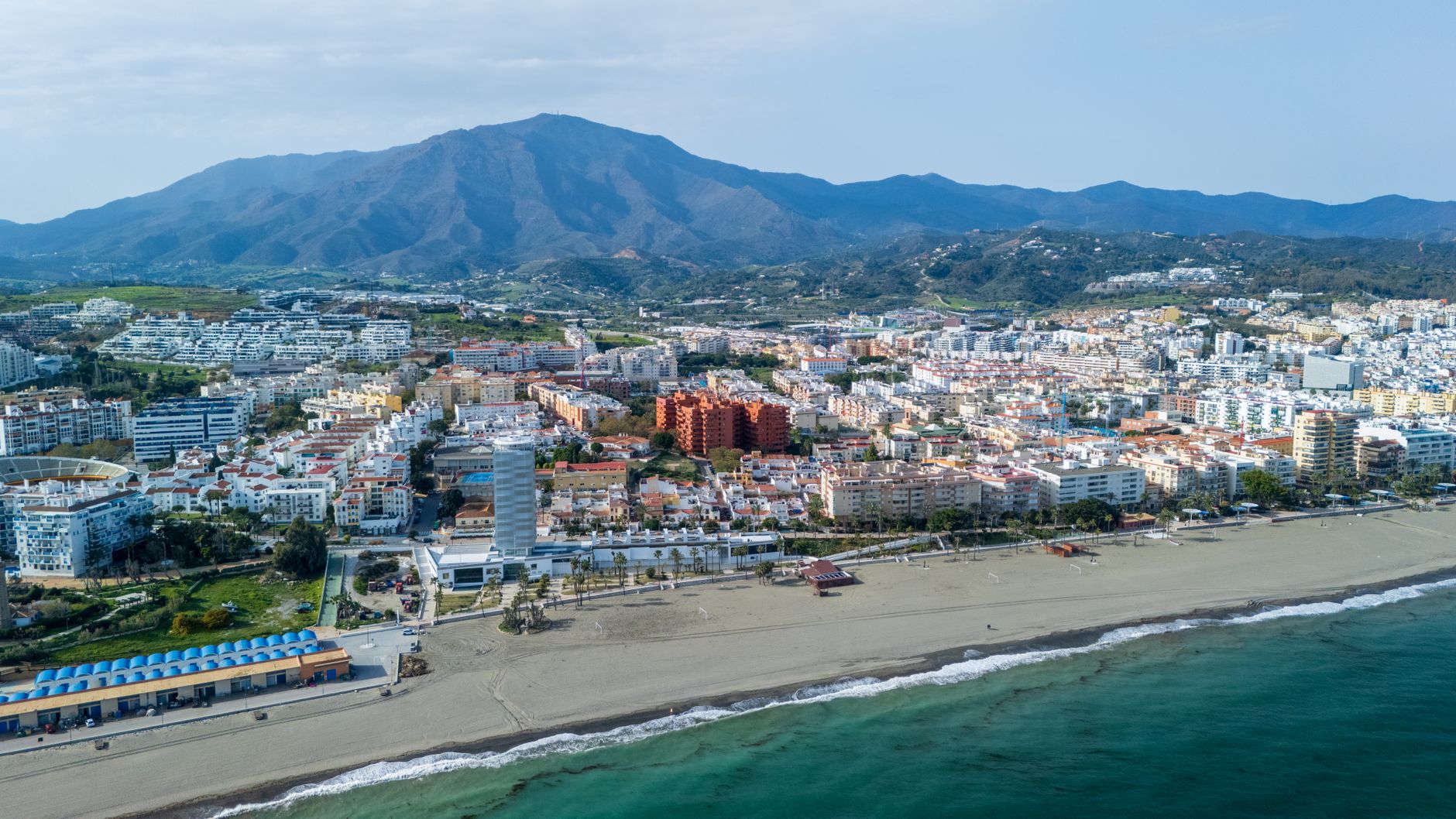
What travellers say about Estepona Beach (Playa de la Rada)
This beach is very wide with over two kilometers of sand. It’s right in downtown with a nice promenade along the beach. You have all services here and plenty of restaurants to choose from. It’s cleaned and a great location to people watch and great for sunsets overlooking Africa and Gibraltar. Over the winter is not as nicely maintained.
Very nice and very long beach, the entrance to the sea is comfortable, suitable for children! :) There is a promenade along the entire beach, where there are many attractions for children and adults :)
Estepona Beach is a fantastic spot to relax and enjoy the sun. The water and sand are consistently clean, making it perfect for a day out. While the showers weren’t working during our visit, the abundance of nearby restaurants along the promenade more than makes up for it, plenty of great options for food and drinks. The beach also has a Blue Flag certification, meaning it’s held to high environmental standards. Plenty of space to lounge, calm waters, and a family-friendly atmosphere. Definitely recommend👌
Very long beach. It wasn't crowded. The beach is mostly sandy, but the entrance to the sea is full of rocks. The wind was blowing, so all the sand was blowing on people. Sun loungers were available at nearby bars. The beach has showers, lifeguards, and the market is very close.
Very nice beach, clean public toilets, open air showers and wash stations. You can rent beach chairs and umbrellas. Many playgrounds for children. On the weekends they have craft fairs. We were there in June and it was not crowded at all.
More of Estepona
Discover where to stay, what to do and the best deals for your trip.
Explore Estepona →More attractions in Estepona
All of Estepona →


Background adapted from Wikipedia (CC BY-SA) · map data © OpenStreetMap contributors · ratings & place photos via Google · other photos with per-image credit. Ticket links may earn us a commission at no extra cost to you.