
Estepona Port (Puerto Deportivo)

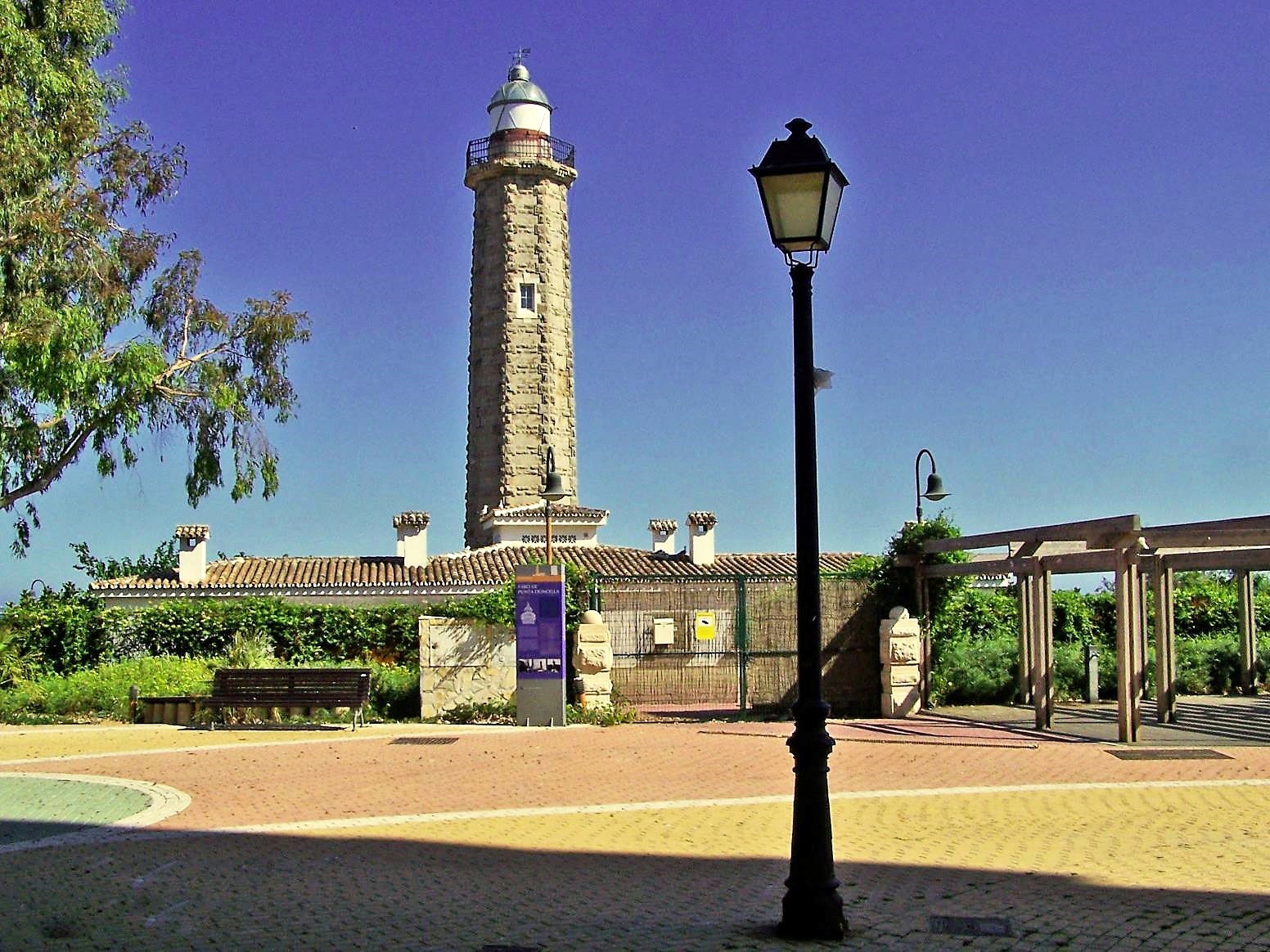
Estepona's marina sits at the eastern edge of town, caught between two beaches, with the white finger of the Punta Doncella Lighthouse marking where the port ends and the open Mediterranean begins. It holds 447 berths, some of them occupied by the working fishing fleet — you'll see nets spread across the quayside, men bent over them with needles, the smell of salt and diesel doing its job.
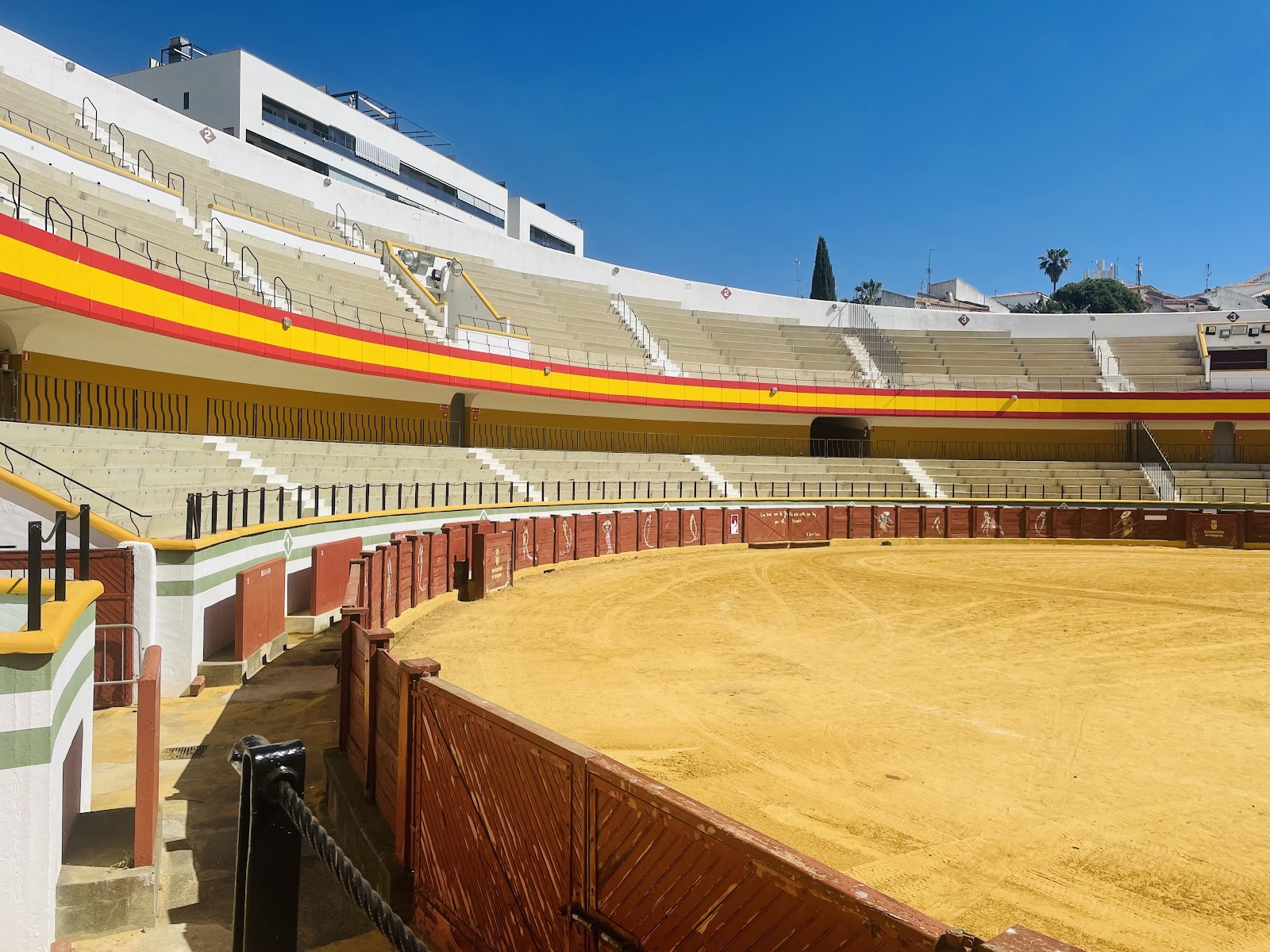
On Sunday mornings the character shifts. The port fills with a craft and antiques market running from nine until two, and the town hall looks on from the port area while the bullring and tourist office wait just across Avenida del Carmen.
💛 What travellers fall for
Regulars know to arrive at La Escollera before one o'clock — no reservations, so you write your name on the list and take your drink to the waterfront while you wait. Founded in 1940, it doesn't try to be anything other than what it is. The fishing boats docked nearby tend to confirm the seafood provenance without any signage required.
The story behind Estepona Port (Puerto Deportivo)
The bay this port occupies has a longer memory than the marina itself. The Romans were in this stretch of coast by around 200 BC, and there is a theory — unproven — that their settlement of Silniana stood somewhere near present-day Estepona. In 1342, the bay was the site of a naval battle between the fleet of the Kingdom of Aragon and the Marinid Dynasty, one of those medieval sea fights that decided who controlled access to the Strait of Gibraltar.
The modern Puerto Deportivo grew from Estepona's identity as one of the Costa del Sol's more significant fishing ports. A 25-year operating concession expired in August 2023, and a new tender process was expected to follow — which explains some of the transitional quiet you may notice on the east quay.

Good to know
The port is 1.5 km east of Estepona's old centre, walkable along the promenade. Gibraltar Airport, 35 km away, is the closest international option. If you're driving in, note that the car park barrier and payment system are not intuitive — allow a moment. The east side of the port had fewer restaurants operating as of 2023–24 while concession arrangements were being renegotiated.
Summer is the obvious season — July brings up to 14 hours of daylight and August the warmest sea water, around 23°C — but spring and autumn offer mild temperatures without the August crowds. Winter days regularly reach 20°C, though November and December bring the year's most reliable rain.
Where is Estepona Port (Puerto Deportivo)?
More tickets & tours for Estepona Port (Puerto Deportivo)
Book directly at the provider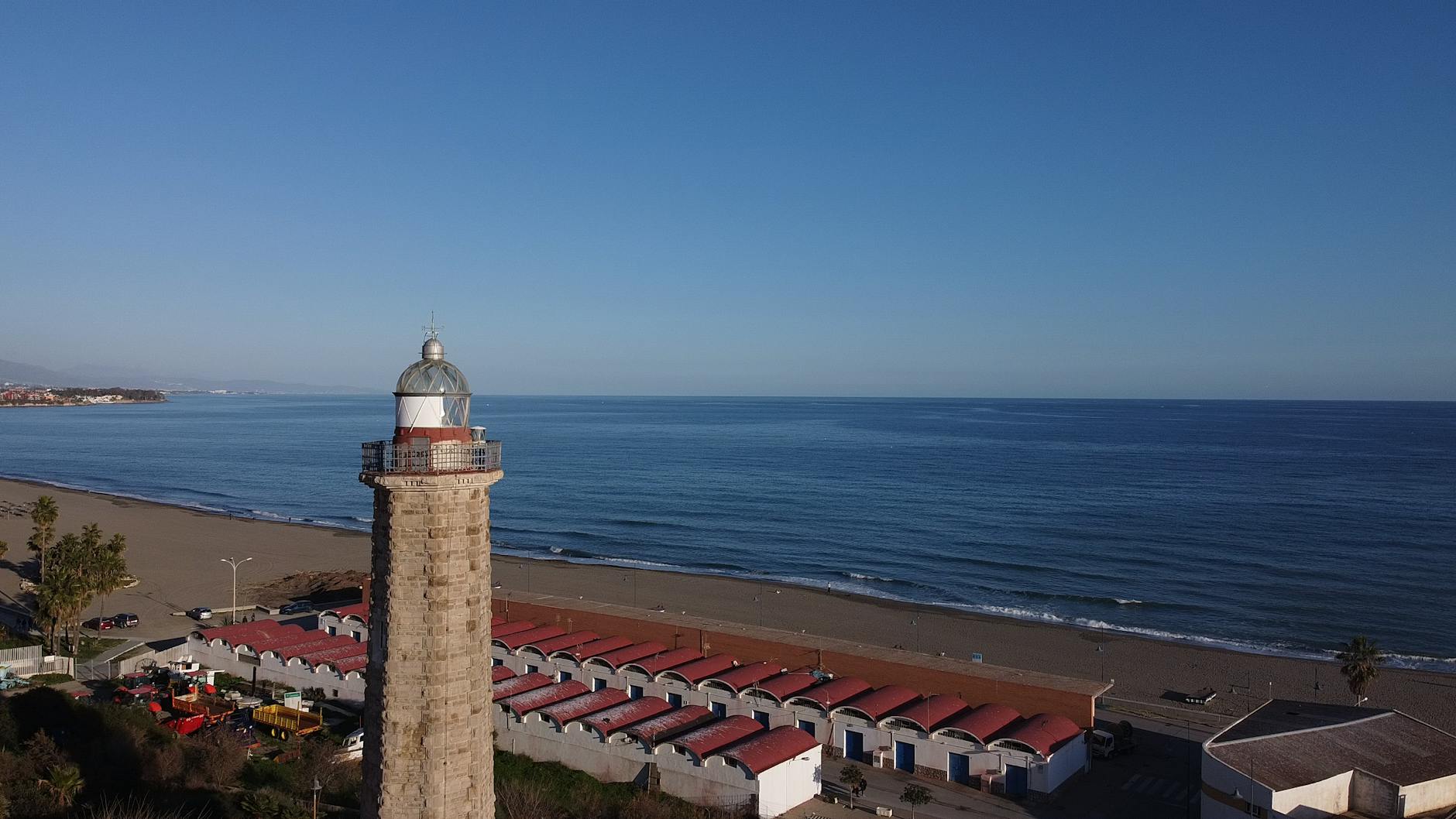
What travellers say about Estepona Port (Puerto Deportivo)
Our hotel was in a great location looking out to the sea!, Everything you wanted was within walking distance some great restaurants and bars.
I stopped by with just the tender, as my boat was too large to enter and had to remain at anchor. The town itself is charming and easily reachable on foot from the port, thanks to a beautiful, flower-lined promenade along the beach. The city center is lovely, especially the narrow, flower-filled streets of the old town.The marina staff were incredibly kind, welcoming, and helpful throughout my visit.
Stayed in this marina with an 88ft yacht for 2 months! Very good marina, with lots of facilities and shops for anything you need. Also there’s a shipyard which is great to get all winter works done.
We went out on a boat at the harbor to go dolphin viewing. It didn’t disappoint. We saw pods of dolphins, right at our feet! It was incredible!!! Lots of parking and restaurants after a day on the boat just a few meters away.
Small and somewhat outdated marina, but hey it is always relaxing to walk in a marina. On the other hand there are many restaurants here. Pay attention, in the "old" fisherman's port you will find the best restaurant ,-) ..see pictures to find the spot, so you do not get fooled by the cozy appearance of the restaurants (and Jazz bar) immediately in the touristic area.. Take your time. Choice is abundant.
More of Estepona
Discover where to stay, what to do and the best deals for your trip.
Explore Estepona →More attractions in Estepona
All of Estepona →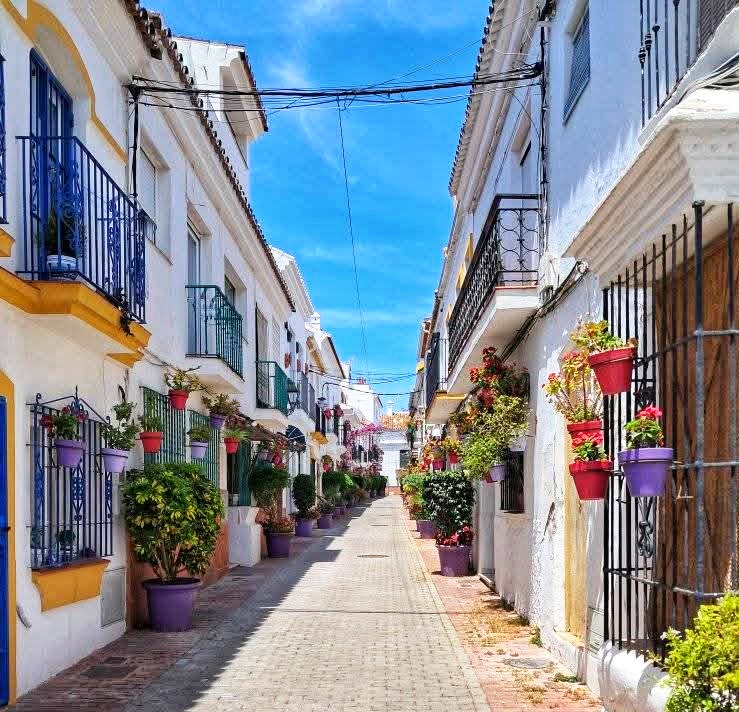

Background adapted from Wikipedia (CC BY-SA) · map data © OpenStreetMap contributors · ratings & place photos via Google · other photos with per-image credit. Ticket links may earn us a commission at no extra cost to you.