
Chicago, Illinois, USA
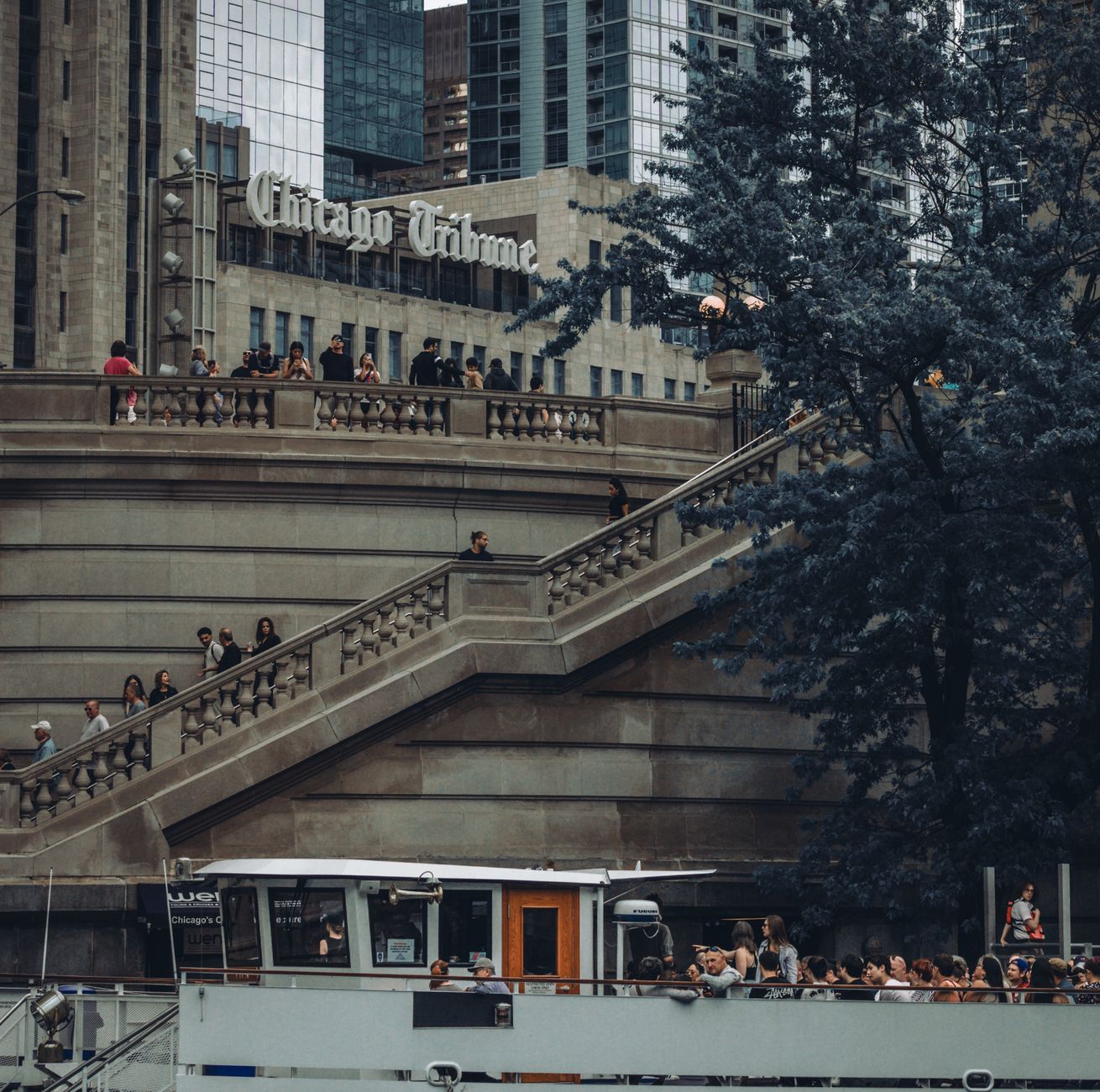
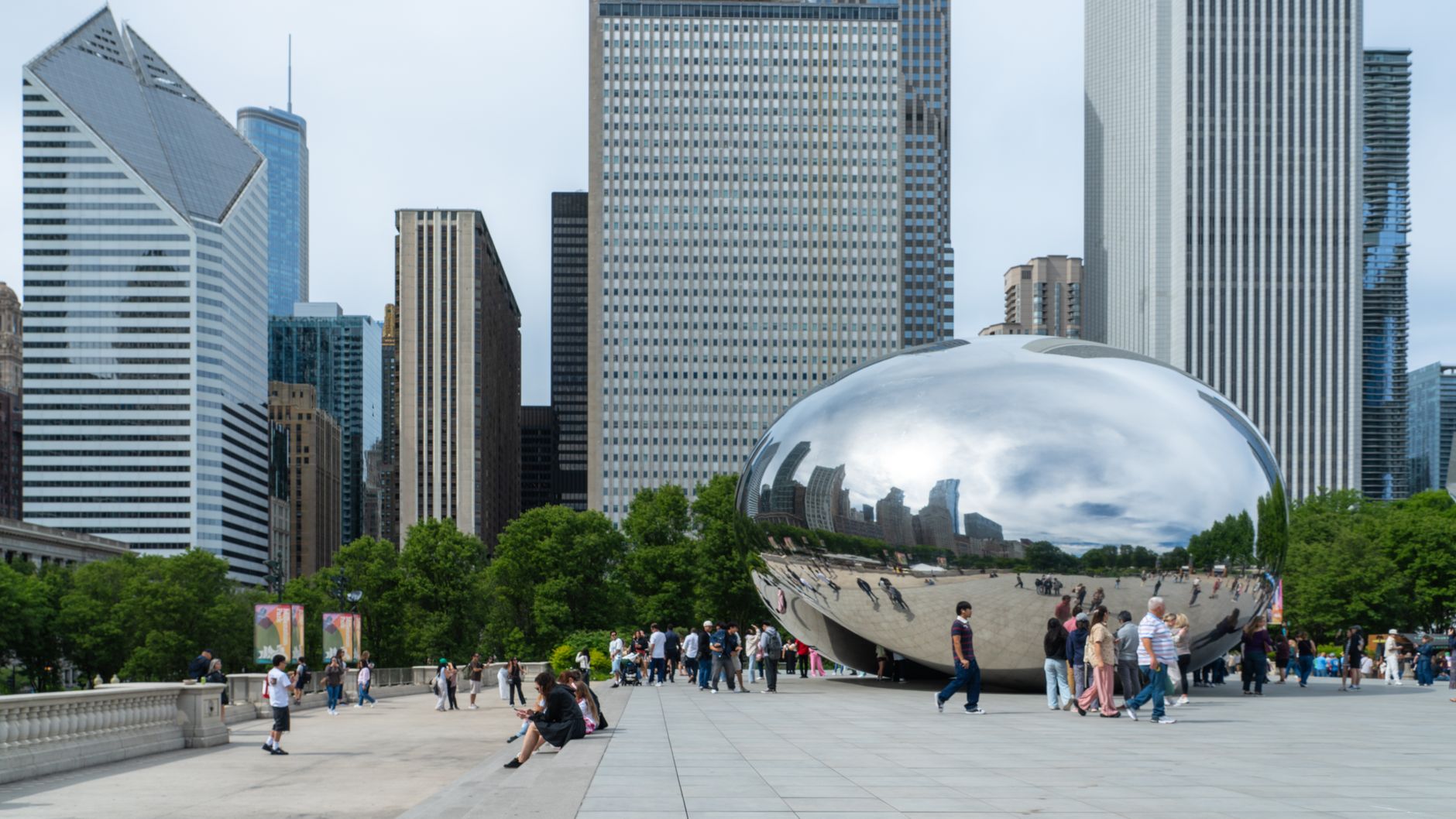
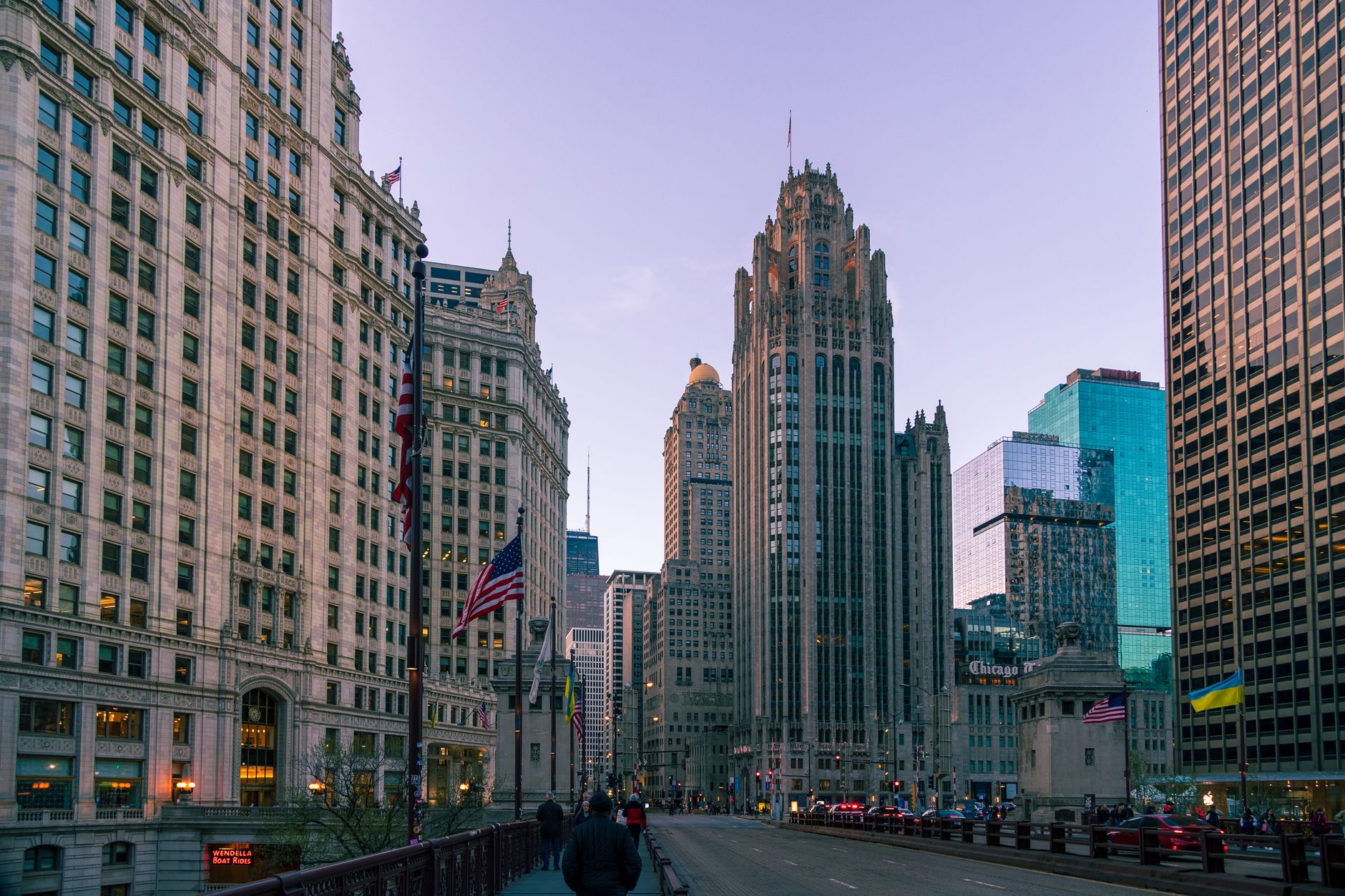
Chicago has a way of making itself legible from the first hour. The grid is honest, the lakefront is free, and the architecture announces itself without apology — iron skeletons wrapped in terra cotta, cylindrical towers rising from the river like something dreamed by an engineer with a sense of humor. This is a city that burned to the ground in 1871 and rebuilt itself into one of the most consequential urban landscapes on earth.
It sits at the southern tip of Lake Michigan, which means the water is always there — a horizon that keeps the city from feeling landlocked, cooling the eastern neighborhoods in summer and delivering a particular kind of cold in February that residents accept with grim pride.
Popular cities in Chicago, Illinois, USA
💛 What travellers fall for
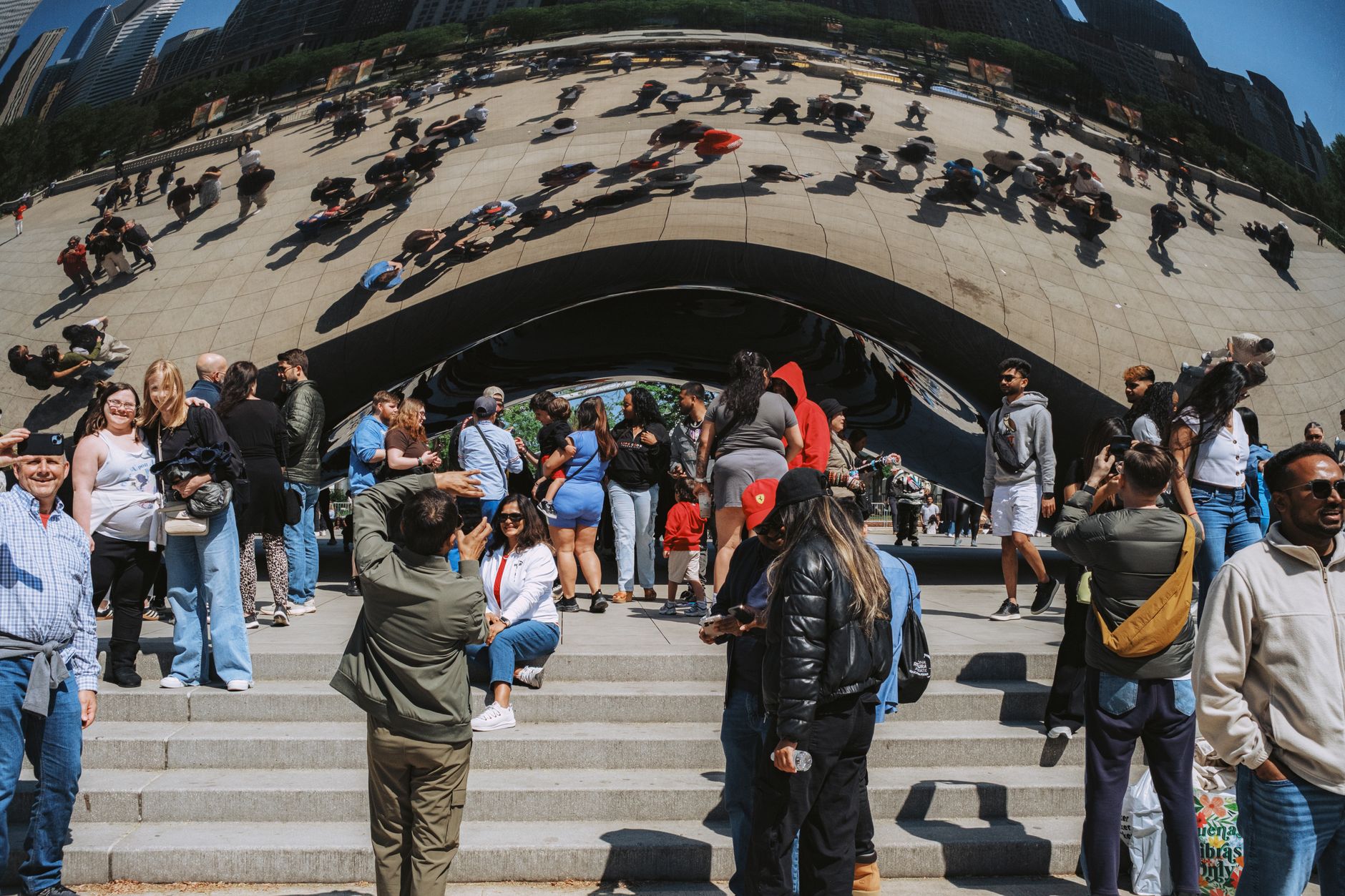
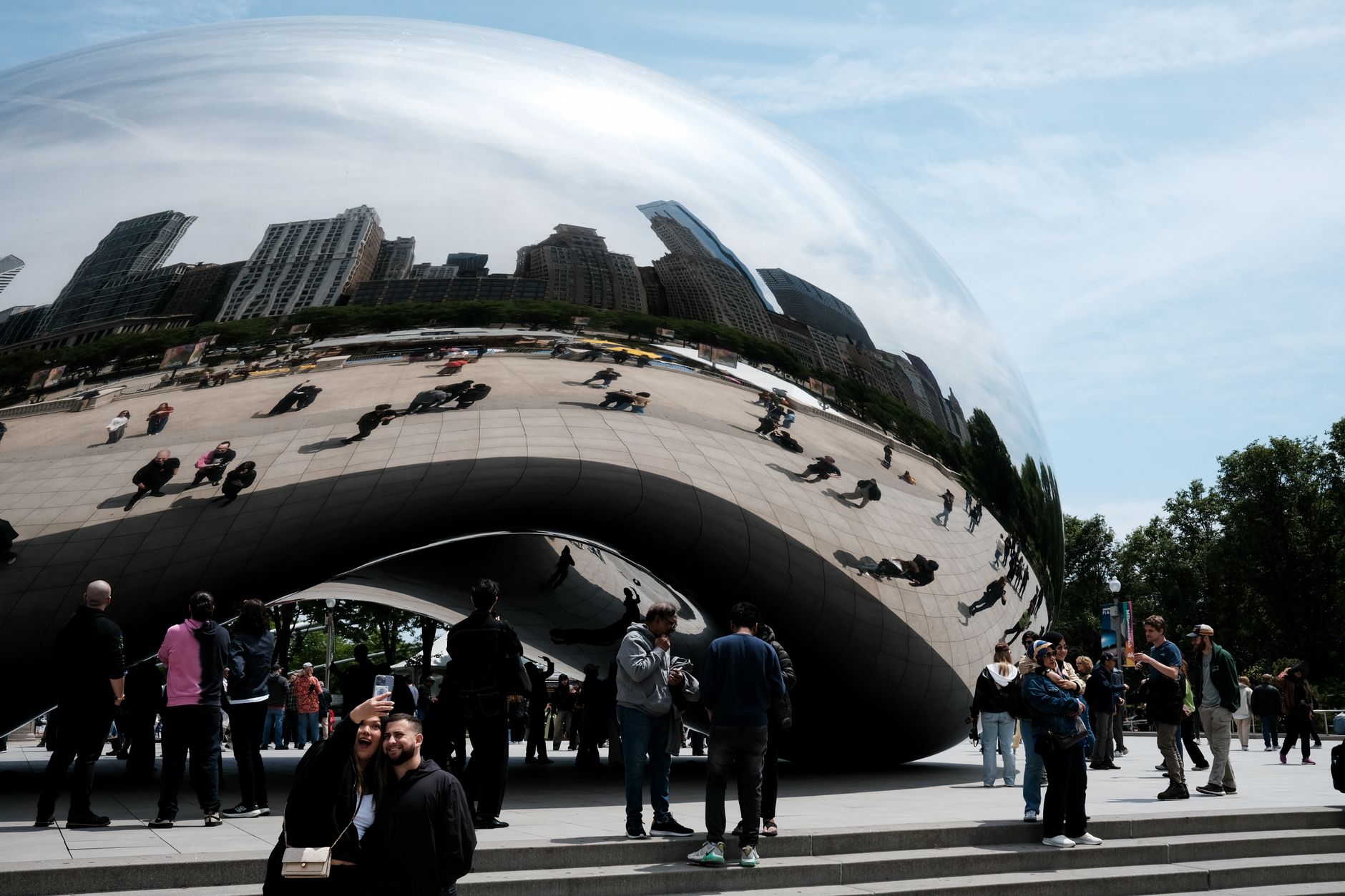
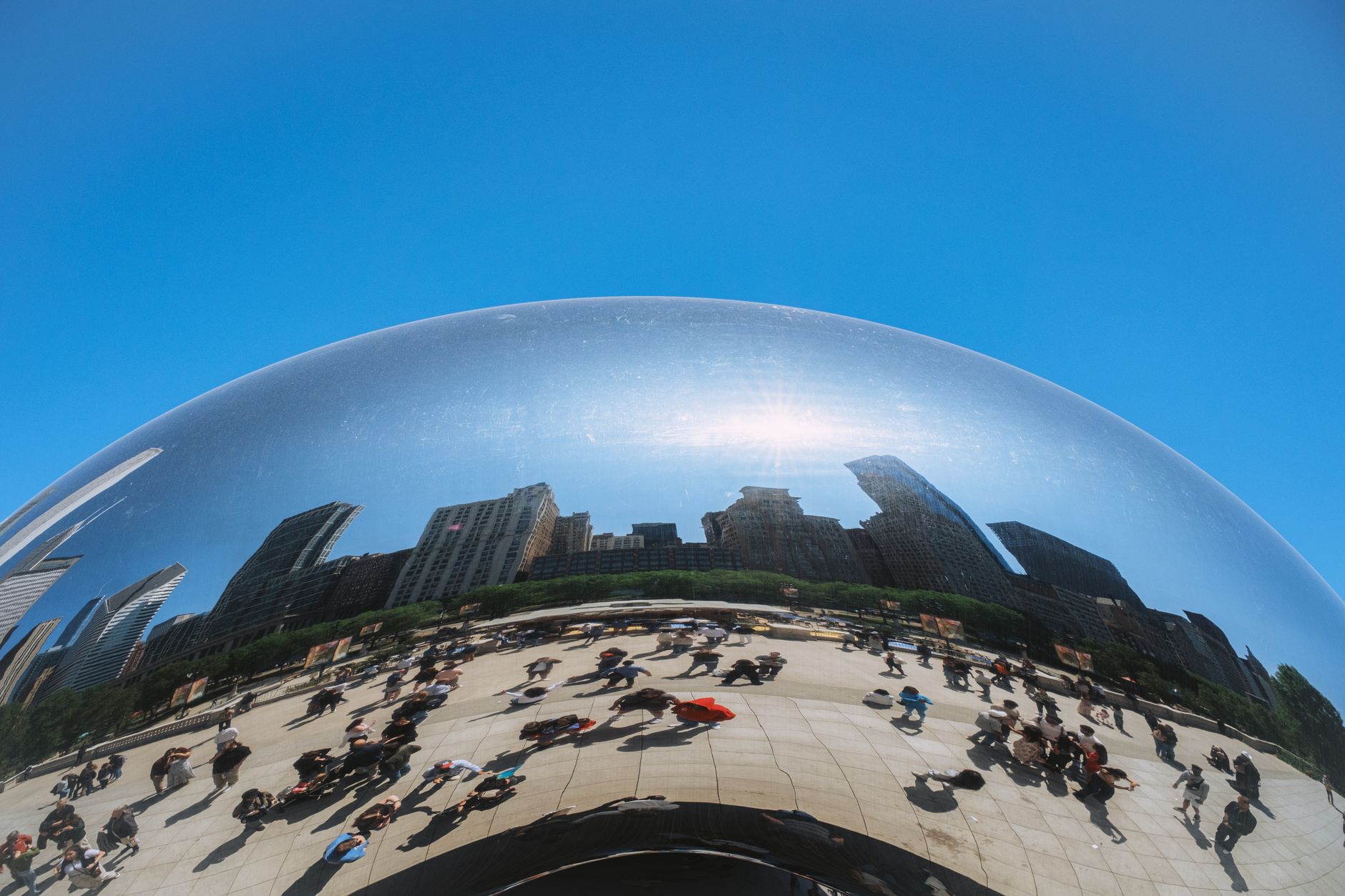
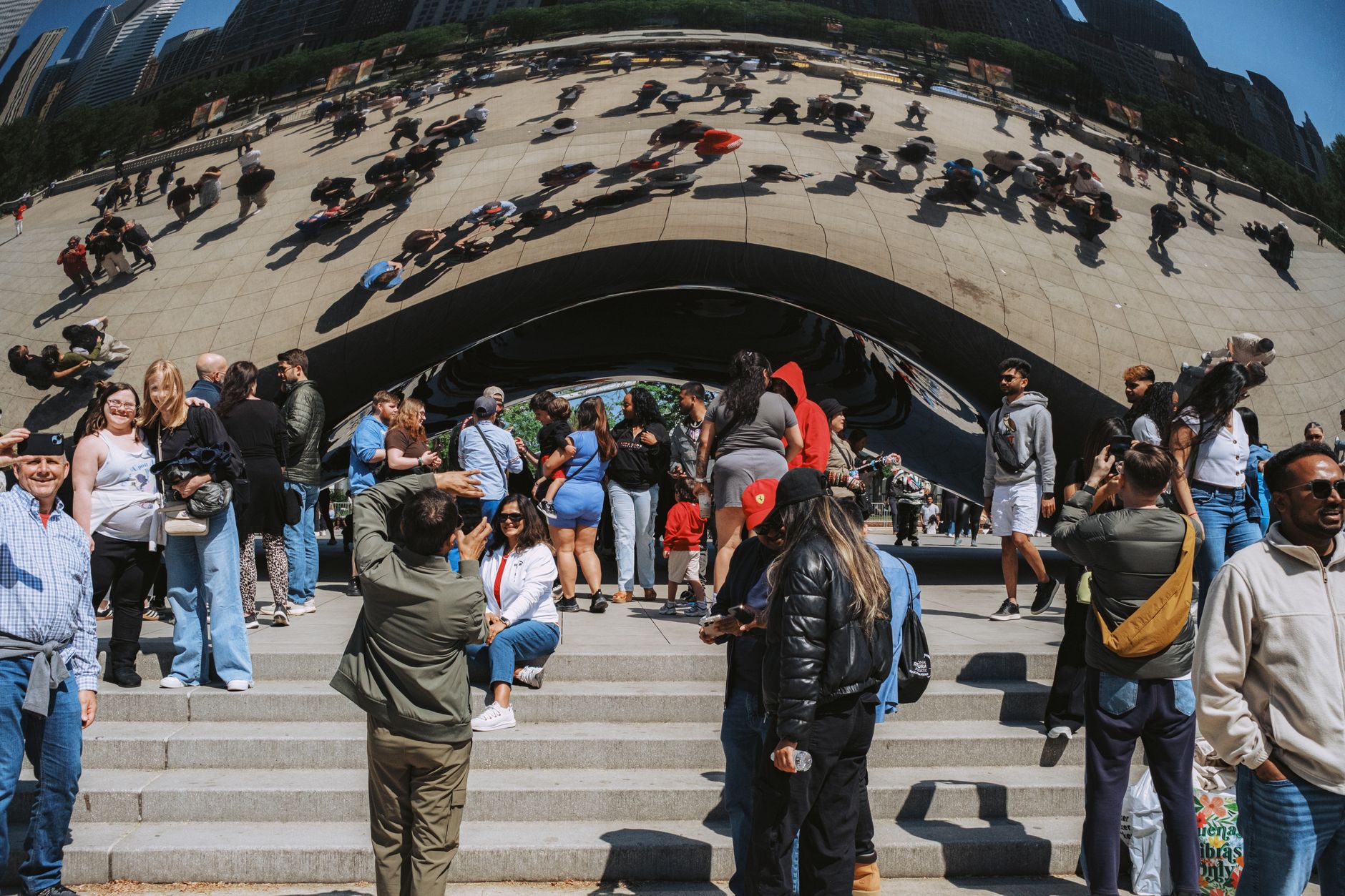
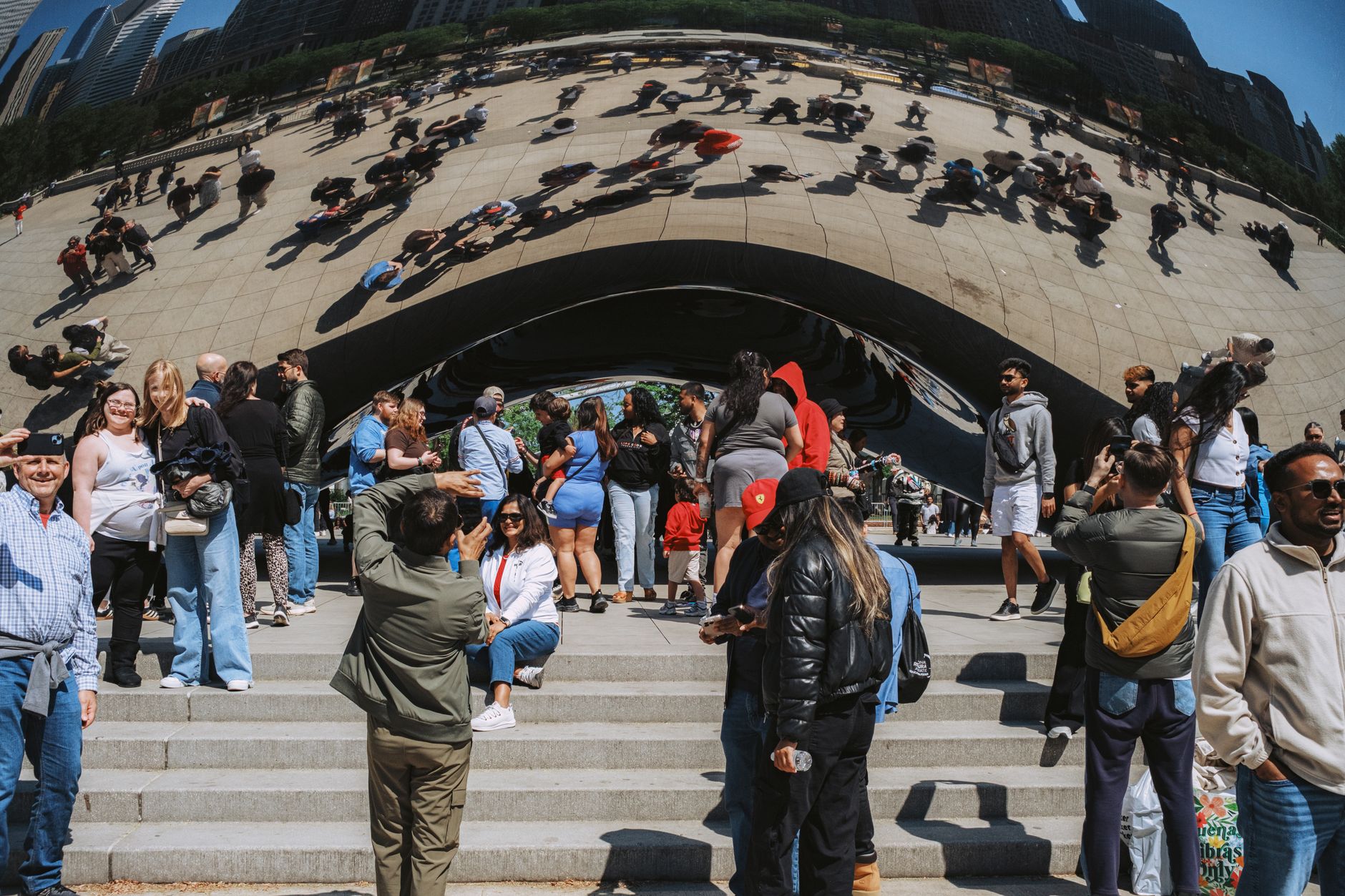
People who keep coming back tend to anchor themselves to the Loop on foot before anything else. The Chicago Cultural Center on Michigan Avenue costs nothing to enter and its Tiffany glass domes alone justify crossing the threshold. Millennium Park works best early morning before the crowds arrive at Anish Kapoor's Cloud Gate.
How Chicago, Illinois, USA came to be
In 1788, Jean Baptiste Point du Sable built a farm at the mouth of the Chicago River — the first non-native settler on the site. The town wasn't platted until 1830, incorporated with 350 residents in 1833, and chartered as a city in 1837. What followed was one of the fastest urban expansions in recorded history: a population of roughly 30,000 in 1850 became over one million by 1890, driven by the Illinois and Michigan Canal and the arrival of the railroad, both in 1848.
The Great Chicago Fire of October 1871 destroyed 17,450 buildings across 3.5 square miles and left more than 100,000 people homeless. The city rebuilt almost immediately, and the pressure of reconstruction accelerated architectural invention — William LeBaron Jenney's Home Insurance Building in 1885 introduced iron skeleton construction, effectively inventing the modern skyscraper.
Who and what shaped it
People who shaped it
Landmark buildings
See Chicago, Illinois, USA in motion
Plan your visit
On the map
When to go
Summers run hot and humid, with temperatures reaching into the low 90s°F and afternoon thunderstorms common — the lake keeps lakeside neighborhoods a few degrees cooler. Winters are genuinely cold, with average highs barely above freezing from December through February and around 37 inches of snow a year; spring arrives unevenly, with snow still possible into April.
Right now
↡ Cities



Background & history adapted from Wikipedia (CC BY-SA) · specs from Wikidata (CC0) · weather from Open-Meteo · map data © OpenStreetMap contributors · photos from Wikimedia Commons / Unsplash with per-image credit. No third-party reviews or social posts reproduced.