
Andersonville



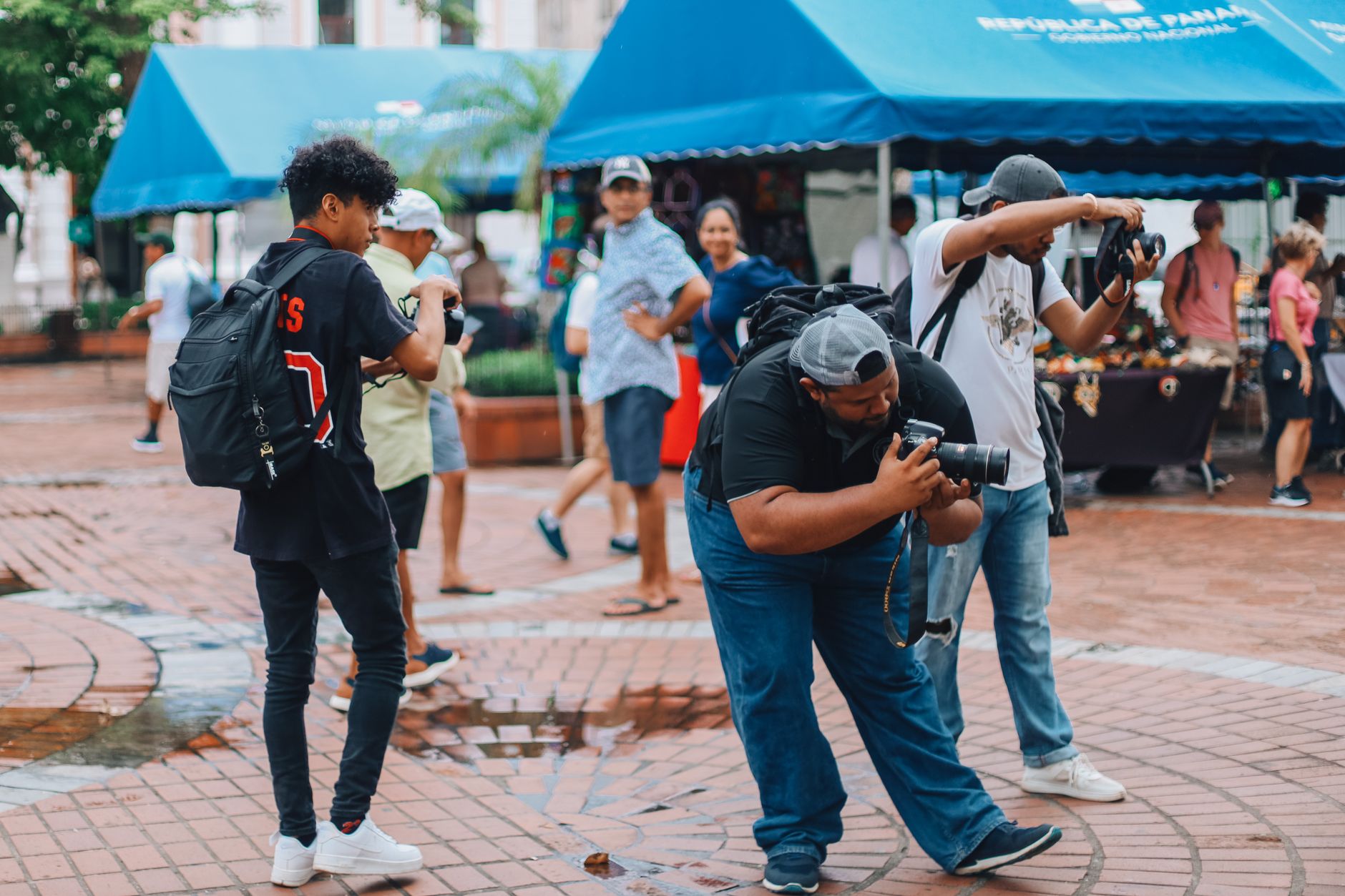

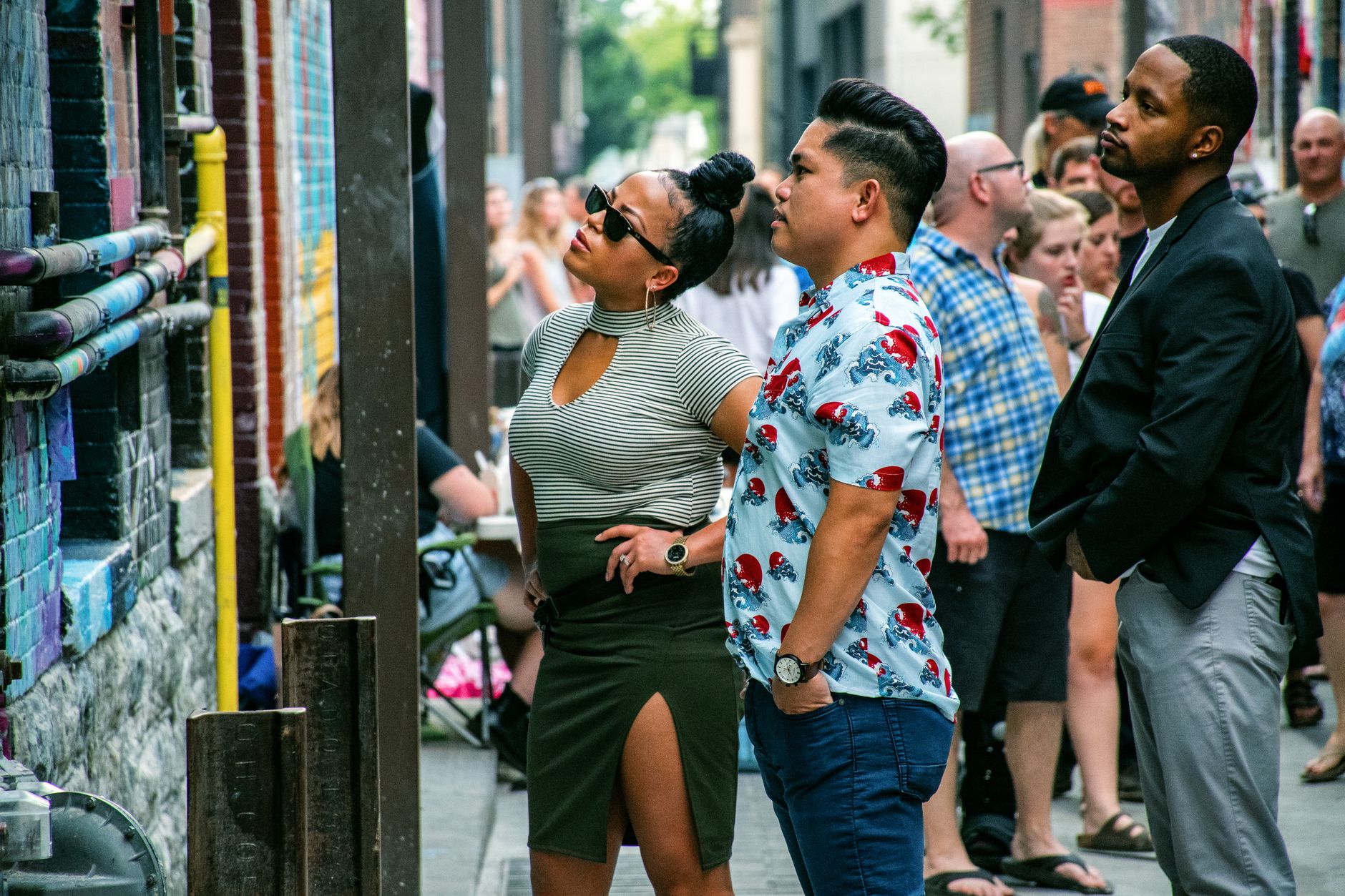
Walk north on Clark Street and you'll notice the old photos in the shop windows — black-and-white images of Swedish bakeries and shoe stores that once occupied the very buildings you're passing. Andersonville holds its own memory lightly, without making a performance of it.
The neighborhood grew out of a cherry orchard, shaped by Swedish immigrants who arrived in the 1850s and, after the Great Chicago Fire of 1871, pushed further north because they couldn't afford the brick and stone the city now required. That history left a streetscape of early 20th-century commercial architecture along a 1.5-mile corridor where more than 300 independent businesses still operate today.
💛 What travellers fall for
Regulars tend to anchor their visits to two fixed points: Simon's Tavern, open since 1934 and unchanged in the best possible ways, and Women & Children First bookshop, which relocated here in 1990 and remains one of the city's most serious independent booksellers. Everything else — the museum, the church, the walk itself — radiates out from those two.
Experiences you don't want to miss


Deals in Andersonville
Book directly at the provider

How Andersonville came to be
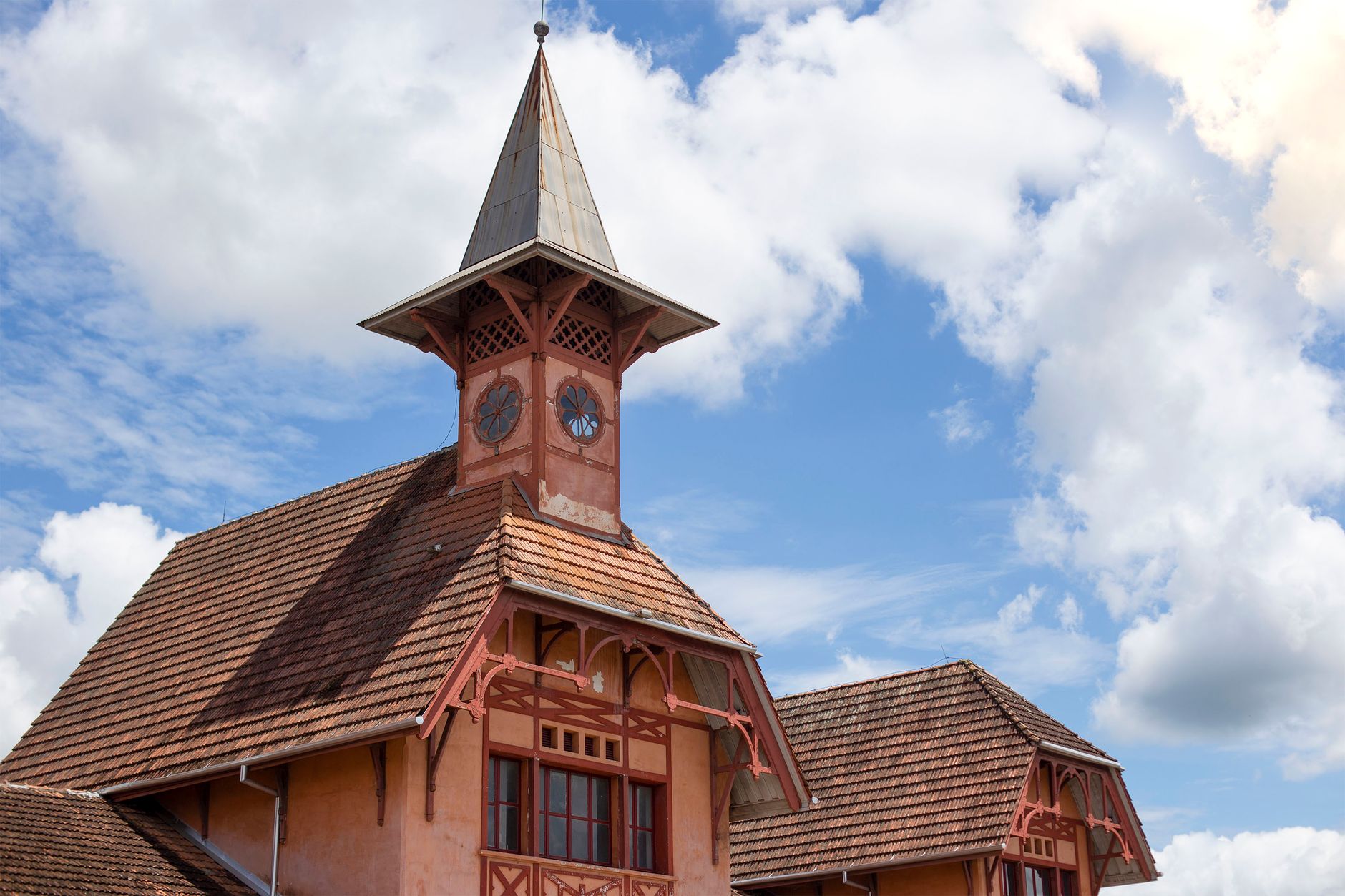
John Anderson acquired land south of Foster and west of Ashland in the late 1840s, and by 1850 people were already calling the area Andersonville. Swedish immigrants settled here through the second half of the 19th century, and by 1900 an estimated 150,000 people of Swedish descent lived in Chicago — a community second in size only to Stockholm itself. The neighborhood's 19th-century housing stock owes its existence partly to disaster: the Great Chicago Fire of 1871 banned wooden construction inside the city, pushing working-class Swedish families who couldn't afford masonry further north, where they built the homes that still line the side streets.
The Swedish American Museum, founded in 1976 by immigrant Kurt Mathiasson, opened with a ceremony attended by King Carl XVI of Sweden and now occupies the former Lind Hardware store. Its rooftop replica water tower, painted in Swedish blue and yellow, was damaged in the winter of 2014 and replaced with a lookalike in 2017. The Andersonville Commercial Historic District — running from 4800 to 5800 North Clark — was added to the National Register of Historic Places in 2010.
Who and what shaped it
People who shaped it
Landmark buildings
See Andersonville in motion
Plan your visit
On the map
When to go
Chicago winters are genuinely cold, with temperatures regularly falling below freezing from December through February — fine for the museum and Simon's Tavern, less so for lingering on Clark Street. Summer is warm and lively, and mid-June brings Midsommarfest to the street; spring and early fall offer the most comfortable conditions for walking the corridor end to end.
Right now
Background & history adapted from Wikipedia (CC BY-SA) · specs from Wikidata (CC0) · weather from Open-Meteo · map data © OpenStreetMap contributors · photos from Wikimedia Commons / Unsplash with per-image credit. No third-party reviews or social posts reproduced.