
Pilsen
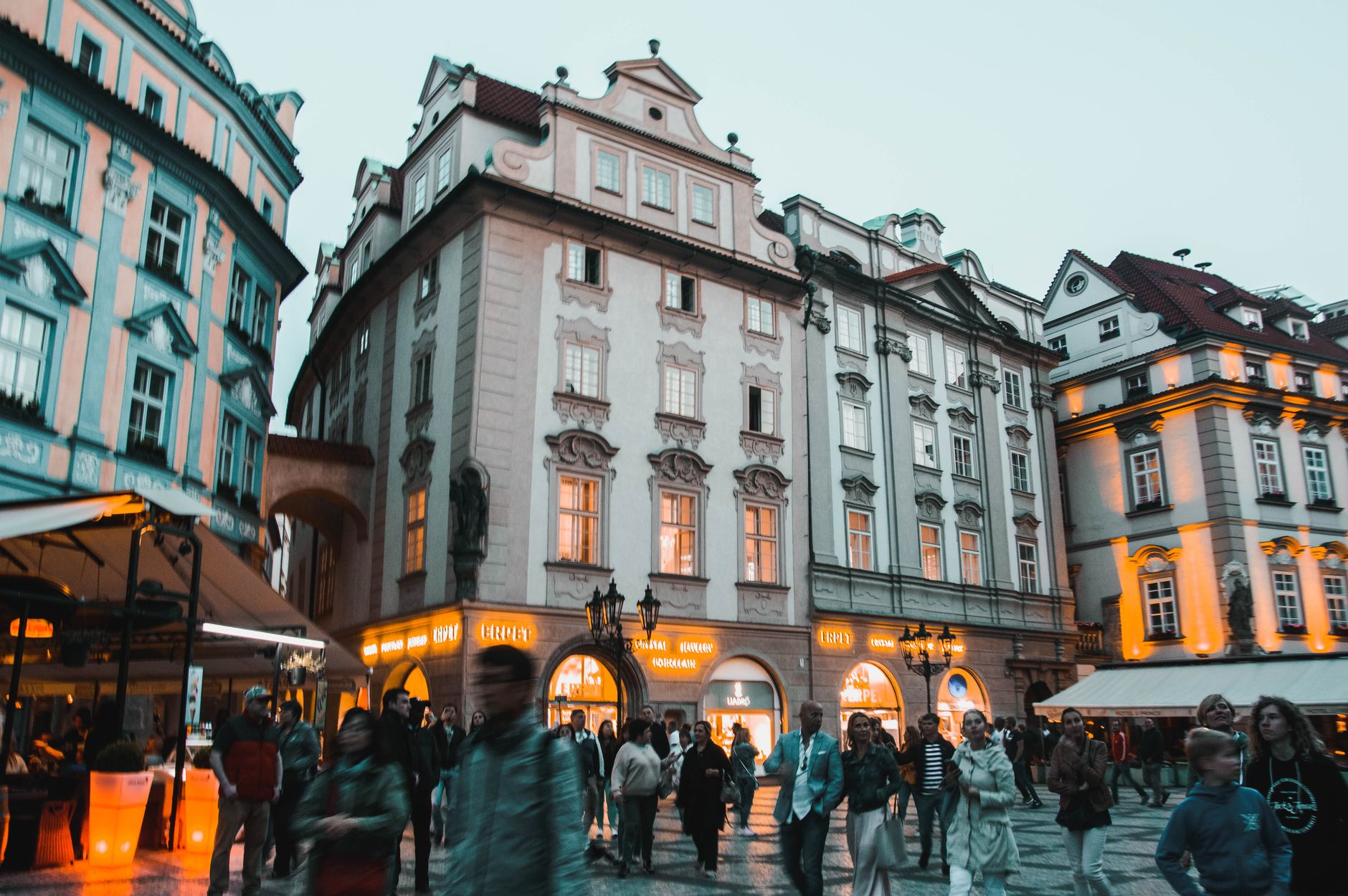
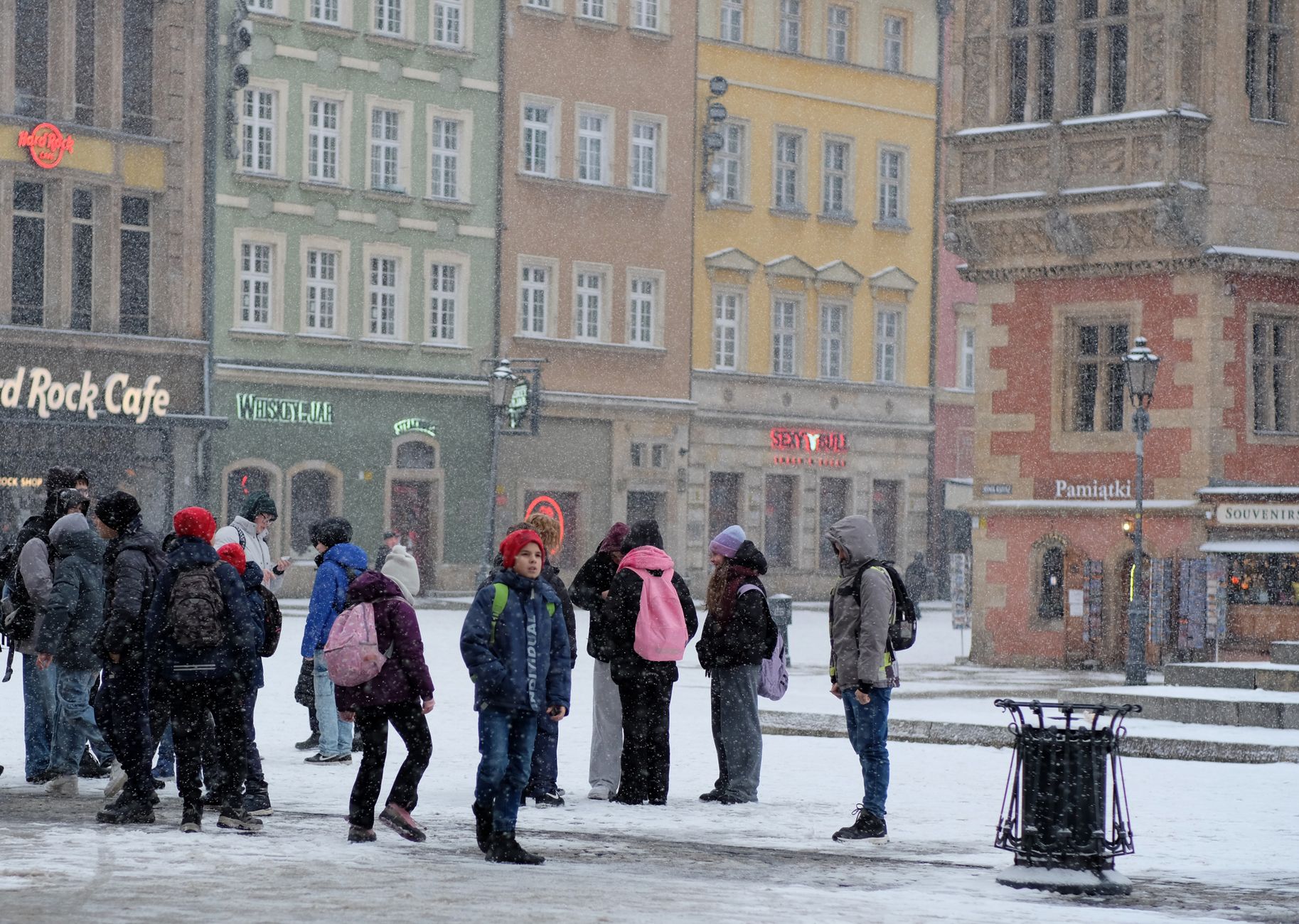
Walk west from the 18th Street Pink Line stop and the first thing that registers is scale — not of buildings, but of paint. Walls three stories tall carry portraits, histories, and arguments in color that no gallery commission could have produced. This is Pilsen, a Southwest Side neighborhood where Czech immigrants once named streets after the old country, and where Mexican-American families remade the place so thoroughly that by 2003 it was 93% Mexican-American.
Today 18th Street functions much as it did in the 1890s when Bohemian merchants first called it their main street — a corridor of bakeries, taquerias, record shops, and the occasional vintage clothing rail. The National Museum of Mexican Art anchors the east end, free to enter, worth an hour or three.
💛 What travellers fall for
People who keep coming back tend to do so on a weekend morning, before the lunch crowd fills the taquerias on 18th. They'll point you toward Thalia Hall — the 1892 building modeled after the Prague Opera House — whether there's a show on or not, because the bones of the room are worth seeing in daylight too.
Deals in Pilsen
Book directly at the provider


How Pilsen came to be
Pilsen was formally laid out in 1878, settled by Czech immigrants who named it after Plzeň, and it survived the 1871 Great Chicago Fire largely intact — which is why so much Italianate and Romanesque brickwork still lines its streets. By 1903 the Pilsen Brewing Company was operating, and the Schoenhofen Brewing Company was producing 1.2 million barrels of beer annually by 1910. The neighborhood's European working-class character held through the 1930s, when Czechs, Croatians, Poles, and Slovaks still dominated its blocks.
The demographic pivot came in the early 1960s, when the construction of the University of Illinois at Chicago displaced Mexican-American families from the Near West Side and pushed many into Pilsen. By 1970 Latinos outnumbered the Slavic population. In 1968, art student Mario Castillo painted the first mural on Halsted; by the 1970s the walls were a running conversation about identity and resistance. In 1982, Carlos Tortolero and community arts educators founded what would become the National Museum of Mexican Art, which opened in 1987. In 2006, the neighborhood was added to the National Register of Historic Places.
Who and what shaped it
People who shaped it
Landmark buildings
See Pilsen in motion
Plan your visit
On the map
When to go
Chicago winters are genuinely cold — temperatures below freezing from December through February, with wind that comes off the lake and finds every gap in your coat. Spring and fall are the most forgiving seasons for walking the murals; summers are warm and lively but can push into humid heat.
Right now
Background & history adapted from Wikipedia (CC BY-SA) · specs from Wikidata (CC0) · weather from Open-Meteo · map data © OpenStreetMap contributors · photos from Wikimedia Commons / Unsplash with per-image credit. No third-party reviews or social posts reproduced.