
Millennium Park
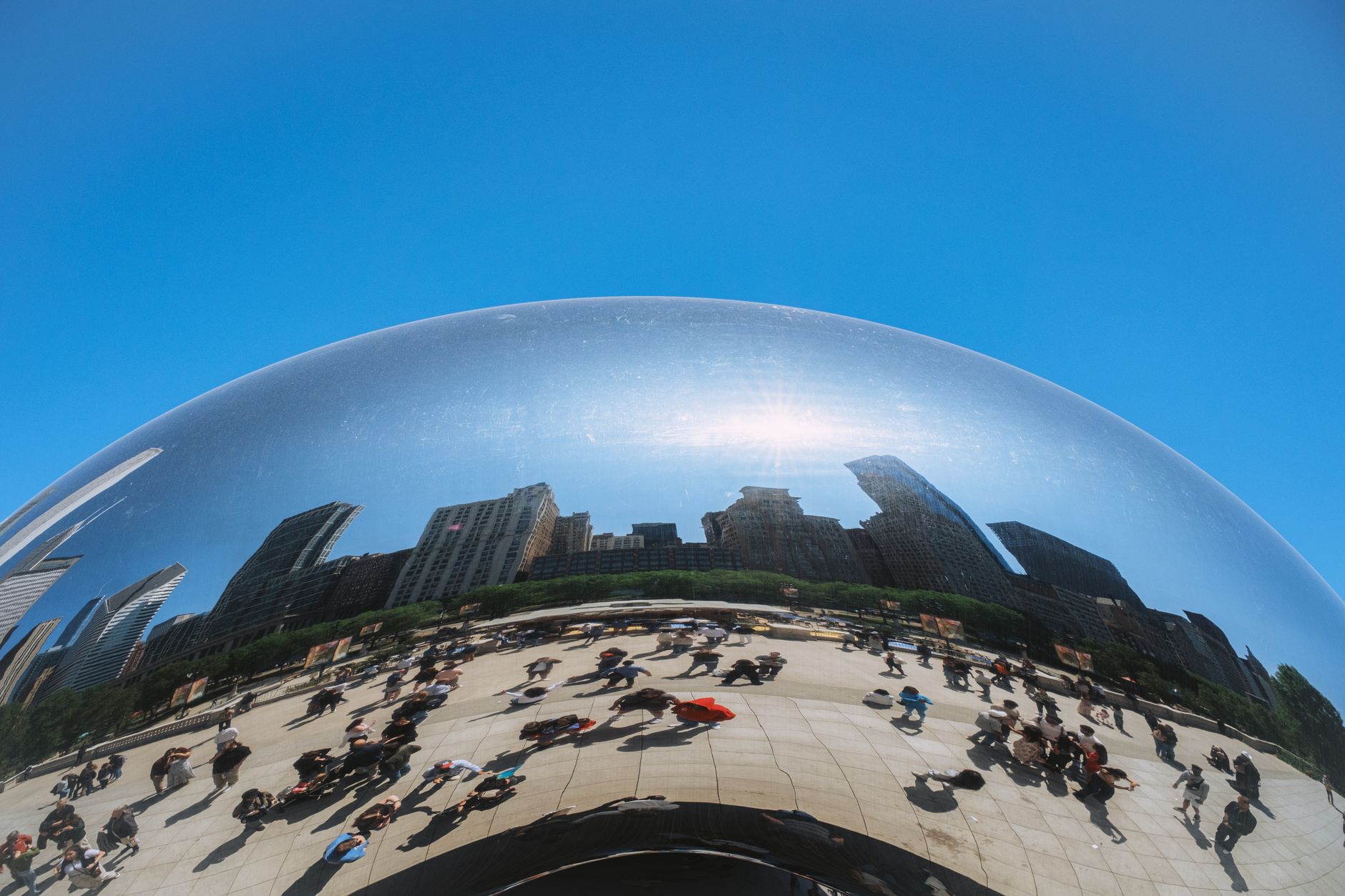
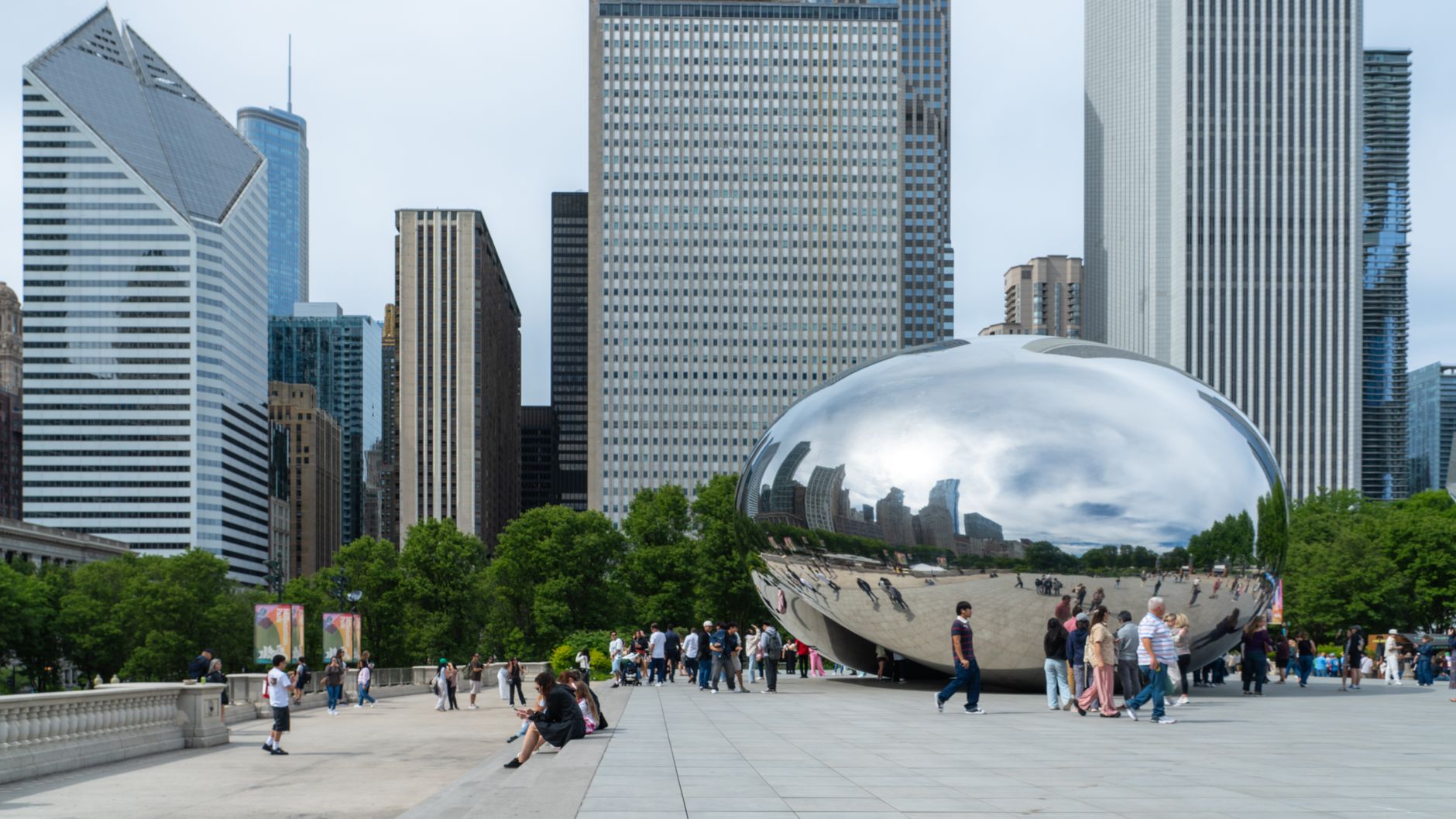
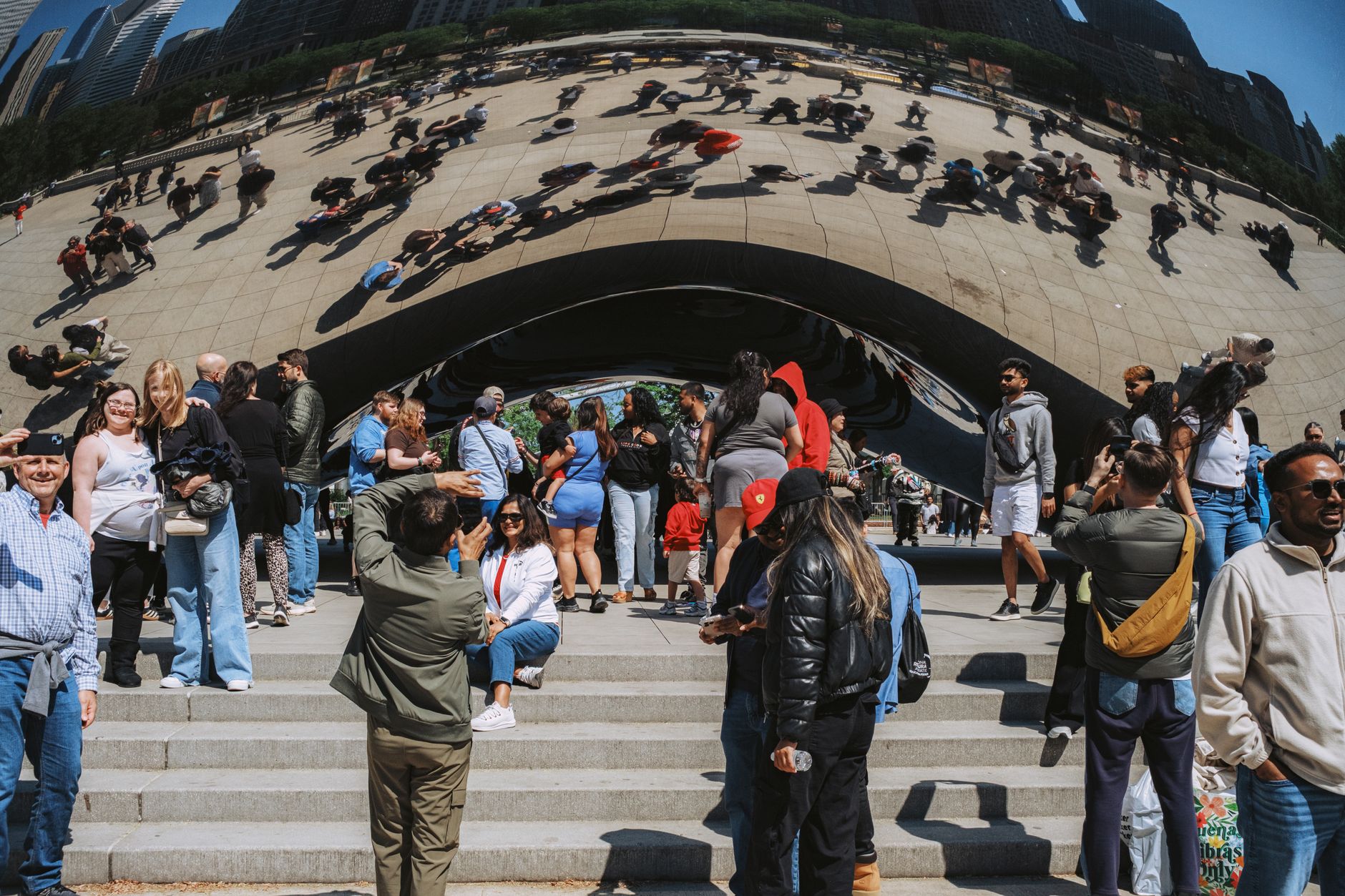
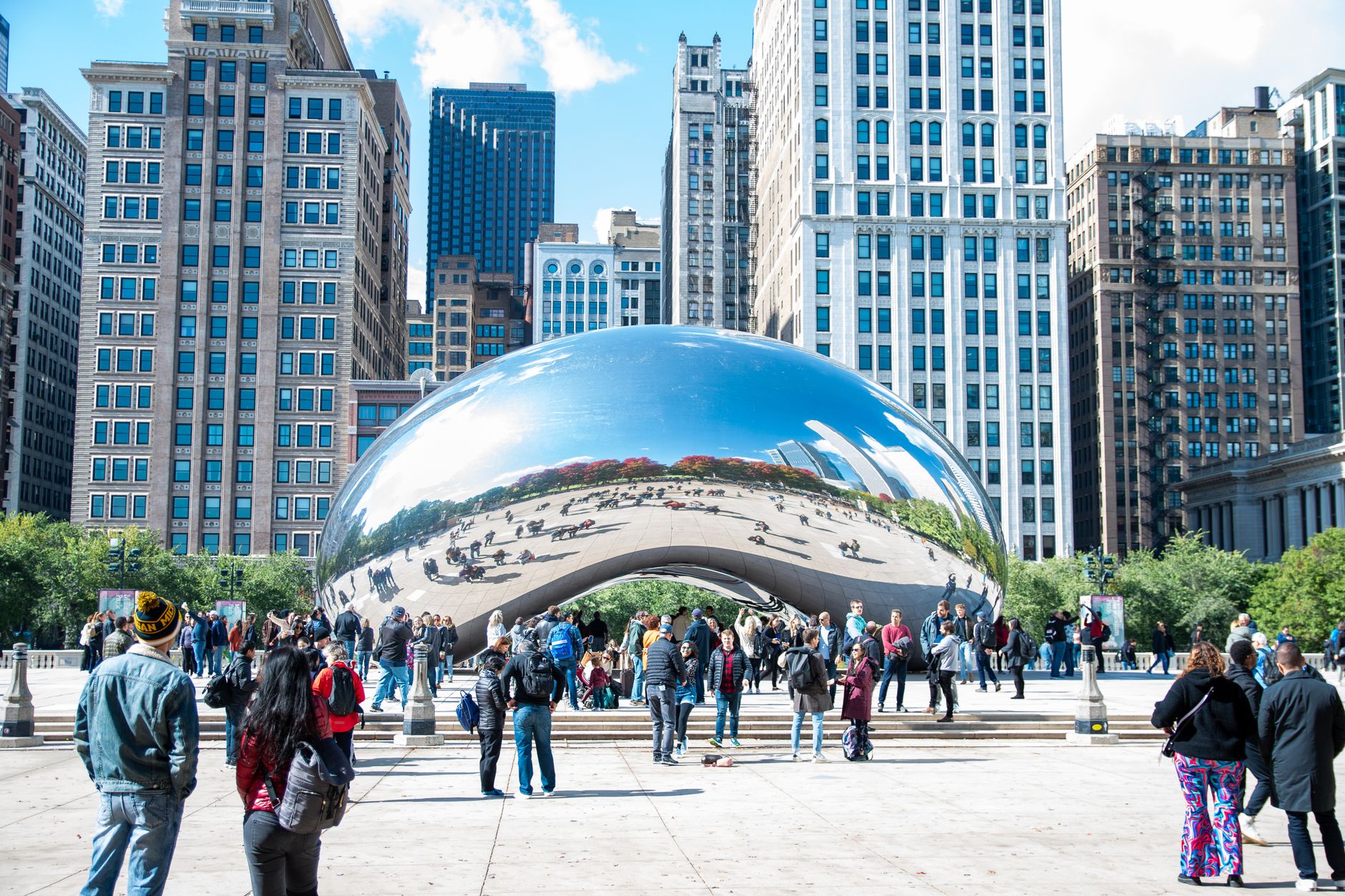
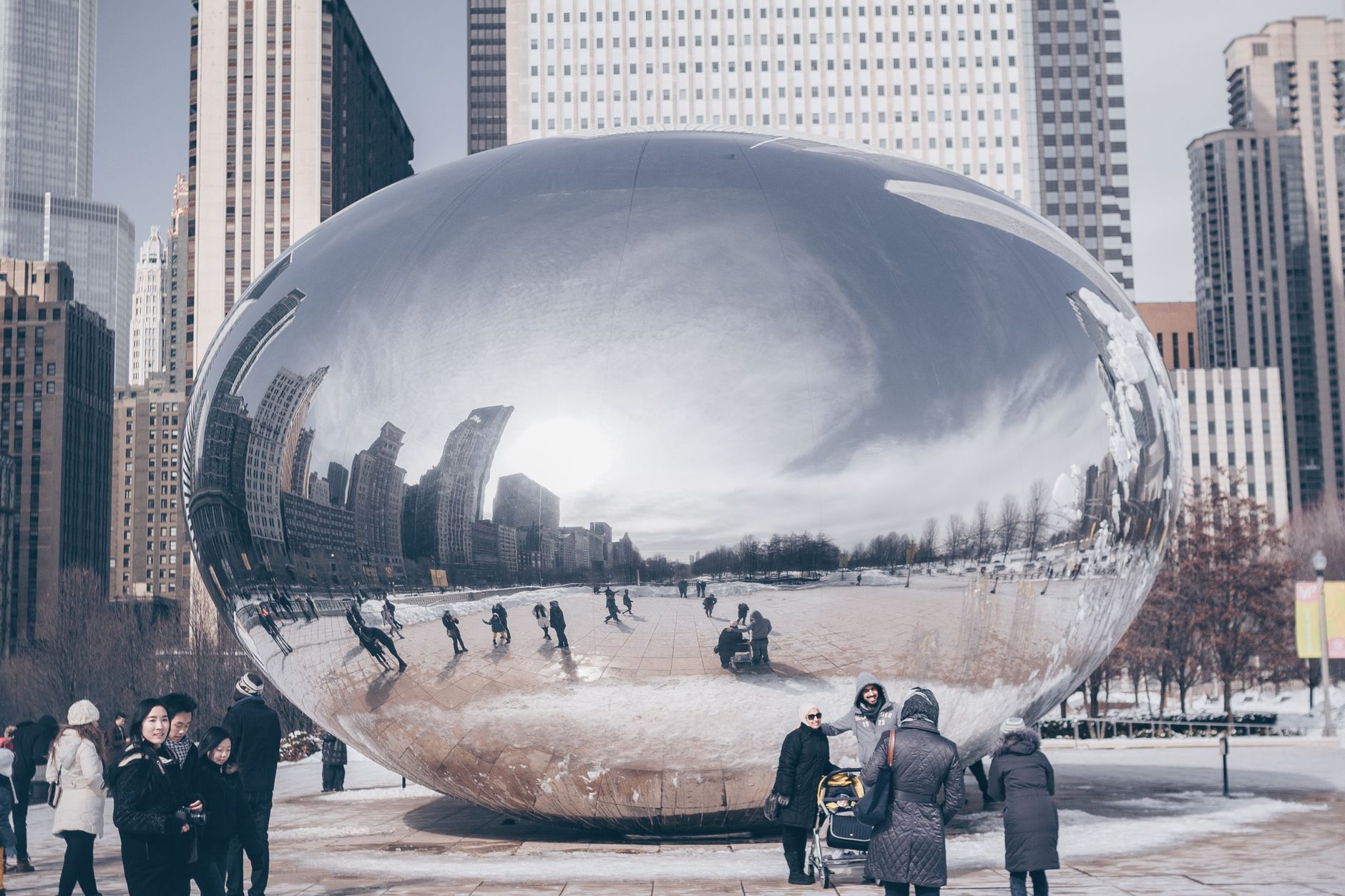
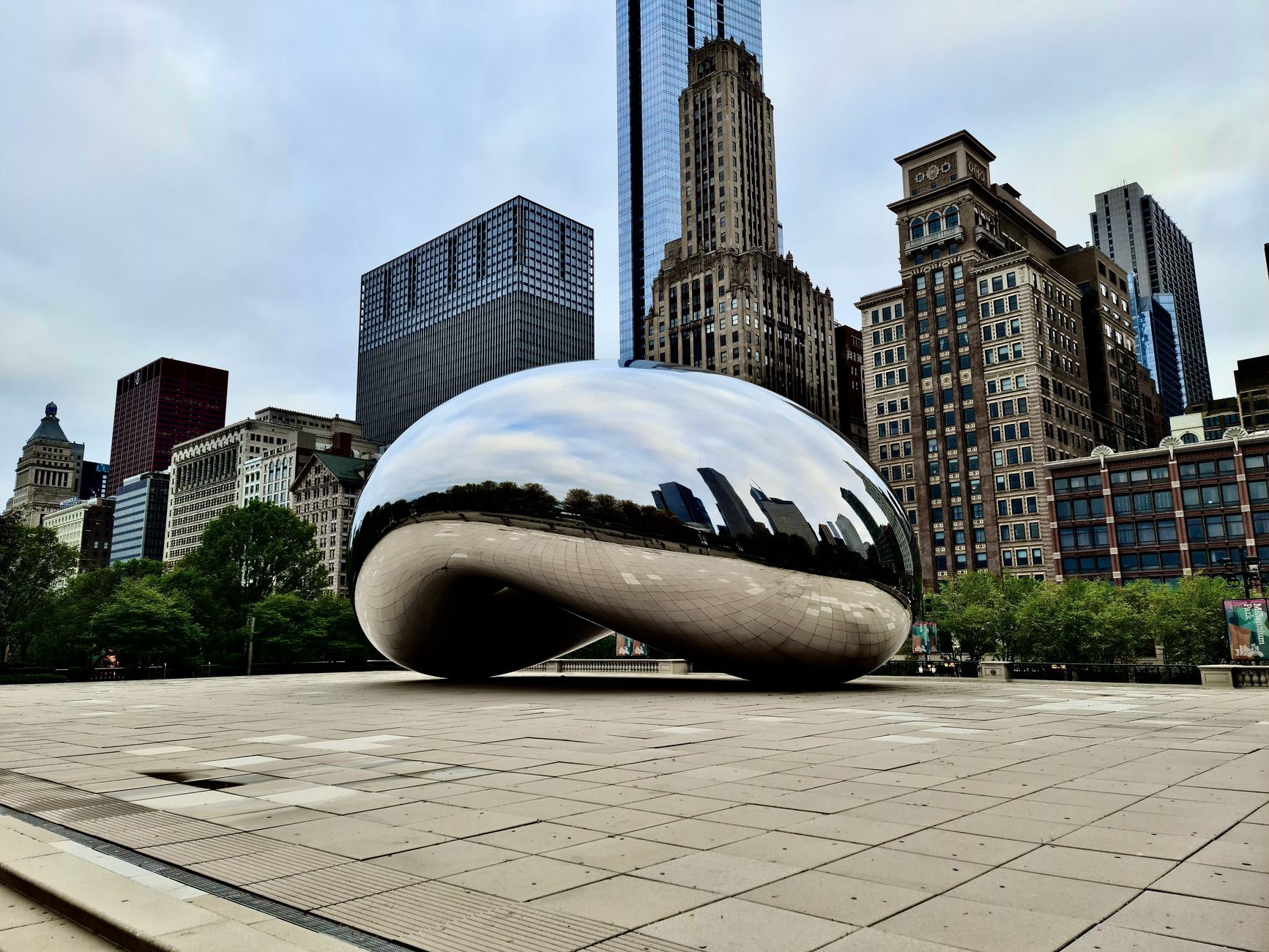
On a clear afternoon, Cloud Gate catches the Chicago skyline and folds it back on itself — you walk up to a 110-ton mirror made of 168 stainless steel plates and find yourself in the reflection, small and grinning. That sculpture alone draws millions, but Millennium Park earns the repeat visit. Across 24.5 acres of former Illinois Central Railroad land on the northwest edge of Grant Park, you get Frank Gehry's stainless steel bandshell, Jaume Plensa's twin towers cycling through a thousand Chicagoans' faces, and a three-and-a-half-acre garden rooted in Midwestern ecosystems. Admission is free, every day.
💛 What travellers fall for
Regulars will tell you: come back in November when the McCormick Tribune Ice Rink opens directly in front of the Bean, and the crowds thin to people who actually skate. Walk the BP Bridge — Gehry's serpentine pedestrian span — for the skyline angle most visitors miss entirely. Then cross the Nichols Bridgeway straight into the Art Institute's Modern Wing.
Deals in Millennium Park
Book directly at the provider

How Millennium Park came to be
The land under Millennium Park belonged to the Illinois Central Railroad until the city filed suit in 1996, invoking an 1852 clause that tied the property to rail use — once the railroad no longer needed it, Chicago could reclaim it. A proposal followed in 1998, with a budget of roughly $160 million and a target opening for the year 2000.
Neither figure survived contact with ambition. After the first $100 million in overruns, Mayor Richard M. Daley replaced the original contractor in 2000 and recruited John Bryan, then chief executive of Sara Lee Corporation, to steady the project. Ninety-two private donors each gave $1 million or more, ultimately covering $220 million of the $490 million final cost. The park opened on July 16, 2004 — four years late, but with a Gehry pavilion, an Anish Kapoor sculpture, and a Piet Oudolf garden that no scaled-back version would have included.
Who and what shaped it
People who shaped it
Landmark buildings
See Millennium Park in motion
Plan your visit
On the map
When to go
Chicago winters are genuinely cold — the rink season from November through early February gives you a reason to visit rather than a reason to stay home. Spring and early fall are the sweet spot: mild enough to linger in Lurie Garden or on the Great Lawn without the full summer crowds. July and August bring free concerts at the Pritzker Pavilion but also heat, humidity, and peak foot traffic.
Right now
Background & history adapted from Wikipedia (CC BY-SA) · specs from Wikidata (CC0) · weather from Open-Meteo · map data © OpenStreetMap contributors · photos from Wikimedia Commons / Unsplash with per-image credit. No third-party reviews or social posts reproduced.