
Magnificent Mile
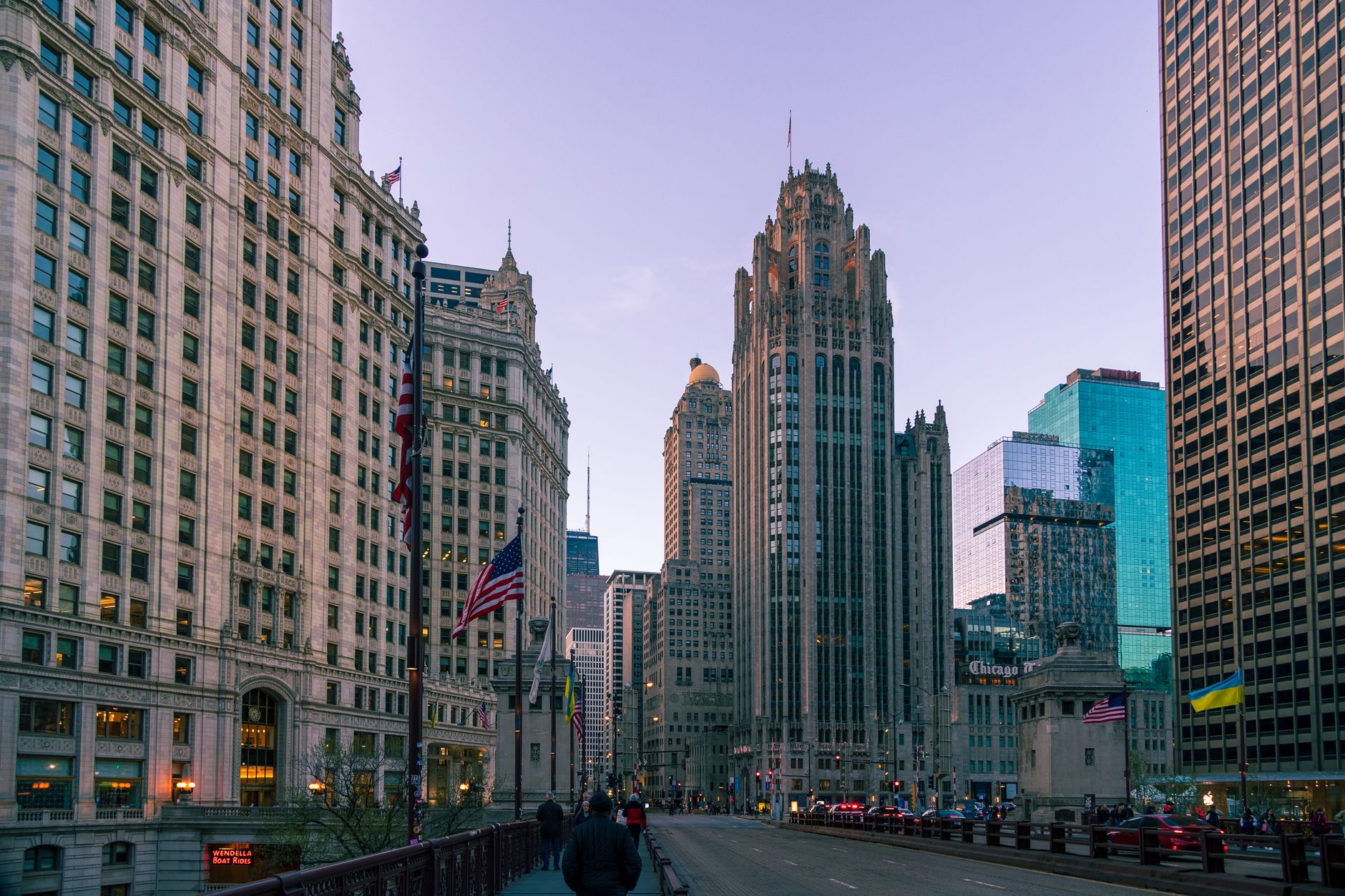
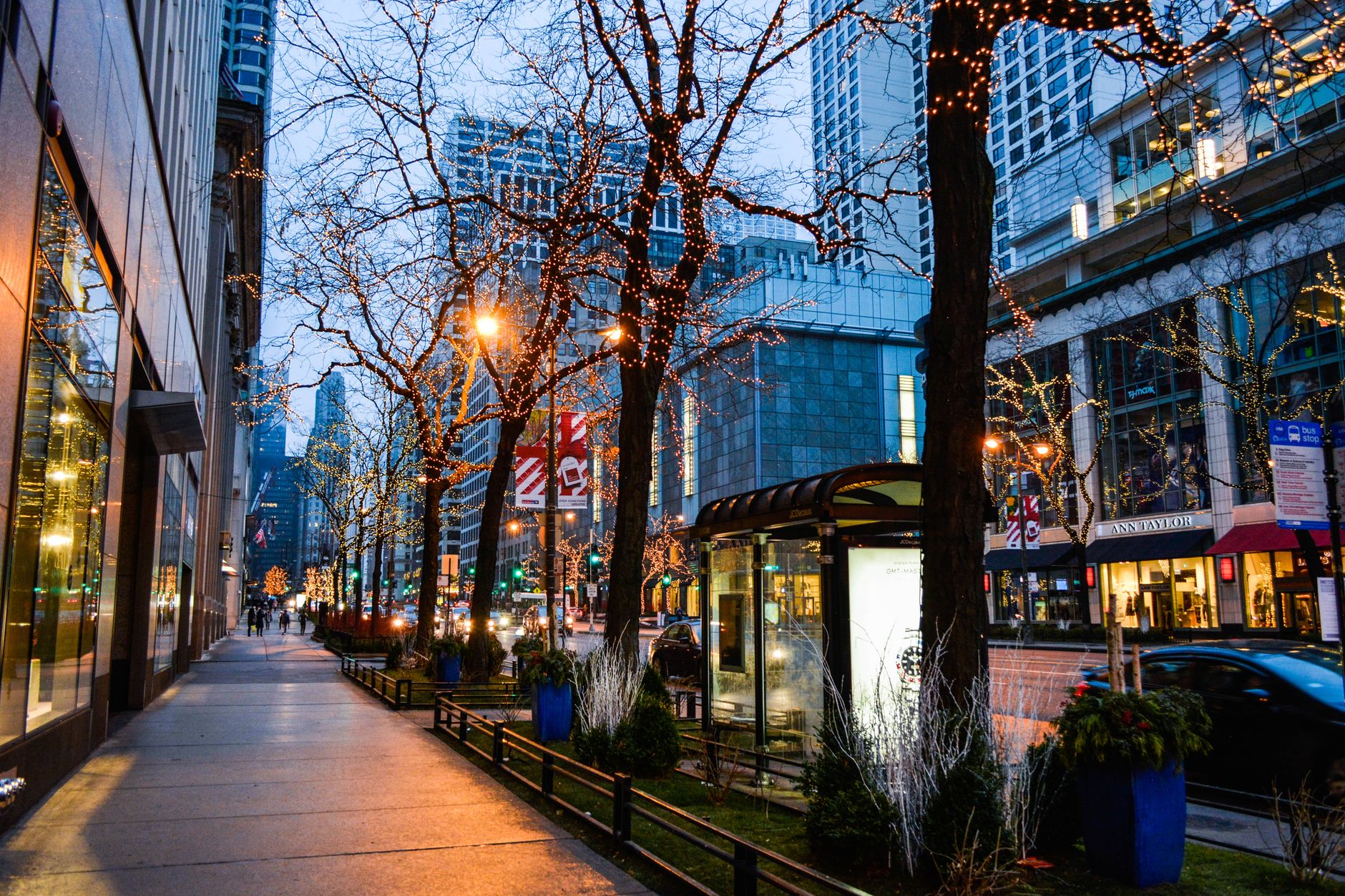
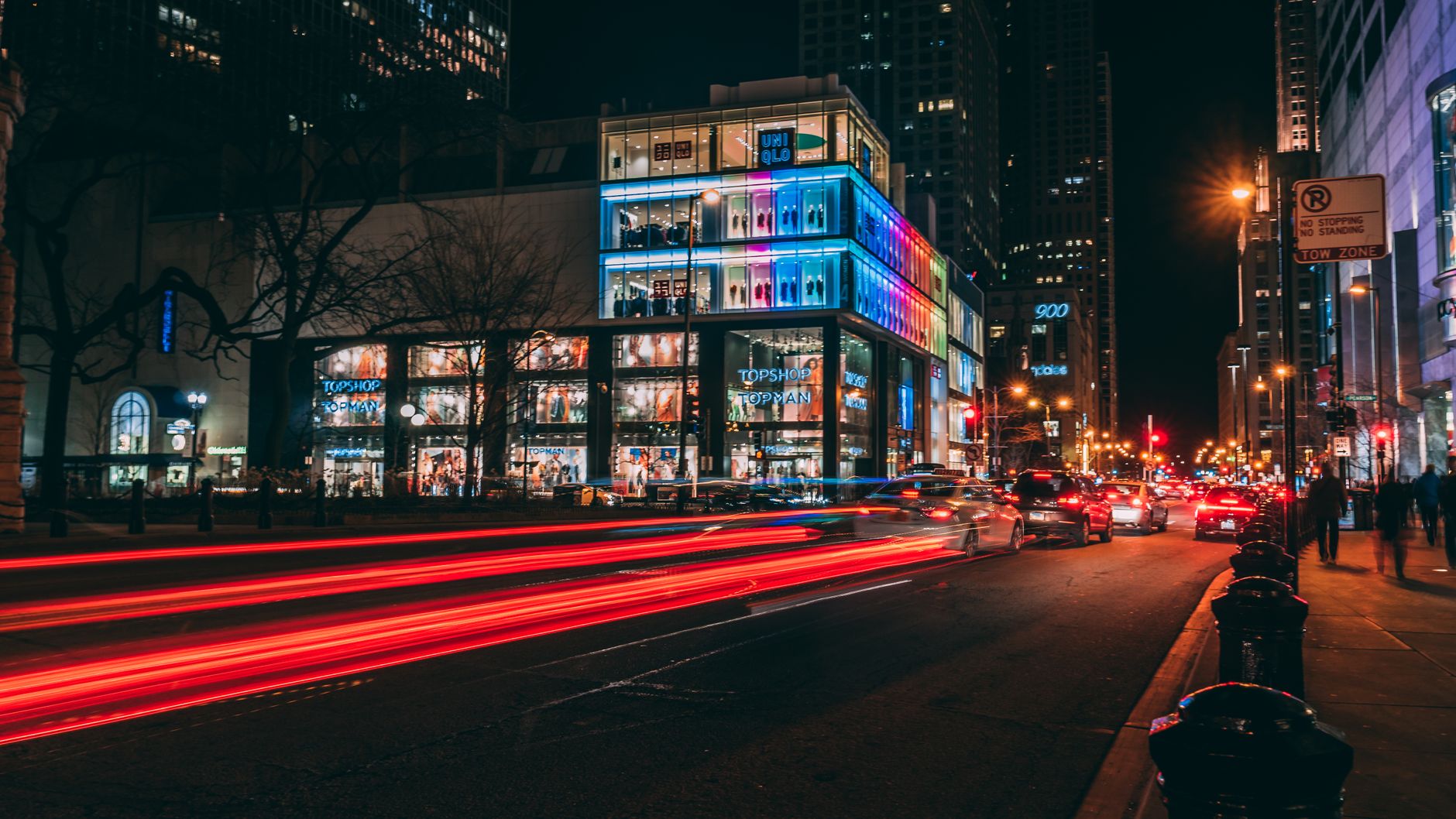
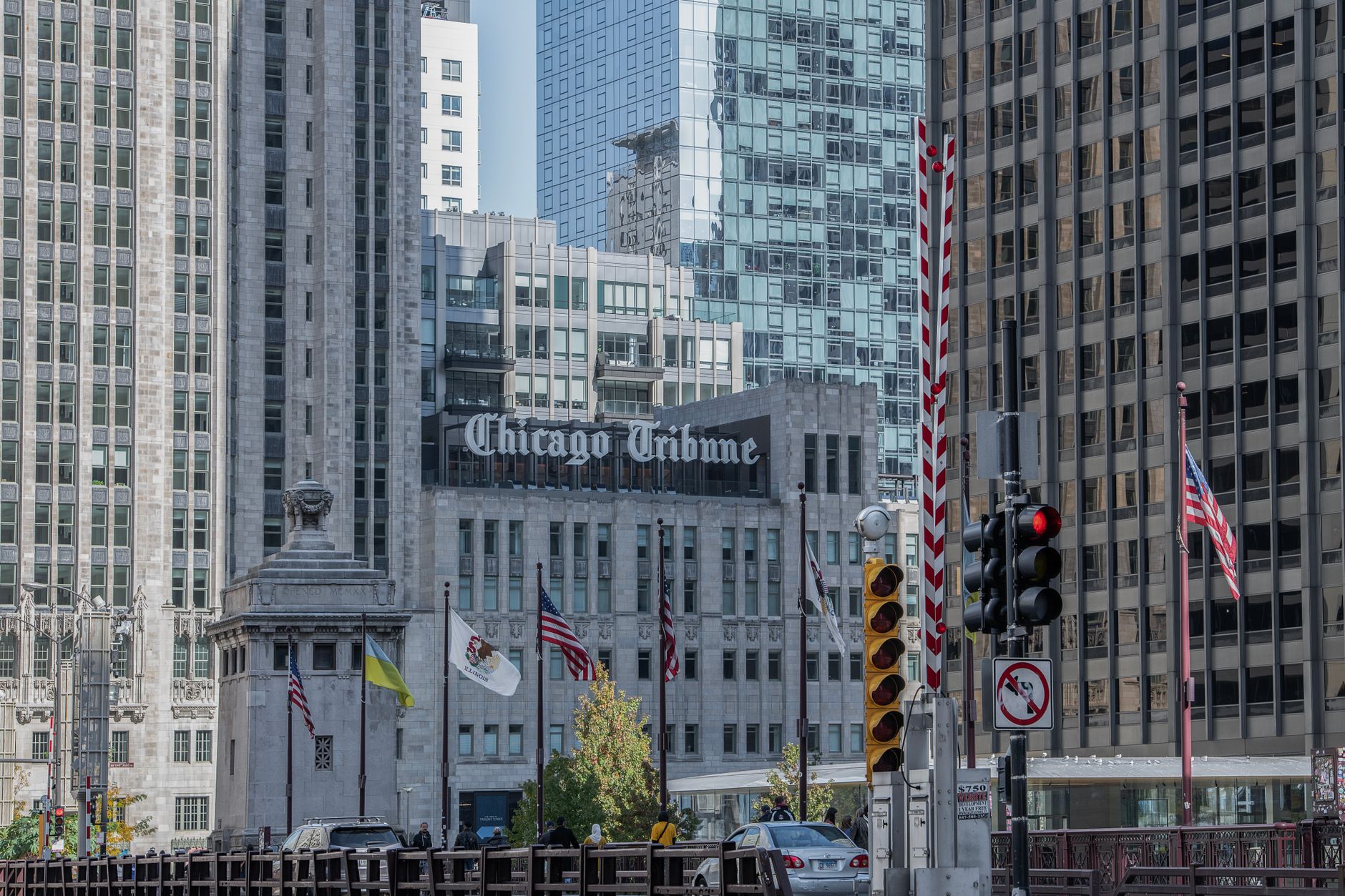
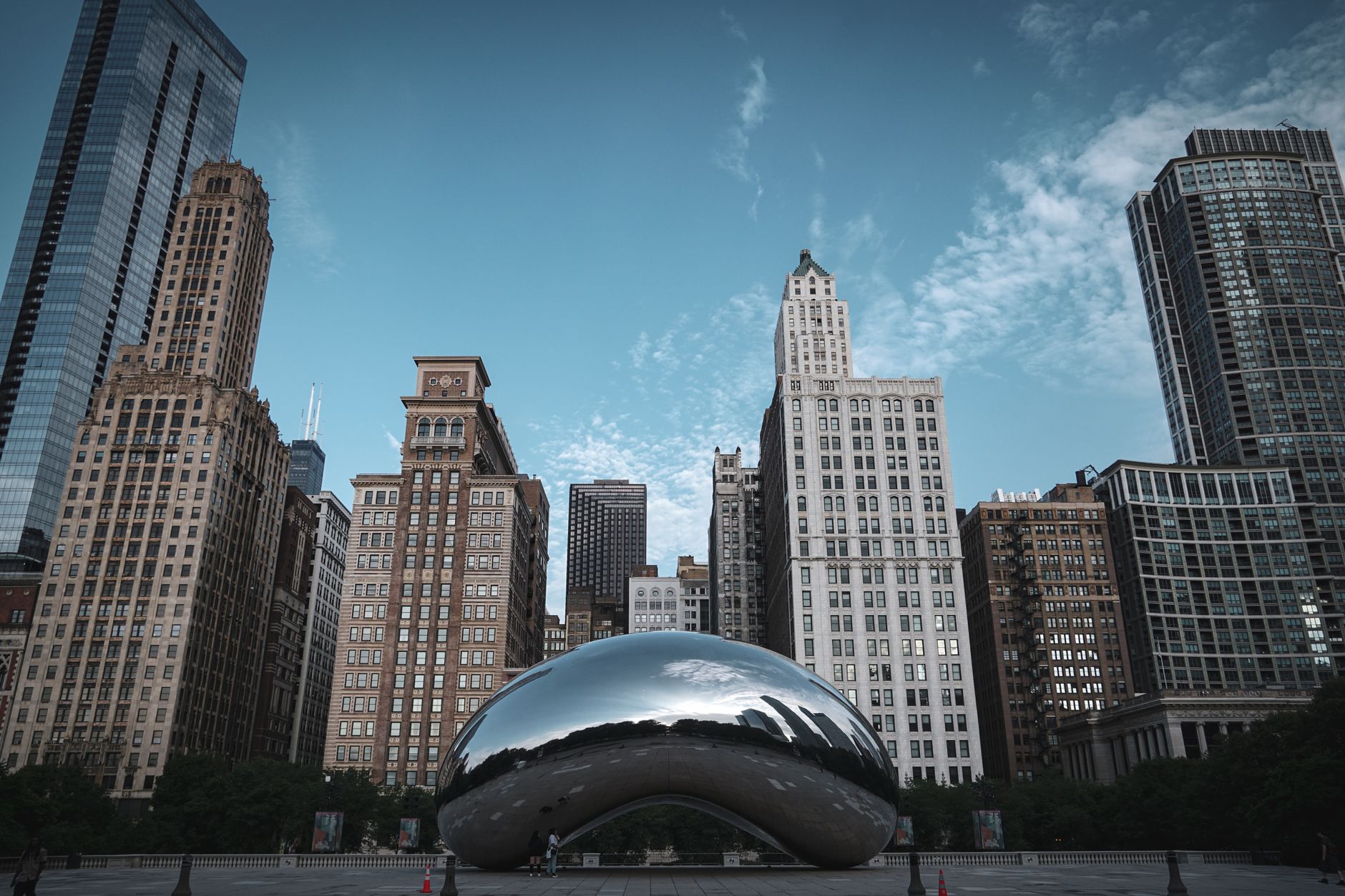
The mile of Michigan Avenue north of the Chicago River is defined by its verticality — the John Hancock Center's X-braced silhouette rising over water, the Wrigley Building's glazed terra-cotta catching afternoon light in six distinct shades of white, Tribune Tower's Neo-Gothic gargoyles presiding over the sidewalk below. This is not a neighbourhood in the lived-in sense; it is a corridor, a procession of architecture that accumulated over most of the twentieth century and still rewards the person who looks up.
At street level, the avenue is wide and flat, the sidewalks broad enough to walk without the usual Chicago shoulder-check. The Chicago River anchors the southern end; the Drake Hotel, built in Bedford limestone, closes the northern terminus at Oak Street.
💛 What travellers fall for
People who return tend to build in time at the Chicago Water Tower — not to photograph it, but to step inside the City Gallery, which shows photography and visual arts and is almost always quiet. The DuSable Bridge's bas-relief panels depicting early Chicago history are easy to read in detail when foot traffic thins out on weekday mornings.
Deals in Magnificent Mile
Book directly at the provider

How Magnificent Mile came to be
Pine Street, as it was known before the 1920s, ran from warehouses near the river through a quieter residential zone of mansions and rowhouses to the north. The Michigan Avenue Bridge, completed in 1920, changed the street's logic by linking it directly across the Chicago River, and the Wrigley Building rose almost immediately after on the north bank. Daniel Burnham had sketched the avenue's potential in his 1909 Plan of Chicago, but the transformation into a commercial corridor took longer than he lived to see.
After the Depression and the war, real estate developer Arthur Rubloff — working alongside William Zeckendorf — acquired or controlled most of the property along the stretch and backed a redevelopment plan by Holabird & Root. In 1947, Rubloff gave the district its name. 'Magnificent Mile' is now a registered trademark of the Magnificent Mile Association, which tells you something about how seriously the corridor takes its own identity.
Who and what shaped it
People who shaped it
Landmark buildings
See Magnificent Mile in motion
Plan your visit
On the map
When to go
Chicago winters on the avenue are genuinely cold, with wind off the lake compressing the chill further — a hat and a real coat matter from November through March. Summer brings warmth and longer light, which is when the terra-cotta on the Wrigley Building shows best; spring and early autumn are the most comfortable seasons for a long, unhurried walk.
Right now
Background & history adapted from Wikipedia (CC BY-SA) · specs from Wikidata (CC0) · weather from Open-Meteo · map data © OpenStreetMap contributors · photos from Wikimedia Commons / Unsplash with per-image credit. No third-party reviews or social posts reproduced.