
Wrigleyville
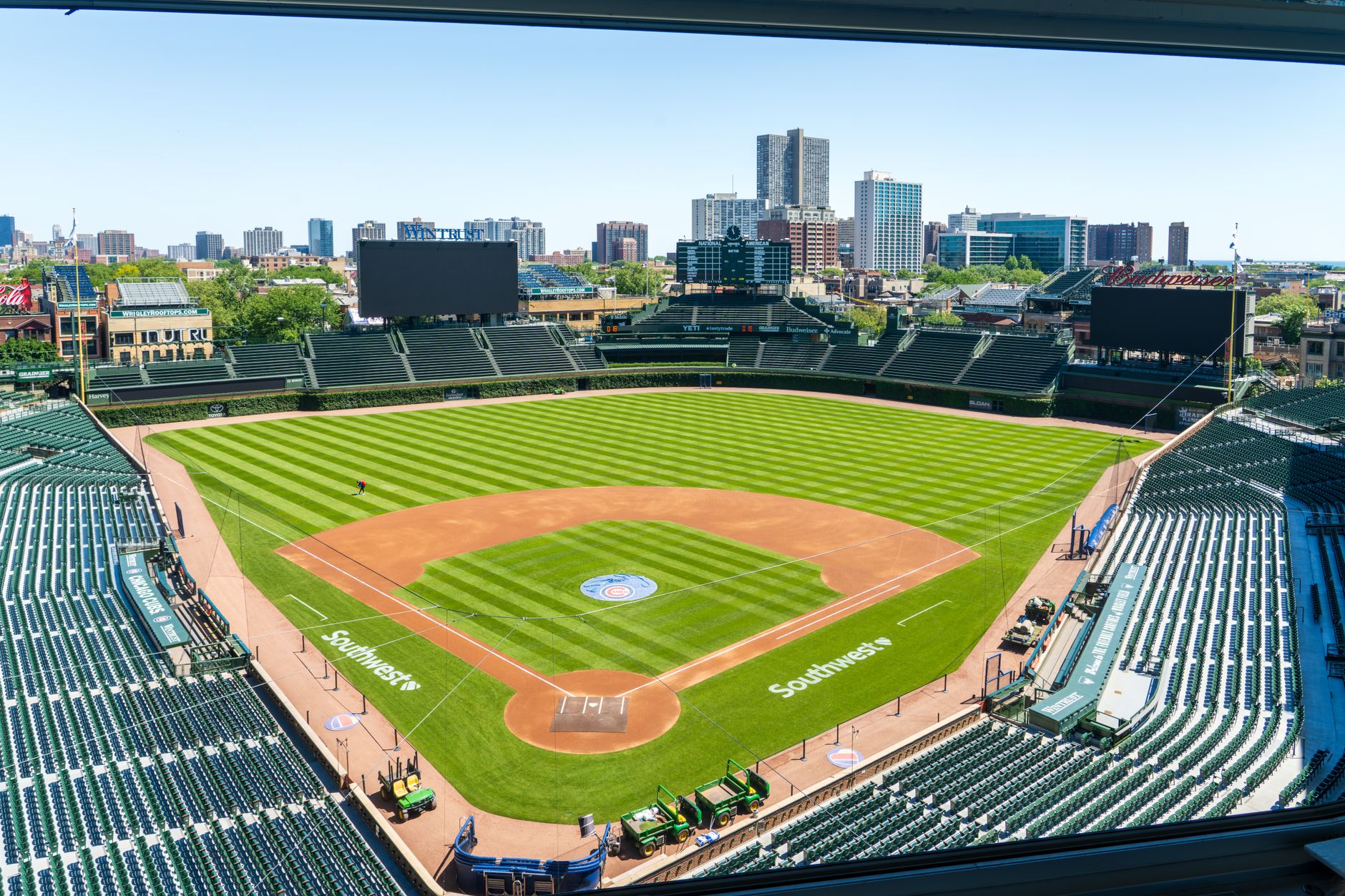
The red marquee at Clark and Addison is the first thing you see, and it has been orienting people in this neighborhood since 1934. Wrigley Field — brick, ivy, hand-operated scoreboard — sits at the center of everything, but the blocks around it have their own life: a 1929 movie house with original atmospheric ceiling, a bar that has been open since 1951, rooftops where people watch games they didn't pay to attend.
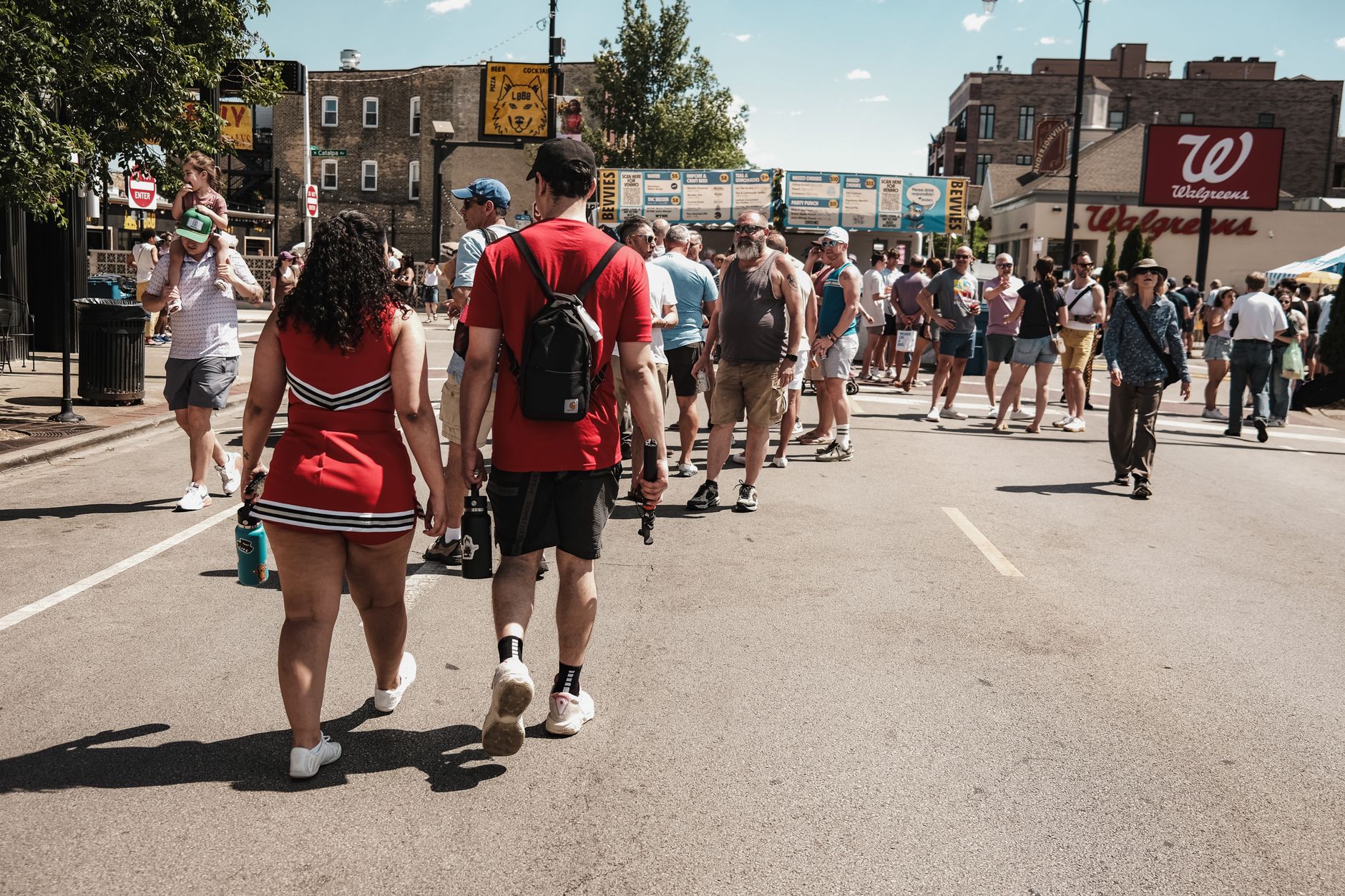
On non-game weekdays, the neighborhood moves at a different pace. The Gallagher Way plaza outside the stadium hosts farmers' markets and film screenings. Smartbar, over forty years on Clark Street, runs deep into the night with house and footwork DJs. The stadium is the anchor, but Wrigleyville keeps its own hours.
💛 What travellers fall for
Regulars will tell you: take the Red Line to Addison — it drops you at the stadium door in twenty minutes from downtown, and the walk out after a game is part of the experience. The Nisei Lounge, opened in 1951, is the oldest bar in the neighborhood and quieter than the sports bars on Clark. Go there first.
Deals in Wrigleyville
Book directly at the provider
How Wrigleyville came to be
The land at Clark and Addison was a seminary before Charles Weeghman broke ground on a ballpark in March 1914. He built it for his Federal League Chicago Whales, and the Cubs moved in two years later. Architect Zachary Taylor Davis — who also designed Comiskey Park on the South Side — drew the original structure. The Wrigley family acquired the Cubs in 1921, and by 1927 the park had taken their name.
The details that define it came in stages: the red marquee in 1934, the ivy and hand-operated scoreboard in 1937, lights not until 1988. In 2020 the park was designated a National Historic Landmark. The neighborhood name, Wrigleyville, was never official — it just stuck, the way things do when a single building becomes the organizing fact of daily life.
Who and what shaped it
People who shaped it
Landmark buildings
See Wrigleyville in motion
Plan your visit
On the map
When to go
Chicago winters are genuinely cold — below freezing from December through February — and early April games at Wrigley can still feel raw off Lake Michigan. Summer brings warm, humid days in the 70s and 80s°F; the lake wind that makes fly balls unpredictable also keeps the neighborhood from getting oppressive. September is often the best month to visit.
Right now
Background & history adapted from Wikipedia (CC BY-SA) · specs from Wikidata (CC0) · weather from Open-Meteo · map data © OpenStreetMap contributors · photos from Wikimedia Commons / Unsplash with per-image credit. No third-party reviews or social posts reproduced.