
Caserta
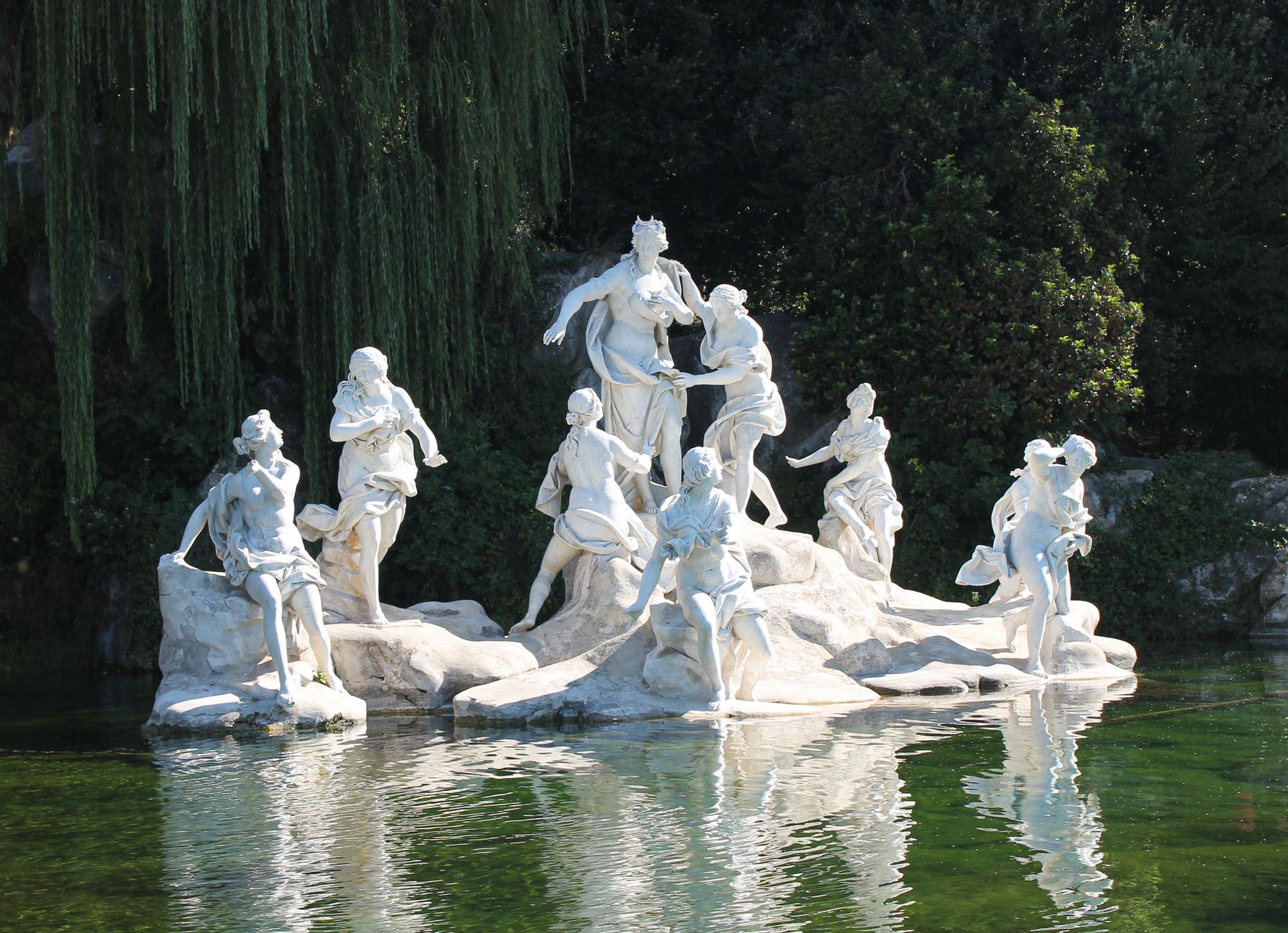
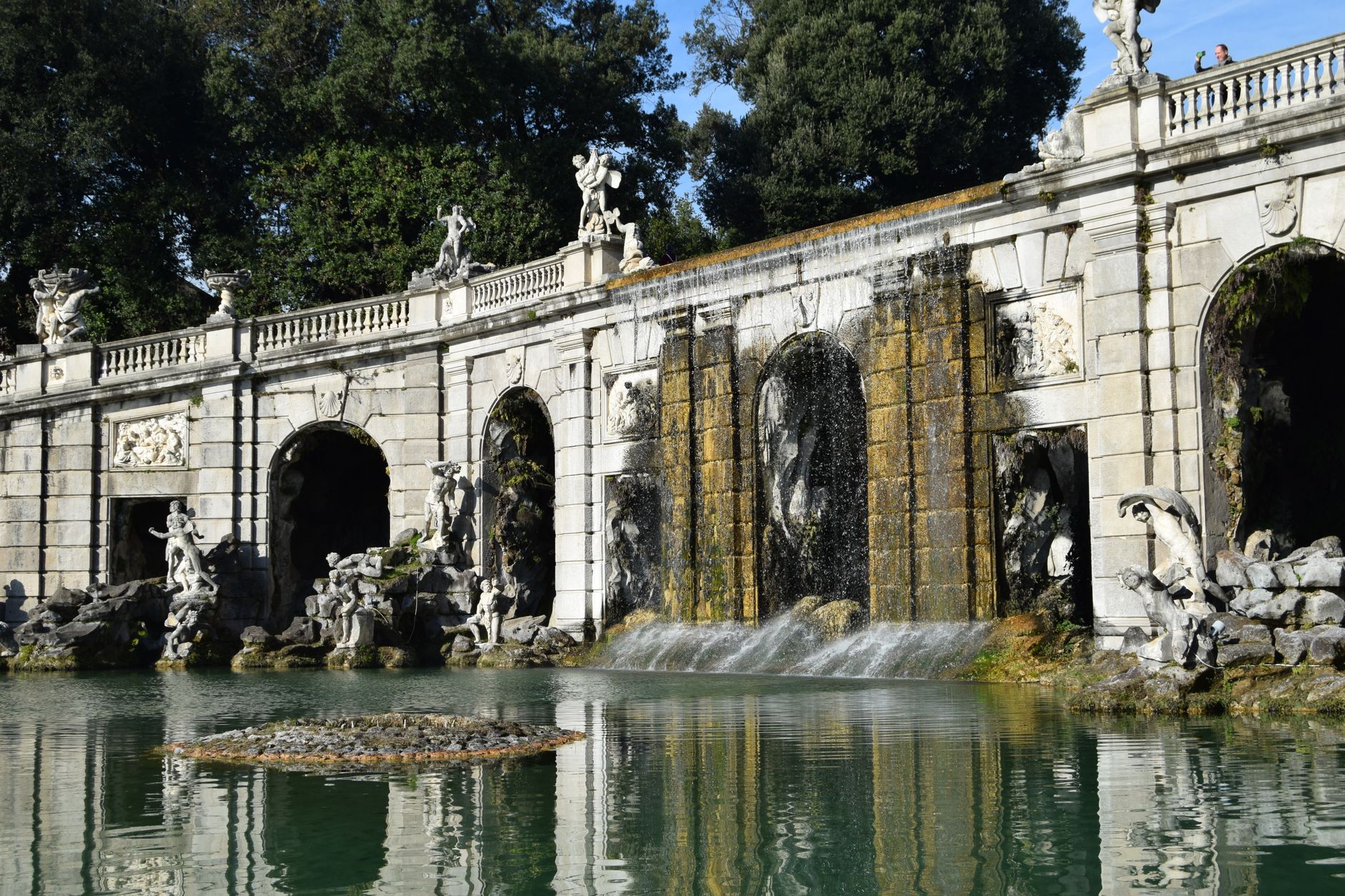
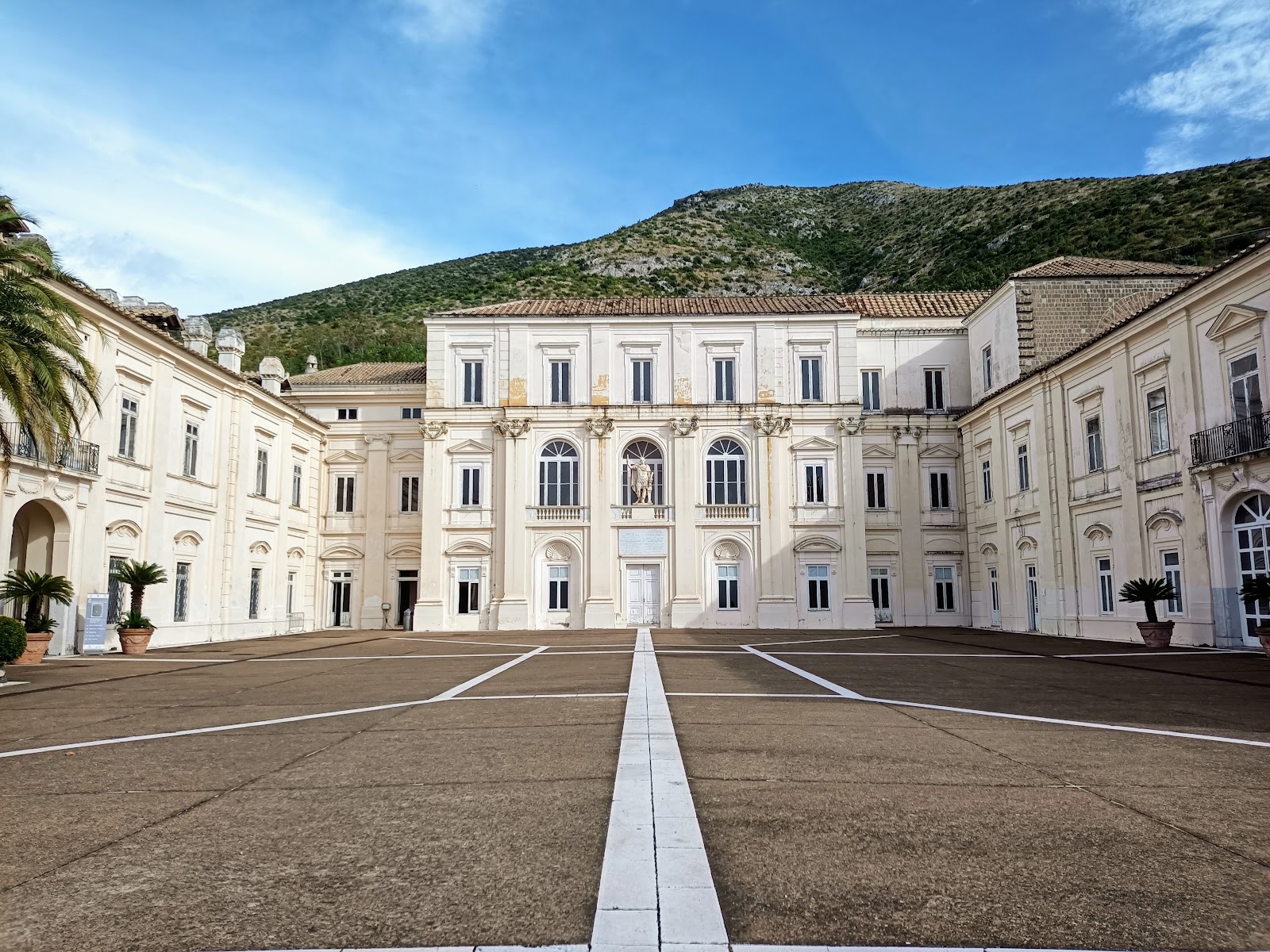
Caserta exists because one king wanted a palace larger than Versailles and had the flat land, the money, and Luigi Vanvitelli to do it. The Reggia di Caserta — 1,200 rooms, 130,000 square metres across five floors, a park stretching three kilometres into the hills — is not a building you walk through so much as a landscape you move inside. Charles of Bourbon laid the first stone in 1752 and never spent a single night here.
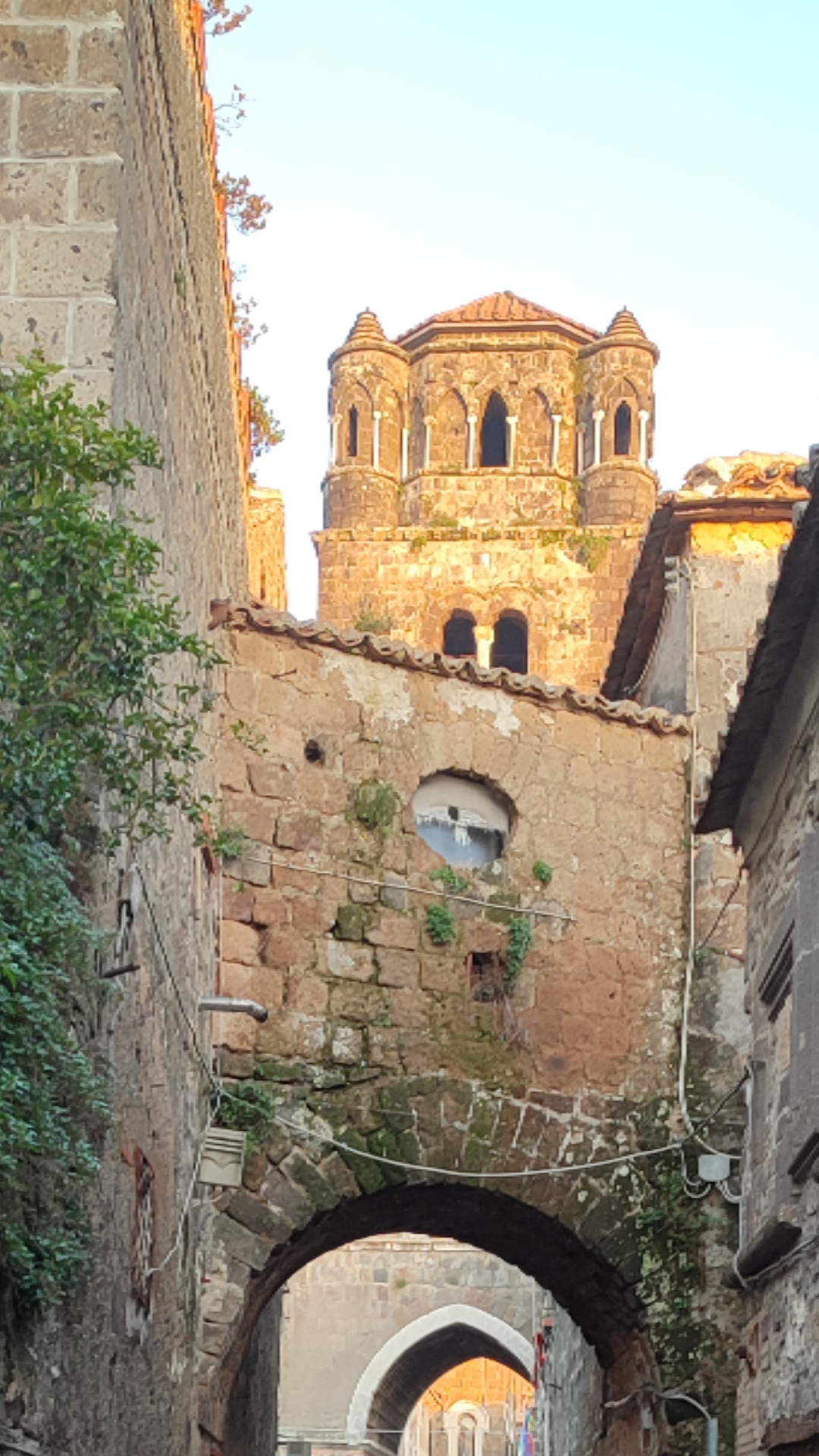
The city that grew up around the palace has its own quiet logic: a grid of streets scaled to royal ambitions, a cathedral from the Bourbon period, a central square named for the architect himself. Up in the hills behind town, the medieval village of Casertavecchia sits largely unchanged, its twelfth-century Norman cathedral keeping its own time.
💛 What travellers fall for
People who come back tend to go straight to the English Garden rather than queuing for the state apartments — it takes longer to cross than you'd expect and the ruins and rare plantings reward slow wandering. San Leucio, a short drive away, draws return visitors who want to understand what Bourbon idealism looked like when it was actually built in stone.
Experiences you don't want to miss



Deals in Caserta
Book directly at the provider
How Caserta came to be
The city's origins are older and stranger than the palace suggests. A Lombard defensive tower, built by Pando, Prince of Capua, anchored a settlement after he destroyed the original town around 863. The population eventually migrated down from Casertavecchia to the plain below, and it was that broad, flat site that caught Charles of Bourbon's eye in 1752. He wanted a seat of power away from the coast, a Neapolitan answer to the French court. Vanvitelli broke ground that same year; Charles abdicated seven years later without ever sleeping inside.
His son Ferdinand IV continued the work, and in 1778 he founded the Royal Silk-Weaving Colony at San Leucio — an industrial community where workers were provided homes, schools and medical care, a utopian experiment attached to a functioning silk mill. In April 1945, the palace served a different kind of history: the German army in Italy signed its surrender there on the 29th.
Who and what shaped it
People who shaped it
Landmark buildings
See Caserta in motion
Plan your visit
On the map
When to go
Spring and early autumn are the easiest seasons — warm enough to walk the full length of the park without effort, cool enough to appreciate the long watercourse. Summer is genuinely hot on the open parkland, and the palace's stone interiors offer relief; winter is mild but can be grey, and the English Garden loses some of its character without its foliage.
Right now
↡ Attractions






Background & history adapted from Wikipedia (CC BY-SA) · specs from Wikidata (CC0) · weather from Open-Meteo · map data © OpenStreetMap contributors · photos from Wikimedia Commons / Unsplash with per-image credit. No third-party reviews or social posts reproduced.