
Caserta Vecchia
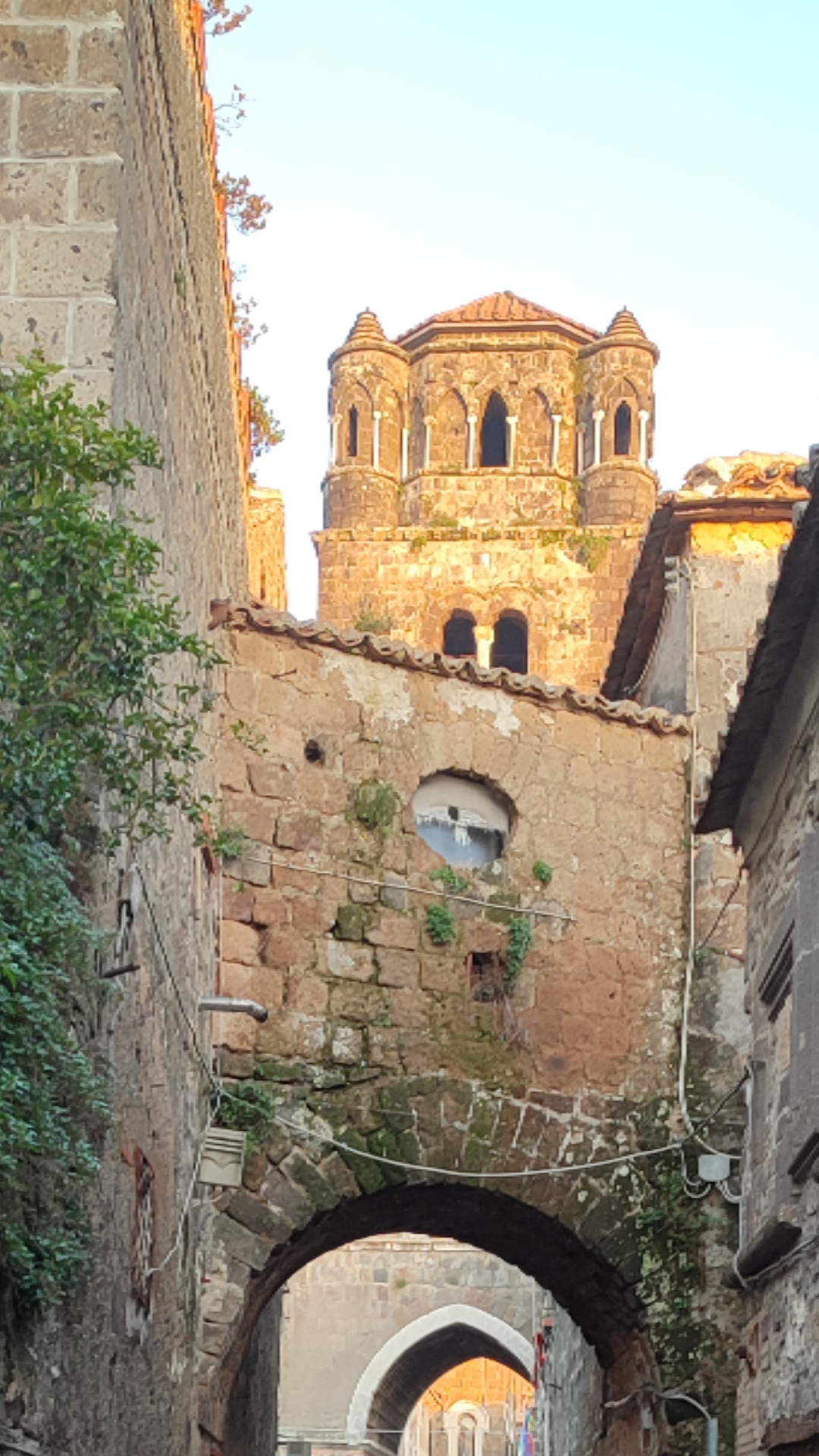
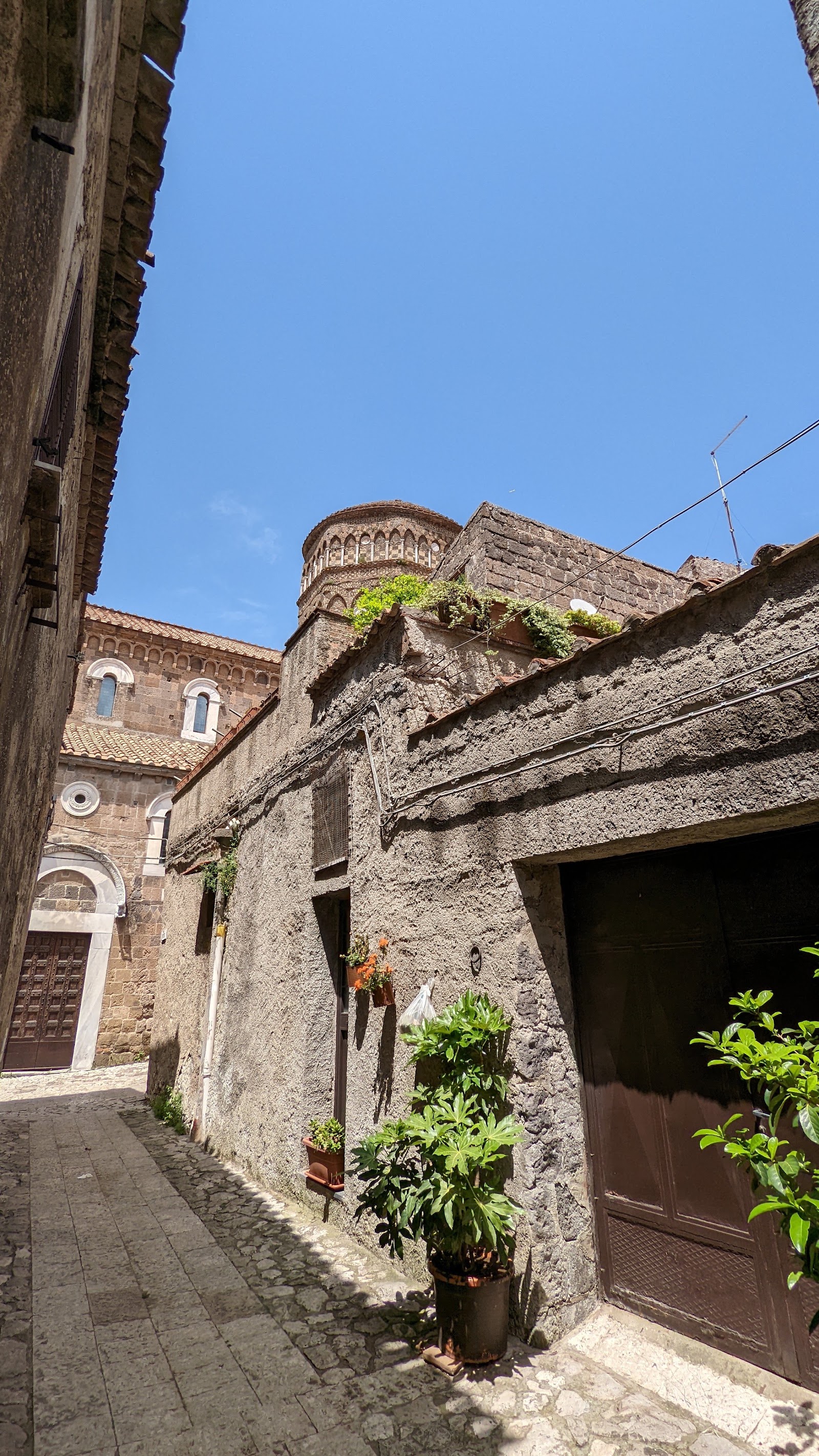
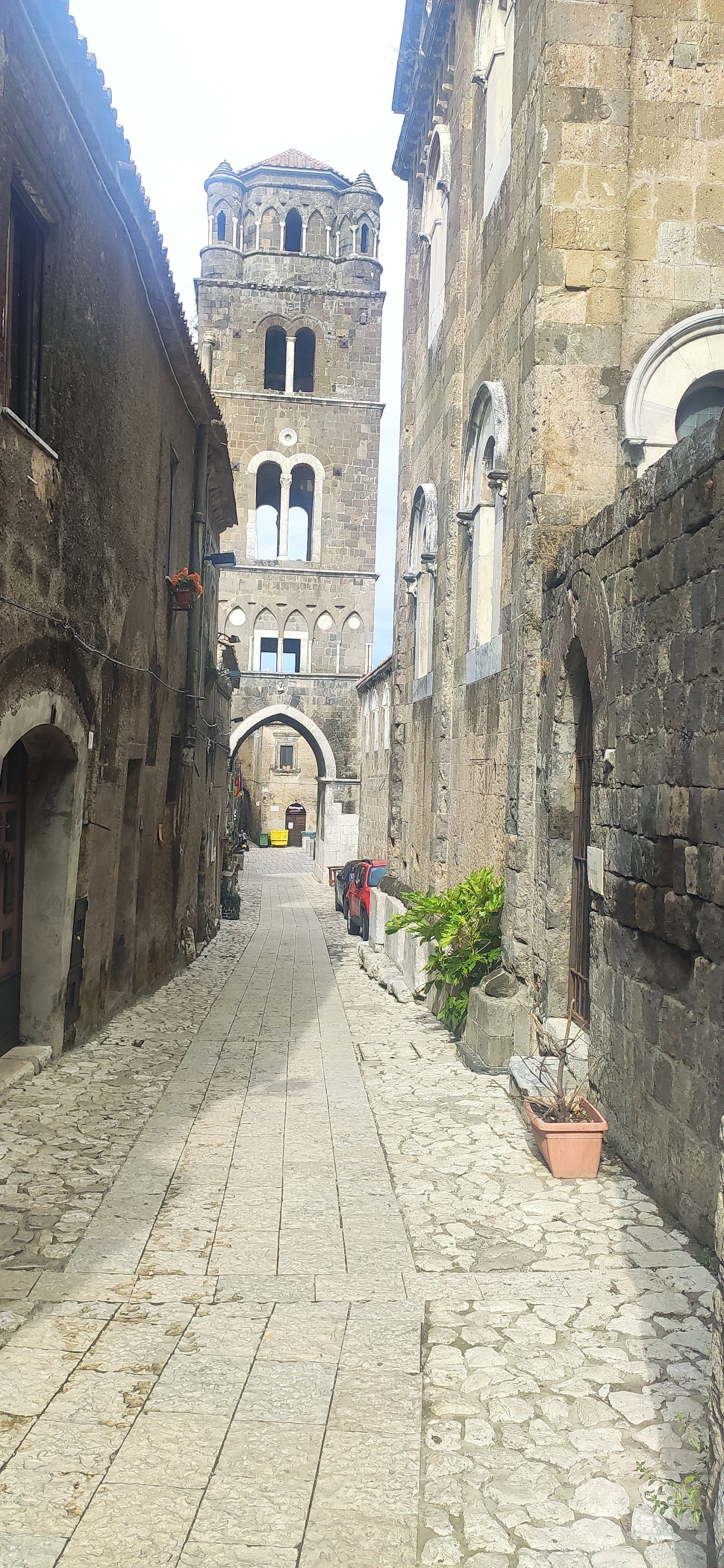
At 400 metres above the Campanian plain, Caserta Vecchia sits on a limestone ridge where the streets are still paved with the same stone the Normans walked on. The cathedral's blind arcades, the octagonal belfry of the 1234 bell tower, the crumbling perimeter of a castle whose central tower stretches 30 metres into the sky — all of it is still here, largely unchanged, because the town was simply left behind when its residents drifted downhill toward the plain across five centuries of slow departure.
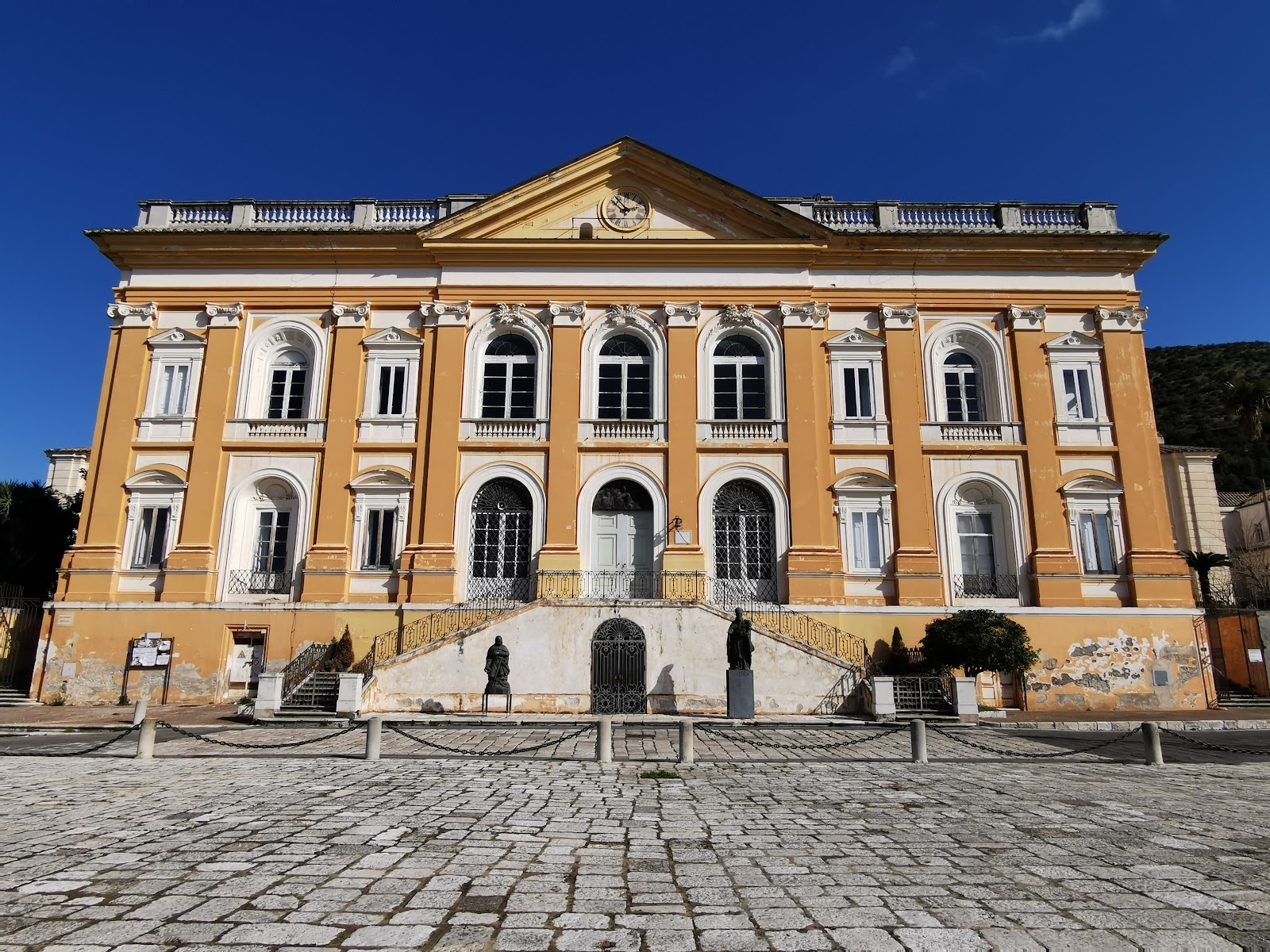
The medieval core is compact enough to cover on foot in a couple of hours, and quiet enough that you notice the details: the inscriptions carved into the cathedral portals, the 18 recycled marble columns inside, the way Piazza Vescovado holds its old bishop's palace and seminary in a kind of suspended civic order.
💛 What travellers fall for
People who come back tend to arrive early, before the weekend lunch crowd fills the square's restaurants. The castle ruins reward a slow circuit — the tower's sheer diameter makes more sense once you're standing at its base. The Chapel of San Rocco, free to enter, is easy to walk past and worth not walking past.
The story behind Caserta Vecchia
The ridge was settled well before the Normans arrived — a Lombard foundation in the eighth century, with roots in a Roman settlement the sources called Casam Irtam. In 879 the territory passed to the Count of Capua; after Saracen raids forced the population into mountain caves, the town regrouped on the high ground. Norman conquest came in 1062 under Riccardo I of Aversa, and the following decades brought the town to its peak: the Cathedral of San Michele Arcangelo was built between 1113 and 1153, and the bell tower followed in 1234.
Swabian rule under Riccardo di Lauro after 1232 extended the town's political reach, and Emperor Frederick II cemented alliances here through dynastic marriage. Aragonese domination from 1442 began a long decline. By 1842, even the bishopric had moved downstream, and the village entered a quiet abandonment until it was listed as a national monument in 1960.
Good to know
No bus or train reaches the village; you'll need a car or taxi from Caserta, about 20 minutes and 10 kilometres away. Spring and early autumn give the most reliable weather. The village itself is freely walkable at any hour.
April through early June and September through early October are the most comfortable months — mild temperatures, manageable rainfall, and good light for the stonework. Summers are hot and dry; winter brings rain and occasional cold snaps, though the views over the plain on a clear January day have their own particular quality.
Where is Caserta Vecchia?
Location
- In Caserta
- 41.0864, 14.3647
- Open in Google Maps
More tickets & tours for Caserta Vecchia
Book directly at the provider
More of Caserta
Discover where to stay, what to do and the best deals for your trip.
Explore Caserta →More attractions in Caserta
All of Caserta →

Background adapted from Wikipedia (CC BY-SA) · map data © OpenStreetMap contributors · ratings & place photos via Google · other photos with per-image credit. Ticket links may earn us a commission at no extra cost to you.