
Basilica of Saint Anthony of Padua

The first thing you notice is the outline — eight domes and two bell towers against the Paduan sky, a silhouette that borrows from Byzantine, Romanesque and Gothic all at once, as if the builders couldn't quite agree on a century. Inside, the air is cool and faintly smoky with candle wax, and people are already queuing to press their palms against the marble tomb of Saint Anthony, who died here in 1231 and was declared a saint within the year.
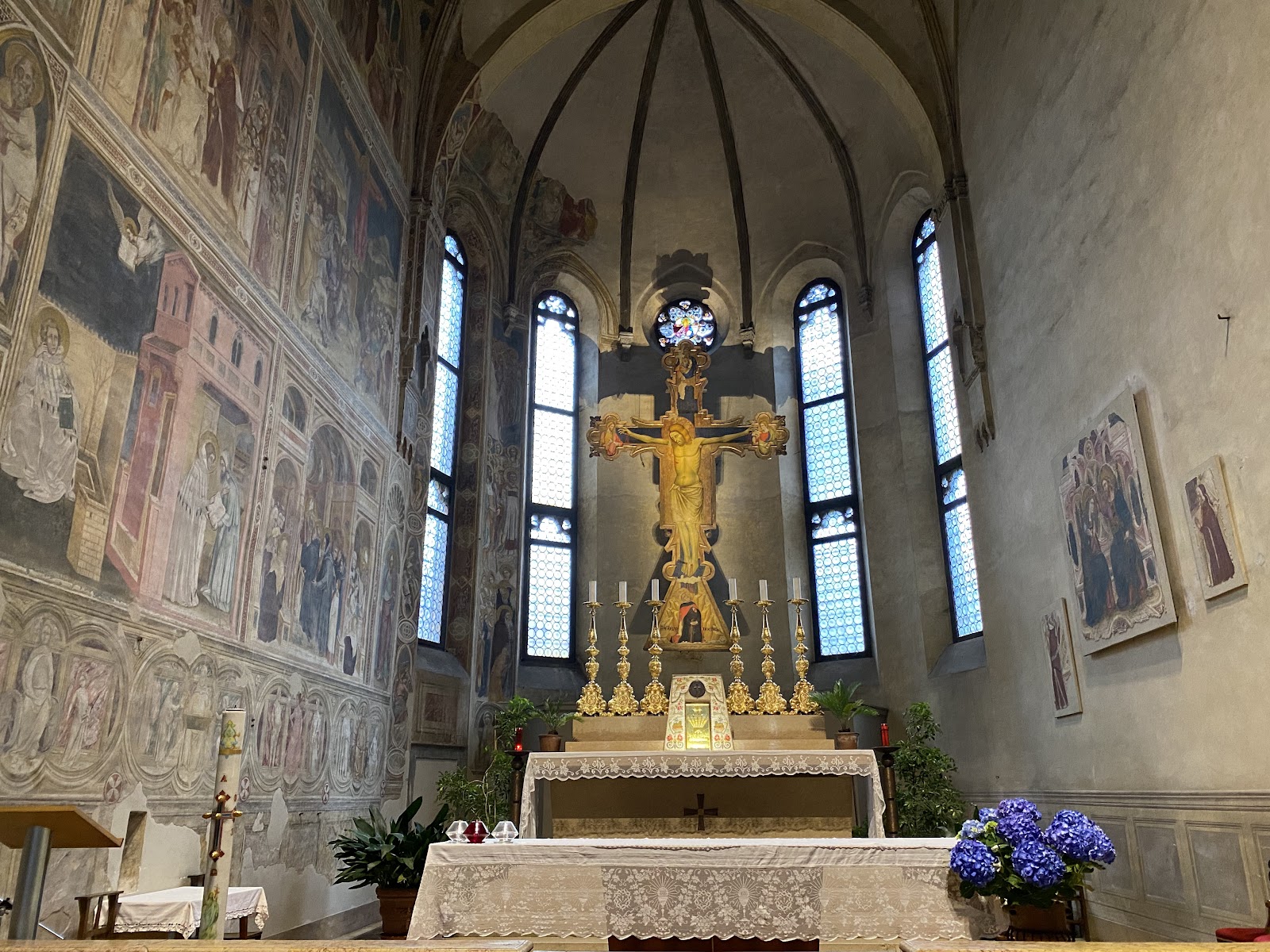
This is a working church before it is anything else — masses run seven to nine times a day — and that keeps it honest. The art is extraordinary: Donatello's high altar, Giotto's frescoes in the Chapter Hall (dated 1302–1303), Altichiero da Zevio's Gothic scenes in the Chapel of St. James. But none of it feels preserved under glass.

💛 What travellers fall for
Return visitors tend to head straight past the central nave to the three cloisters, particularly the Cloister of the Novices, where a magnolia planted in the mid-19th century still anchors the courtyard. The Treasury Chapel — Baroque, begun 1691 — holds the chin and tongue of Anthony in gold reliquaries, which stops most people short regardless of their beliefs.
The story behind Basilica of Saint Anthony of Padua
Anthony of Padua — born Ferdinand in Lisbon around 1195 — died on June 13, 1231, and was canonized the following year. Construction of the basilica began almost immediately, around 1232, on the site of the small church of Santa Maria Mater Domini where he had been buried. That original chapel survives inside as the Cappella della Madonna Mora, its Madonna sculpted by French artist Rainaldino di Puy-l'Évêque in 1396. The main structure took until 1310 to complete, with the choir and apse added through the mid-15th century.
No single architect is named in the records — the designer may have been a Franciscan friar. Over the following centuries, the building accumulated layers: Giotto's frescoes in 1302–1303, the Renaissance Chapel of Saint Anthony begun in 1500 (likely by Tullio Lombardo), and the Baroque Treasury Chapel in 1691. In 2021, two of its chapels were inscribed as part of UNESCO's recognition of Padua's fourteenth-century fresco cycles.

Good to know
Entry is free. The basilica opens at 6:15 AM daily, which means you can arrive before the tour groups. The Chapel of the Relics closes on weekdays between noon and 2:30 PM, so plan around that if it's on your list. Piazza del Santo is walkable from Prato della Valle.
Where is Basilica of Saint Anthony of Padua?
More tickets & tours for Basilica of Saint Anthony of Padua
Book directly at the provider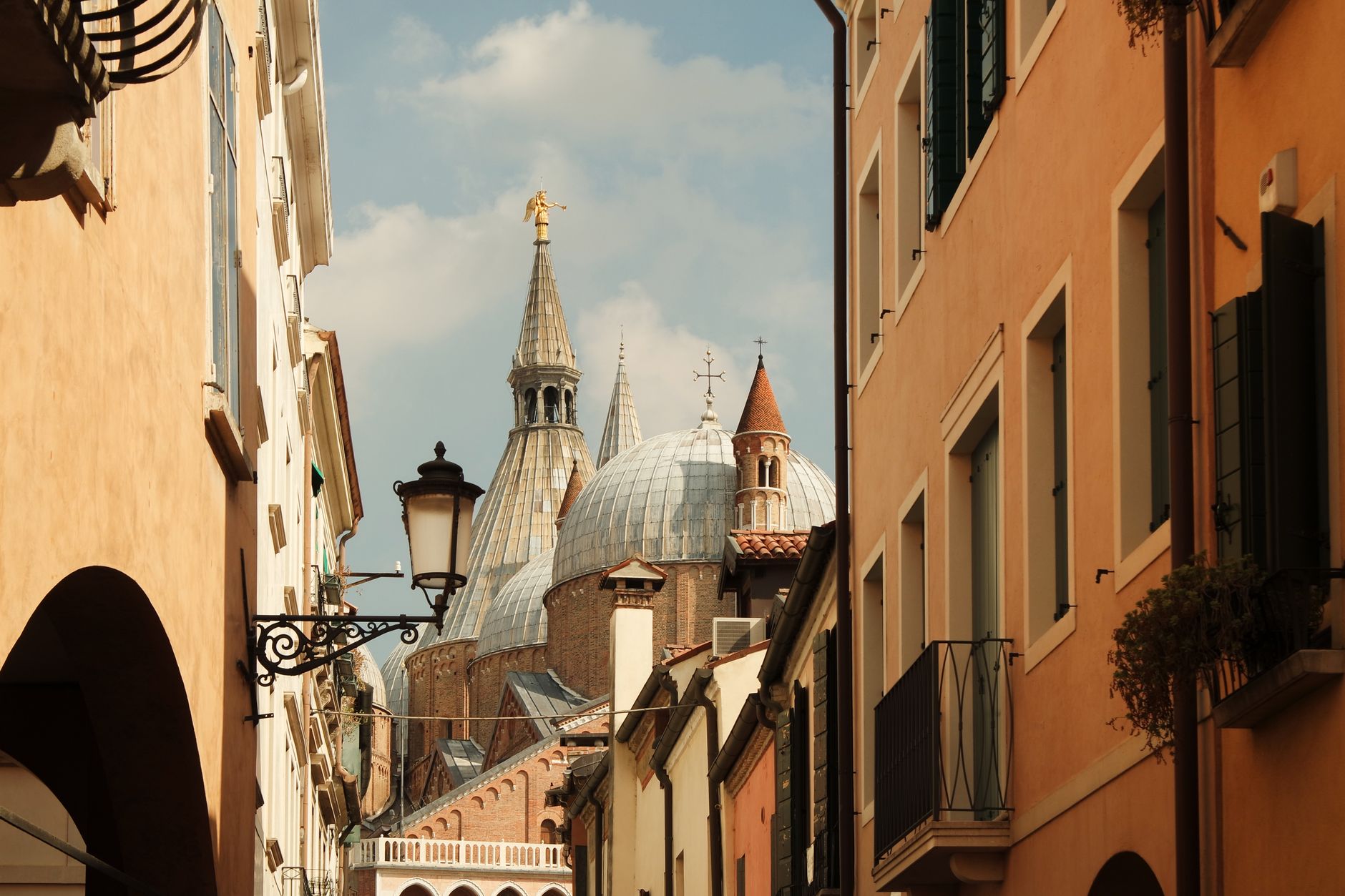
What travellers say about Basilica of Saint Anthony of Padua
Visiting the Basilica of Saint Anthony in Padua was one of the highlights of my trip to Italy. The architecture is absolutely breathtaking, with beautiful details both inside and outside the church. The atmosphere is peaceful and inspiring, making it a perfect place for reflection regardless of your religious background. The artwork, chapels, and historical significance are truly impressive. Everything is well maintained, and the staff and volunteers are welcoming and respectful. I highly recommend taking the time to explore this remarkable landmark if you are visiting Padua. A memorable and enriching experience that I would gladly repeat.
A deeply moving place, whether you’re visiting for faith, history, or quiet reflection. The basilica has a calm, reverent atmosphere that feels instantly grounding. The tomb of St. Anthony is powerful in its simplicity, and the flow of pilgrims adds a sense of living devotion. The cloisters are peaceful, the friars welcoming, and the entire space feels cared for and alive. Even without focusing on the art, it’s a meaningful stop that leaves you with a sense of calm and connection. A must‑visit in Padua.
The sheer size and scale of this basilica is truly astonishing. Bring your earphones as they have handy descriptions available in audio which u can scan qrs to hear, but quiteness is insisted upon 🤫
A magnificent and atmospheric basilica with beautiful domes and an impressive interior. You can truly feel the history here. I filmed this location for my YouTube channel Travel Walk Karina.
One of my favourite churches I have visited. Incredible architecture that had no end. I visited during a service and took in the sound of the organ which was incredible.
More of Padua
Discover where to stay, what to do and the best deals for your trip.
Explore Padua →More attractions in Padua
All of Padua →

Background adapted from Wikipedia (CC BY-SA) · map data © OpenStreetMap contributors · ratings & place photos via Google · other photos with per-image credit. Ticket links may earn us a commission at no extra cost to you.