
Eremitani Church
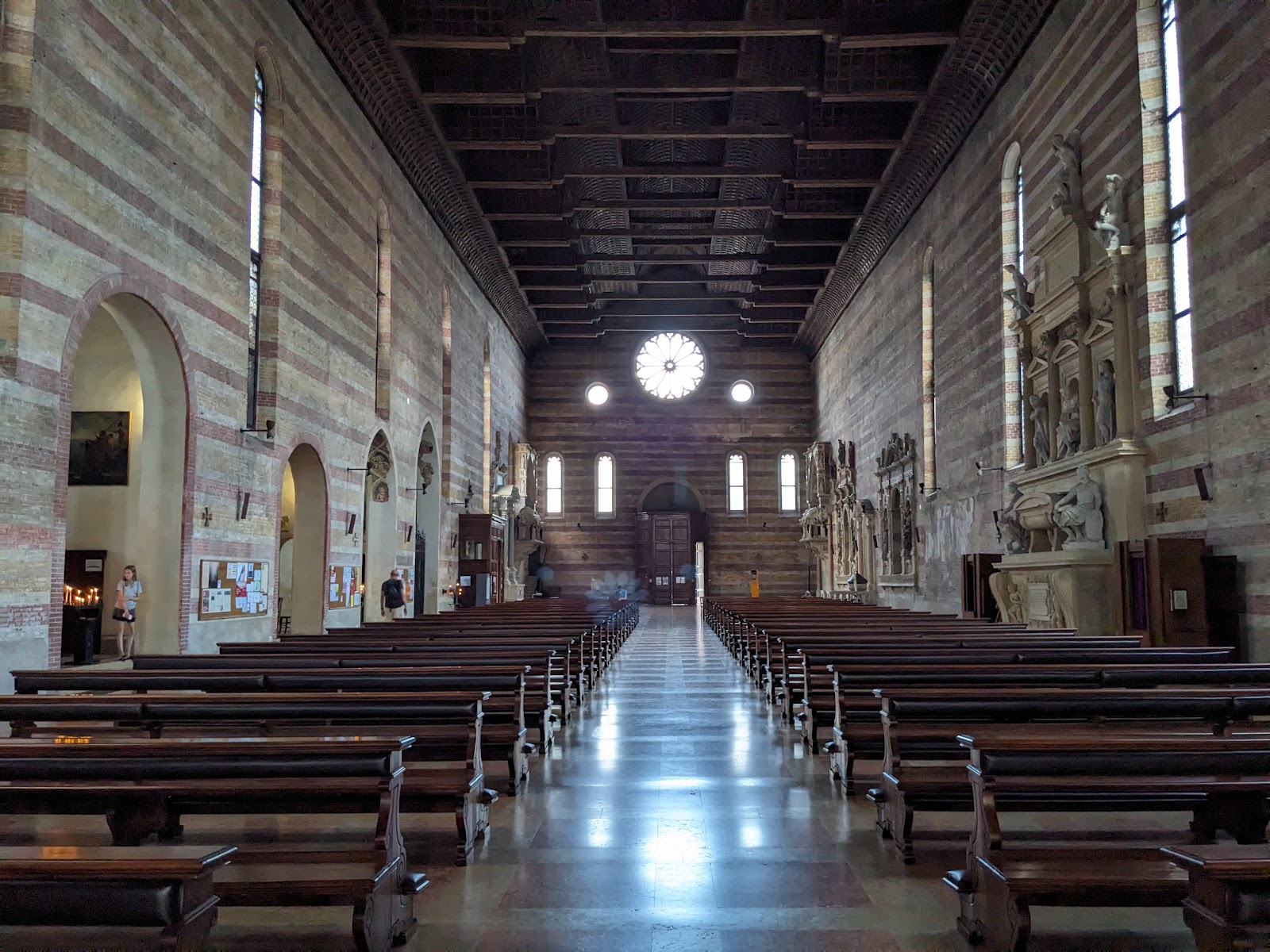
The ceiling stops you first — a long timber vault shaped like an upturned ship's keel, completed in 1306, its warm wood grain running the length of a nave that feels more intimate than its age suggests. The walls beneath it alternate bands of red and ochre brick, and the whole interior carries a particular quality of quiet that persists even when other visitors are present.
The Eremitani is a Gothic church built by Augustinian hermit friars from 1260 to 1276, and what makes it worth your time is partly what it lost. The Allied bombardment of 11 March 1944 brought down the Ovetari Chapel and its Mantegna fresco cycle — considered Italy's gravest cultural casualty of the Second World War. What you see now is a patient, decades-long reconstruction.
💛 What travellers fall for
People who come back tend to spend longer in the Ovetari Chapel than they planned. The 2006 restoration reassembled some 88,000 fragments of Mantegna's destroyed frescoes — knowing that before you look changes how you look. The tombs of Jacopo II and Ubertino da Carrara, carved by Andriolo de Santi, reward a second slow pass along the side walls.
The story behind Eremitani Church
Augustinian hermit friars settled in Padua in 1237, and their church rose between 1260 and 1276. Fra Giovanni degli Eremitani shaped the building and designed the ship's-keel ceiling, finished in 1306. The façade dates to 1360. Inside, the Ovetari Chapel became one of the most important fresco commissions of the 15th century: Andrea Mantegna worked there from 1448 to 1457, alongside Antonio Vivarini, Giovanni d'Alemagna, Ansuino da Forlì, and Nicolò Pizzolo.
Napoleon's suppression of religious orders closed the monastery in 1806; the church reopened two years later. Then, on 11 March 1944, Allied bombs destroyed the roof, the façade, and the Ovetari Chapel. The Veronese architect Ferdinando Forlati led the postwar rebuilding, salvaging material from the rubble. Restoration of the Mantegna fragments — 88,000 pieces — was completed in 2006. Since 2021 the church has been part of UNESCO's listing of Padua's 14th-century fresco cycles.
Good to know
Entry is free; donations go toward upkeep. Hours vary between weekdays and weekends, and the church closes during services, so check locally before visiting. Bus lines 3, 10, and 12 stop nearby, and the Scrovegni Chapel — which requires advance booking — is immediately adjacent.
Where is Eremitani Church?
More tickets & tours for Eremitani Church
Book directly at the provider
What travellers say about Eremitani Church
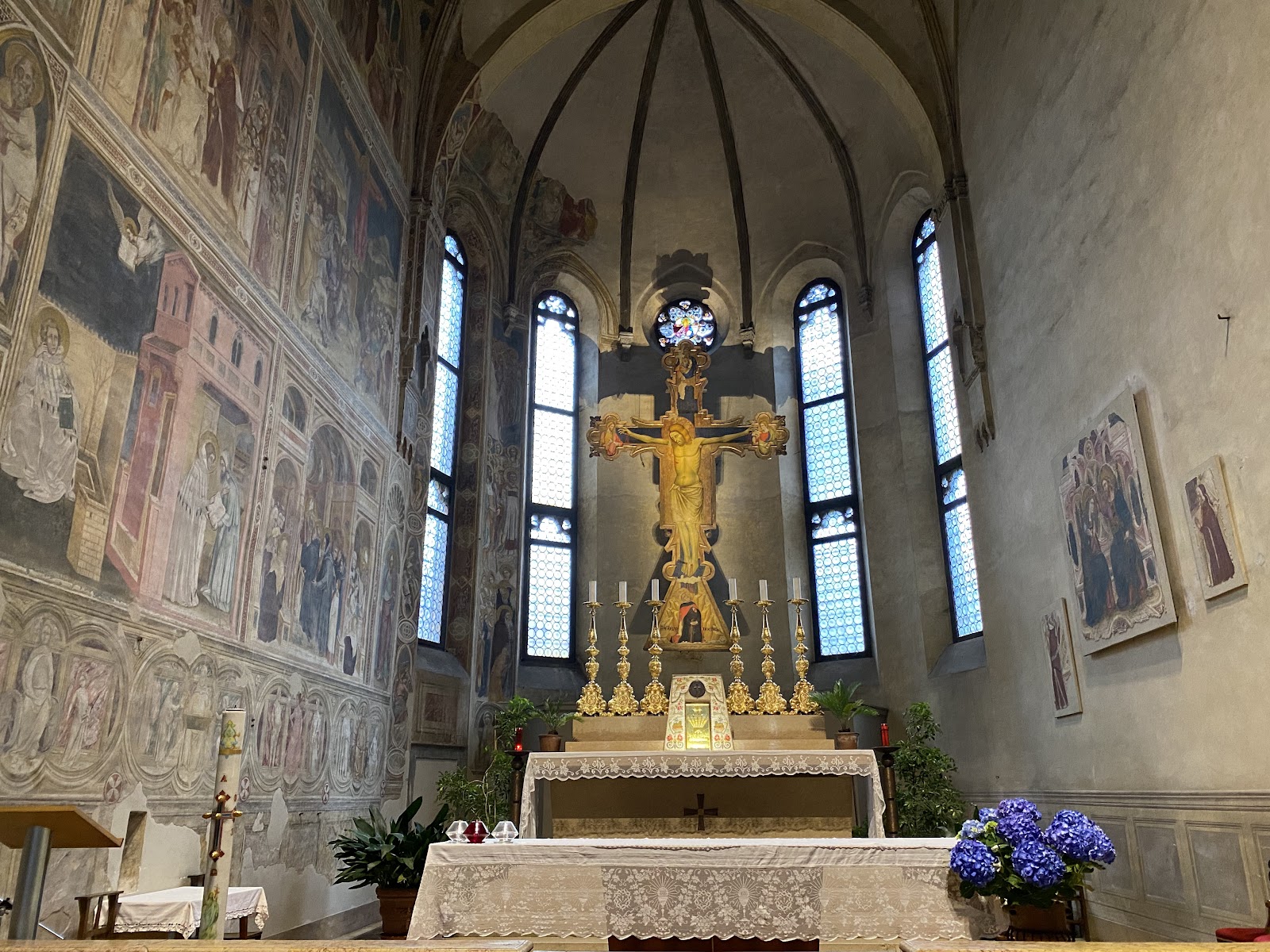
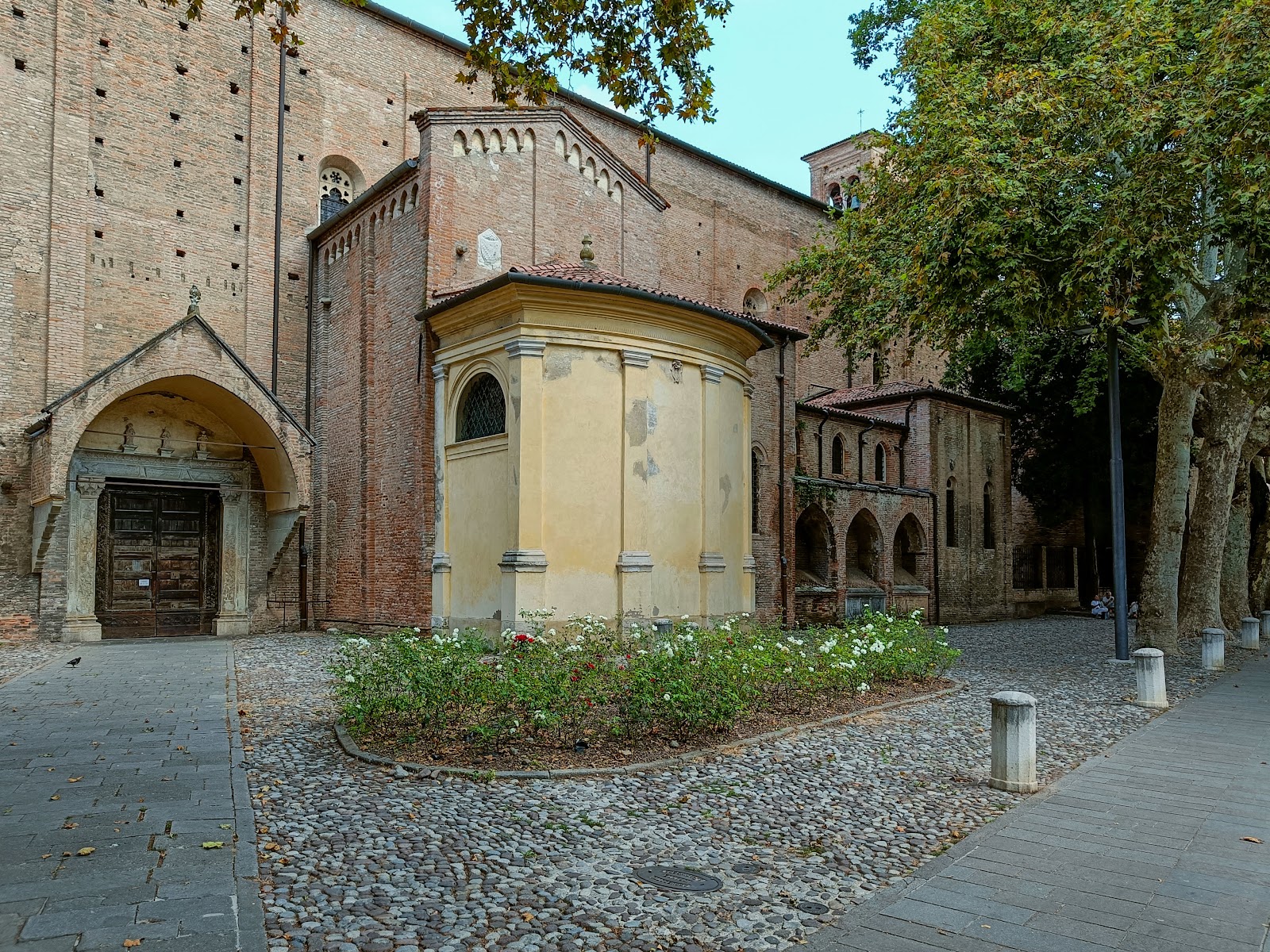
Chiesa degli Eremitani is a quiet yet deeply moving stop in Padua, blending history, art, and resilience in one space. Originally built in the 13th century, the church has a simple, almost austere exterior, but its historical significance becomes clear once you step inside. The highlight is the Ovetari Chapel, famous for Andrea Mantegna’s fresco cycle. Although much of it was tragically destroyed during World War II bombings, the restoration tells a powerful story—fragments carefully reassembled, allowing visitors to appreciate both the artistic genius and the scars of history. Seeing what survived makes the experience even more emotional and memorable.
One of the most interesting churches in Padova. There are two wonderful Gothic funeral monuments of Carrara nobles (local rulers). But the most glorious jewel of the church - frescoes of young Mantegna in Ovetari chapel - were destroyed by Anglo-American bombardment, there are only some fragments of "real Mantegna" now to be seen. Another interesting part are frescoes of Gualtiero in Maggiore chapel Highly recommended. But you must understand: it's not museum but church, so there are some "dead hours" in the midday.
The remains of the frescos are absolutely, absolutely stunning! Truly worth the visit to marvel at them for an hour. Too bad the front part of the church isn't in a similar style, but it's still one of the most jaw dropping sight in Padova. Free entry.
Usually Padua's churches are very spiritual and profound, I didn't catch it here. In the past it was very important shrine, significantly restored after aerial bombing during the WWII. Pity that Andrea Mantegna's cycle of frescoes now tells us more how ugly the war is rather than about the brilliant age of art when he had crafted this work. Interestingly restored though with graphic showing outlines of the missing parts and preserved pieces (sometimes just tiny fragments) put on the former places. Great restoration work. Light wasn't working even for money, hopefully would be fixed soon. This place is worth a visit at least for historical purposes.
Such a beautiful architecture!! Loved the freschi inside of the church, also a few sculpture as well. Unfortunately, this church has a bitter history; it was bombarded in 1944, and some part of it was damaged. Thankfully, many of wall paintings are still presented and renovated
More of Padua
Discover where to stay, what to do and the best deals for your trip.
Explore Padua →More attractions in Padua
All of Padua →

Background adapted from Wikipedia (CC BY-SA) · map data © OpenStreetMap contributors · ratings & place photos via Google · other photos with per-image credit. Ticket links may earn us a commission at no extra cost to you.