Cau Ferrat Museum
Santiago Rusiñol's extraordinary clifftop house-museum is one of the great undiscovered gems of Catalan Modernisme — less famous than the Sagrada Família but arguably more intimate, more eccentric and more moving. The artist filled every room with wrought iron, Greco-Roman amphorae, El Greco paintings and the detritus of a life lived beautifully.
The Collection
Rusiñol bought two medieval fishermen's cottages on La Punta in 1893 and spent decades knocking them into a single labyrinthine home-studio-gallery. The result is a building that feels genuinely lived-in: canvases stacked against whitewashed walls, ceramic tiles from every corner of Spain, and two El Greco paintings that Rusiñol famously transported to Sitges in a torchlit procession that became a local legend.
The ironwork collection — over 5,000 pieces of forged iron ranging from tiny keys to monumental gates — is the largest of its kind in the world and gives the museum its name: cau ferrat means 'iron den' in Catalan.
Visiting Tips
The museum was extensively restored between 2010 and 2014 and the conservation work is exceptional — lighting is low and atmospheric, and the curators have resisted the urge to over-label everything, which means the place still feels like a home rather than an institution.
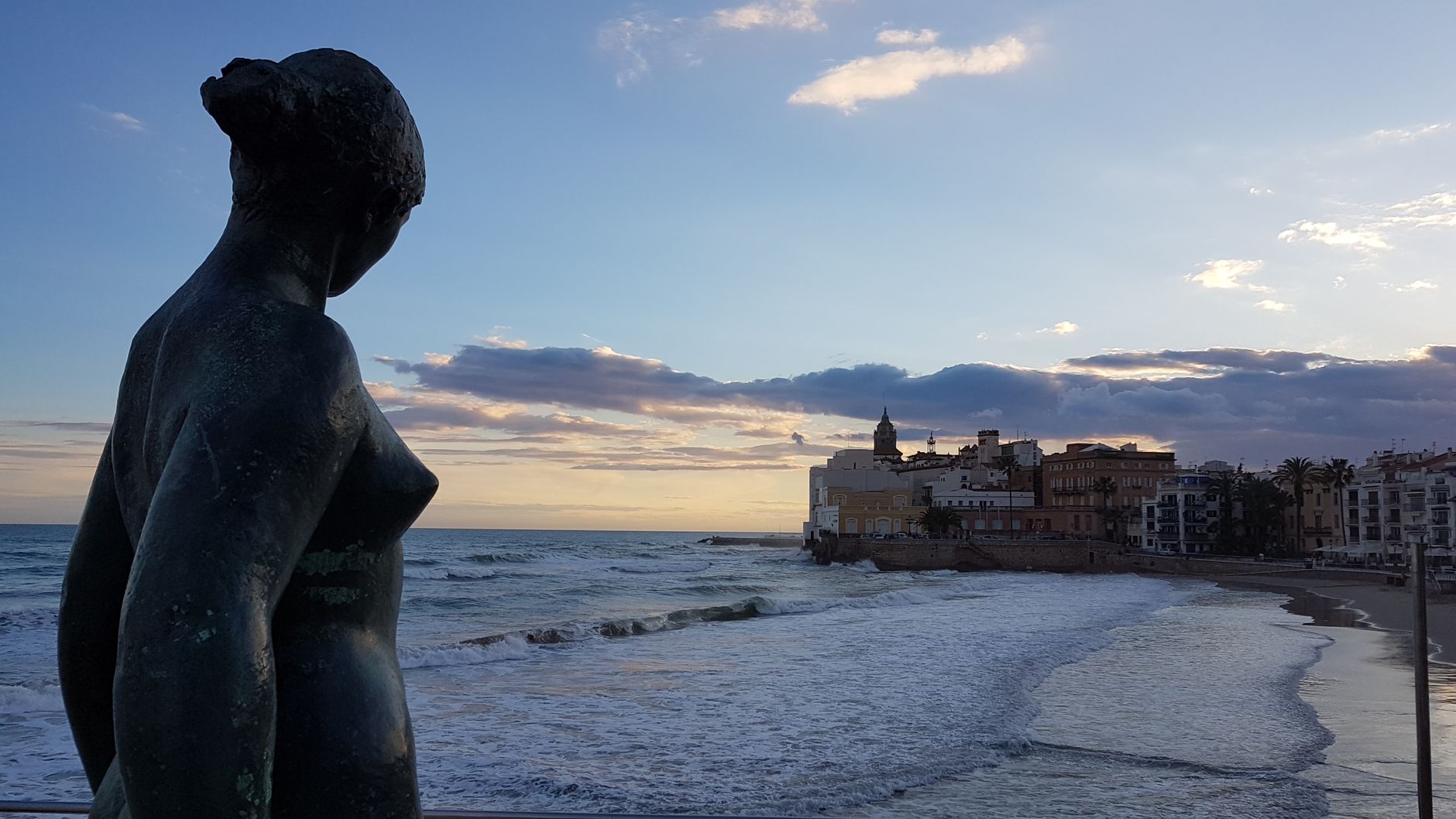
Visit on a weekday morning in spring or autumn and you may have entire rooms to yourself. The rooftop terrace (accessed via a narrow stair) overlooks the church of Sant Bartomeu and the sea — bring a camera.
More of Sitges
Discover where to stay, what to do and the best deals for your trip.
Explore Sitges →