Pitigliano's Tufa Cliff Town
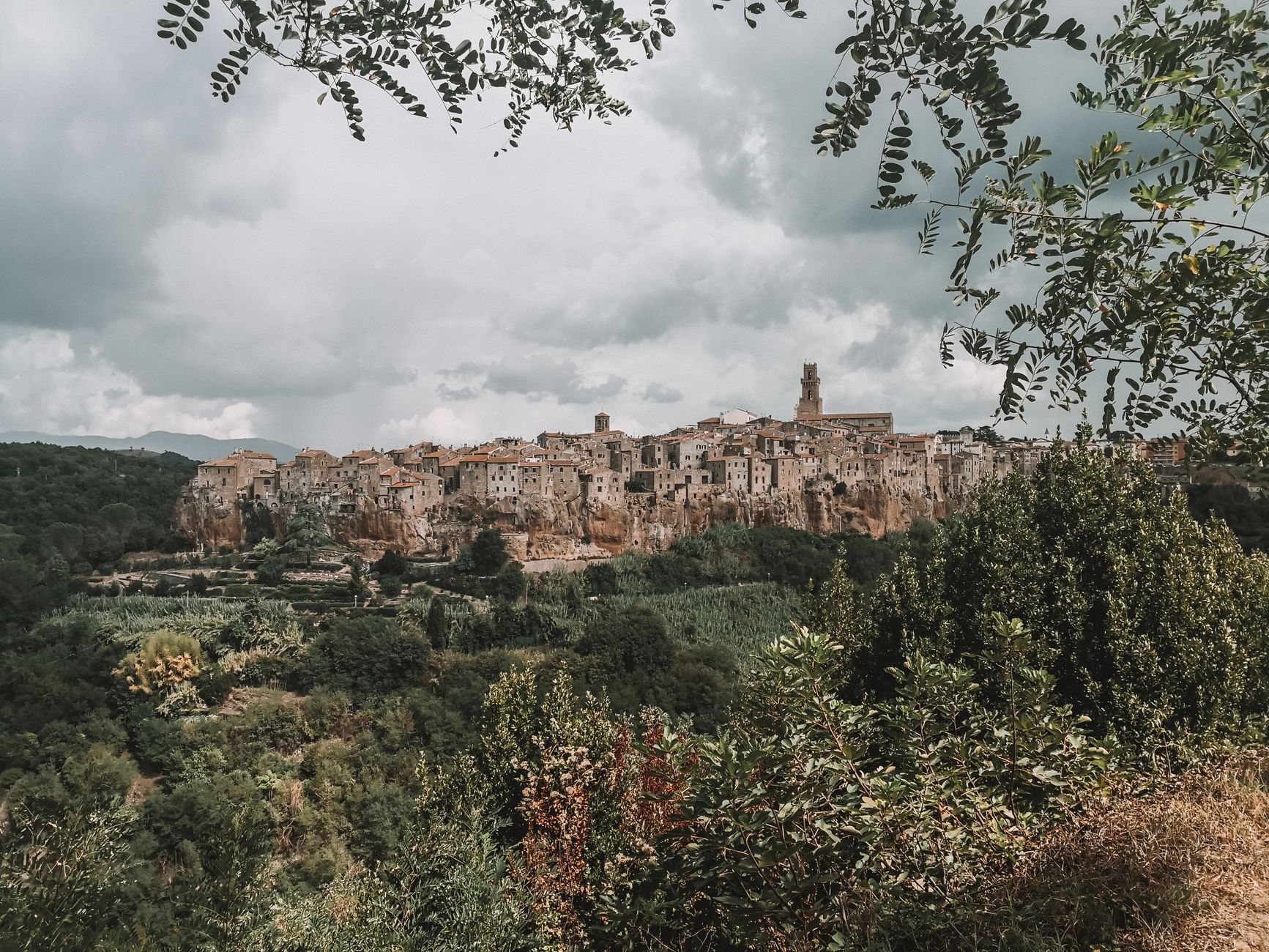
Pitigliano erupts from a volcanic tufa ridge like a medieval mirage, its honey-coloured buildings so seamlessly fused with the rock that the town and cliff appear to be a single living organism. Arriving on the SS74 from Manciano, the first panoramic view across the gorge is genuinely jaw-dropping — one of central Italy's great theatrical entrances.
A Town Carved from Living Rock
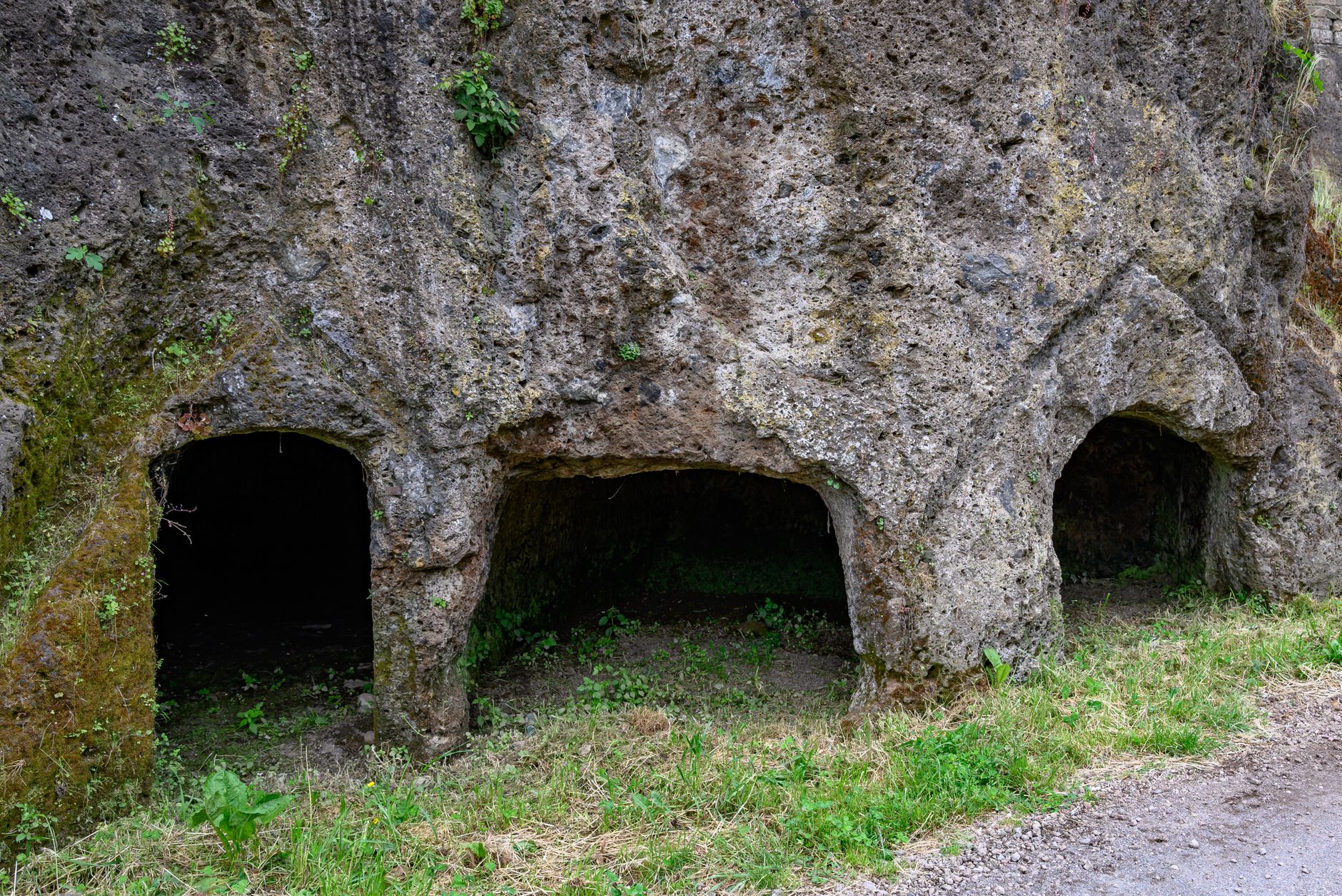
The entire historic centre sits atop a tufa promontory carved by the rivers Lente and Meleta, and the buildings' foundations are literally the cliff itself — look over any parapet and you'll see windows and doorways cut directly into the rock face below street level.
Wander the labyrinthine Vicolo della Costituzione and Via Zuccarelli to appreciate how seamlessly medieval stonework blends with the natural geology, with carved arches, external staircases and hanging gardens all competing for your attention.

The Orsini Aqueduct and Palazzo
The 16th-century Orsini Aqueduct marches into town on fourteen arches and remains the town's defining landmark after the skyline itself — it was built to supply the Palazzo Orsini, whose imposing bulk anchors the western end of the ridge.
The Palazzo Orsini now houses the Museo Civico Archeologico, where Etruscan bucchero pottery and bronze votive figures excavated from the surrounding necropoli give real depth to the landscape you've just walked through.
Don't miss the palazzo's courtyard loggia, a Renaissance gem that locals walk past daily without a second glance but that would be a headline attraction in a less spectacular town.

More of Pitigliano
Discover where to stay, what to do and the best deals for your trip.
Explore Pitigliano →