Ostuni Old Town — The White City
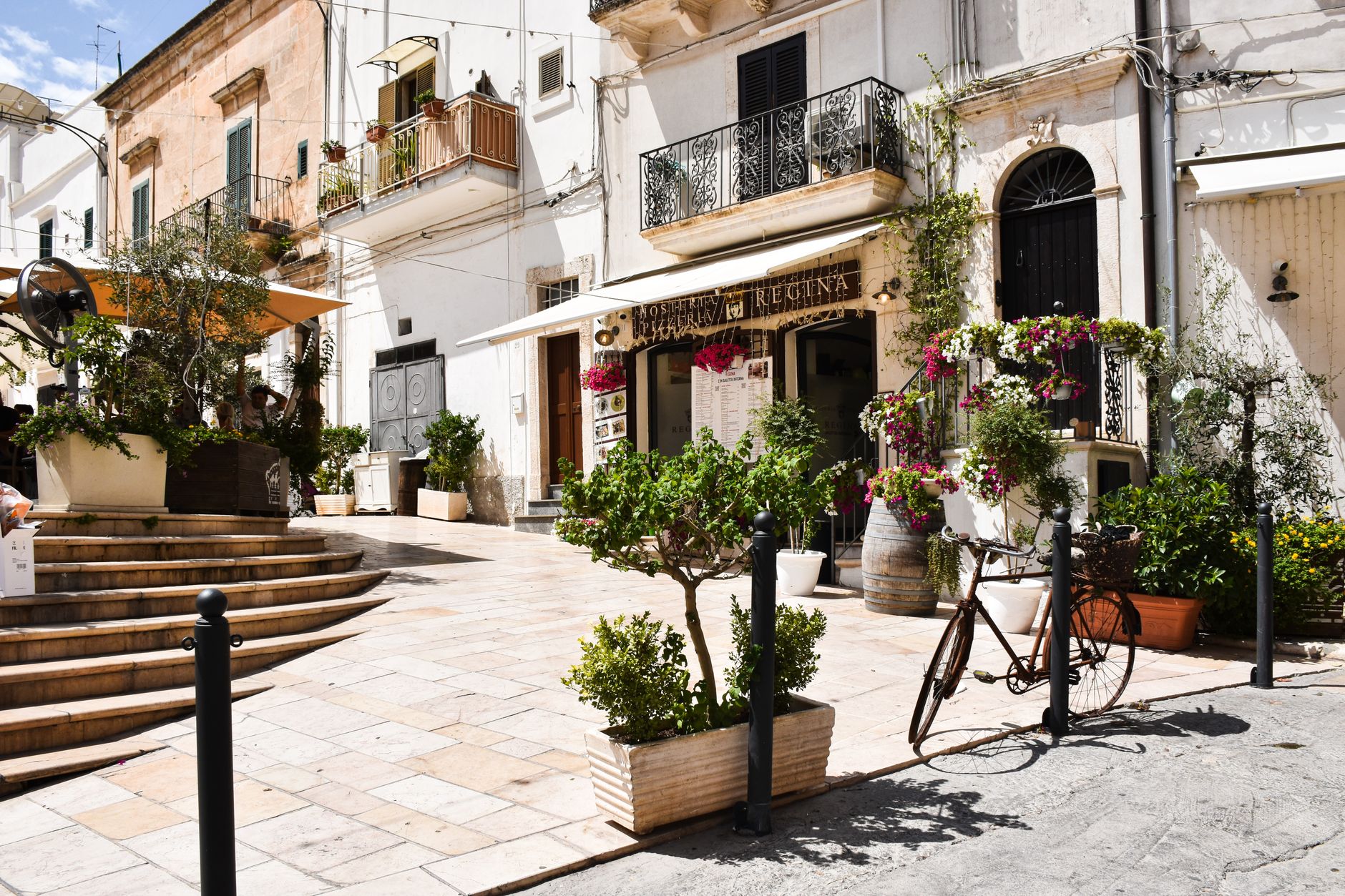
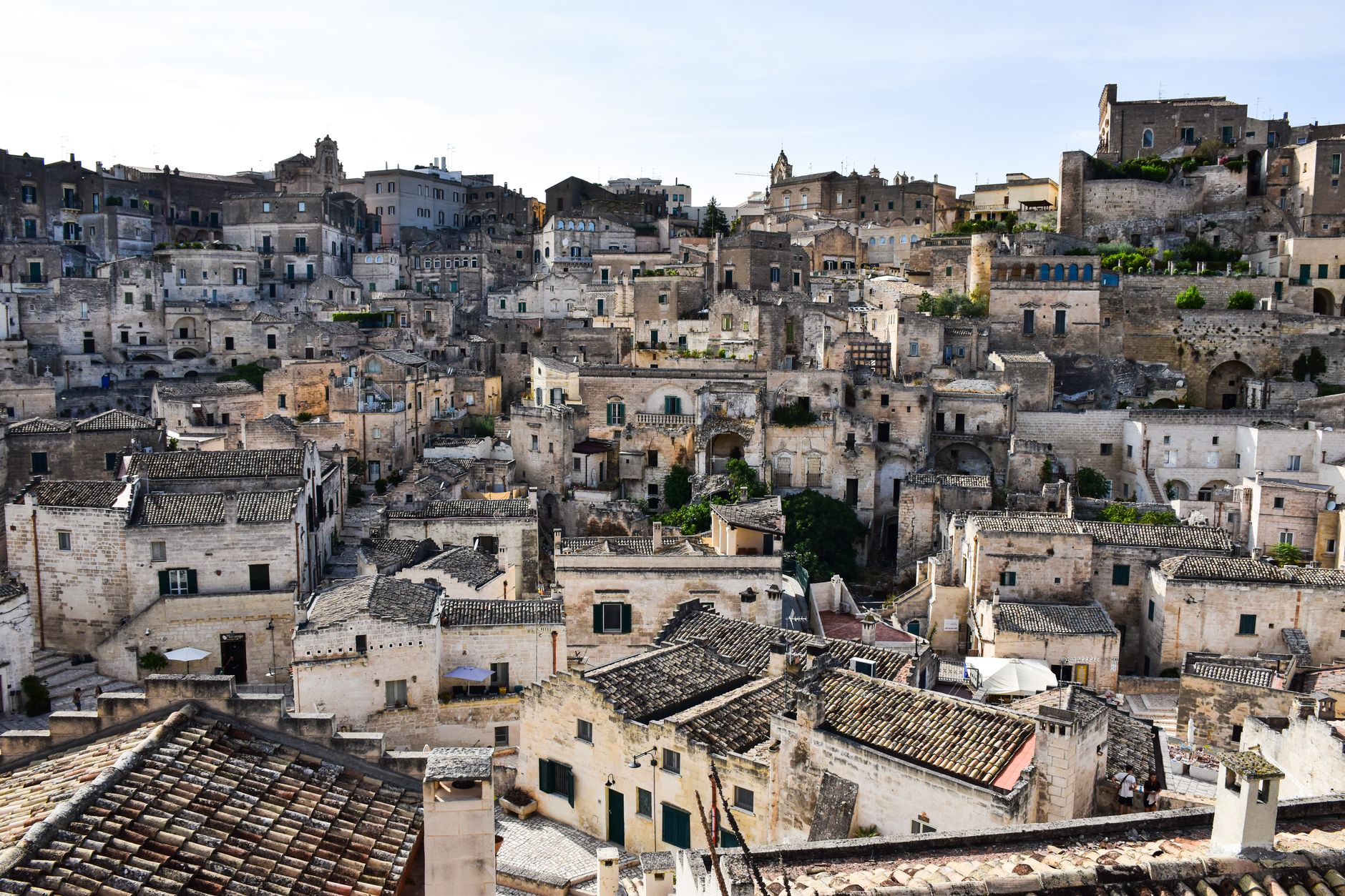
Perched on three hills above the Adriatic plain, Ostuni's medieval centro storico is a labyrinth of lime-washed alleys, arched passageways and terracotta rooftops that glow amber at sunset. No other town in Puglia earns the nickname La Città Bianca quite so completely.
Walking the Whitewashed Lanes
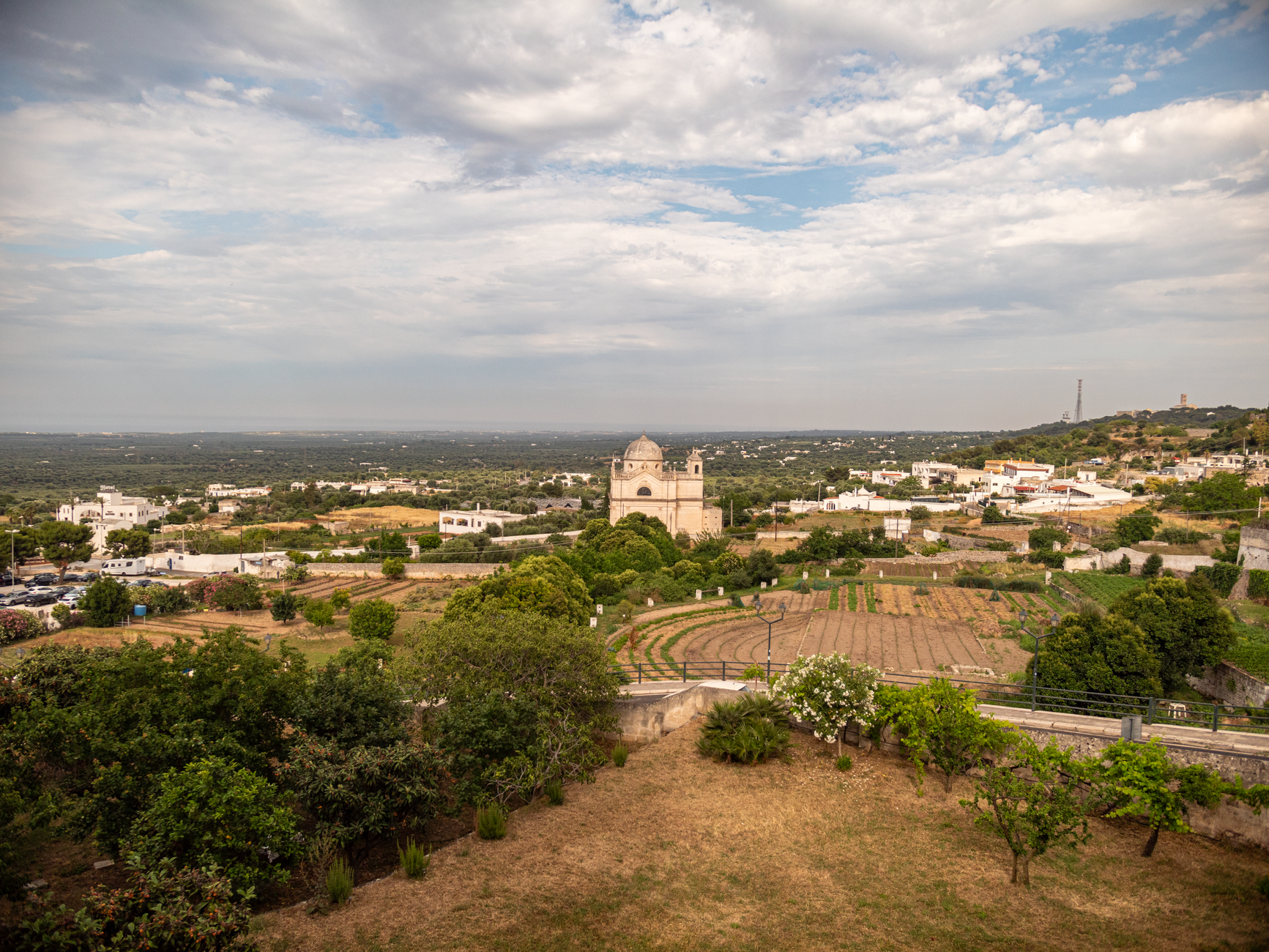
Start at Porta Nova, the 16th-century gateway in the old walls, and let yourself get deliberately lost in the tangle of vicoli that spiral upward toward the cathedral. Every corner produces a postcard: bougainvillea spilling over chalk-white walls, hand-painted ceramic house numbers, cats dozing on sun-warmed steps.
The steep Via Cattedrale is the spine of the old town, lined with artisan workshops selling locally fired ceramics and woven linen. Resist the urge to rush — the beauty is in the slow, aimless wander rather than any single landmark.

The Cathedral and Its Extraordinary Façade
The Cattedrale di Santa Maria Assunta, completed in 1495, crowns the highest point of the hill and is visible from 30 km away across the olive groves. Its late-Gothic rose window — a 24-petal stone wheel flanked by two slender pinnacles — is one of the most intricate in southern Italy and worth a long, close look.
Step inside for the gilded Baroque interior and a cool respite from the midday heat. The crypt below holds fragments of early Christian frescoes that rarely appear in guidebooks.
Golden Hour and the Evening Passeggiata
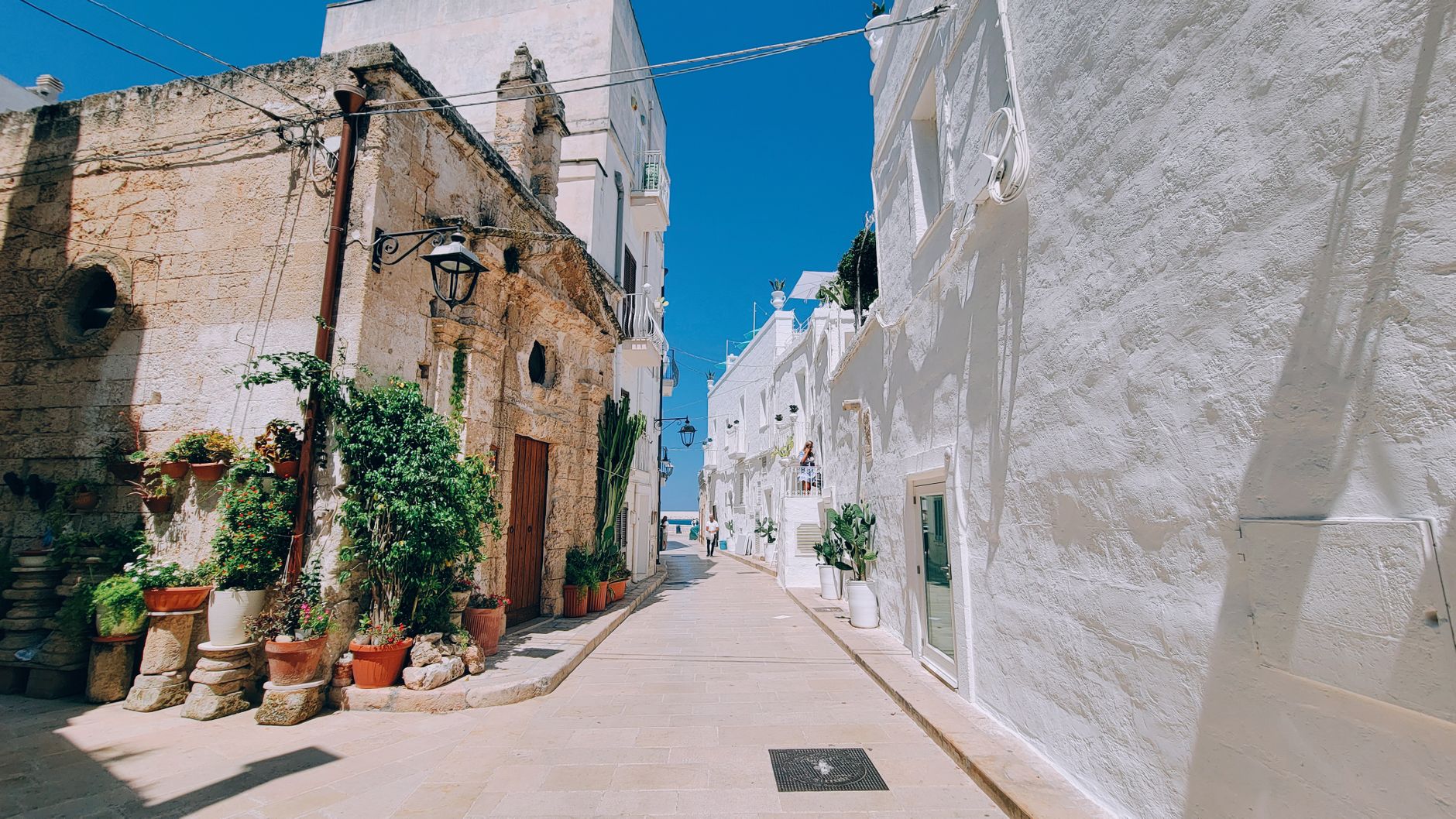
By 7 pm the day-trippers thin out and locals reclaim the streets for the passeggiata. Pull up a chair at one of the small bars on Piazza della Libertà — the gateway square just outside the old walls — and watch the sky behind the cathedral turn from gold to deep rose.
The views from the belvedere terrace near the cathedral stretch uninterrupted to the Adriatic on clear days, with ancient olive groves silvering in the evening light below.
More of Ostuni
Discover where to stay, what to do and the best deals for your trip.
Explore Ostuni →