Saint-Jean-Pied-de-Port, Pyrénées-Atlantiques
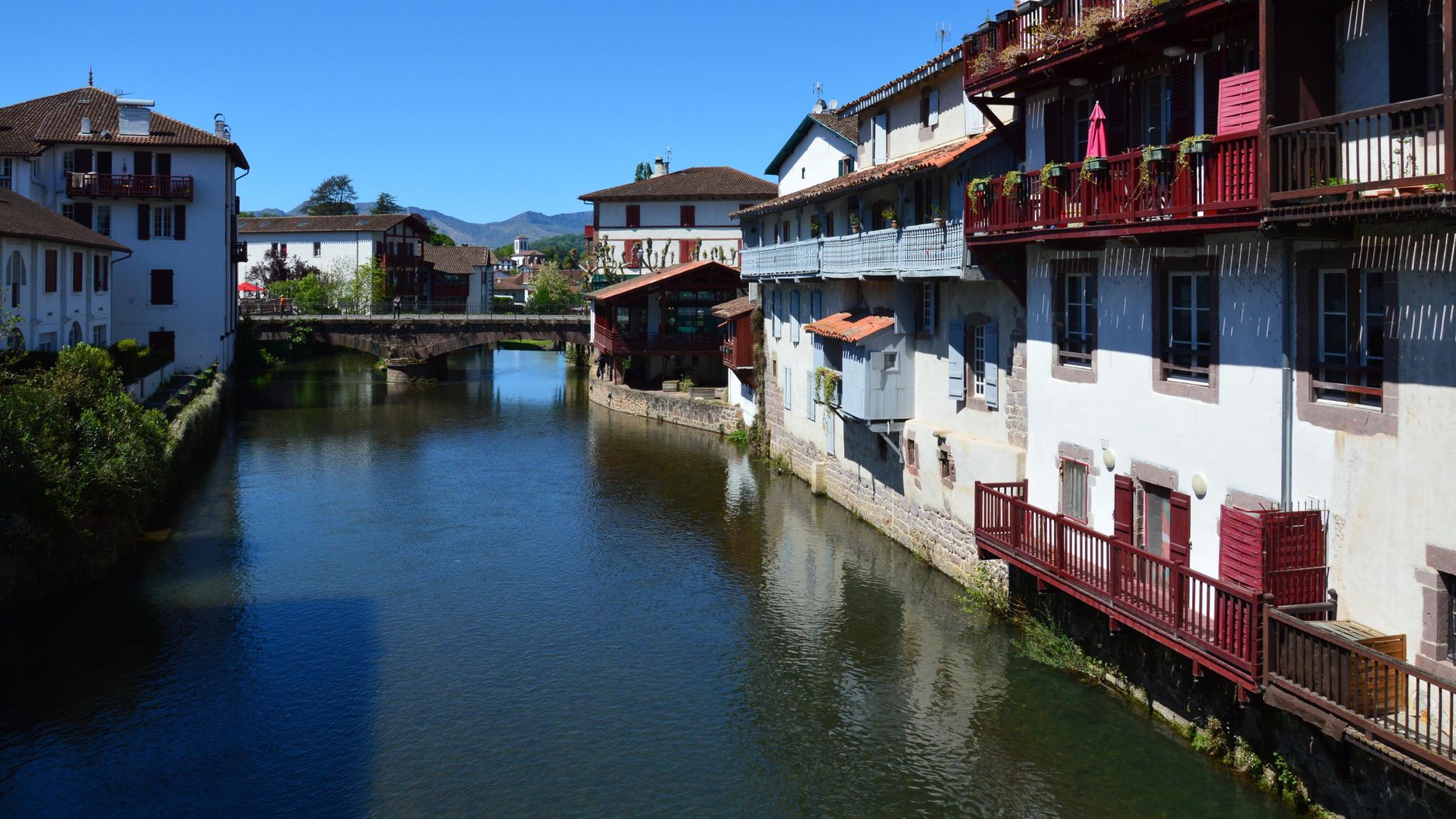
Tucked into a fold of the western Pyrenees where the Nive river runs jade-green through a medieval citadel, Saint-Jean-Pied-de-Port is the traditional starting point of the Camino Francés to Santiago de Compostela — but it rewards visitors who have no intention of walking 800 km just as richly. The old town's rust-red sandstone ramparts, pelota courts and pintxos bars feel authentically Basque in
The Old Town & the Citadel
Cross the Pont Notre-Dame into the Rue de la Citadelle and you enter a street that has barely changed since the 12th century: stone houses with carved lintels, a Romanesque church, and the blue-and-white Basque motifs painted on every doorframe. The Vauban citadel above the town offers a short walk and a sweeping view of the Pyrenean foothills that turn violet at dusk.
The Pilgrim's Office on Rue de la Citadelle is a fascinating stop even for non-pilgrims — you can watch hundreds of walkers from every continent collect their credencial (pilgrim passport) and set off at dawn for the 25 km climb over the Pyrenees to Roncesvalles in Spain.
Eating & Drinking the Basque Way
The town is small but the food is serious. Seek out Restaurant Itzalpea on Place du Trinquet for piperade (a slow-cooked Basque pepper and egg dish) and axoa de veau, a veal stew with Espelette pepper that is the defining comfort food of the Basque interior.
The Espelette pepper itself — AOC-protected and grown in the nearby village of Espelette, 30 km west — is sold in every shop here in powder, paste and whole dried form. It is one of the great edible souvenirs of Nouvelle-Aquitaine: mildly hot, deeply smoky, and used in everything from chocolate to jambon.
More of Nouvelle-Aquitaine
Discover where to stay, what to do and the best deals for your trip.
Explore Nouvelle-Aquitaine →