Gorges de la Vézère & Lascaux Caves, Dordogne
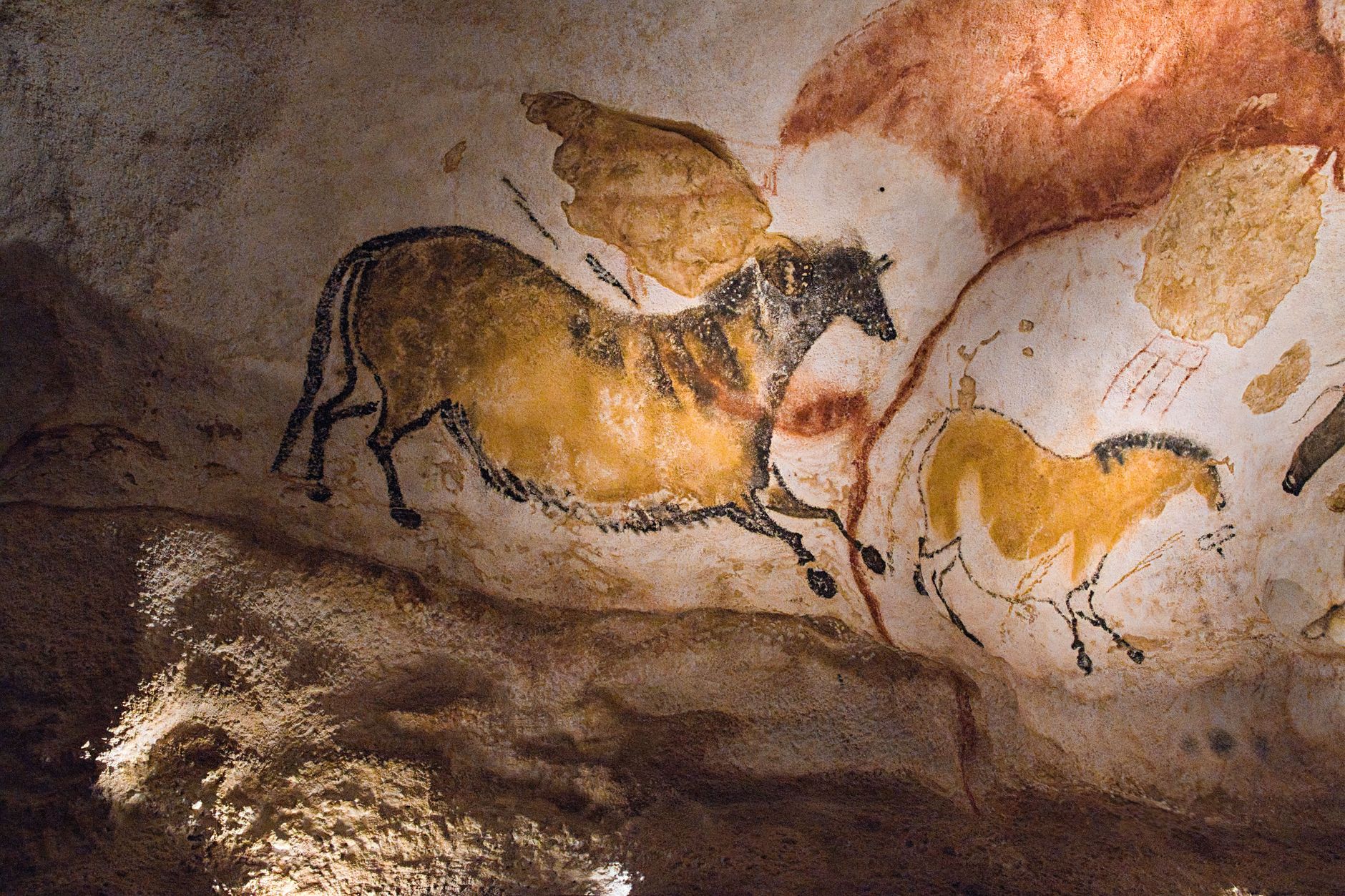
The Vézère Valley in the Périgord Noir is a UNESCO World Heritage landscape where golden limestone cliffs, walnut orchards and slow green river bends set the scene for the greatest concentration of prehistoric cave art on Earth. Lascaux IV, the meticulous full-scale replica of the original painted cave, brings 17,000-year-old aurochs, horses and stags to vivid life in a way the closed original nev
Lascaux IV & the Cave Art Circuit
Opened in 2016, Lascaux IV in Montignac is not a consolation prize — it is a genuine marvel of digital archaeology, using the same pigments and techniques as the Cro-Magnon artists to recreate every centimetre of the original cave at full scale. The immersive digital gallery beneath it contextualises the art within the broader story of human creativity in a way that is genuinely moving.
Beyond Lascaux, the valley holds the Font-de-Gaume cave near Les Eyzies (one of the last sites where original polychrome prehistoric paintings remain publicly accessible — book months ahead), the Abri du Cap Blanc with its carved horse frieze, and the Musée National de Préhistoire in Les Eyzies itself.
The Valley Beyond the Caves
Rent a canoe at La Roque-Gageac — a village of honey-coloured houses built into a cliff above the Dordogne river — and paddle downstream past Château de Castelnaud and the gardens of Marqueyssac. This stretch of river is arguably the most beautiful afternoon you can spend in southwest France.
The Périgord Noir is also truffle and foie gras country. The Wednesday market in Sarlat-la-Canéda, 12 km south of Lascaux, is one of the finest weekly markets in France and the ideal place to buy both.
More of Nouvelle-Aquitaine
Discover where to stay, what to do and the best deals for your trip.
Explore Nouvelle-Aquitaine →