Musée Matisse
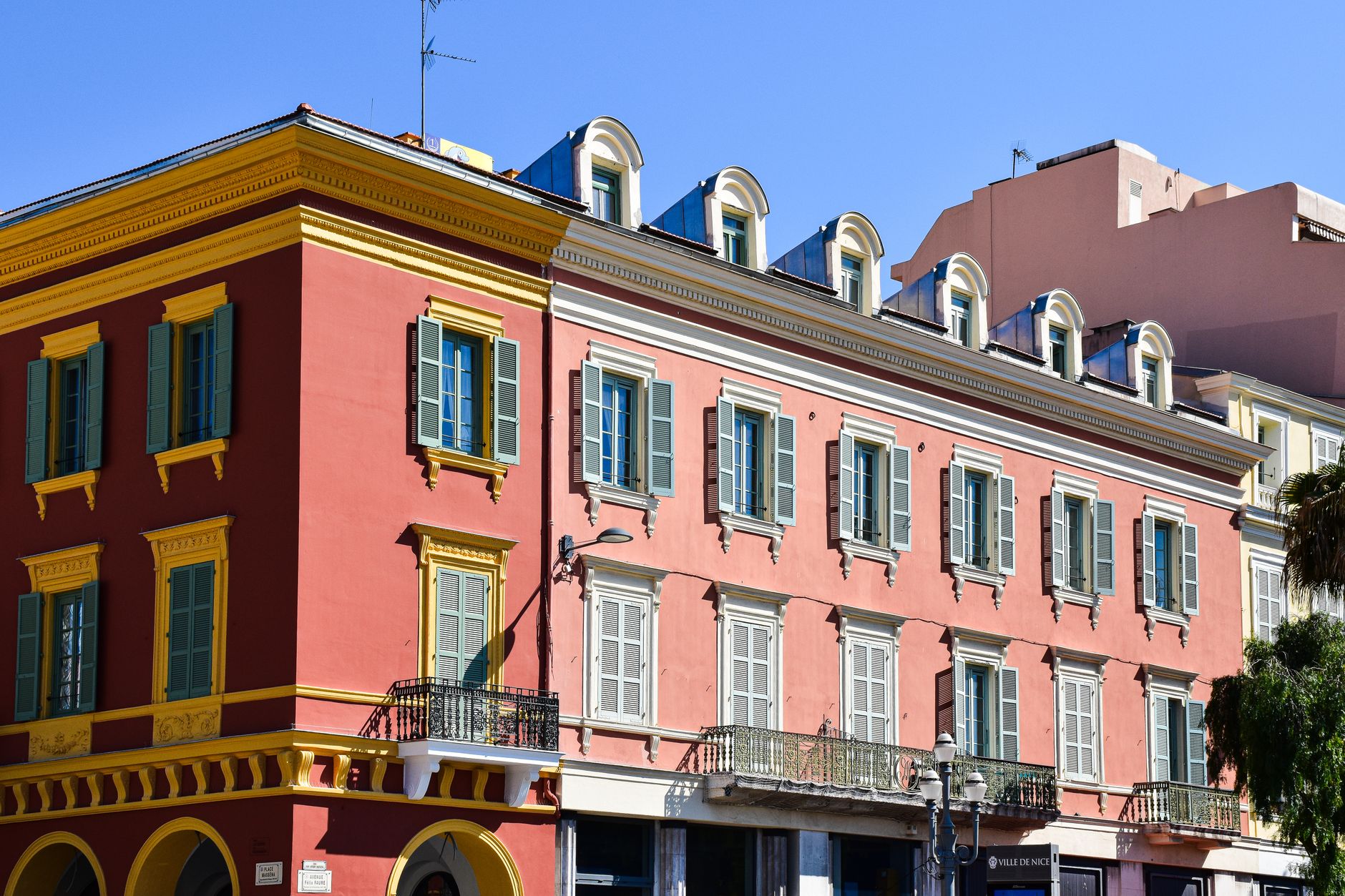
Set inside a 17th-century Genoese villa painted in deep red and ochre in the Cimiez neighbourhood, the Musée Matisse holds one of the world's most comprehensive collections of Henri Matisse's work — and unlike Paris blockbusters, you can stand quietly in front of a paper cut-out the size of a wall with almost no one else in the room.
The Collection
The museum traces Matisse's entire career from his dark early Flemish-influenced canvases to the luminous paper cut-outs — the Gouaches Découpées — that he created in his final years when arthritis prevented him from painting. The contrast between the two periods, displayed in adjacent rooms, is one of the great revelations of any art museum in France.
Among the highlights: a large study for the Barnes Foundation's La Danse mural, the Blue Nude series, and an extraordinary collection of personal objects — fabrics, ceramics, sculptures — that Matisse used as studio props and which appear again and again across decades of paintings. Seeing the actual striped Moroccan robe hanging beside the canvas where it appears is quietly thrilling.
The Cimiez Setting
The museum sits within the Arènes de Cimiez, a Roman amphitheatre complex surrounded by olive and rose gardens that are among the most peaceful green spaces in the city. Matisse himself is buried in the cemetery immediately adjacent — a simple grave beneath a cypress tree, easy to find and worth a moment of quiet reflection.
The Cimiez neighbourhood that surrounds the museum is a world away from the bustle of the Promenade: wide, villa-lined boulevards, the grand Belle Époque hotels that once welcomed Queen Victoria (who wintered here three times), and a pace of life that feels closer to 1910 than 2024.
Combining with Nearby Sights
A five-minute walk downhill brings you to the Musée National Marc Chagall, which houses the largest permanent collection of Chagall's work in existence — 17 monumental canvases from his Biblical Message series fill a purpose-built hall flooded with natural light. The two museums together make a full and deeply satisfying art day.
The Roman ruins of Cemenelum — baths, an amphitheatre and excavated streets — are visible directly beside the Matisse museum and are free to walk through. Nice was a significant Roman town, and these remains are more extensive and less visited than their importance deserves.
More of Nice
Discover where to stay, what to do and the best deals for your trip.
Explore Nice →