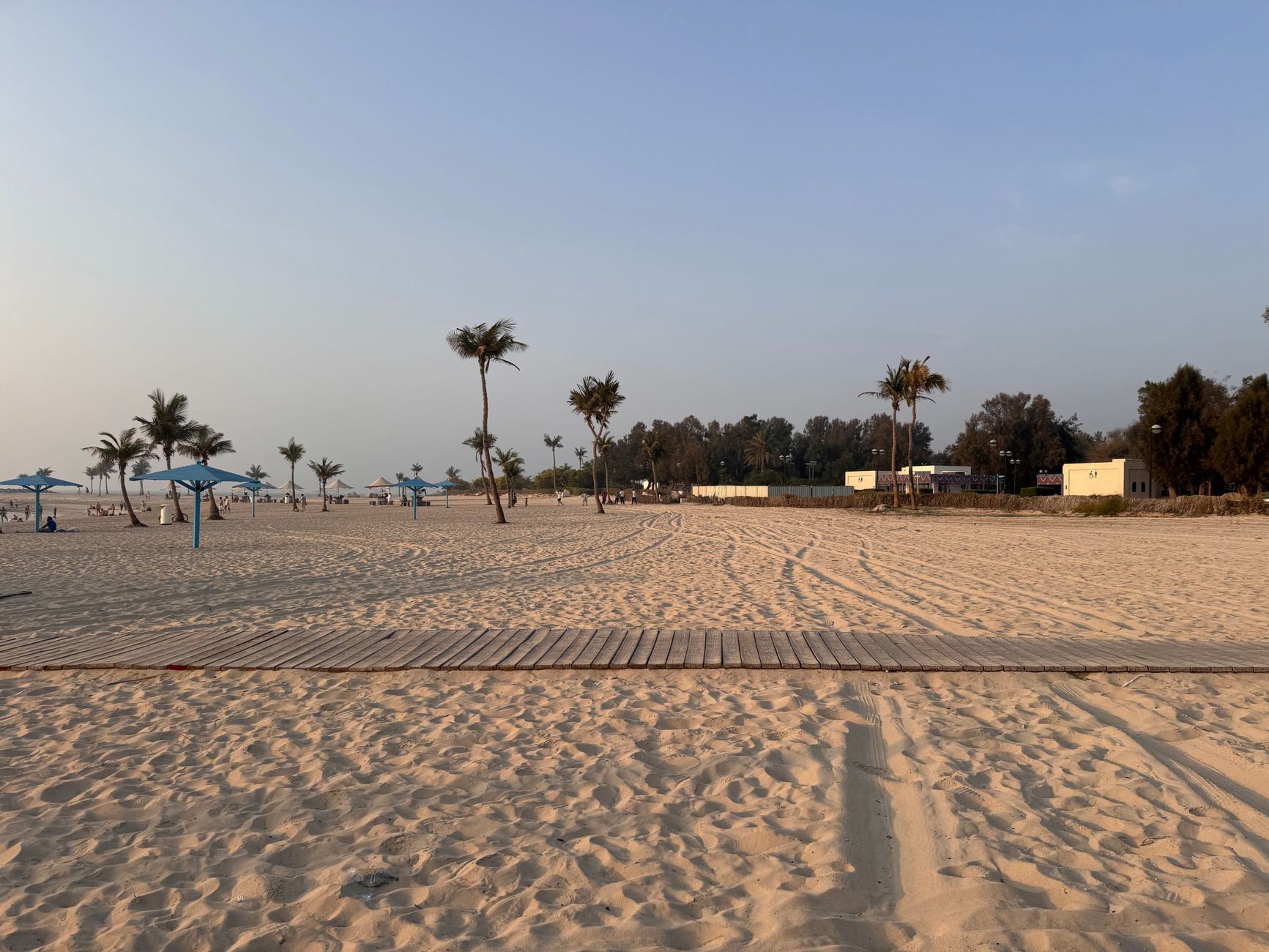
Sanjay Gandhi National Park
Step through the gates of Borivali East and the roar of Mumbai evaporates into birdsong. Spanning over 100 square kilometres of dense forest, Sanjay Gandhi National Park is one of the most extraordinary national parks on earth — a full-blown wilderness pressed against one of the world's busiest cities.
Green lungs of a megacity
Sanjay Gandhi National Park — originally known as Borivali National Park and established as a protected area in 1969 — covers a vast forested zone that provides Mumbai the green space it desperately needs. Two freshwater lakes, Tulsi and Vihar, sit within its boundaries and supply the city with drinking water.
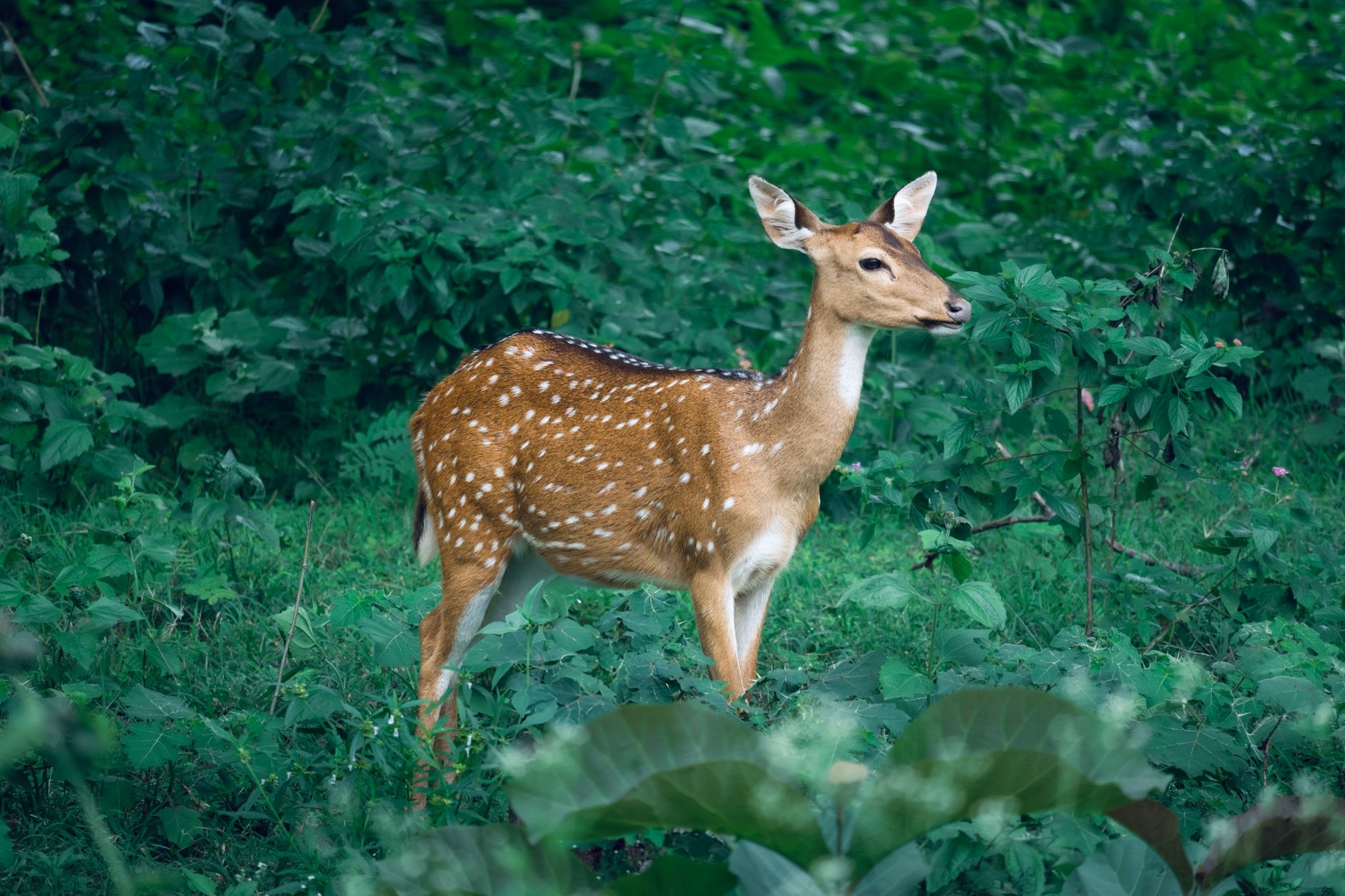
The park is home to an astonishing range of wildlife including leopards, spotted deer, and over 1,000 species of plants. The leopards are shy and nocturnal, so daytime visitors are more likely to encounter Malabar giant squirrels, macaques, and a riot of birdlife than big cats — though the possibility adds a delicious edge to any forest walk.
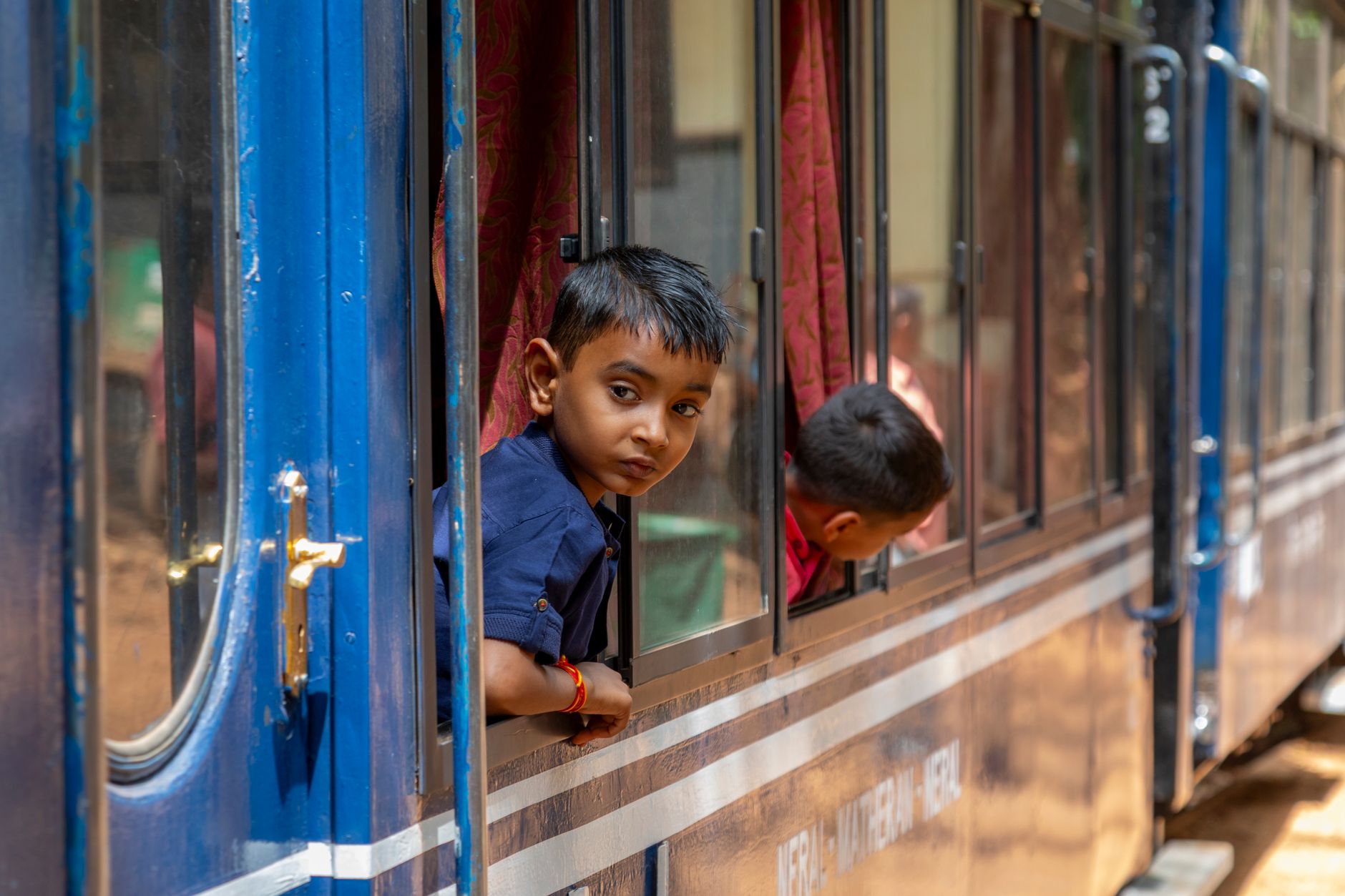
A miniature toy train trundles through the park for families, while cycling tracks, boating on the lakes, and a lion-and-tiger safari in a secured zone round out the activities. Come during the monsoon and the whole park transforms into a dripping, luminous rainforest.
Getting in and getting around
The main entrance is in Borivali East, right off the Western Express Highway. Take the Western Line local train to Borivali Station, then hop on an auto-rickshaw for the 10–15 minute ride to the gate — expect to pay around ₹30–50 for the auto.
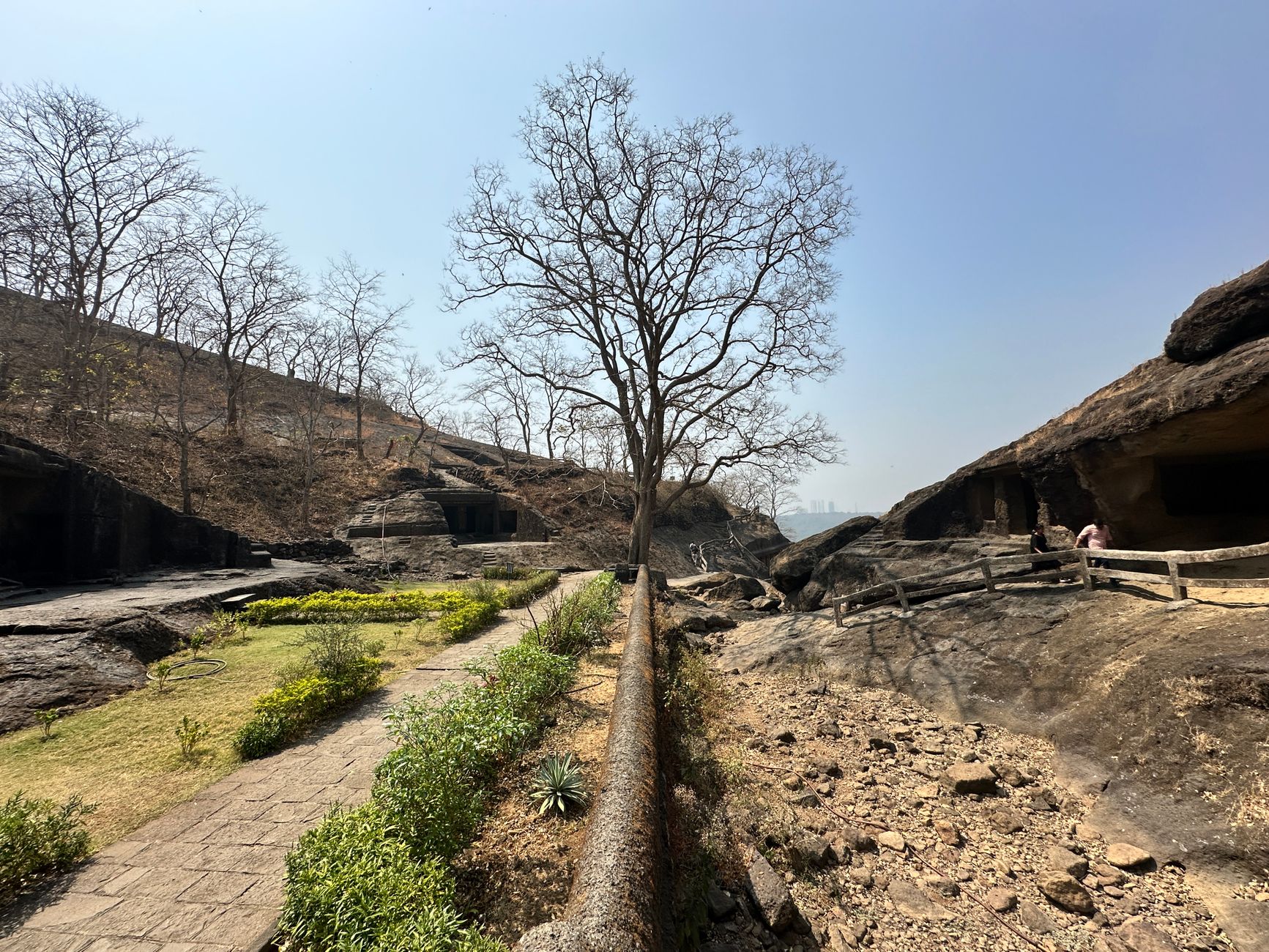
Once inside, a park bus service runs between the main gate and the deep interior, making it easy to reach the Kanheri Caves without a car. Bikes can also be hired at the entrance for ₹60 per two hours, with a ₹300 deposit and ID proof required.
Sanjay Gandhi National Park on video
More of Borivali
Discover where to stay, what to do and the best deals for your trip.
Explore Borivali →