Kénadsa — Ksar, Zaouïa & Coal-Mine Ghost Town
Just 18 kilometres west of Béchar, the small town of Kénadsa is one of the most layered and least-visited places in the Algerian Sahara — a place where a medieval Sufi zaouïa, a classified historic ksar, and the haunting ruins of Algeria's first industrial coal mine all coexist in one dusty, extraordinary townscape.

The Zaouïa Ziania & the Ksar
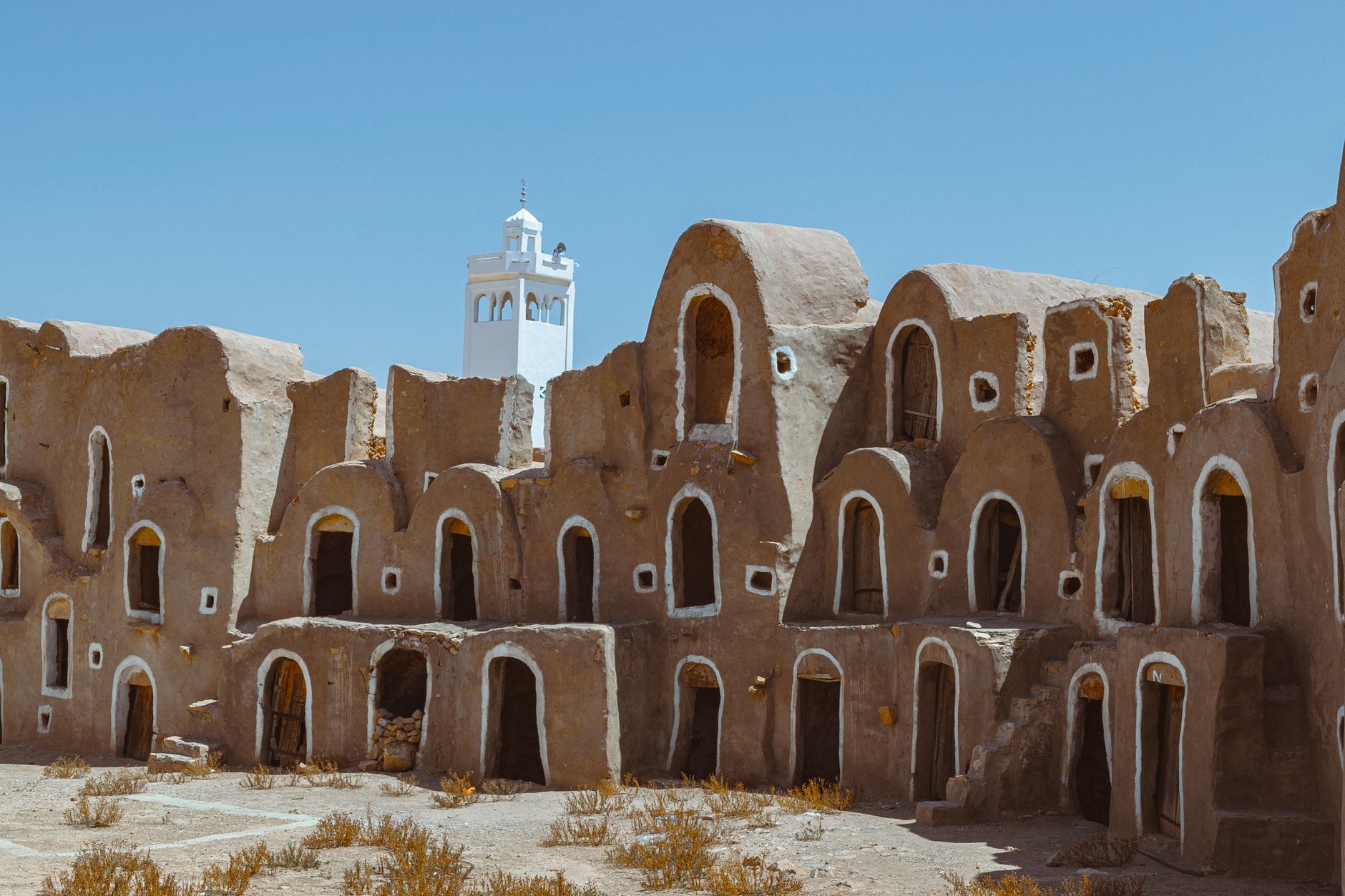
The Zaouïa Ziania, founded in the 18th century by Sidi M'hammed Ben Bouziane, was for generations one of the most important centres of Islamic scholarship and Sufi devotion in the western Sahara. Its mosque and teaching rooms still stand, and the ksar surrounding it has been classified as a living historic monument — one of the few in the region.
The ksar's mud-brick architecture is in a remarkable state of preservation, with narrow vaulted lanes, communal granaries, and carved plaster decorations that would not look out of place in a museum. The fact that almost no tourist infrastructure exists here means you are likely to have it almost entirely to yourself.
The Coal-Mine Heritage
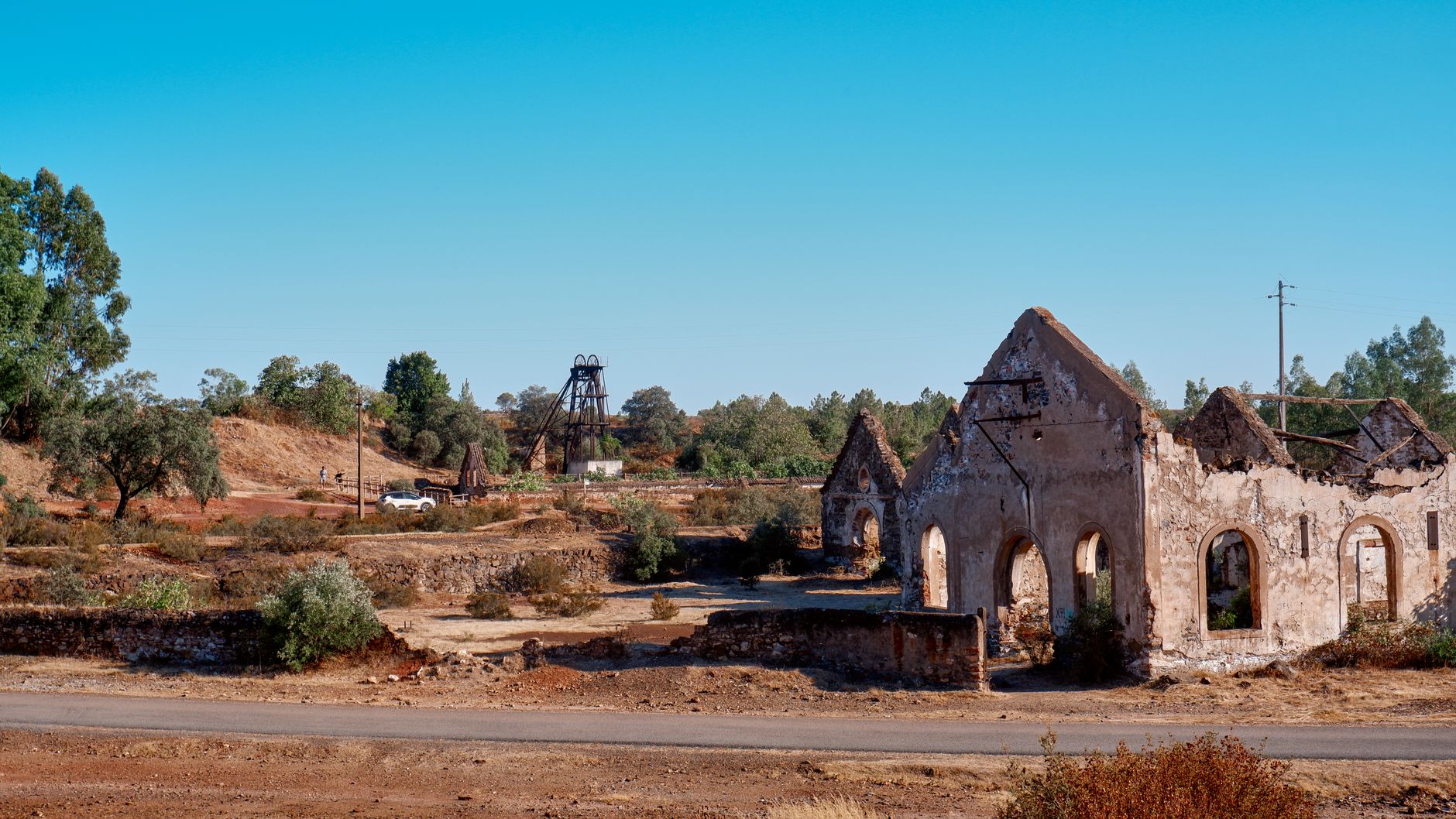
Kénadsa was the first industrial city in southern Algeria, its coal deposits exploited intensively from 1917 onward by the French colonial Houillères du Sud Oranais company. After Algerian independence, mining ceased, leaving behind a vast industrial landscape — slag heaps, engine houses, and rusted machinery — that has since been classified as cultural and industrial heritage of Béchar Province.
Three celebrated Algerian writers were born here: novelist Malika Mokeddem, environmentalist Pierre Rabhi, and bestselling author Yasmina Khadra (Mohammed Moulessehoul) — a literary pedigree that gives this unassuming desert town an outsized cultural significance.

More of Béchar
Discover where to stay, what to do and the best deals for your trip.
Explore Béchar →