
Sharia al-Souq — Luxor's Living Bazaar
Running north from behind Luxor Temple, Sharia al-Souq splits into two distinct worlds: a tourist-facing covered lane of papyrus and carved scarabs, and — push further north onto Sharia Ahmos — a raw, fragrant local souk where families shop for daily life. The second half is where the real Luxor lives.
Two Markets in One Street
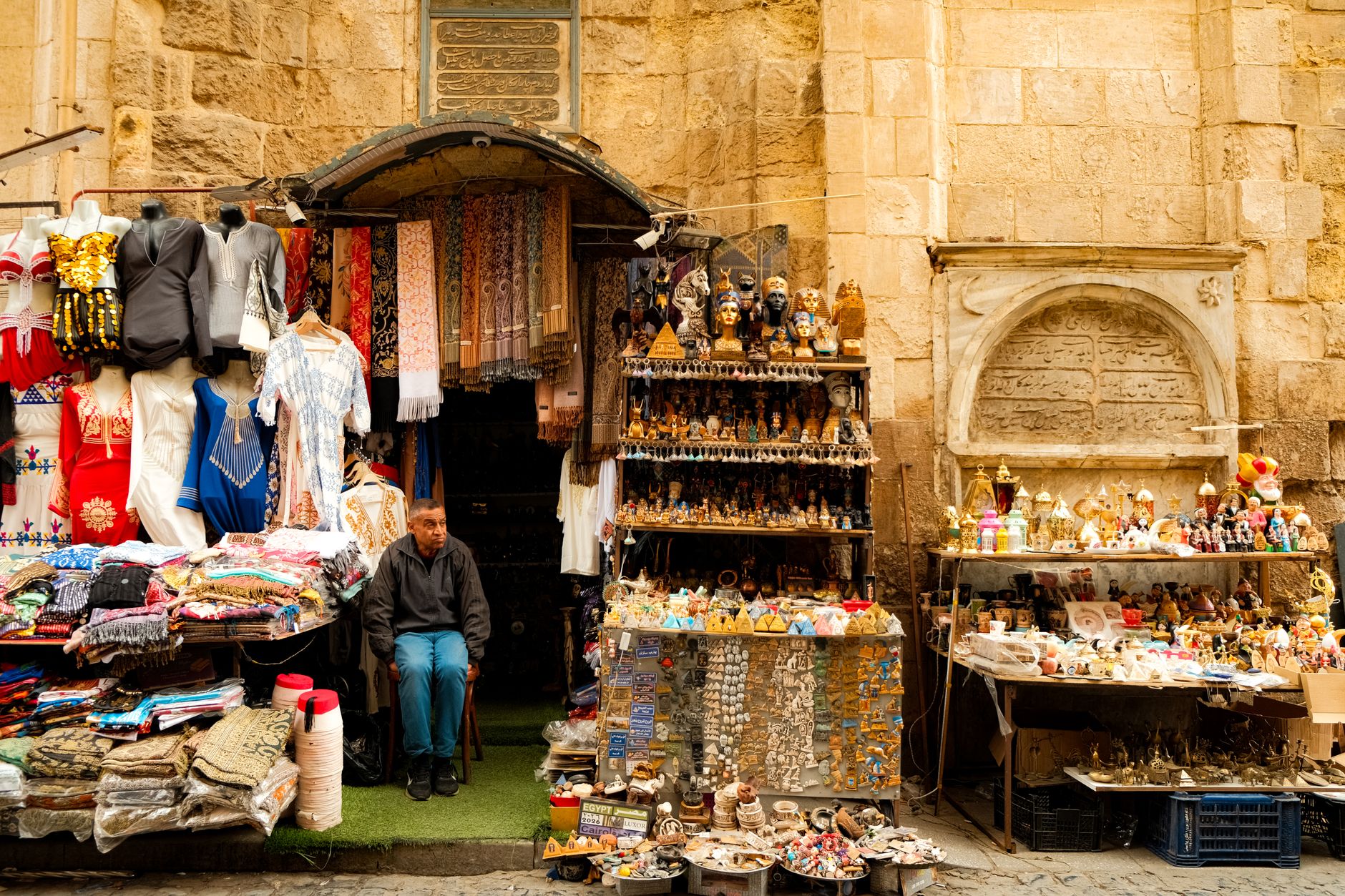
The southern, pedestrianised section of Sharia el-Souq is lined with alabaster workshops, galabeyya stalls and papyrus vendors — a good place to practise your bargaining and pick up a hand-carved canopic jar, but prices start high so haggle hard.
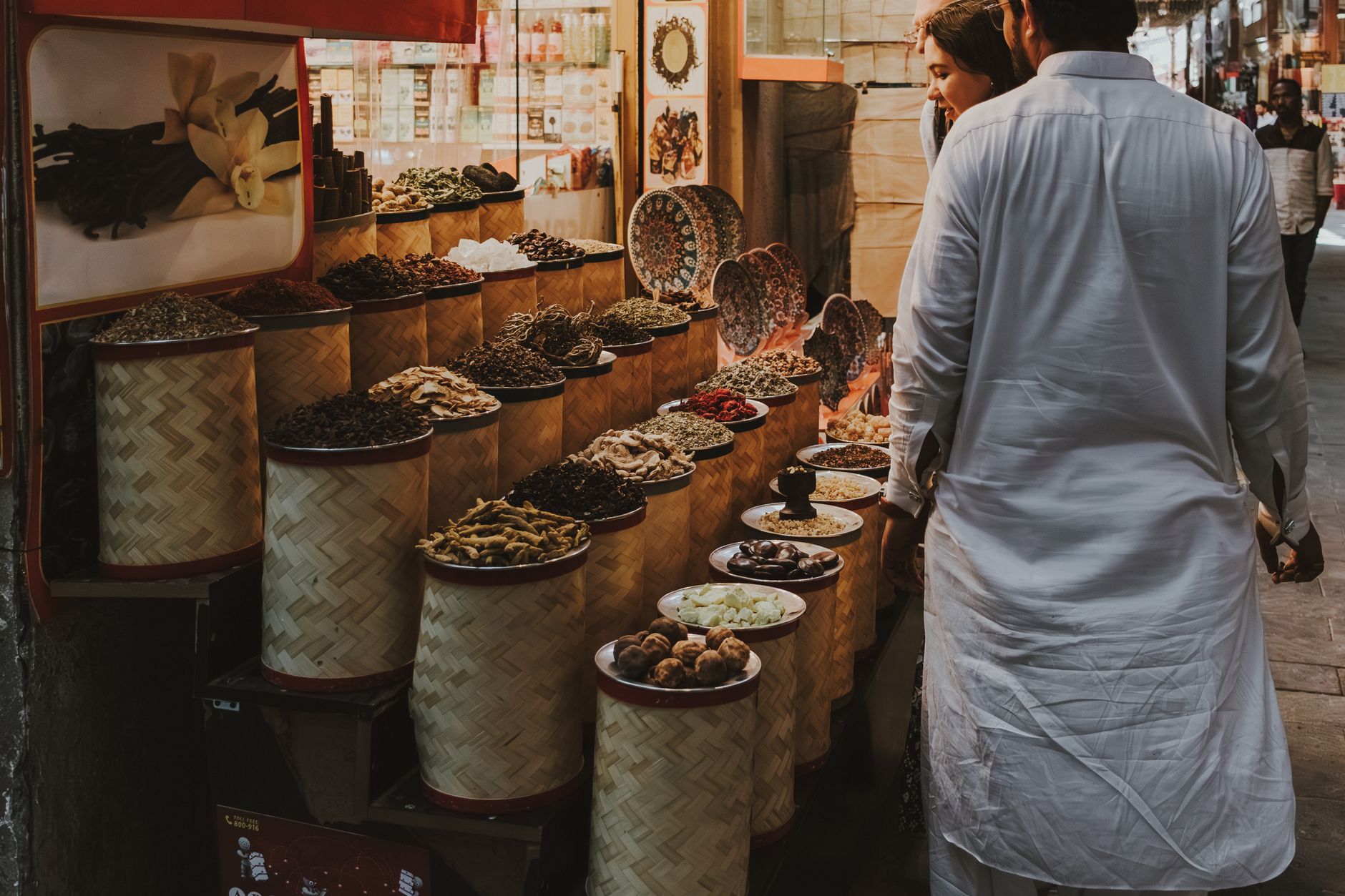
Continue north and the street transitions into Sharia Ahmos, where the ancient architecture is unrestored and the stalls pivot to cumin, dried hibiscus, fresh dates, and bolts of cotton — this is the authentic souk that most visitors walk straight past.
What to Buy (and What to Avoid)
Genuine alabaster is quarried near Luxor and is the city's most honest souvenir — cool to the touch and noticeably heavier than the resin imitations sold alongside it; pick up two pieces and compare the weight before you buy.
Embroidered shawls, white galabeyas, hand-woven textiles and small copper lanterns are also excellent value; skip the mass-produced 'King Tut' snow globes and the cheap papyrus printed with a laser printer.

Evening is the Magic Hour
The souq comes fully alive after 5 PM when the heat drops, the neon signs flicker on and the smell of grilling kofta drifts from the food stalls at the northern end of the lane.
Street food vendors set up small carts selling ful medames, ta'ameya (Egyptian falafel), and fresh-squeezed sugarcane juice — eat here and you'll spend less than a dollar on a genuinely delicious supper.
More of Al-Bayadiyya
Discover where to stay, what to do and the best deals for your trip.
Explore Al-Bayadiyya →


