
Zanzibar
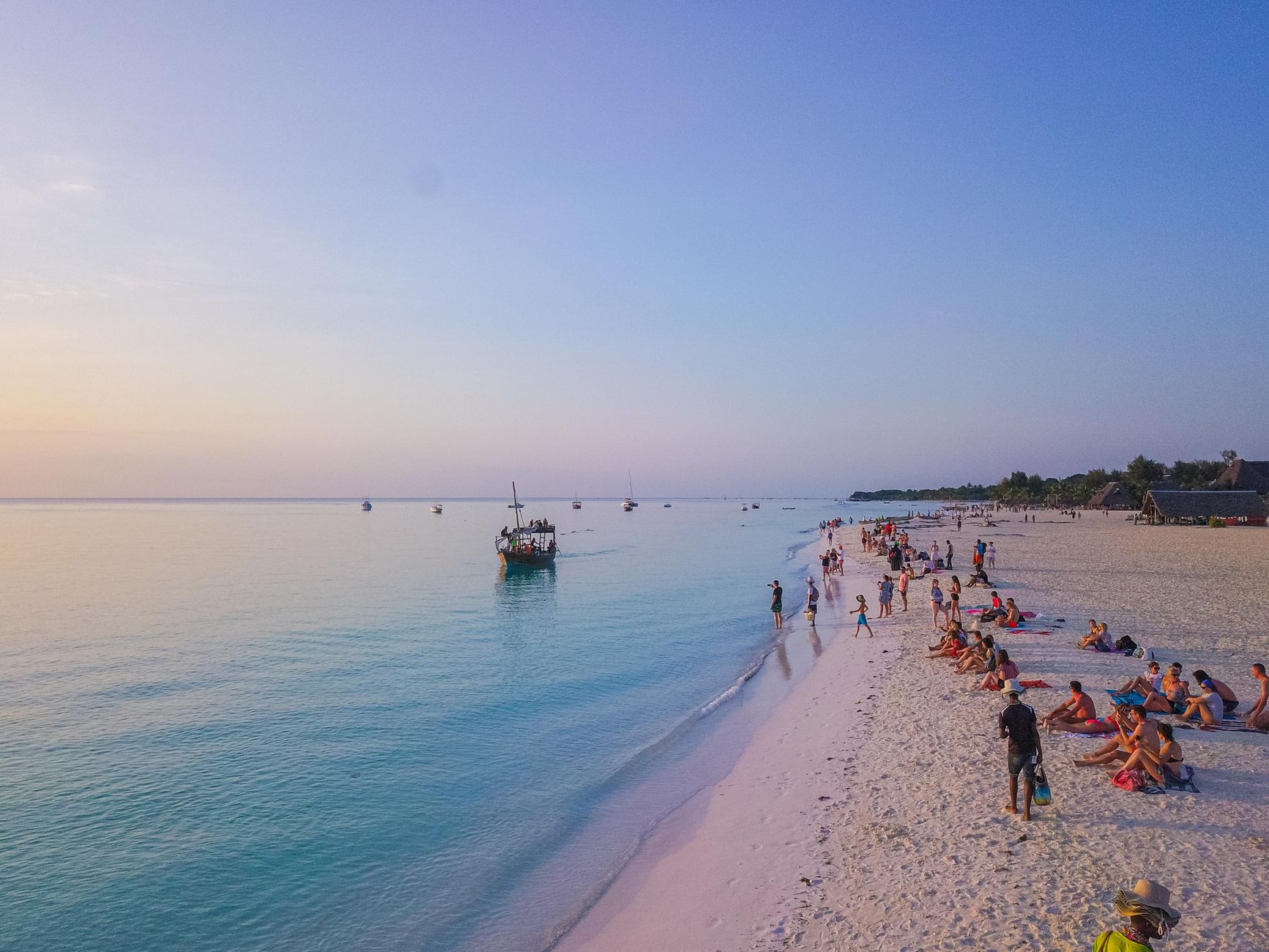
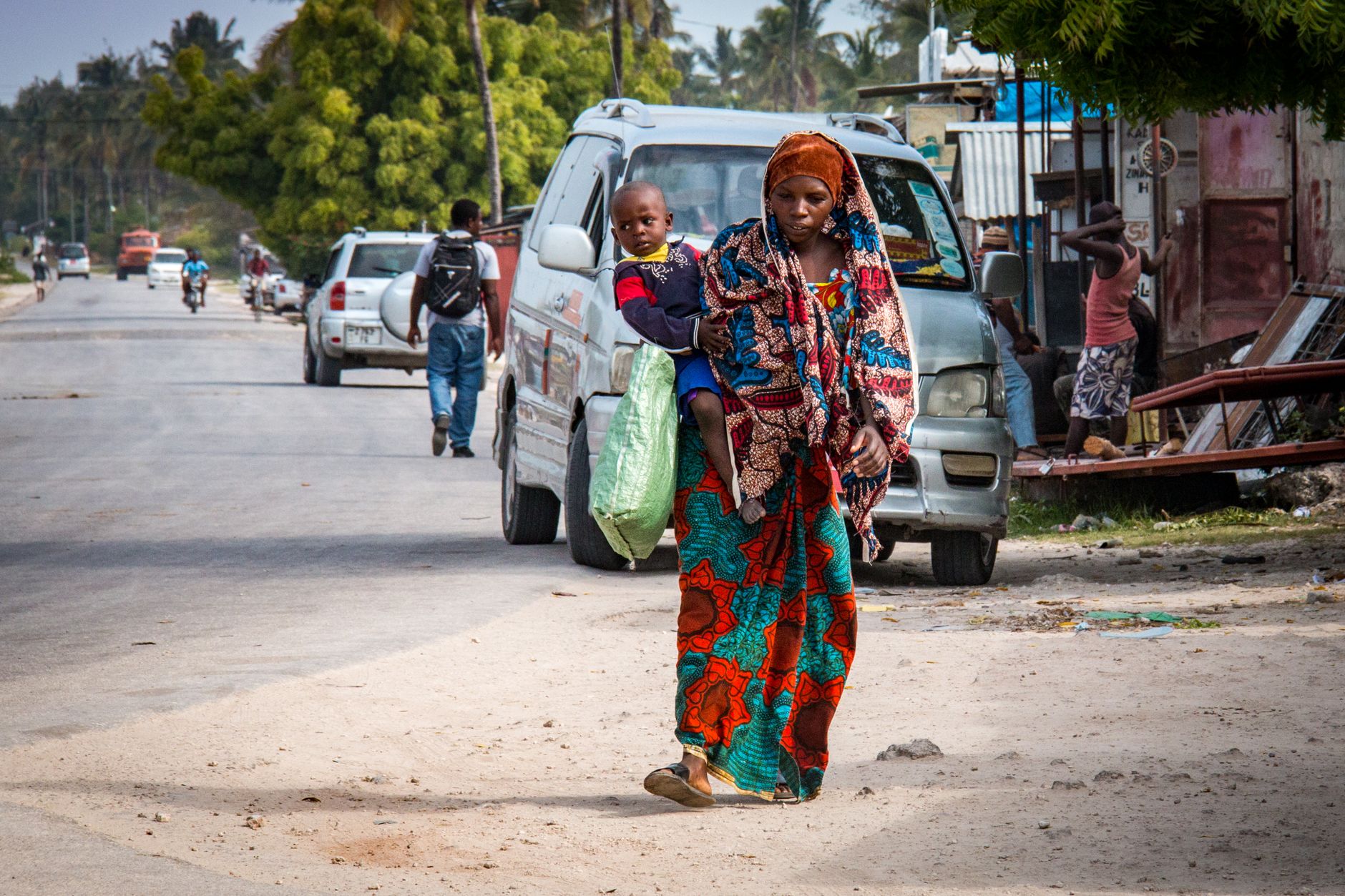
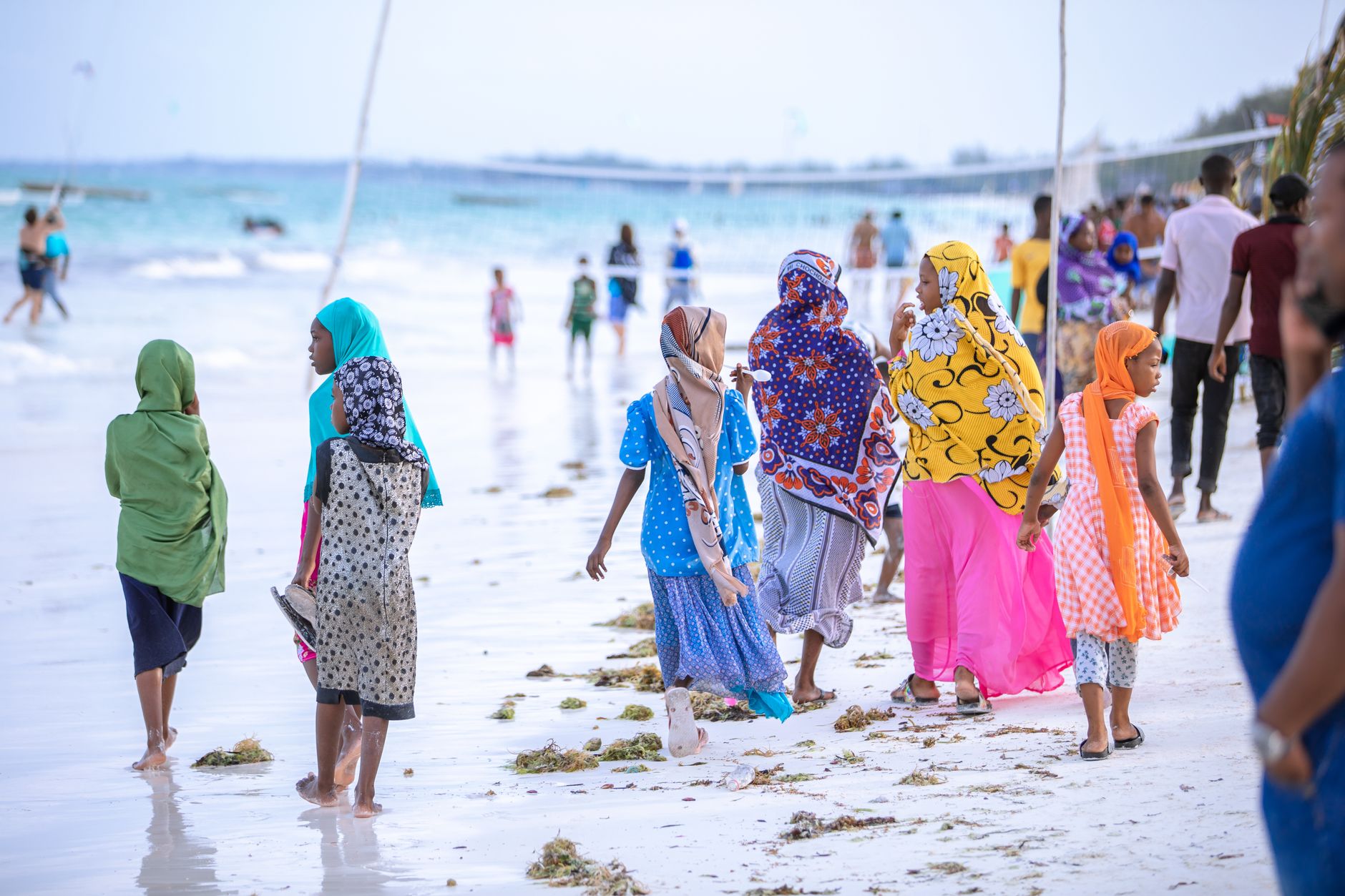
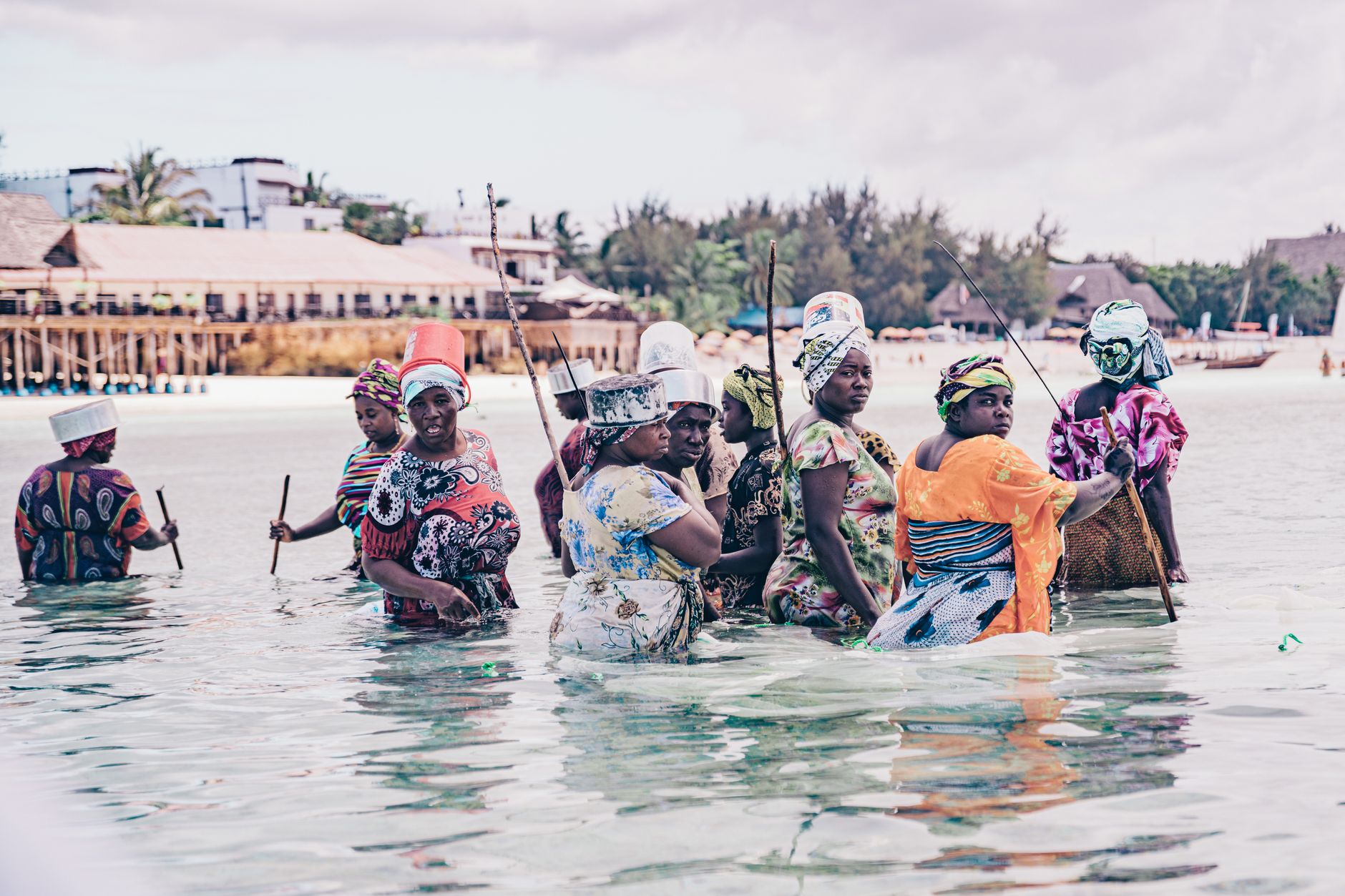
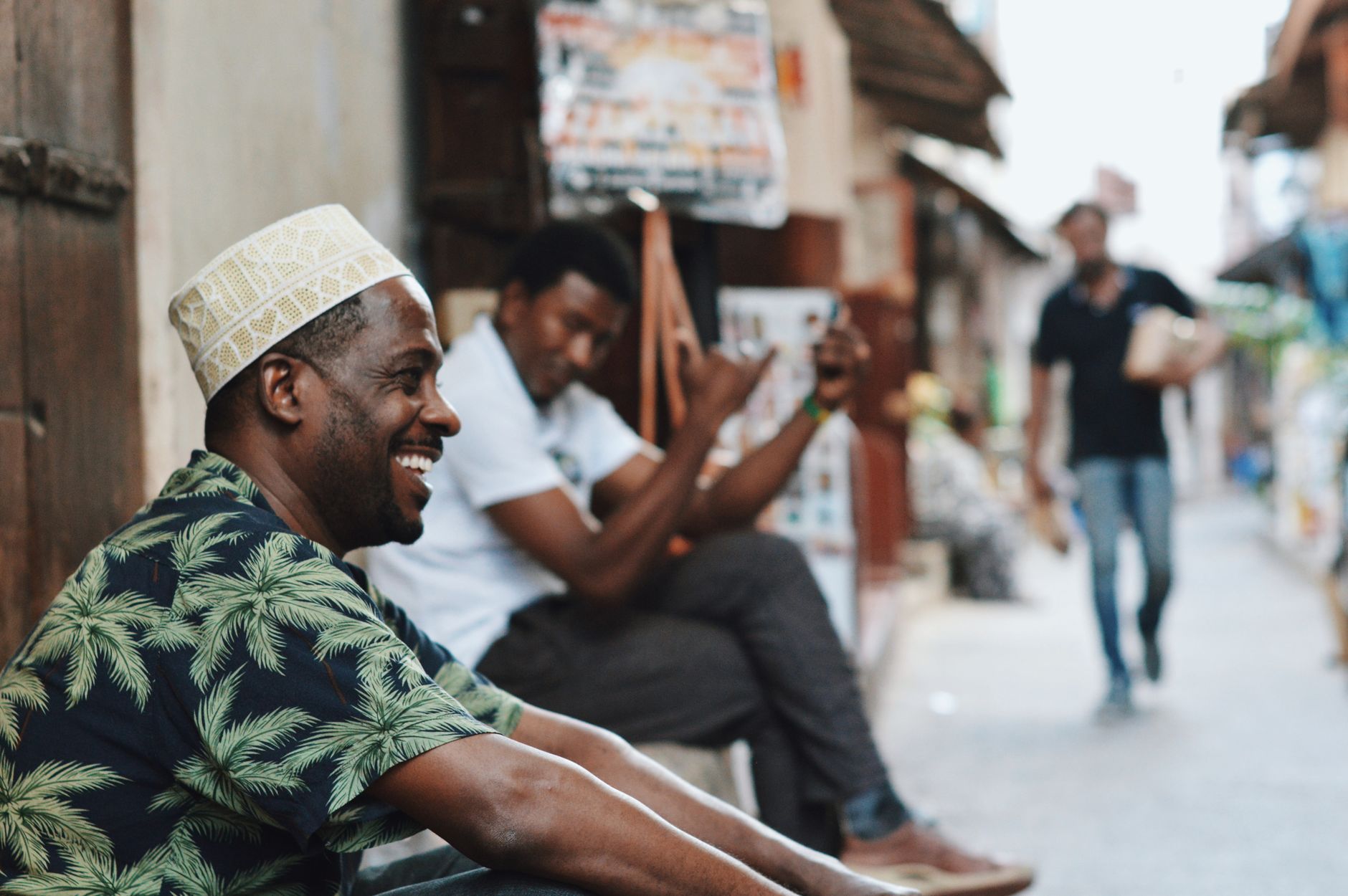
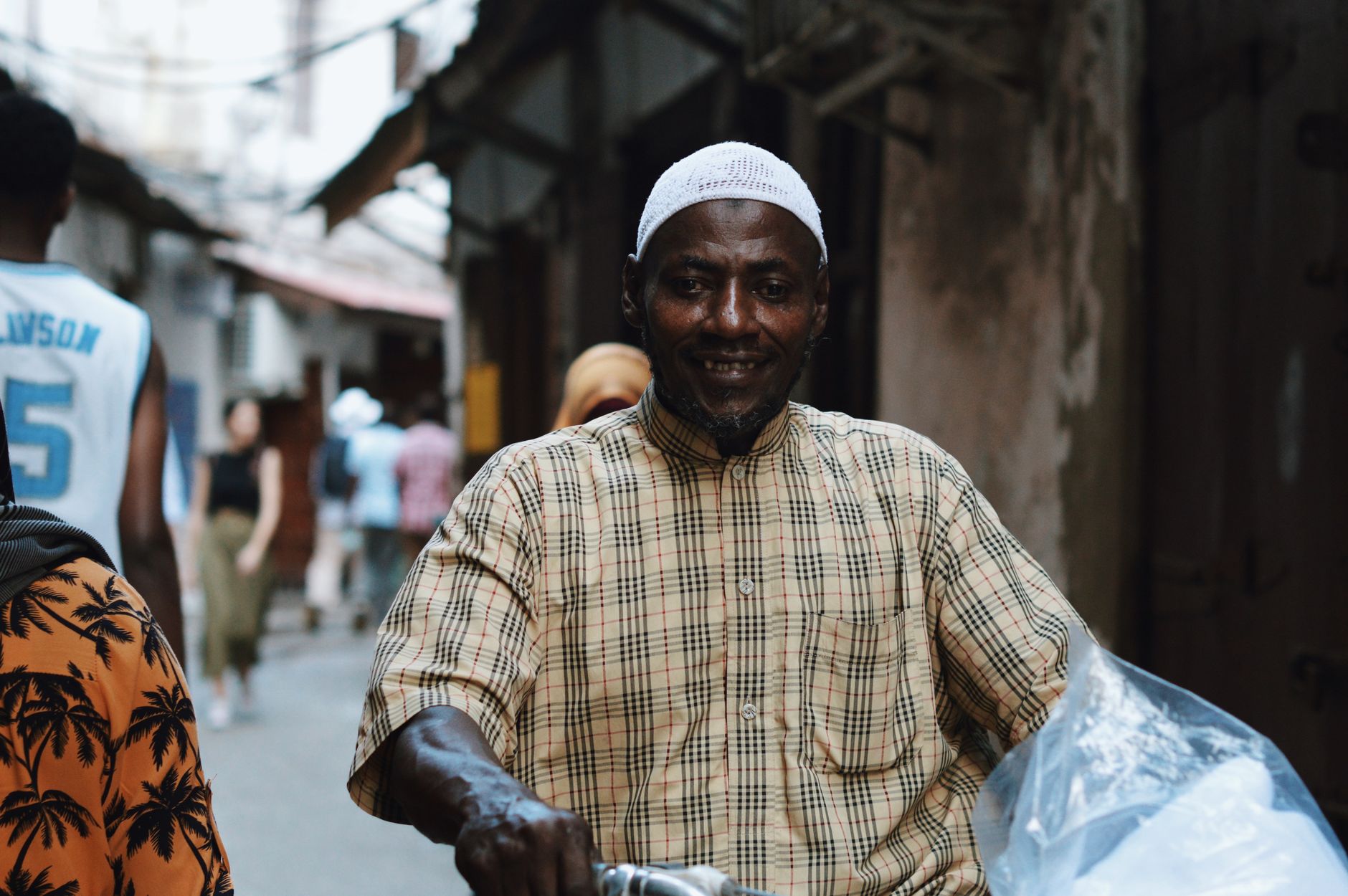
Zanzibar is an archipelago off the East African coast where the Indian Ocean has been doing its quiet work for centuries — dissolving borders, depositing cultures, leaving behind a place that belongs fully to none of its many influences and entirely to itself. Stone Town's carved wooden doors open onto lanes that smell of cloves and salt air, and the call to prayer layers over the sound of the sea.
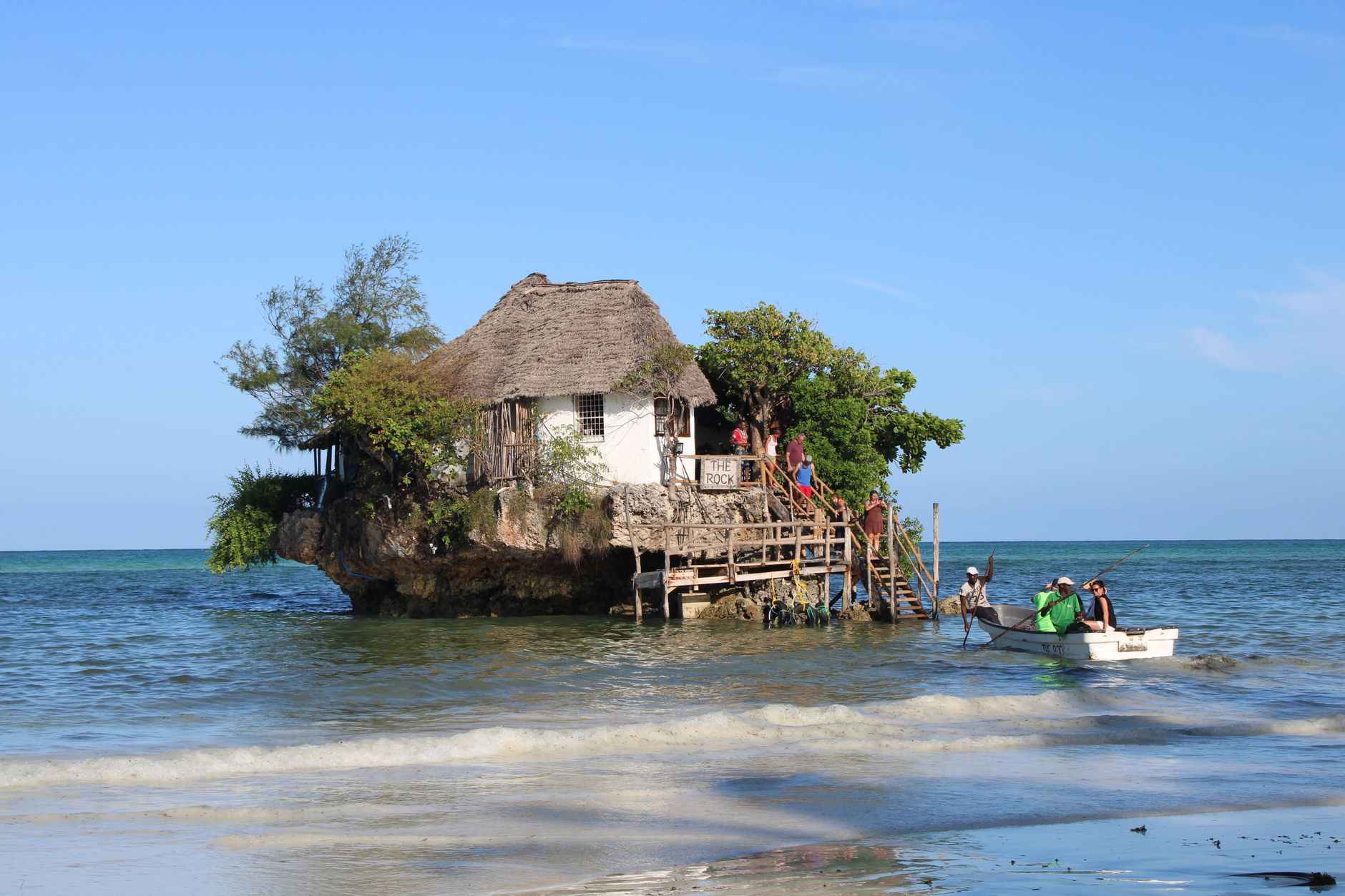
The main island, Unguja, holds the old city, the spice farms, and long coral-reef beaches to the north and east. The history here is not decorative. It runs through the architecture, the food, and the ground beneath the cathedral.


How Zanzibar came to be
Traders from Arabia, Persia, and western India were passing through these waters as early as the 1st century AD. Vasco da Gama arrived in 1499, and within a few years Zanzibar was paying tribute to the Portuguese Empire. The Omanis displaced them in 1698, and in 1840 the Omani ruler Said bin Sultan made a decisive move — he relocated his capital from Muscat to Stone Town, pulling the islands into the centre of a maritime trading empire that dealt heavily in cloves and enslaved people.
Britain declared a protectorate in 1890, and in 1896 the Anglo-Zanzibar War — the shortest in recorded history, over in under an hour — settled a succession dispute in the sultan's palace. Independence came in December 1963. A month later, revolution. By April 1964, Zanzibar had merged with mainland Tanganyika to form Tanzania, retaining the semi-autonomous status it holds today.
Who and what shaped it
People who shaped it
Landmark buildings
See Zanzibar in motion
Plan your visit
On the map
When to go
Zanzibar has two rainy seasons: the long rains from March through May, and shorter rains in November. The coolest and driest months run from June to October, when southeast trade winds keep the heat manageable; January and February are dry and warm, with temperatures often reaching the low 30s Celsius.
Right now
↡ Cities
Background & history adapted from Wikipedia (CC BY-SA) · specs from Wikidata (CC0) · weather from Open-Meteo · map data © OpenStreetMap contributors · photos from Wikimedia Commons / Unsplash with per-image credit. No third-party reviews or social posts reproduced.