
Fumba

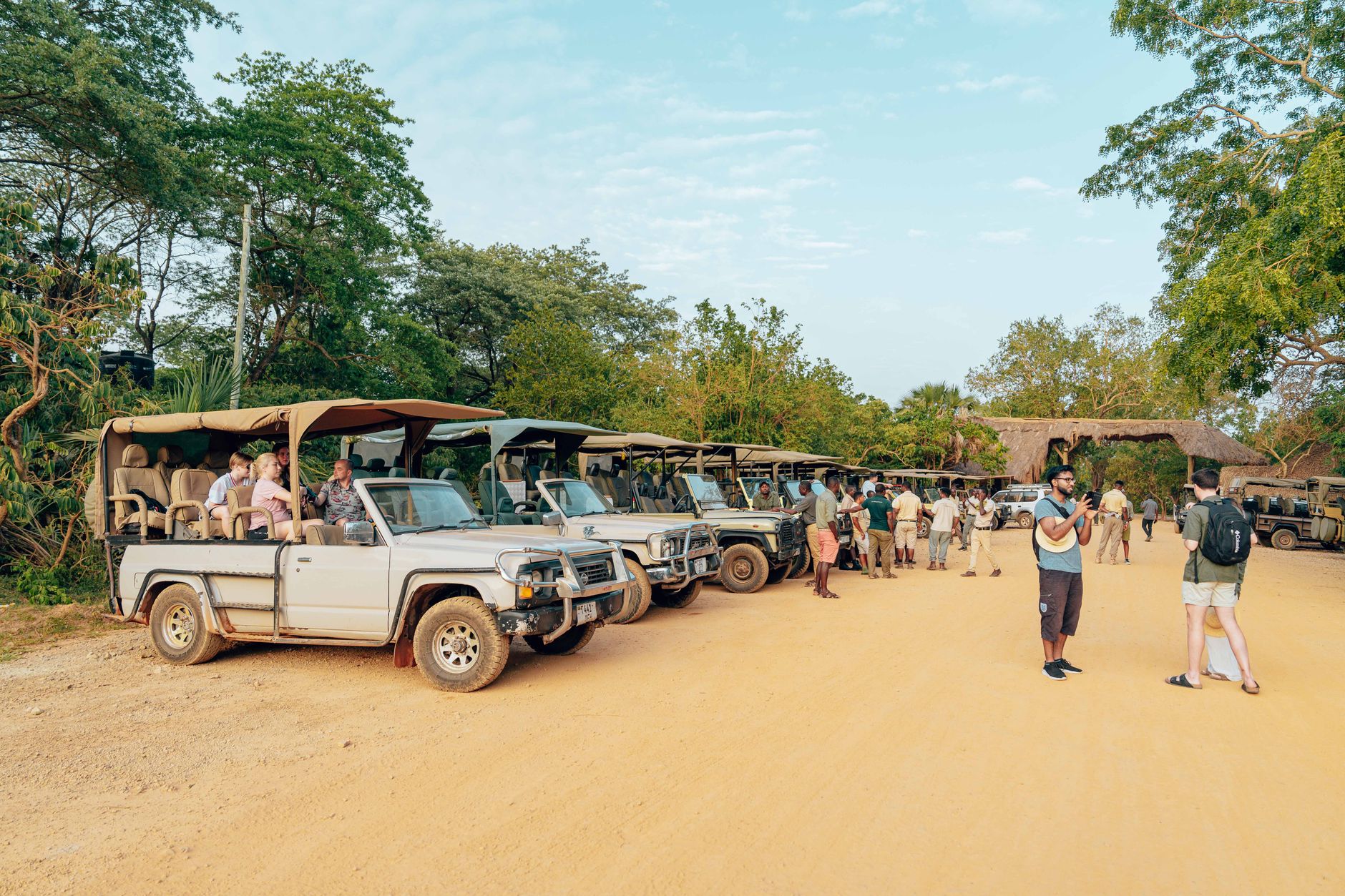

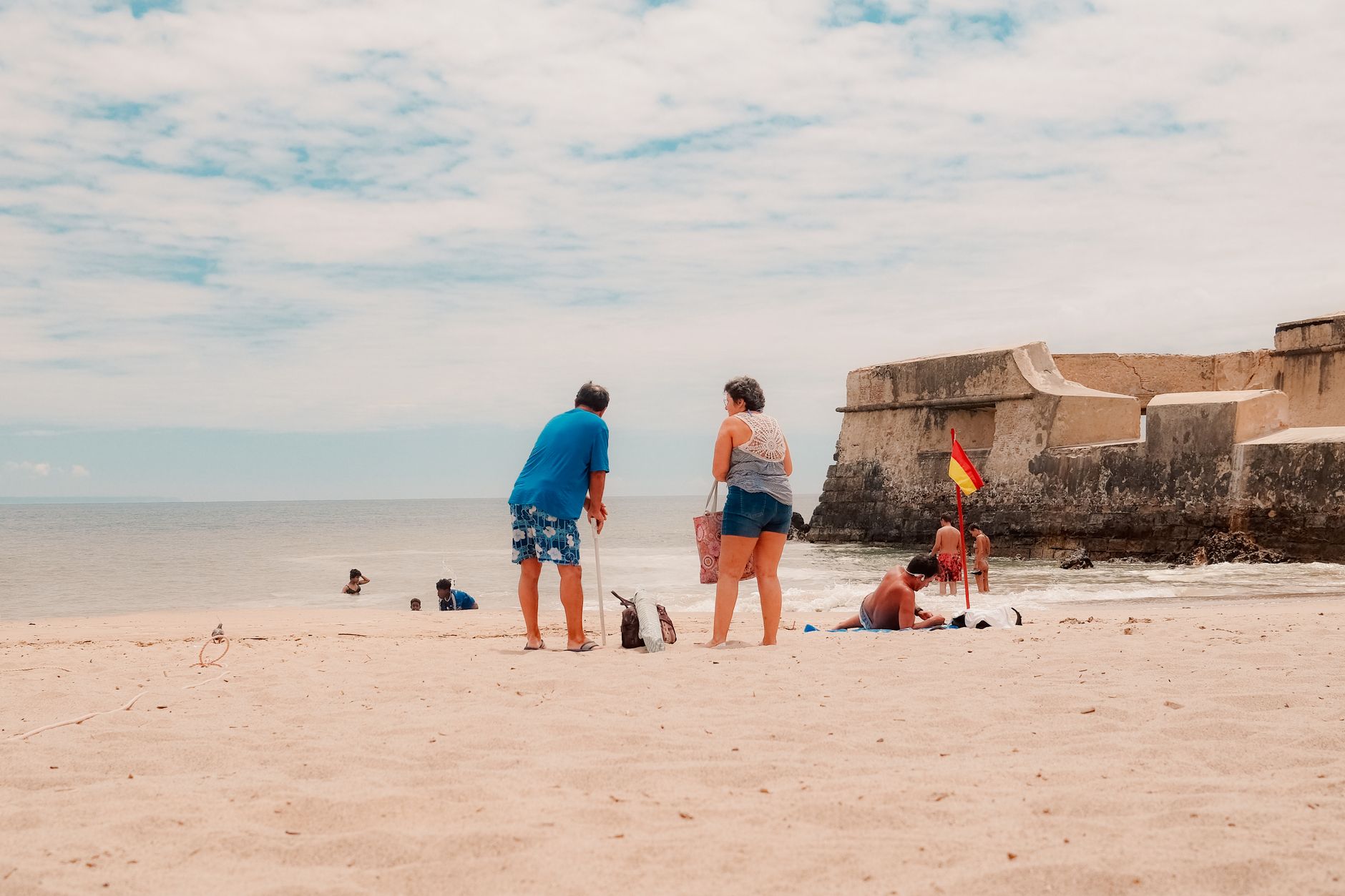
Fumba sits at the very tip of Zanzibar's southwestern peninsula, where the coral road runs out and the Indian Ocean takes over on three sides. The village has fewer than a thousand people; the water around it, protected inside Menai Bay, has considerably more life. What makes Fumba worth the 15km of increasingly rutted driving from town is the collision happening here: a quiet Swahili fishing settlement on one side, and on the other, a planned township that is raising a 27-storey timber-frame tower and preparing a port capable of handling a quarter-million shipping containers a year.
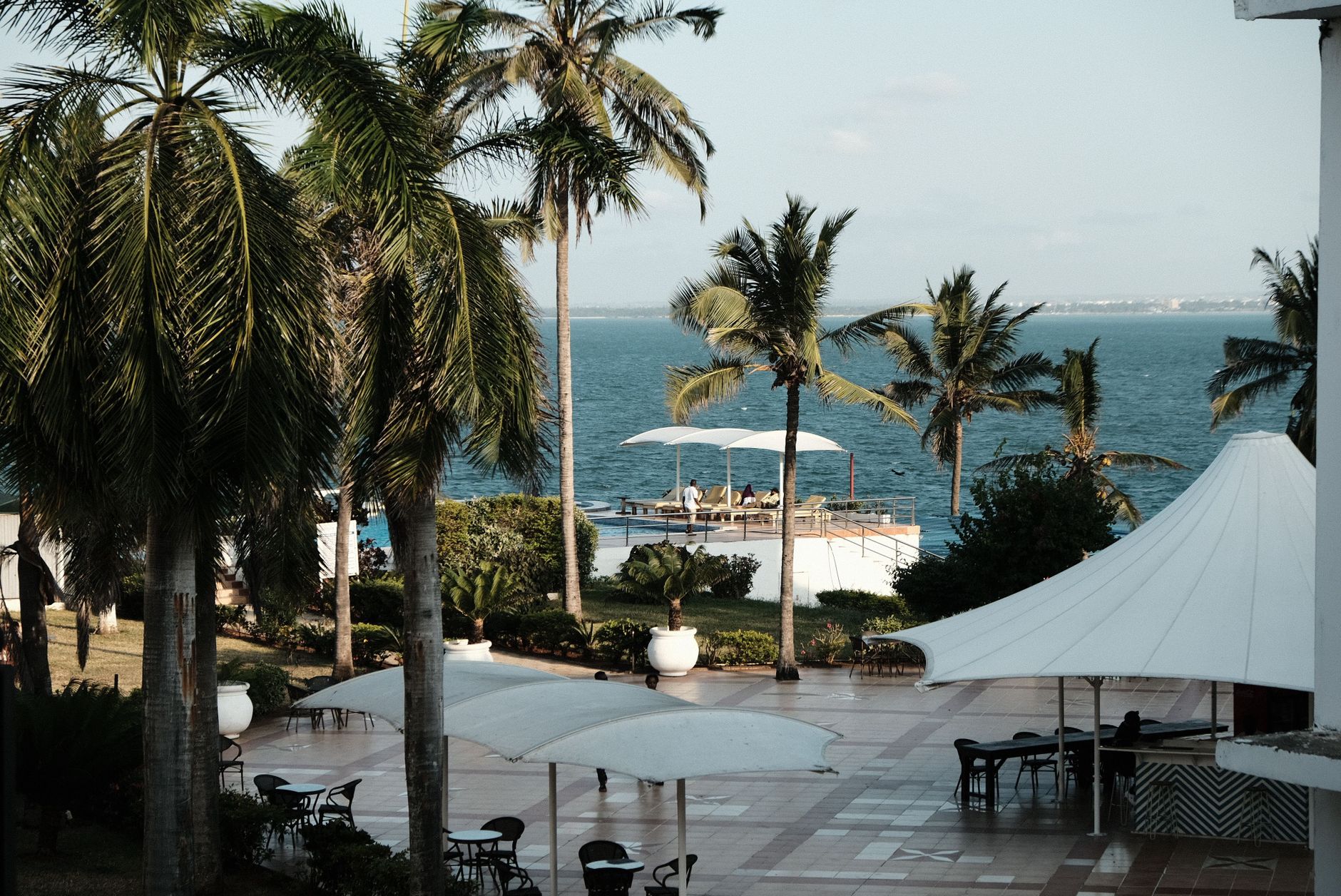
Fumba Beach Lodge — just 26 cottages — is currently the only place to sleep on the peninsula, which keeps the pace slow. Day-trippers arrive for Safari Blue sailing excursions and leave by afternoon, returning the shoreline to the fishermen.
💛 What travellers fall for
People who come back tend to book Safari Blue well in advance and ask for Issa Kibwana when they want a plantation walk rather than a resort tour. The Kwetu Kwenu Chill open-air restaurant at the Pavilion is worth knowing about for lunch — it pulls a local crowd and the setting is far less resort-polished than anything at the lodge.
Deals in Fumba
Book directly at the provider

How Fumba came to be
Fumba's position at the peninsula's end made it useful long before anyone planned it that way. By the late first millennium it was already functioning as a trade point, part of the Swahili Coast's broader commerce with the Arabian Peninsula and beyond. For centuries after that it remained a fishing village, its population modest and its rhythms tied to the tides of Menai Bay.
The contemporary chapter opened in 2012, when talks began between community leaders, government officials, and German engineering firm CPS Africa. CPS formally proposed the development to ZIPA in 2015, was allocated 149 acres on a 99-year lease, and broke ground in 2017. Brothers Tobias and Sebastian Dietzold, working alongside Tobias's wife Katrin, drove the project; Berlin firm OMT Architects now manages the design. By late 2025, Fumba Town had over 1,500 residents, two academic institutions, and a commercial pavilion — with the Burj Zanzibar tower still rising.
Who and what shaped it
People who shaped it
Landmark buildings
See Fumba in motion
Plan your visit
On the map
When to go
The dry season from June to October brings clear skies and seas calm enough for sailing and snorkelling without much swell. March through May delivers the long rains — heavy and reliable — and November sees a shorter wet spell; both periods make the coral road muddier and the bay choppier.
Right now
Background & history adapted from Wikipedia (CC BY-SA) · specs from Wikidata (CC0) · weather from Open-Meteo · map data © OpenStreetMap contributors · photos from Wikimedia Commons / Unsplash with per-image credit. No third-party reviews or social posts reproduced.