
Uroa

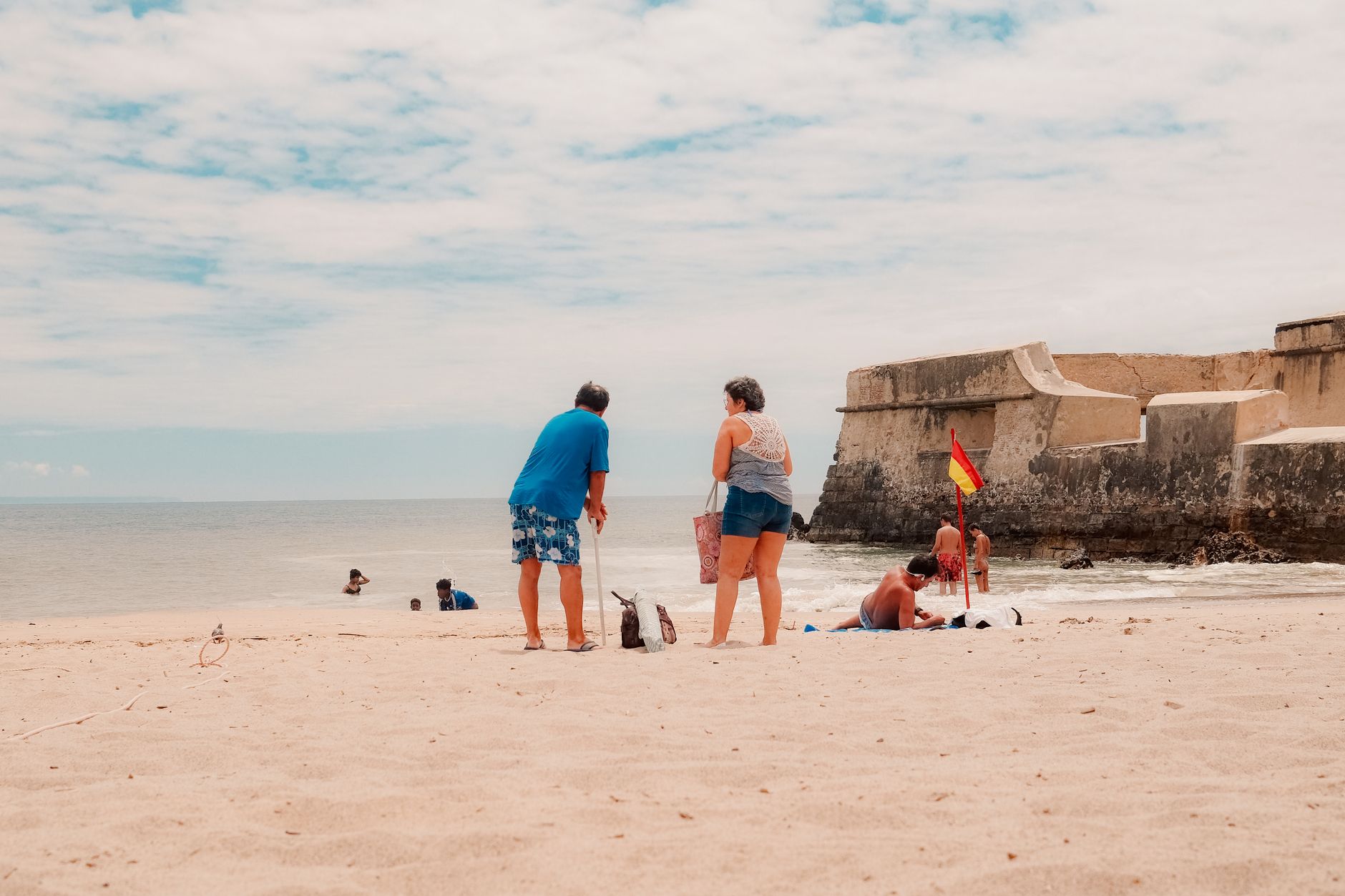
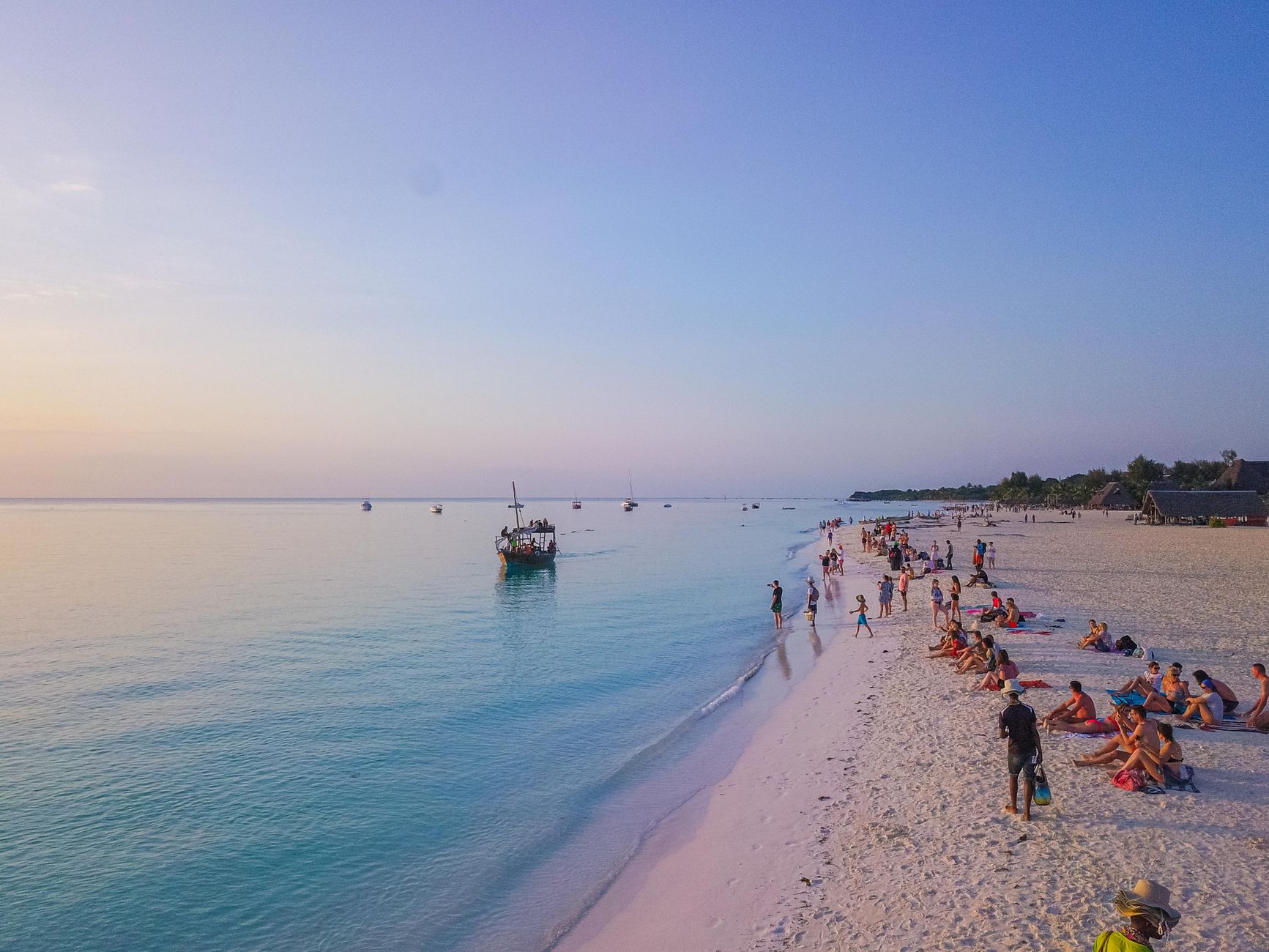


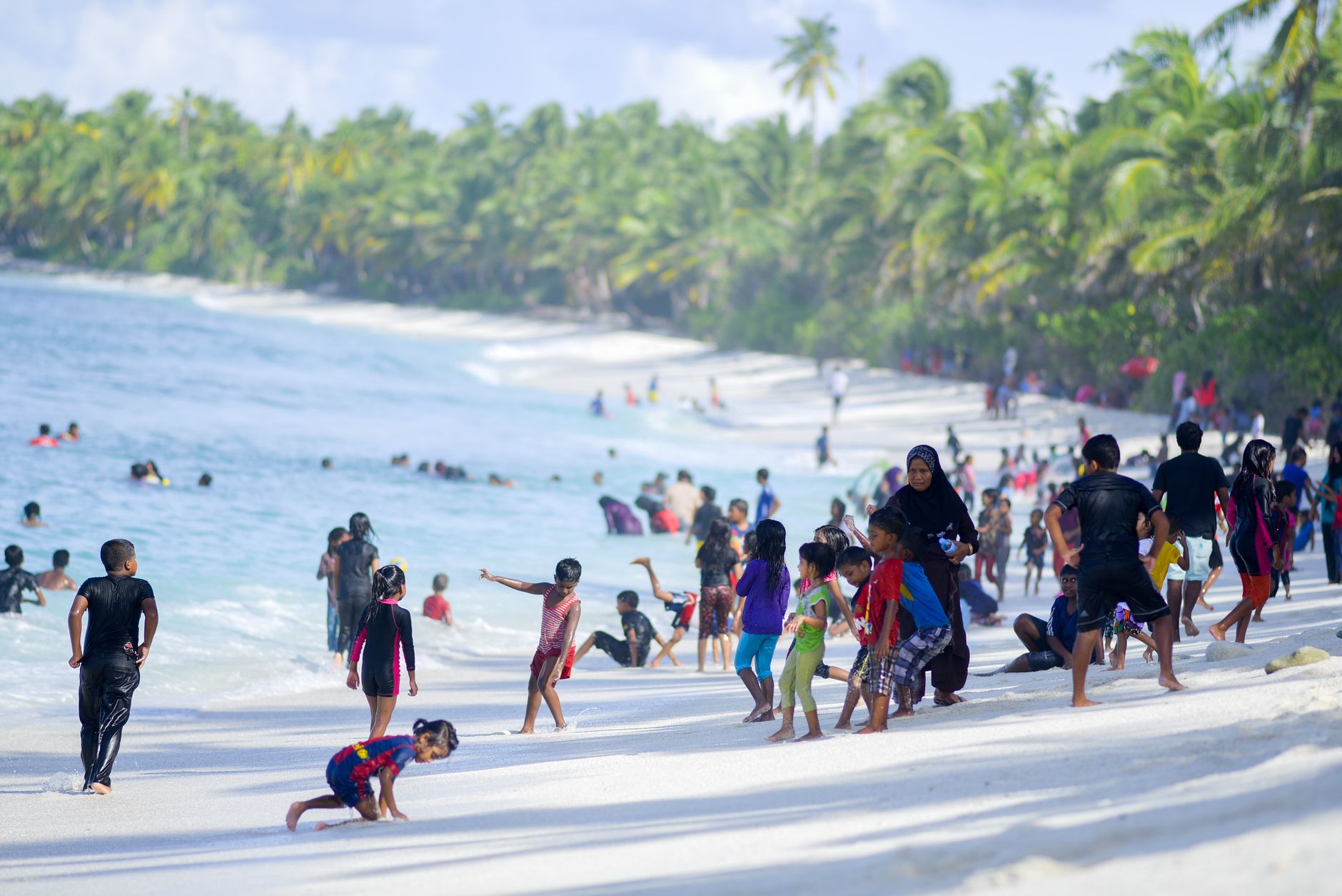
Uroa sits on the central eastern coast of Unguja, a long, narrow village strung out along its own bay roughly halfway between Kiwengwa and Chwaka. It has six shops. The resorts cluster at either end of the bay; in between, life moves around fishing boats and rows of seaweed drying on low wooden frames at the tideline.
This is not the Zanzibar of spice-tour minibuses and rooftop cocktail bars. People here make their living from the sea — catching fish, farming seaweed — and tourism arrives quietly, mostly at the resorts, without reshaping the village around it. The pace is genuinely slow, and the seafood, grilled or cooked in a Swahili style, is the real draw at the table.
💛 What travellers fall for
People who come back tend to time their meals around the fishing boats returning, not the restaurant menu. The Swahili-style grilled catch, eaten within hours of landing, is the thing they mention first. Five days turns out to be the right length — long enough for the tidal rhythms to start making sense, short enough before the beach's limitations wear on you.
Deals in Uroa
Book directly at the provider


How Uroa came to be
Settlement at Uroa traces back to the late 14th or early 15th century, though no founding figure or single moment of establishment has been recorded. Like much of Unguja's eastern coast, it grew as a fishing community shaped by the rhythms of the Indian Ocean — the seasonal monsoons that determined when boats went out and when trade moved.
For centuries Uroa remained small and largely self-contained, its economy built on the sea. Seaweed farming arrived as a more recent livelihood alongside traditional fishing, and resort development has crept in at the bay's edges without fundamentally altering the village's loose, spread-out character.
See Uroa in motion
Plan your visit
On the map
When to go
Daytime temperatures hold steady around 29°C through most of the year, peaking at 31°C in March and easing to 28°C in August. The wet season peaks hard in April and May; the most reliable dry windows are July through October and December through mid-March, with January, February, and the July–September stretch offering the lowest chance of rain.
Right now
Background & history adapted from Wikipedia (CC BY-SA) · specs from Wikidata (CC0) · weather from Open-Meteo · map data © OpenStreetMap contributors · photos from Wikimedia Commons / Unsplash with per-image credit. No third-party reviews or social posts reproduced.