
Pingwe

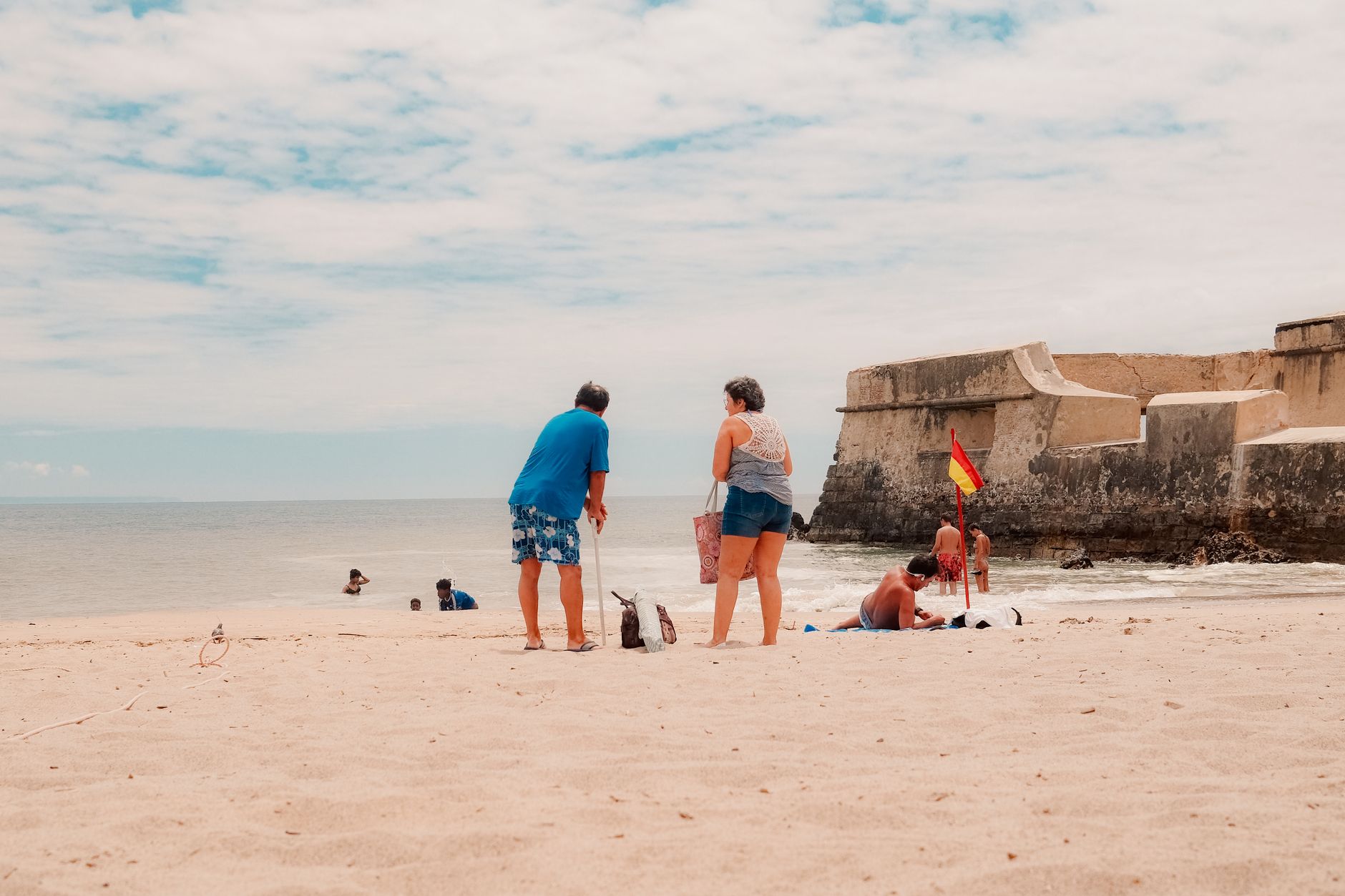

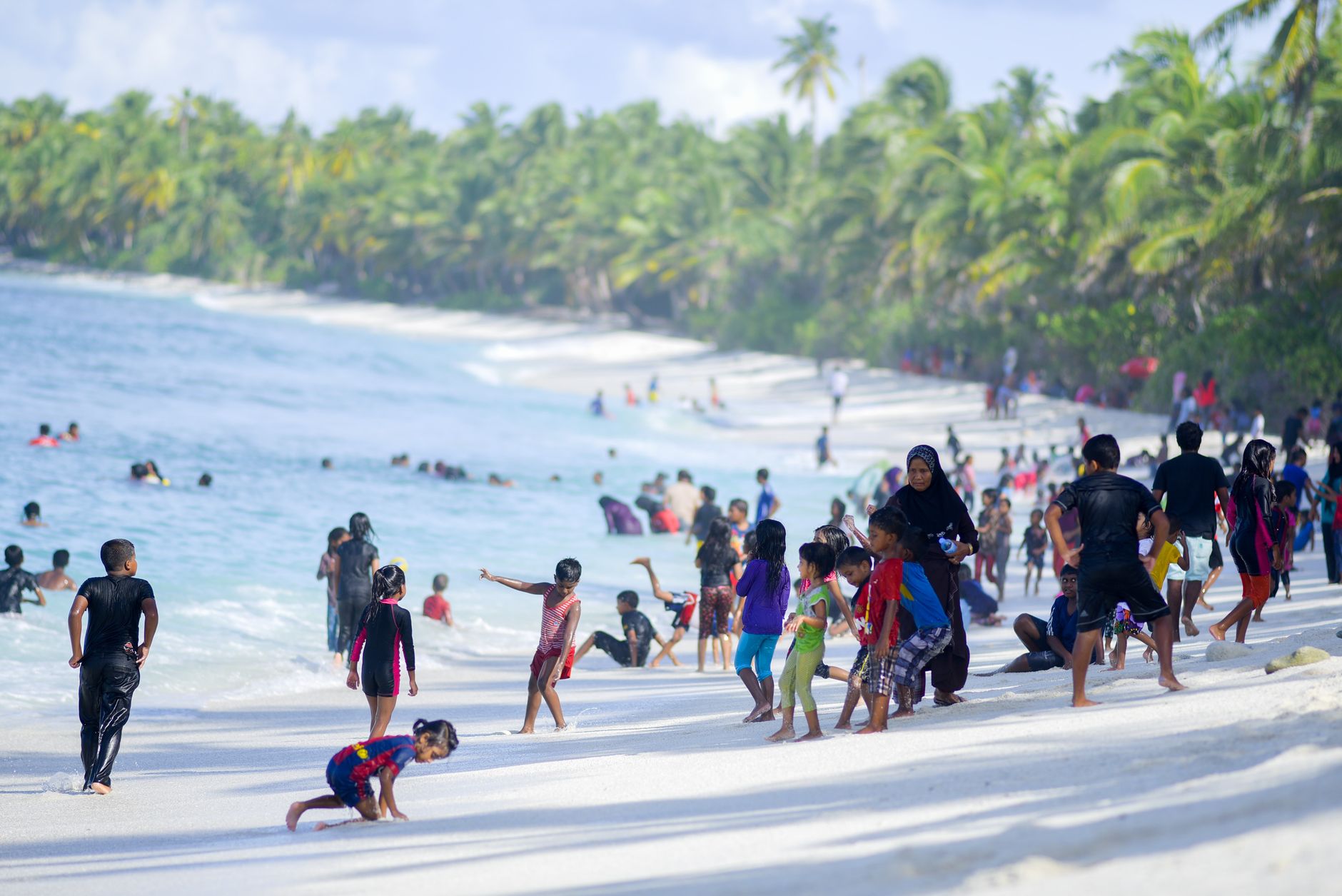
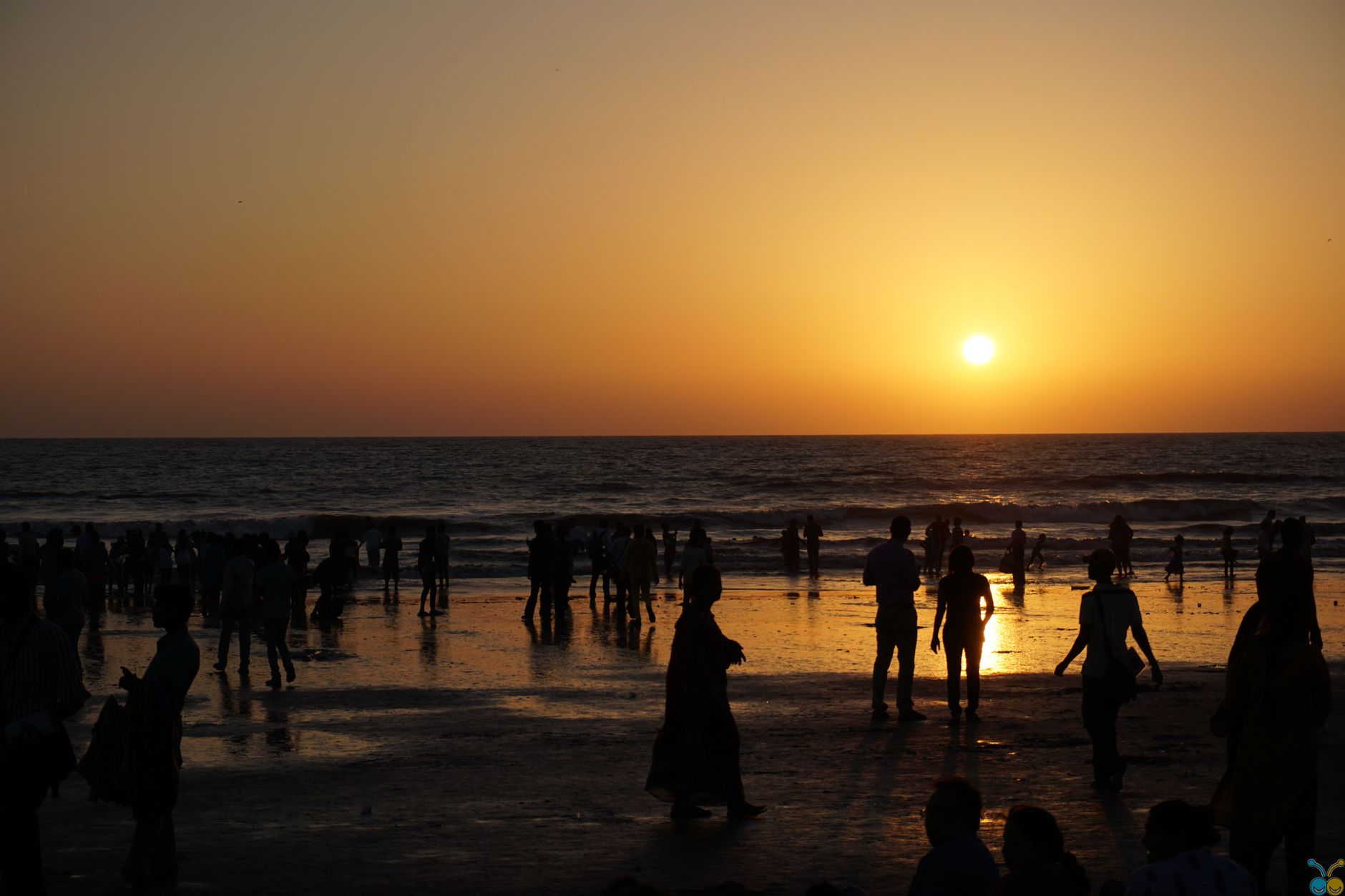
At low tide, the Indian Ocean pulls back more than 500 metres from Pingwe's shore, leaving a pale, ribbed expanse of sand and exposed reef that you can walk across barefoot — no aqua shoes needed. A small coral outcrop sits about 30 metres out, and on it, a thatched cottage serves grilled seafood to people who arrived by boat or, depending on their mood, swam. That is The Rock Restaurant, and it is the image most people carry home from this quiet village on the northern tip of Michamvi Peninsula.
Pingwe itself is small — one of two villages anchoring the peninsula's tip, set between the livelier kitesurfing scene at Paje to the south and the boutique stillness of Michamvi to the north. The beach runs for kilometres without much ceremony. What draws people here is exactly that: the tide, the light, the absence of noise.
💛 What travellers fall for
People who come back tend to say the same thing: get to The Rock for breakfast or early lunch, not dinner. The soft morning light between 7 and 9 hits the water at an angle that makes the whole scene look implausible, the tide is usually low enough to walk out, and the tables aren't full yet. Afternoons belong to the beach.
Deals in Pingwe
Book directly at the provider

How Pingwe came to be
Pingwe sits on Unguja, the main island of the Zanzibar archipelago, which has been a crossroads of Indian Ocean trade for centuries — Arab, Persian, Indian and later European merchants all left their mark on the island's culture, architecture and language. The village itself, however, carries little of that recorded monumental history. No founding date or specific settler story has been reliably documented for Pingwe.
What shaped it more recently is geography: its position at the peninsula's tip, with tidal flats dramatic enough to draw international attention. In 2018, Beach-Inspector.com named Pingwe Beach one of the world's best in the Special Ambience category — modest recognition, but accurate.
Who and what shaped it
Landmark buildings
See Pingwe in motion
Plan your visit
On the map
When to go
June through October is the clearest stretch: temperatures sit between 25 and 28°C, humidity drops, and the water stays readable. March through May brings heavy rain, algae on the beach, and the kind of heat that sticks. November through February is a reasonable middle ground — warm, occasionally showery, and quieter than peak season.
Right now
Background & history adapted from Wikipedia (CC BY-SA) · specs from Wikidata (CC0) · weather from Open-Meteo · map data © OpenStreetMap contributors · photos from Wikimedia Commons / Unsplash with per-image credit. No third-party reviews or social posts reproduced.