City

Zanzibar City

Zanzibar City
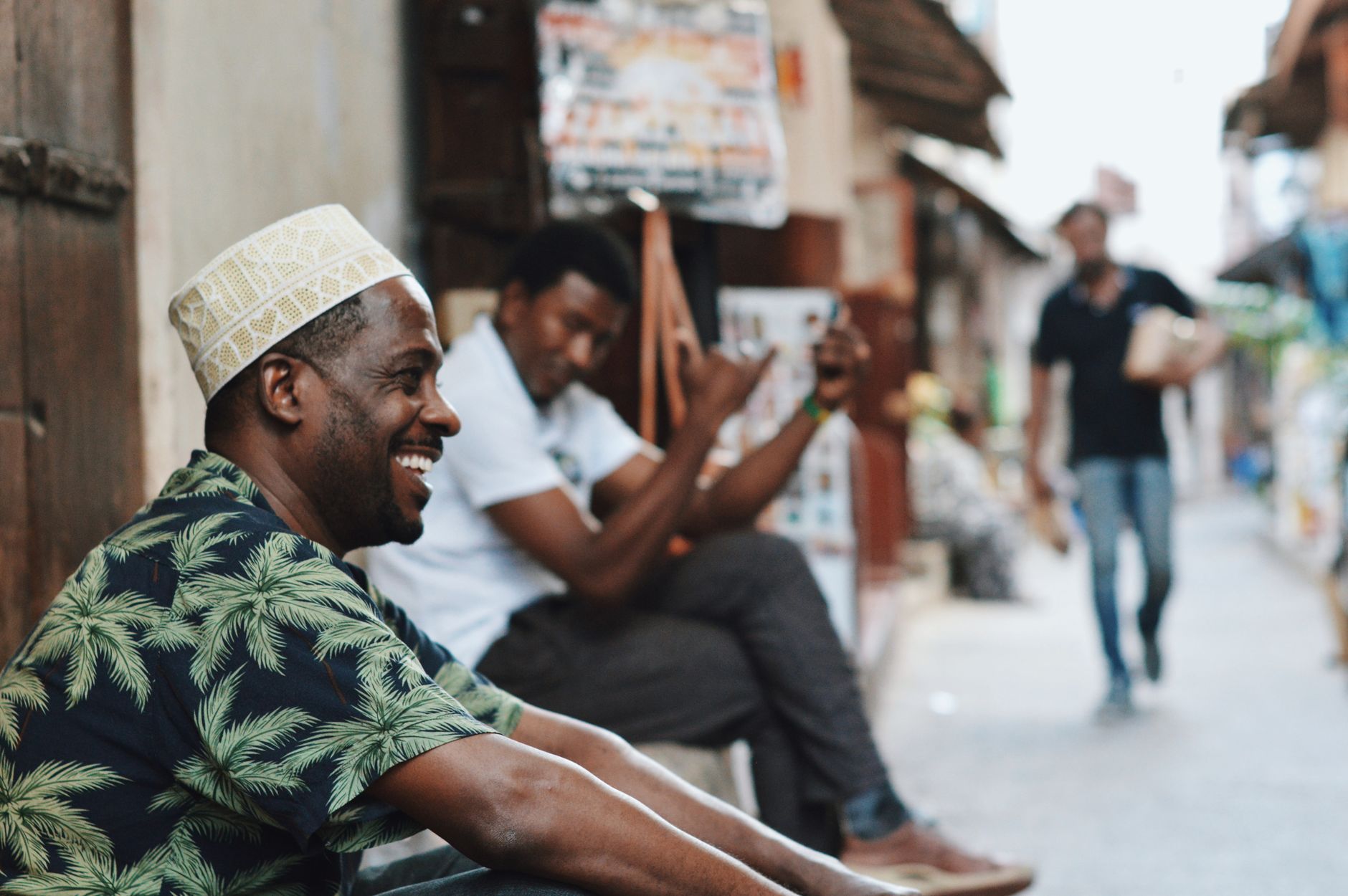
Photo by Keegan Checks on Pexels
Zanzibar City
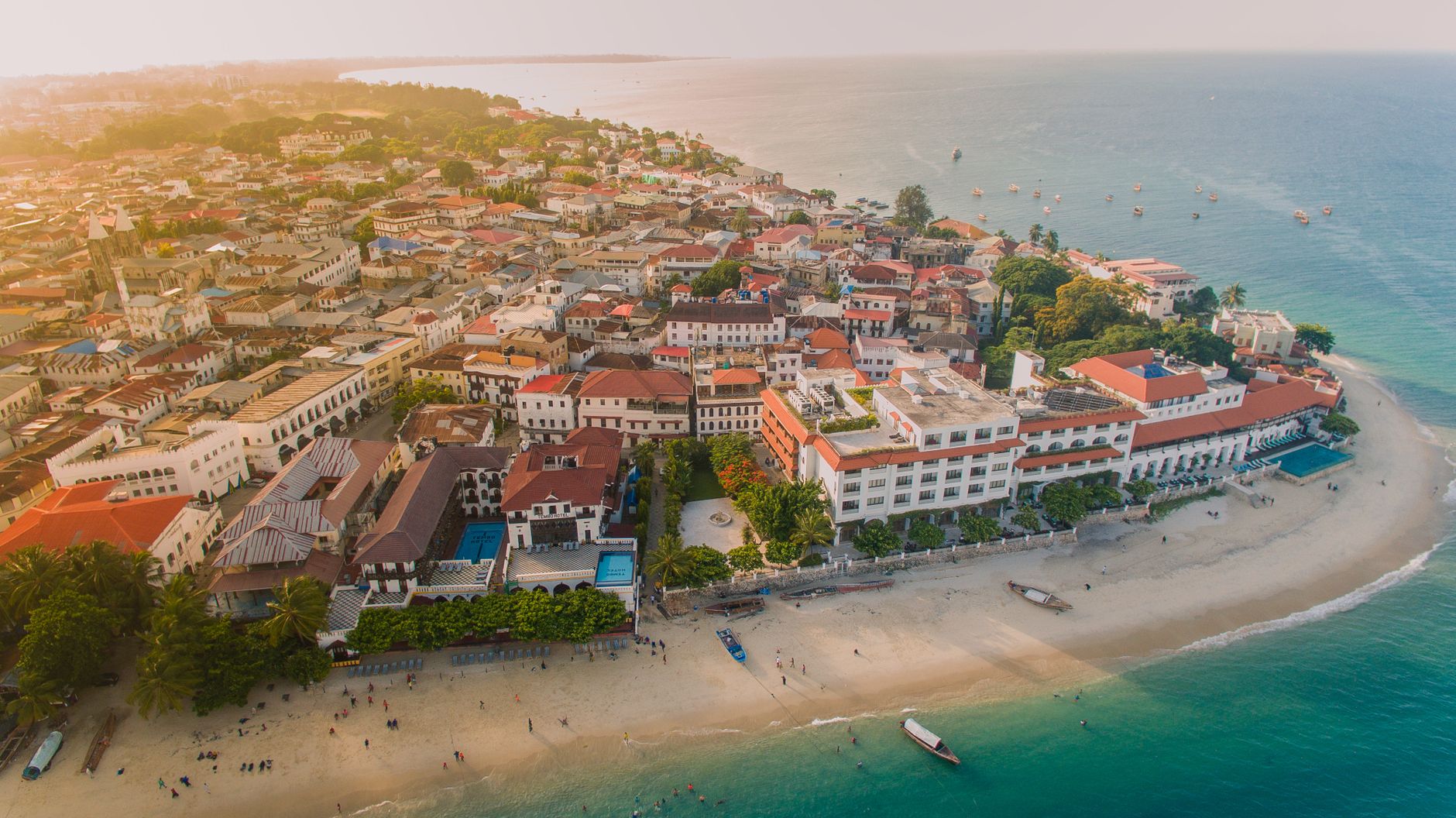
Photo by Sara Er on Pexels
Zanzibar City
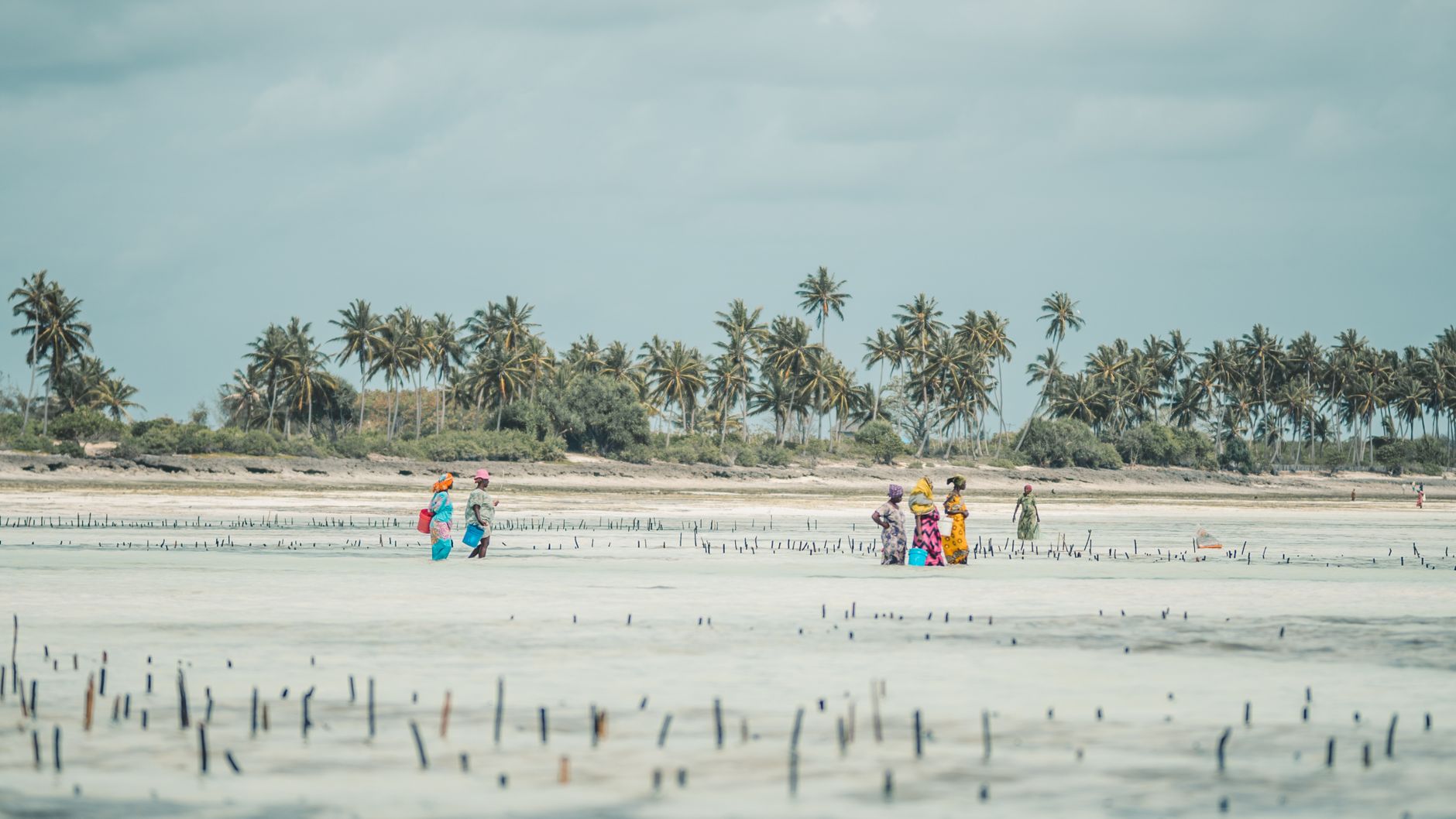
Photo by Dick Scholten on Pexels
Zanzibar City
Photo by Sara Er on Pexels
Zanzibar City
Photo by George John on Pexels
Zanzibar City
Photo by Taryn Elliott on Pexels

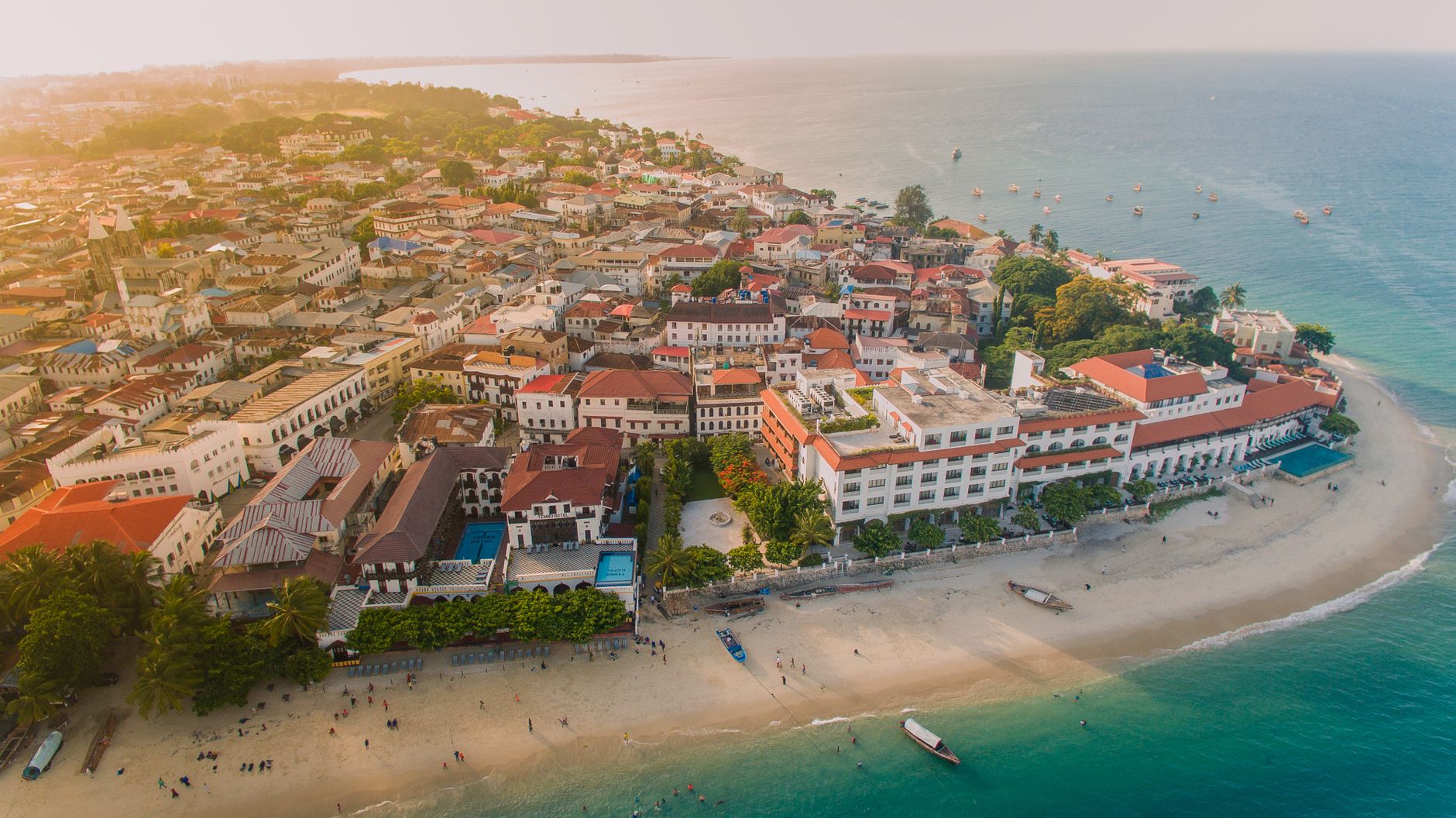
Walk through Stone Town and you'll notice the doors before anything else — heavy carved timber frames, brass studs, coral-stone archways that open onto courtyards smelling of cloves and salt air. Zanzibar City is built from layers that don't quite dissolve into each other: Omani palace walls, Portuguese fort stones, Anglican cathedral spires, and the low hum of the Indian Ocean harbour that has drawn traders here for over a thousand years.

With a population nudging 220,000, the city is compact enough to cover on foot but dense enough to keep revealing itself. The UNESCO-listed Stone Town at its core is where the history sits most visibly — in the street grid, the architecture, and the old slave-market site where a cathedral now stands.

💛 What travellers fall for

People who come back tend to time Forodhani Gardens at dusk, when the seafront fills with charcoal smoke and the grills come out. They also learn quickly to look up — the upper floors of the Old Dispensary on Mizingani Road are easy to walk past at street level, but the carved wooden balconies are among the finest in East Africa.

Good to know
Abeid Amani Karume International Airport connects the city to international and domestic routes. There are no trains on the island; taxis and dala-dalas handle movement around town. Avoid the long rains (roughly March to May) if you want reliable skies. Stone Town is walkable; most of the key buildings sit within a short radius of the harbour.

Deals in Zanzibar City

Book directly at the provider
The story

How Zanzibar City came to be

Settlement here traces back to at least the 8th century — Unguja Ukuu, a Swahili trading post a few kilometres south, is among the earliest on the East African coast. By the 11th century, Stone Town already had thick coral-stone walls, cooking pits, and Persian and Chinese pottery passing through its markets. The Portuguese held the island for nearly two centuries before Omani Arabs expelled them in 1698, building the Old Fort the following year on the same ground.

The city's modern shape owes most to 1832, when Said bin Sultan relocated the capital of the Sultanate of Muscat and Oman here from Muscat, making Zanzibar the centre of a commercial empire built on cloves and enslaved people. Britain declared a protectorate in 1890, and in 1896 shelled the Sultan's palace in what became the shortest war on record — over in under an hour. In January 1964, a revolution led by John Okello overthrew both the Sultan and the elected government; three months later, Zanzibar merged into what became Tanzania, retaining semi-autonomous status it still holds today.

People & landmarks

Who and what shaped it

People who shaped it

Said bin Sultan
Relocated the capital of the Sultanate of Muscat and Oman to Zanzibar City in 1832.
Sultan Barghash
Commissioned the House of Wonders in 1883 as a ceremonial palace and symbol of modernity.
Tharia Thopan
Wealthy 19th-century Indian businessman and Sultan's advisor who founded the Old Dispensary hospital.
Bishop Steere
Anti-slavery champion and head of Universities Mission to Central Africa who built the Anglican cathedral.
Charles Smythies
First Bishop of Zanzibar, appointed to the Anglican Diocese founded in 1892.
John Okello
Ugandan citizen who led the Zanzibar Revolution on 12 January 1964, overthrowing the Sultan and elected government.

Landmark buildings

Stone Town
UNESCO World Heritage Site (2000); historical core and former capital of the Zanzibar Sultanate with unique Omani, Portuguese, and Indian architecture.
House of Wonders (Beit-el-Ajaib)
Completed 1883 for Sultan Barghash; reportedly first building in Zanzibar with electricity, running water, and an elevator.
Old Fort (Ngome Kongwe)
Built by Omani Arabs around 1700 after expelling the Portuguese; used as garrison, prison, and railway terminal before becoming public space with amphitheatre.
Christ Church Anglican Cathedral
Built on the site of the last slave market to commemorate David Livingstone's anti-slavery work; fully restored in 2016 with visitor centre.
Old Dispensary (Ithnashiri Dispensary)
Located on Mizingani Road; founded as a hospital by Tharia Thopan in the early 20th century, now the Zanzibar Cultural Centre.
Palace Museum (Sultan's Palace)
Seafront residence established when Sultan Sayyid Said settled in Zanzibar in 1832; shelled during the Anglo-Zanzibar War in 1896.
Malindi Mosque
Oldest mosque in Zanzibar, approximately 500 years old.
Kizimkazi Mosque
Located on Zanzibar's southern tip; possibly the oldest Islamic structure on the East African coast.
St. Joseph's Roman Catholic Cathedral
Listed in UNESCO World Heritage Site documentation for Stone Town.
Hamamni Persian Baths
Historic Persian baths listed in UNESCO description of Stone Town.
Forodhani Gardens
Major public space in Stone Town.
Mangapwani Slave Chambers
Created around 1880 from a cave, located 2 kilometres from shore; evidence of the island's slave trade history.
Practical

Plan your visit

On the map

When to go

The coast stays warm year-round, typically between 25°C and 32°C. Two rainy seasons shape the calendar: the heavier long rains run from March through May, and shorter rains arrive in November and December — outside those windows, the air is drier and the light is cleaner.

Right now

22°C
Partly cloudy
Sat
27°
22°
Sun
🌧️
27°
22°
Mon
🌧️
28°
21°
Tue
🌧️
28°
21°
Weather data: Open-Meteo

Background & history adapted from Wikipedia (CC BY-SA) · specs from Wikidata (CC0) · weather from Open-Meteo · map data © OpenStreetMap contributors · photos from Wikimedia Commons / Unsplash with per-image credit. No third-party reviews or social posts reproduced.

Top