
Villa d'Este Gardens
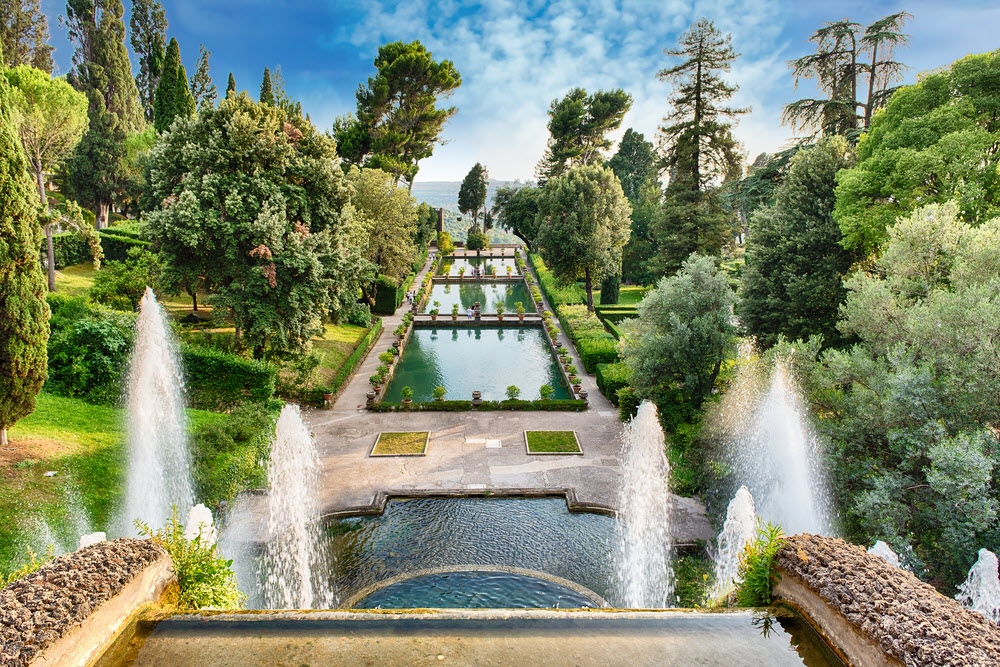
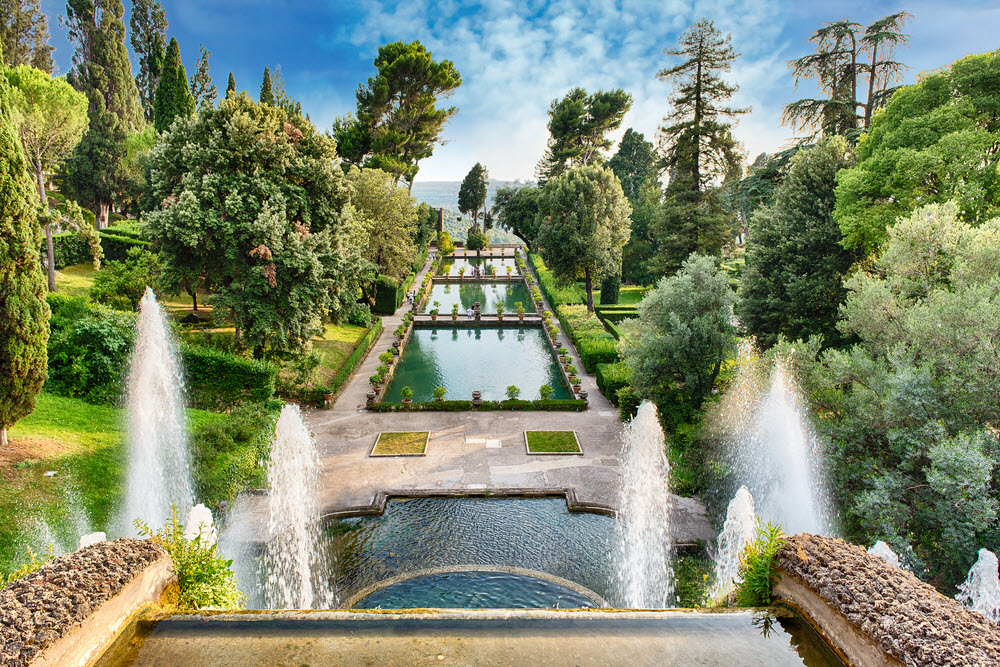
The number that stays with you is not 500 — though that is roughly how many fountains Pirro Ligorio and Cardinal Ippolito II d'Este managed to fit onto 4.5 hillside hectares. It's the sound. Before you round the first terrace and see the Hundred Fountains in full, you hear the whole garden breathing.
Ligorio began reshaping this former Benedictine convent site in 1560, carving terraces into the slope and engineering a water system of 875 canals, 64 waterfalls, and 364 jets — all fed by gravity alone. The Fountain of the Organ still plays its hydraulic concert at 10:30 each morning, just as it did when the mechanism was installed in 1571.
💛 What travellers fall for
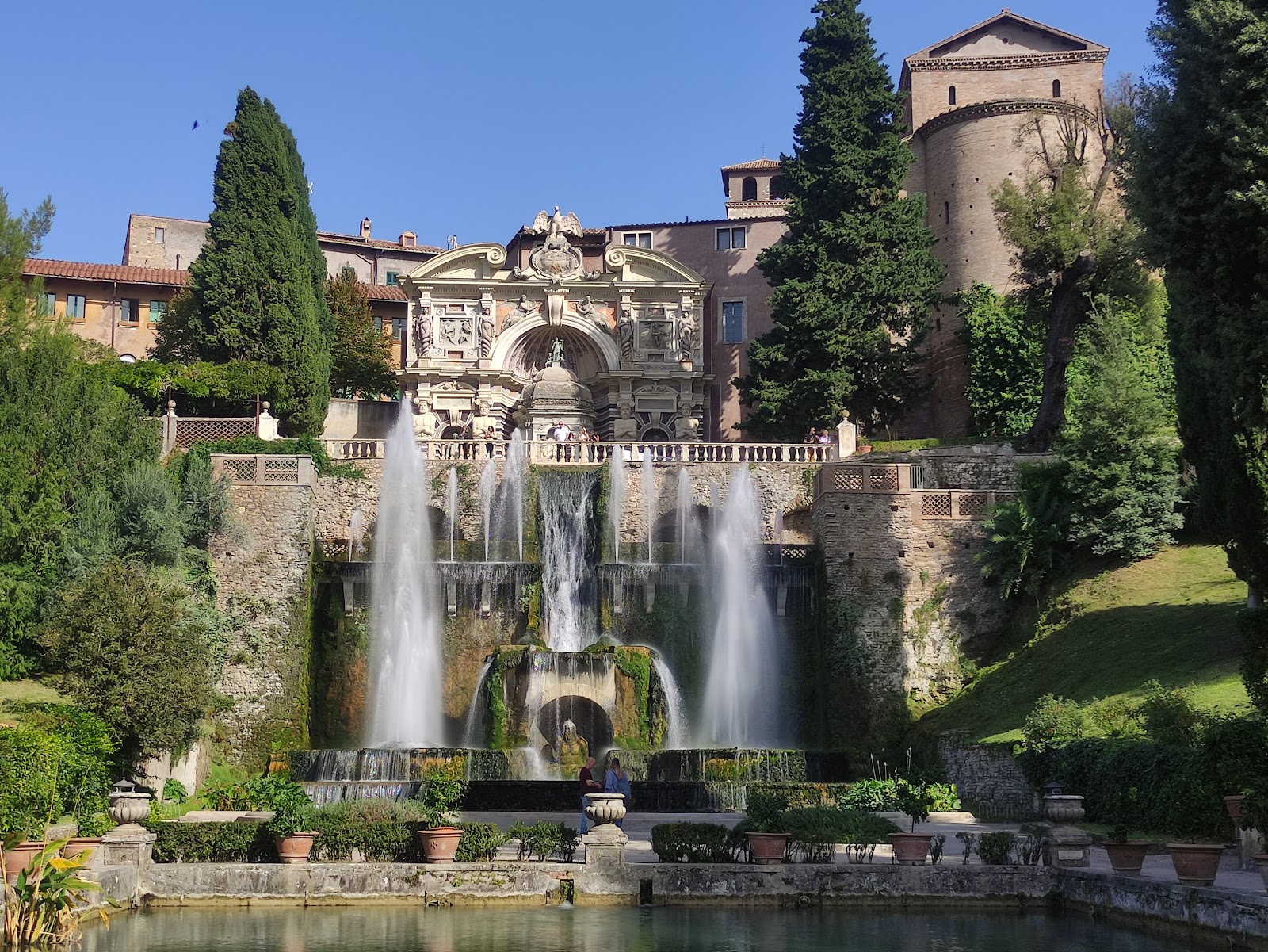
Return visitors tend to arrive early, before tour groups reach the lower terraces, and make straight for the Oval Fountain — the Fontana dell'Ovato — where the light on the water is softest in the morning. The Fountain of the Bicchierone, Bernini's shell-and-chalice piece tucked to one side, gets overlooked by crowds heading for the dragons. Don't overlook it.
The story behind Villa d'Este Gardens
Cardinal Ippolito II d'Este arrived in Tivoli as governor in 1550 carrying ambitions that outran the office. The grandson of Lucrezia Borgia and son of the Duke of Ferrara, he demolished a Benedictine convent to clear the site, then hired architect Pirro Ligorio — who was simultaneously excavating Hadrian's Villa nearby — to engineer something unprecedented. The garden was largely complete by 1572, the year Ippolito died.
It passed through Este and then Habsburg hands, falling into partial ruin before the Italian state purchased it in 1920 and spent a decade on restoration. Gian Lorenzo Bernini had already intervened between 1660 and 1661, adding the Fountain of the Bicchierone. Franz Liszt lived in the villa's upper floor from 1865 onward, composing pieces directly inspired by the water. UNESCO listed the gardens in 2001.
Good to know
Take the FL2 train from Roma Tiburtina — it's faster than going from Termini. Entrance is on Piazza Trento. Book tickets online (€15 full price; free the first Sunday of each month). Closing time shifts dramatically by season, so check before you go. Budget at least two hours.
Spring — April through early June — brings cooler temperatures and the gardens at their greenest, though weekends fill quickly. Summer is hot and shadeless on the upper terraces by midday; go early or late in the afternoon when the closing hour extends past 19:30. Autumn light is particularly good for the stonework, and the crowds thin noticeably after October.
Where is Villa d'Este Gardens?
More tickets & tours for Villa d'Este Gardens
Book directly at the provider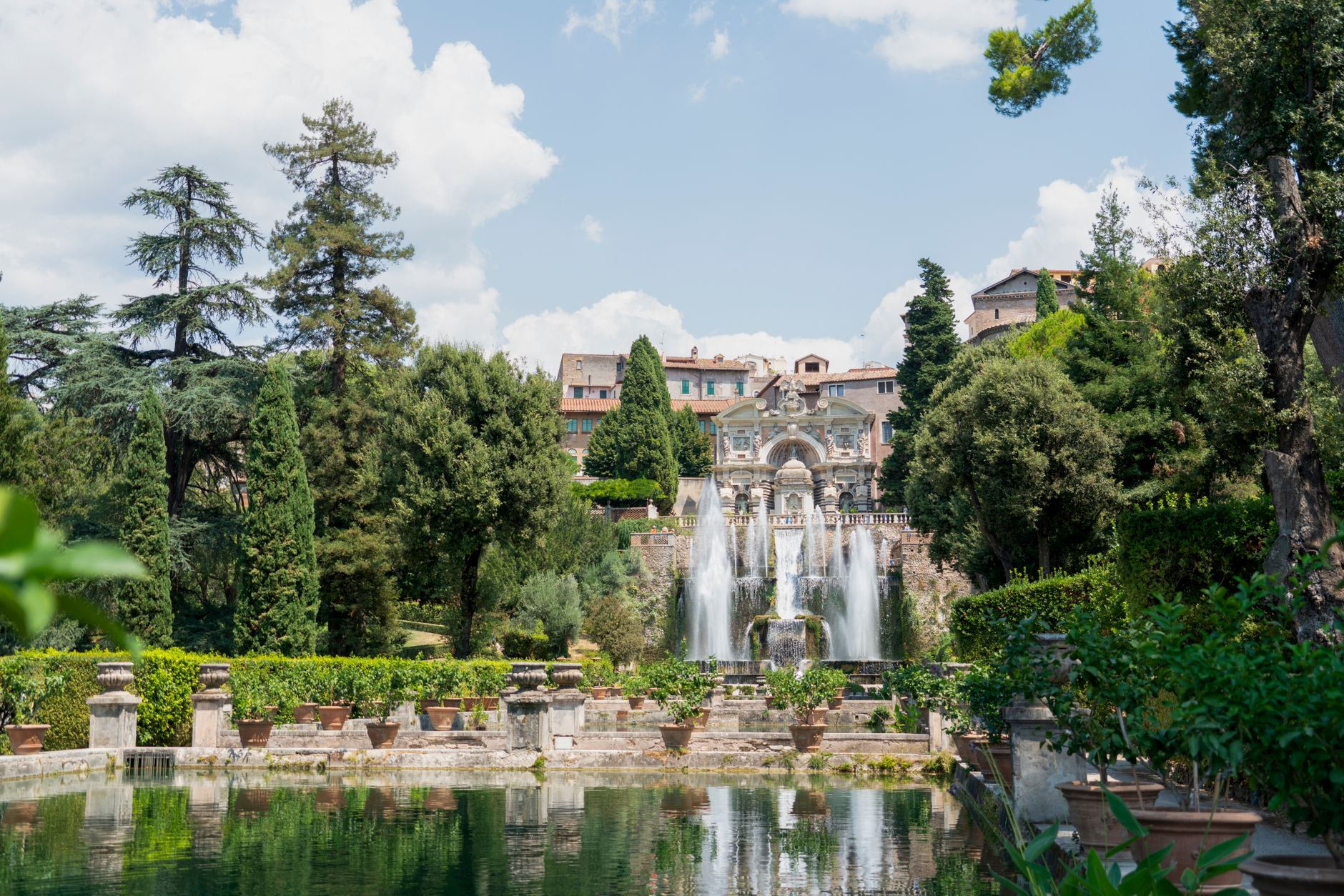
What travellers say about Villa d'Este Gardens
What a wonderful place! So quiet and beautiful! Villa d’Este, in Tivoli, is a lovely place to visit. The gardens are beautifully maintained, and there are fountains everywhere. You can spend hours walking around and admiring the views. After the crowds and the fast pace of Rome, this place feels like an oasis of peace. If you are looking for a break from the busy streets and tourist attractions, Villa d’Este is the perfect escape. Definitely worth a visit!
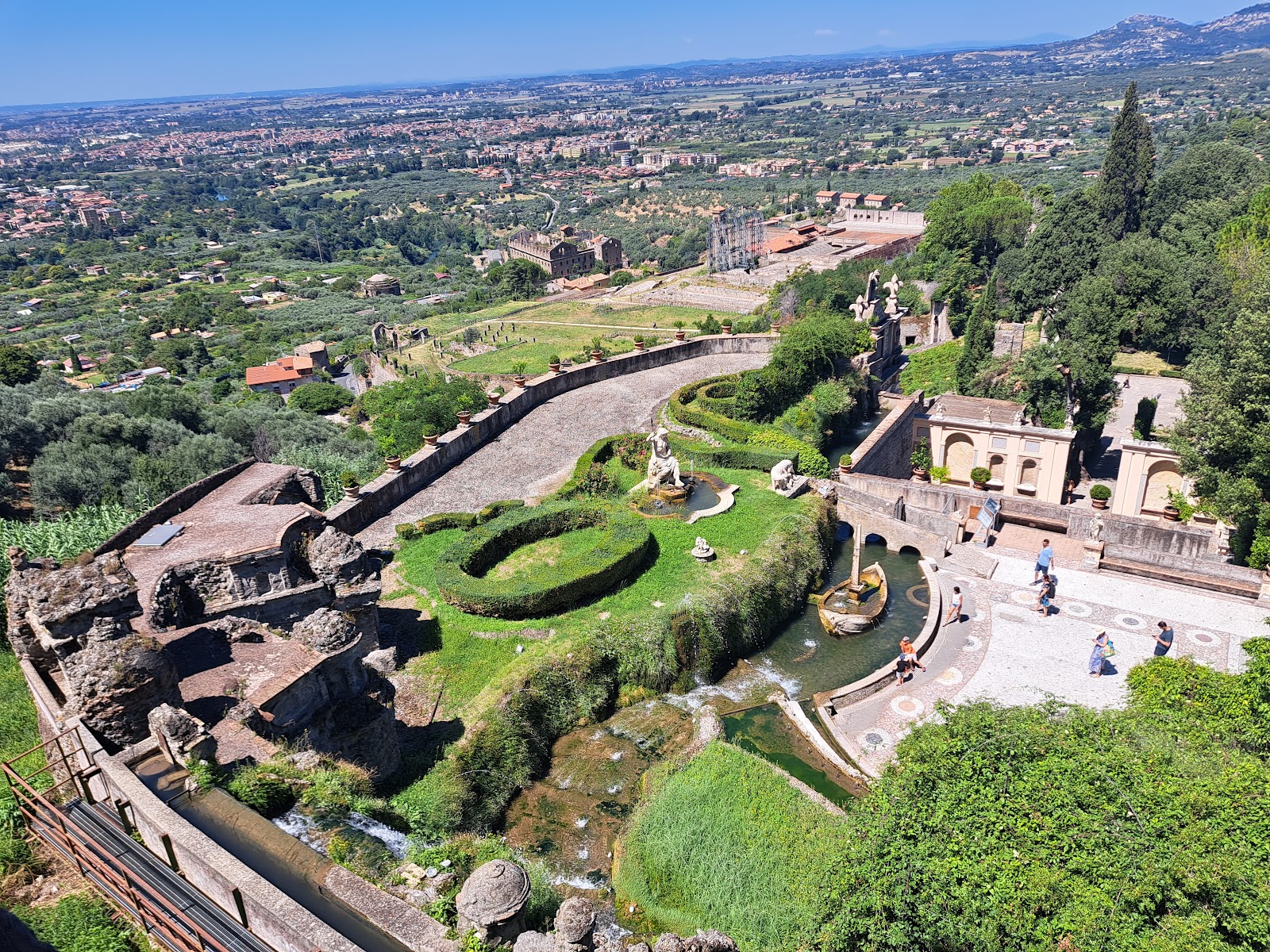
The main garden itself unfolds as you go through with very beautiful composition. There are some lovely views out to the rest of Lazio as well as an interesting "water organ" that plays a song at set points of day. The internal museum is a bit less interesting though in comparison to the fountains, waters and foliage of the main gardens.
I have seen many historic villas, but Villa d’Este truly won my heart with its charming and compact design. Located in the town of Tivoli, on a gentle hillside just outside Rome, the villa offers beautiful views over the town below and the surrounding landscape, capturing the feeling of Renaissance Italy at its finest. The rooms were beautifully decorated with painted wall scenes and ceiling frescoes, each room featuring its own unique artwork. The gardens were filled with stunning fountains, water features, and all kinds of playful statues and sculptural details. There were also lovely viewpoints throughout the grounds, offering peaceful and picturesque perspectives of the villa and the valley below. Overall, it feels like stepping into a living piece of Renaissance history, and I would highly recommend experiencing it in person.
After a short wait we were able to explore this amazing piece of Roman history. The entire area boasts an incredible amount of statues, fountains and art. The temporary exhibition about the Chinese Imperial Palace was interesting but a bit underwhelming compared to what Villa d'Este has to offer. The only part I didn't enjoy that much is the organ fountain. If you miss the 'show' don't worry.
Well this place is simply incredible. It’s perfect for a day trip if you’re staying nearby. The villa itself is massive and beautiful, peek of the Italian renaissance, but the garden is what does the trick. It’s huge with lots of fountains and an amazing view. It’s really not something you can see every day.
More of Tivoli
Discover where to stay, what to do and the best deals for your trip.
Explore Tivoli →More attractions in Tivoli
All of Tivoli →
Background adapted from Wikipedia (CC BY-SA) · map data © OpenStreetMap contributors · ratings & place photos via Google · other photos with per-image credit. Ticket links may earn us a commission at no extra cost to you.