
Temple of Vesta (Tivoli)

Ten Corinthian columns still stand in a ring on Tivoli's acropolis, the cliff dropping away beneath them to the rushing Aniene far below. This is the circular temple on Via della Sibilla — small, precise, and genuinely old, dating to the early first century BC. Its columns measure 24 feet high against a total building diameter of 48 feet, a ratio so clean it looks designed to be noticed.
Nobody is entirely sure what god it served. Hercules, the Tiburtine Sibyl, the city's eponymous hero Tiburnus — the dedication remains unresolved. What's certain is the view: green valley, sheer rock, the white noise of falling water, and the rectangular Temple of the Sibyl standing a few paces away for comparison.

💛 What travellers fall for
People who come back tend to linger at the railing rather than the columns — it's the drop into the gorge that stays with you. Early morning, before the tour groups arrive from Rome, the light hits the travertine podium at an angle that makes the stonework look almost warm. The restaurant at the temple's base is worth knowing about for lunch.
The story behind Temple of Vesta (Tivoli)
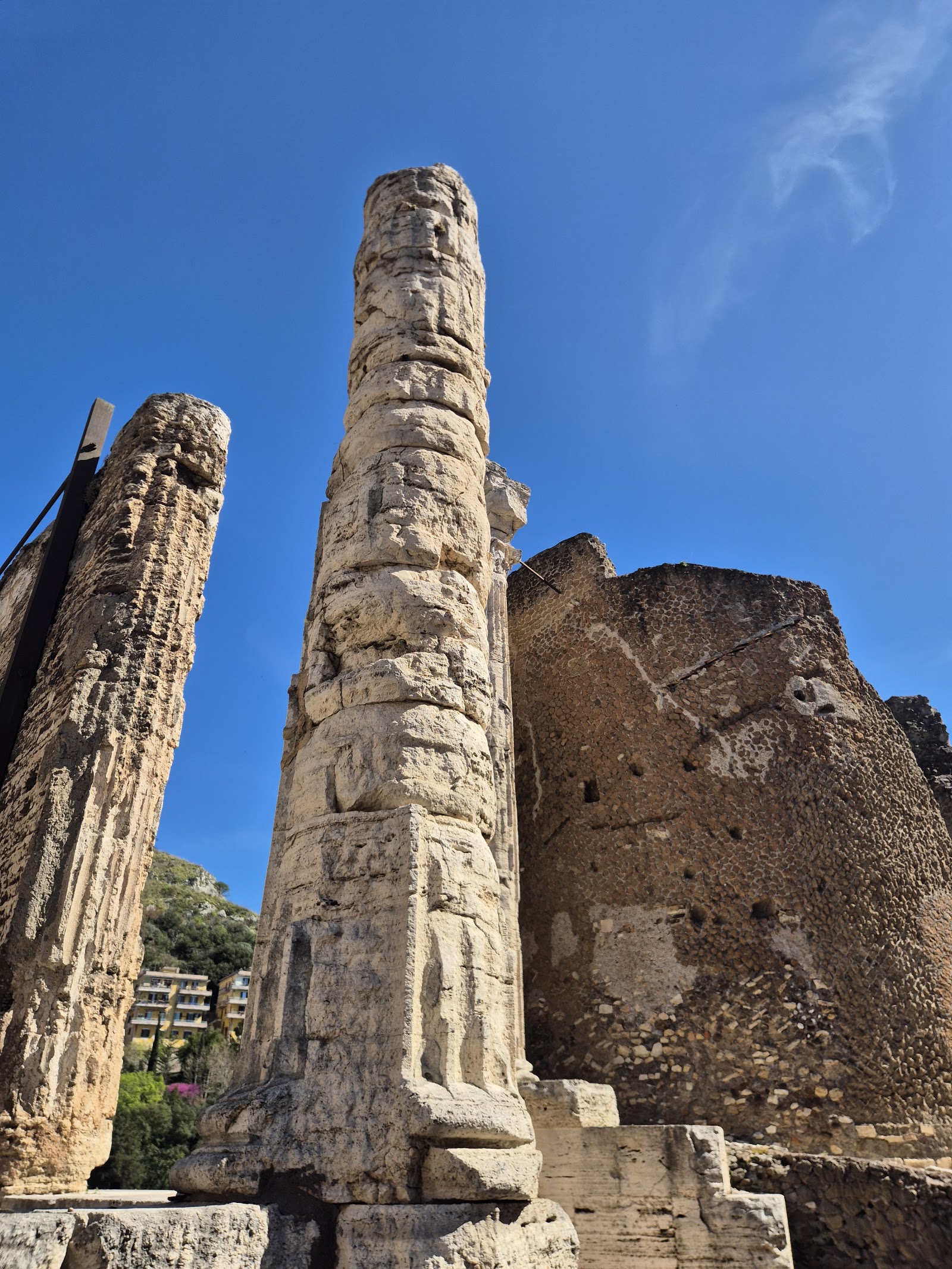
A magistrate named Lucius Gellius built or restored this temple in the first century BC — his name survives in an inscription on the architrave, which is more than most Roman civic figures can claim. The structure is a tholos, circular in plan, with a cella raised on a high podium of travertine-clad brick, ringed by eighteen columns in a variant Corinthian order that became known specifically as the "Tivoli order": two rows of acanthus leaves, and abacus faces carved with oversize hibiscus-flower fleurons, their spiral pistils pronounced enough to identify at a glance.
The temple survived the medieval centuries as a church called Santa Maria della Rotonda; the Christian additions had disappeared by the sixteenth century. By 1682 Antoine Desgodetz had published measured drawings of it, Piranesi had etched it, and in 1805 John Soane used it as the direct inspiration for the Tivoli Corner of the Bank of England.
Good to know
The temple sits in open air on the acropolis near Via della Sibilla — no ticket, no booking, no staff. Reported hours run 10:00–16:00 daily, but verify locally before you go. It pairs naturally with Villa Gregoriana, which begins just below. Spring and autumn give the best light and the fewest crowds.
Spring and autumn are the most comfortable seasons — mild temperatures and softer light over the valley. Winter visits are possible but the daylight window is short, so aim for midday rather than late afternoon.
Where is Temple of Vesta (Tivoli)?
More tickets & tours for Temple of Vesta (Tivoli)
Book directly at the provider
What travellers say about Temple of Vesta (Tivoli)
You can eat an amazing lunch or dinner at a Michelin starred restaurant at the base of this temple. Must see to believe.
It's an amazing place full of history .
Great view from the bridge
Great views over the valley. Not to crowded.
Beautiful
More of Tivoli
Discover where to stay, what to do and the best deals for your trip.
Explore Tivoli →More attractions in Tivoli
All of Tivoli →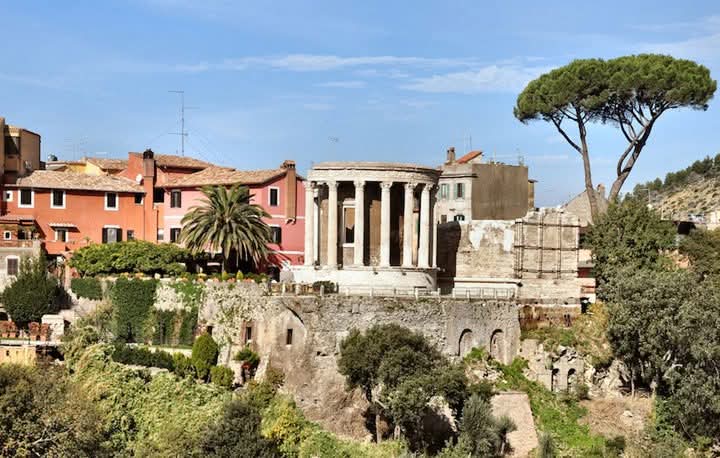
Background adapted from Wikipedia (CC BY-SA) · map data © OpenStreetMap contributors · ratings & place photos via Google · other photos with per-image credit. Ticket links may earn us a commission at no extra cost to you.