
Teatro Romano di Catania
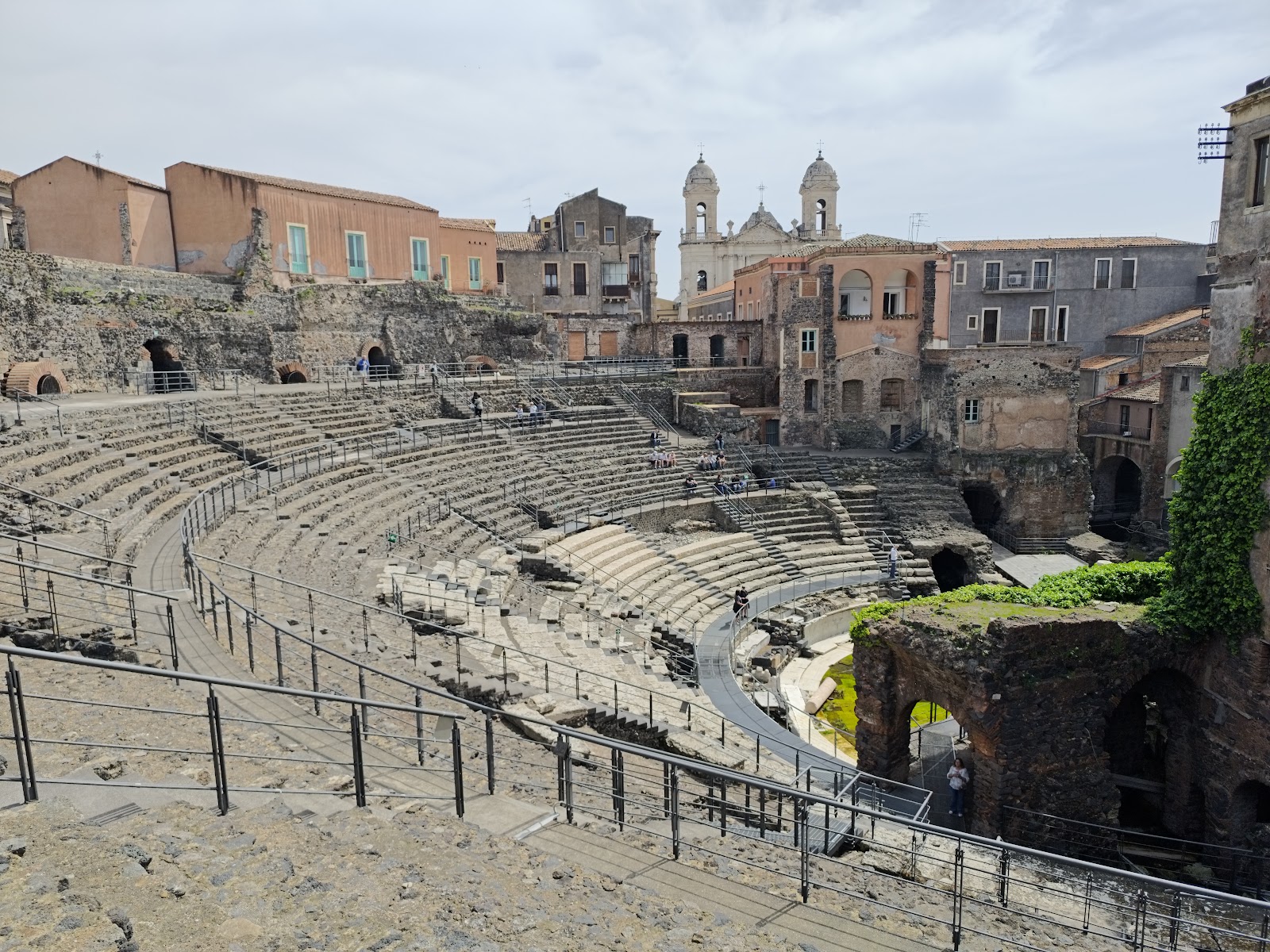
Somewhere along Via Vittorio Emanuele, between a Baroque palazzo and a gelateria, the pavement gives way and two thousand years drop open beneath you. The Teatro Romano di Catania doesn't announce itself from the street — the entrance is a modest door at number 266, and the scale of what lies behind it takes a moment to register.
Below ground level, twenty-one rows of black lava-stone seats curve around an orchestra floor twenty-two metres across, the whole structure built to hold around 7,000 people. Tucked to the west, connected and slightly higher, sits the Odeon — a smaller semicircular theatre used for rehearsals or recitations. Both are still partly swallowed by the city that grew over them.
💛 What travellers fall for
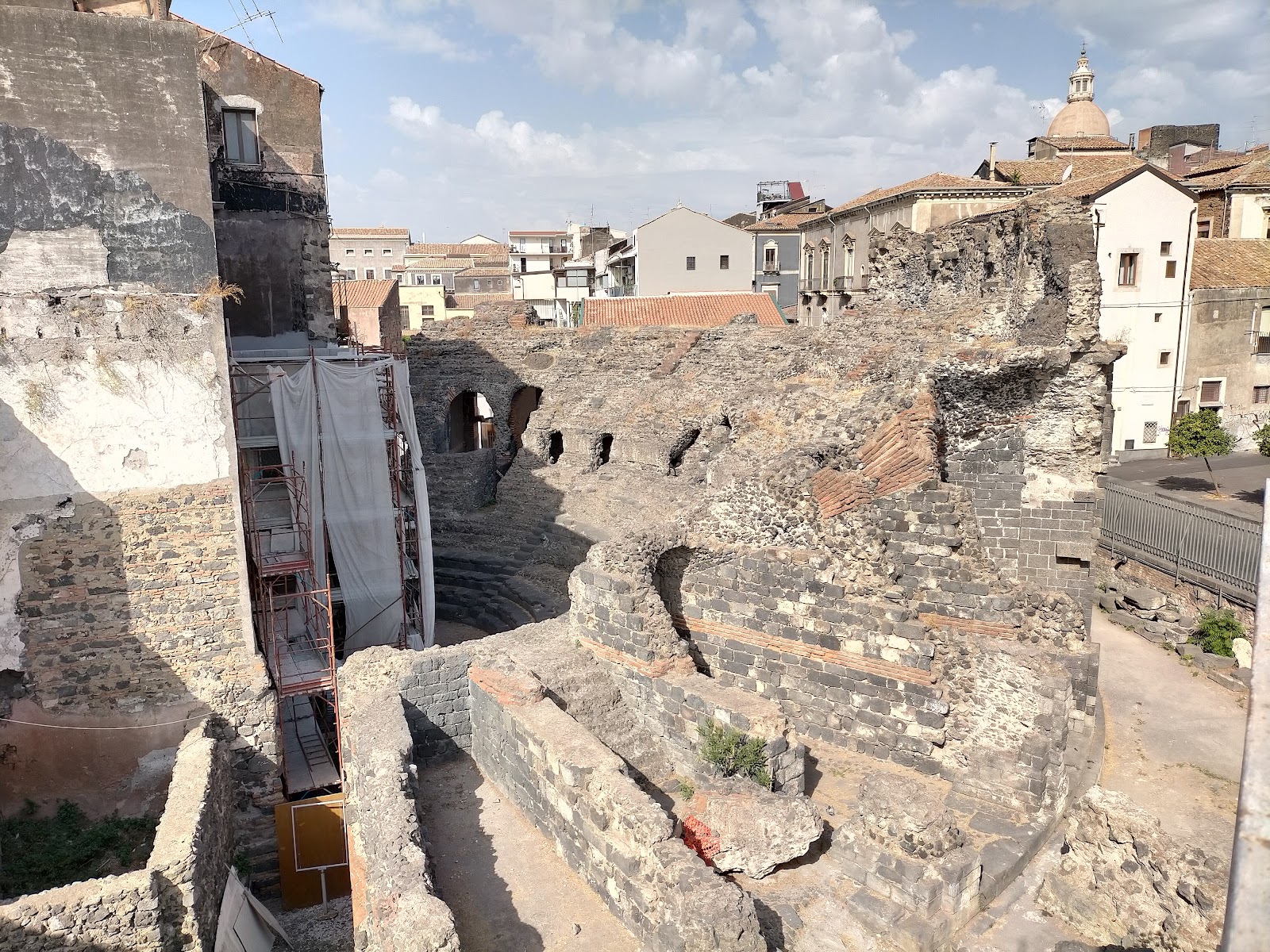
People who come back tend to notice the water first on a second visit — the Amenano river runs underground directly beneath the site, and the lowest sections of the orchestra carry a faint damp chill even on hot days. Bring something to read the bilingual signage slowly; the layering of Greek, Roman and medieval history in a single stone section rewards patience.
The story behind Teatro Romano di Catania
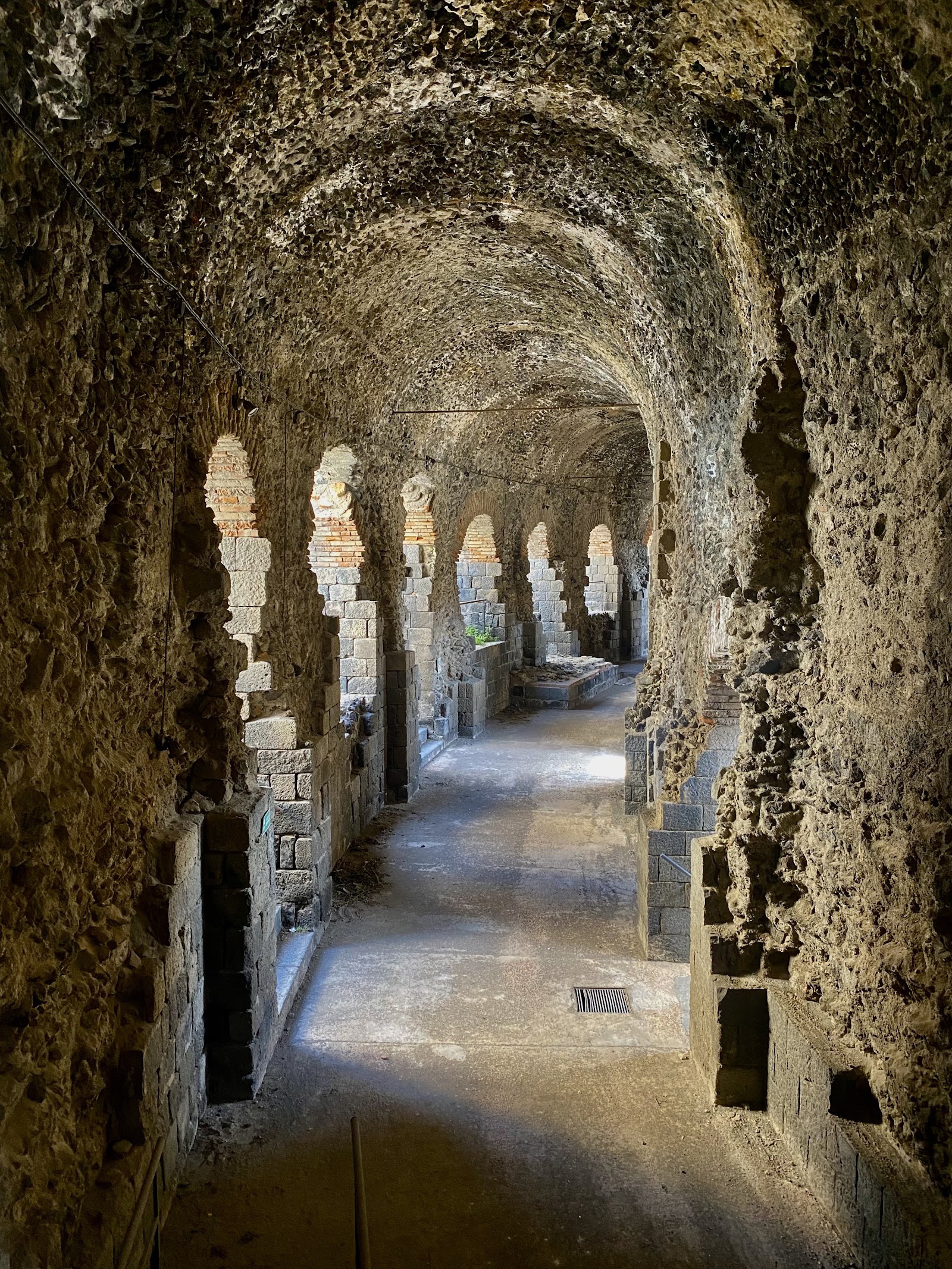
The theatre's first stones were probably laid in the first or second century AD, though the ground beneath them had been in use since prehistoric times, and traces of a Greek-era theatre survive — possibly linked to a nearby shrine of Demeter and Kore on Via Crociferi. The Romans built large: lava-rock stairs, a broad orchestra, and a stage apparatus whose remnants were only identified during research in 1979–80.
The medieval city was less careful. In 1098, on the orders of Count Roger, the theatre's marble facing was stripped and carted off to build the cathedral. Centuries of later construction buried the cavea further. It was the Prince of Biscari who began serious excavation in the second half of the eighteenth century, recovering inscriptions, marble fragments and statue pieces now held in the Civic Museum. Demolition of buildings that had invaded the seating area began in 1935 and, as the site itself will show you, remains unfinished.
Good to know
Open daily 9:00–19:00 (last entry 18:30); tickets €8 full, €4 reduced. A ten-minute walk from Piazza Duomo, or alight at Stesicoro metro. Expect uneven lava-rock surfaces throughout; disabled access points are at Via Vittorio Emanuele 270 and Via Teatro Greco 7. Plan 45–75 minutes.
The site is open-air and largely exposed. Summer visits mean full sun on dark lava stone — a hat and water are worth the effort. Winter is mild but the underground river keeps the lower orchestra noticeably cool and sometimes damp.
Where is Teatro Romano di Catania?
More tickets & tours for Teatro Romano di Catania
Book directly at the provider
What travellers say about Teatro Romano di Catania
Located in the city centre, not fear from the main square, this historic landmark has been well preserved, (although strange to see houses built all round the edge). Much of the old sesting still intact as well as some of the performance area, made up of a stage and a water area. Plenty of walkway to wander through and an exhibition room on the upper level as well as toilets on site. Price is fair and worth a visit.
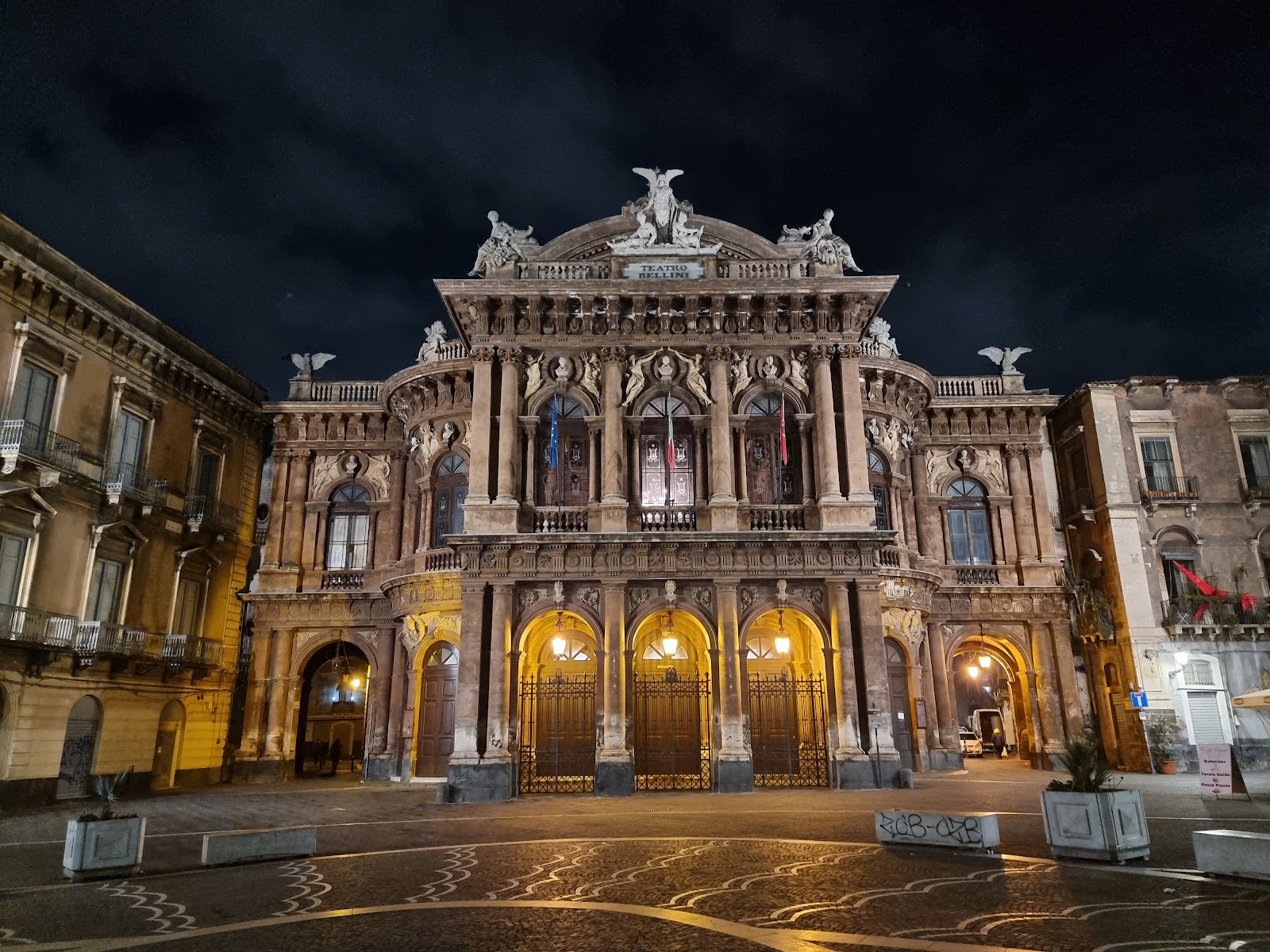
An unforgettable experience at Teatro Massimo Bellini in Catania. The theater is absolutely stunning, with elegant architecture, incredible acoustics, and a unique atmosphere. The performance was outstanding, featuring talented artists and beautiful staging. From opera masterpieces like Aida, Norma, and Carmen to ballet productions and symphonic concerts, every show feels special. A true cultural gem and one of the highlights of visiting Catania. Highly recommended for lovers of music and theater.
The Teatro Antico Greco-Romano di Catania is a beautiful and atmospheric place that lets you feel the history of the city. It’s fascinating to see such ancient ruins right in the middle of modern Catania. The site is not very large, but definitely worth a visit if you are nearby. It’s peaceful, interesting, and full of character. It would be great if there were an audio guide available to better understand the history and significance of the place.
The Greek - Roman Theatre is Catania’s best-kept secret—an ancient lava-stone arena hidden behind a standard city doorway. • Why photos fail: They can’t capture the surreal sight of modern apartment balconies hanging directly over 2nd-century ruins, nor the sound of the underground river rushing beneath the stage. • Why it’s a must-do: Built from dark Etna basalt, it’s a moody, atmospheric escape from the city noise that shows how Catania literally built itself on top of its own history.
An unexpected hidden gem of an archaeological find nestled between standard buildings near Piazza Duomo. Easily accessed, tranquil atmosphere, and doesn't take much time at all to cover.
More of Catania
Discover where to stay, what to do and the best deals for your trip.
Explore Catania →More attractions in Catania
All of Catania →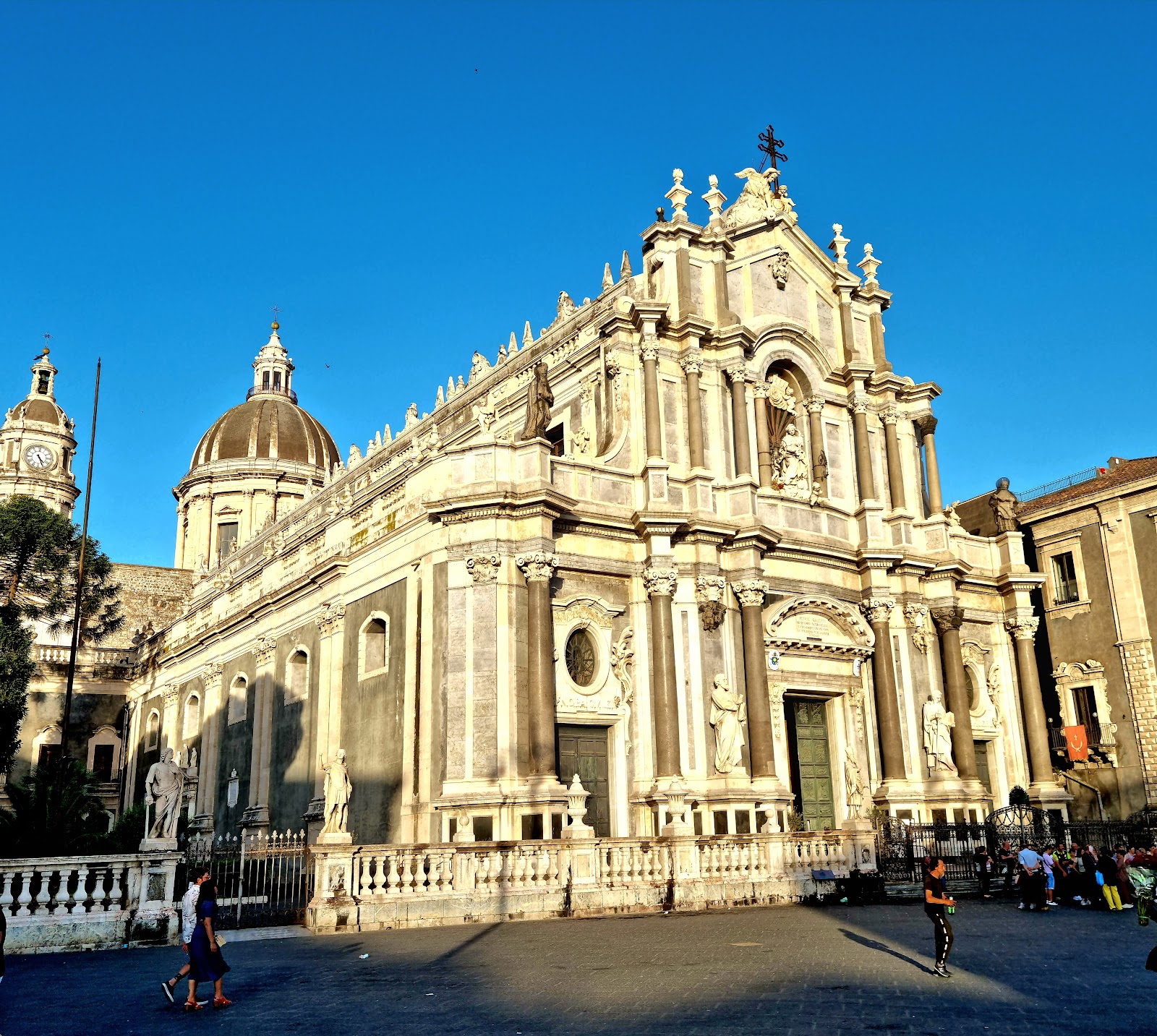
Background adapted from Wikipedia (CC BY-SA) · map data © OpenStreetMap contributors · ratings & place photos via Google · other photos with per-image credit. Ticket links may earn us a commission at no extra cost to you.