
Catania
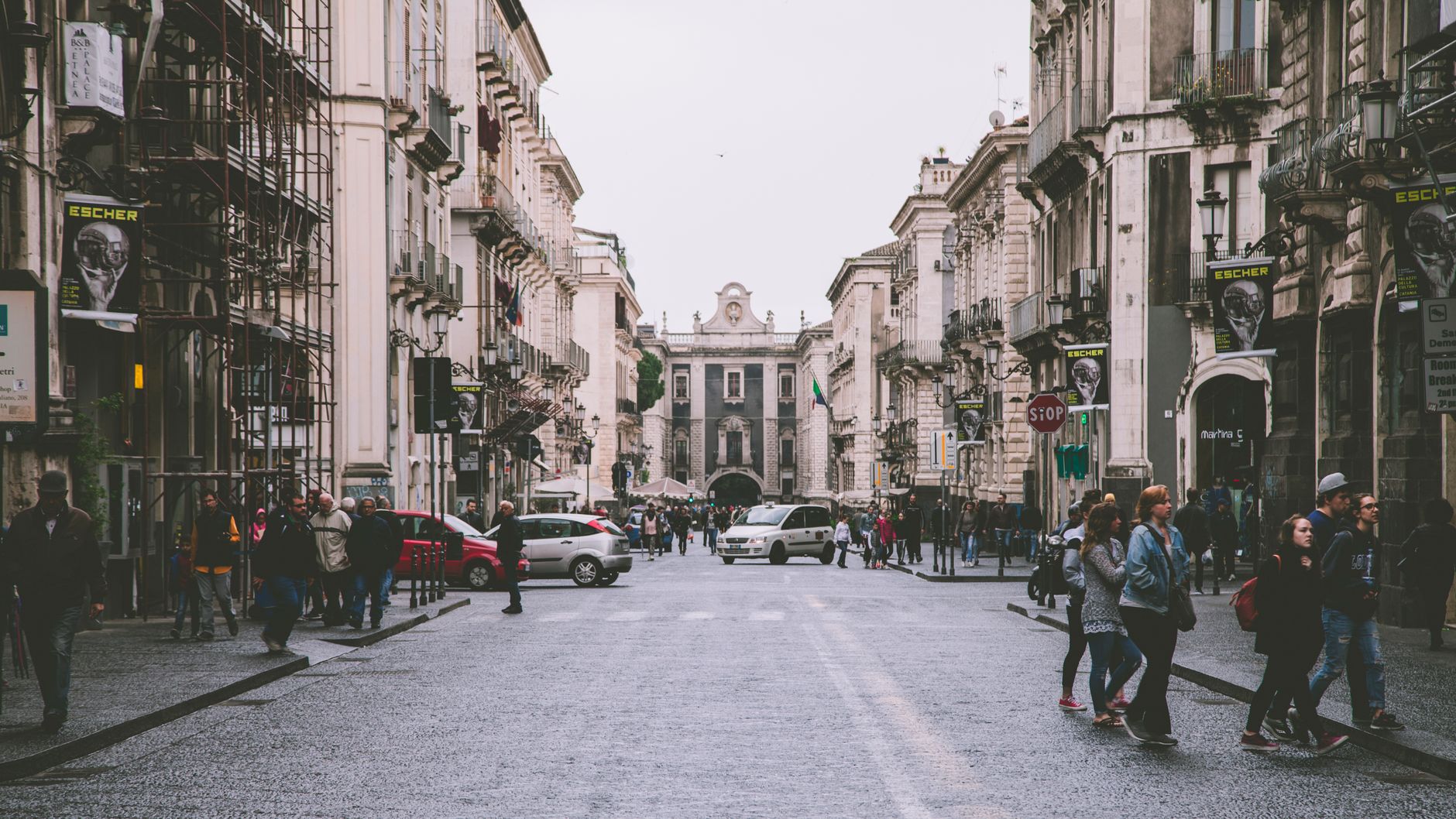
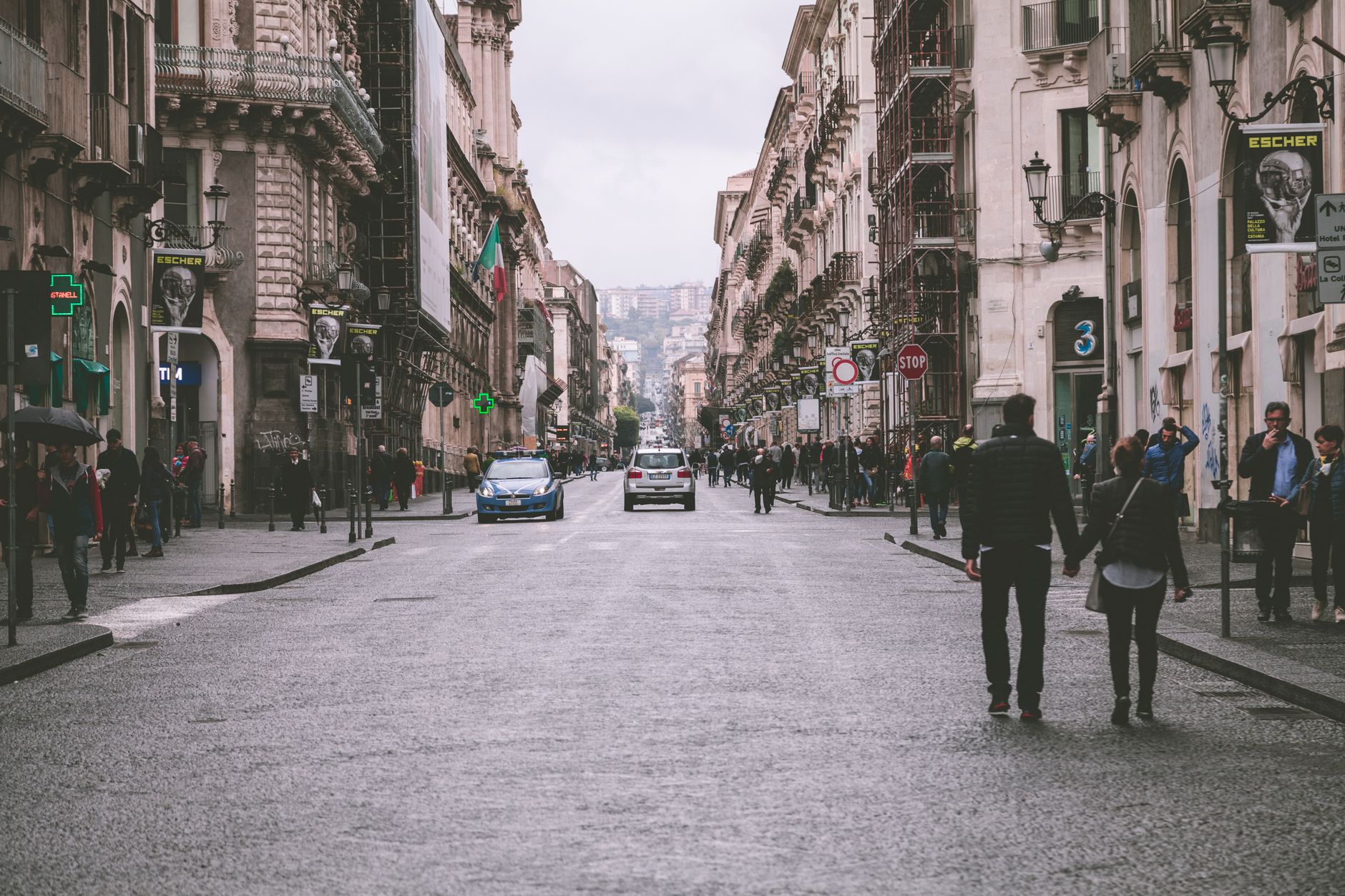
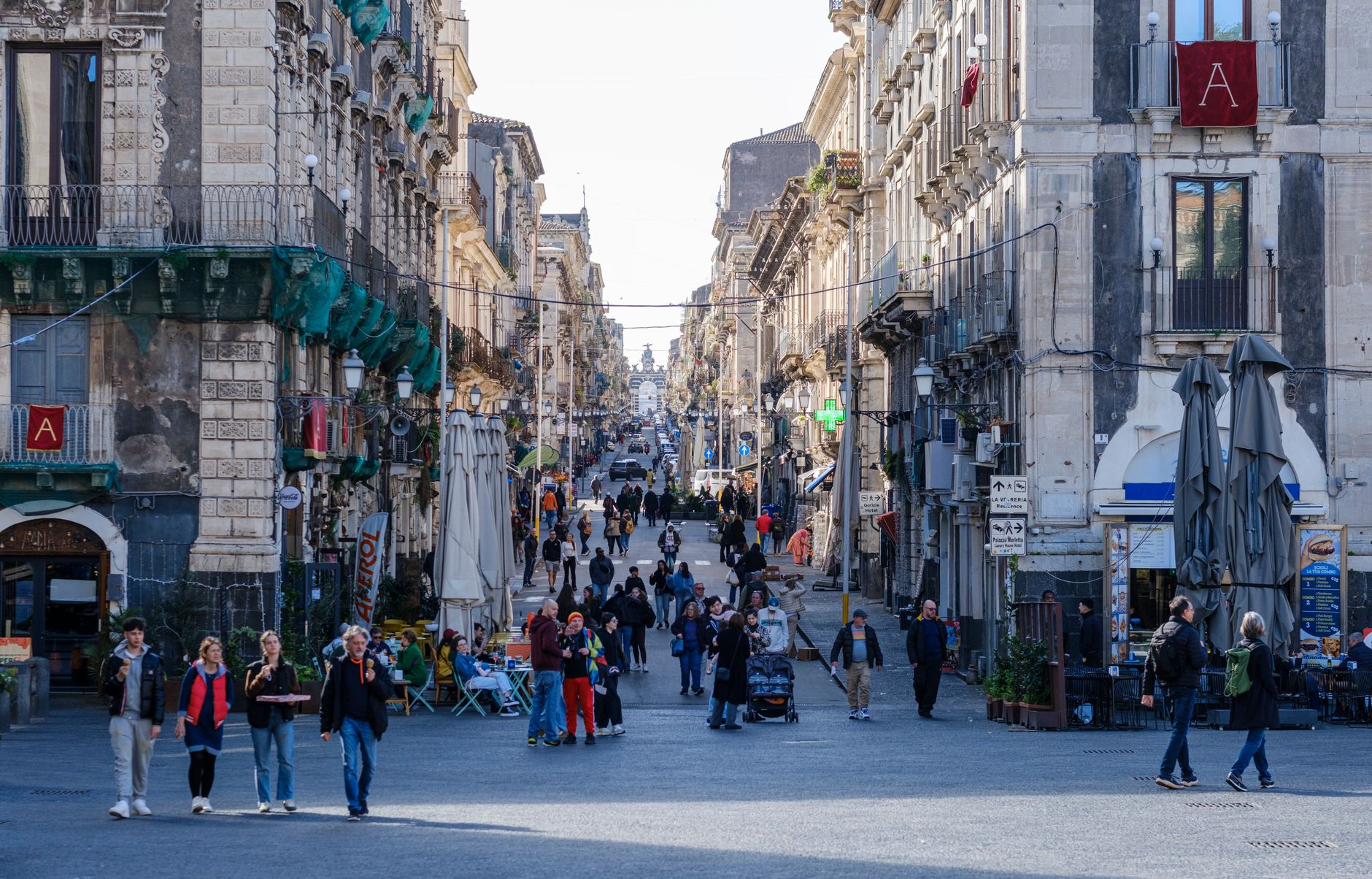
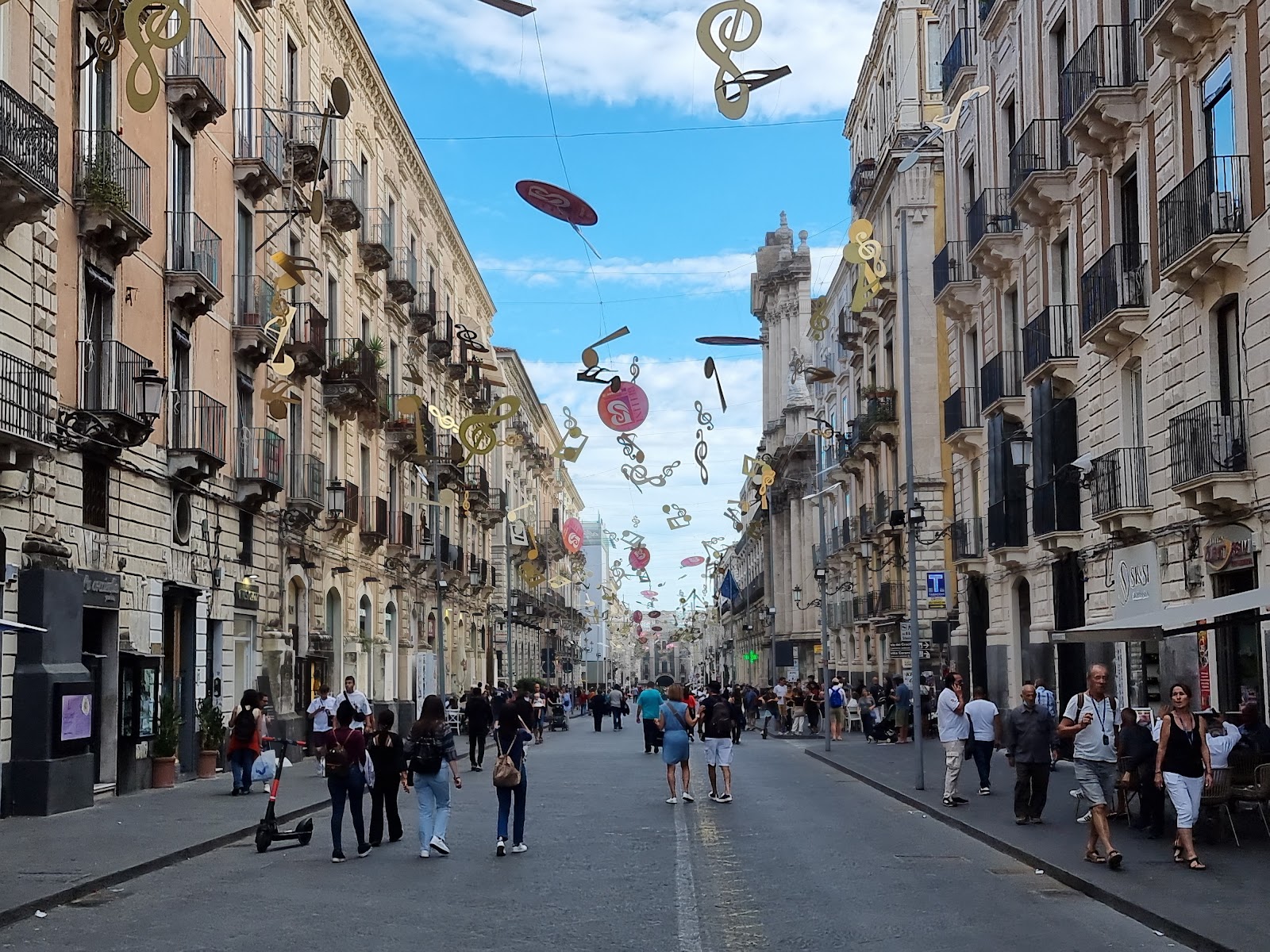
Catania is a city built on catastrophe and rebuilt on nerve. Etna has buried it in lava seventeen times. The earthquake of January 1693 killed 16,000 of its 20,000 inhabitants in a single night and levelled almost everything standing. What rose from the rubble was one of the most coherent Baroque urban landscapes in Europe — wide streets of dark lava stone lined with honey-coloured facades, a city that essentially had to reinvent itself from scratch and did so with uncommon confidence.
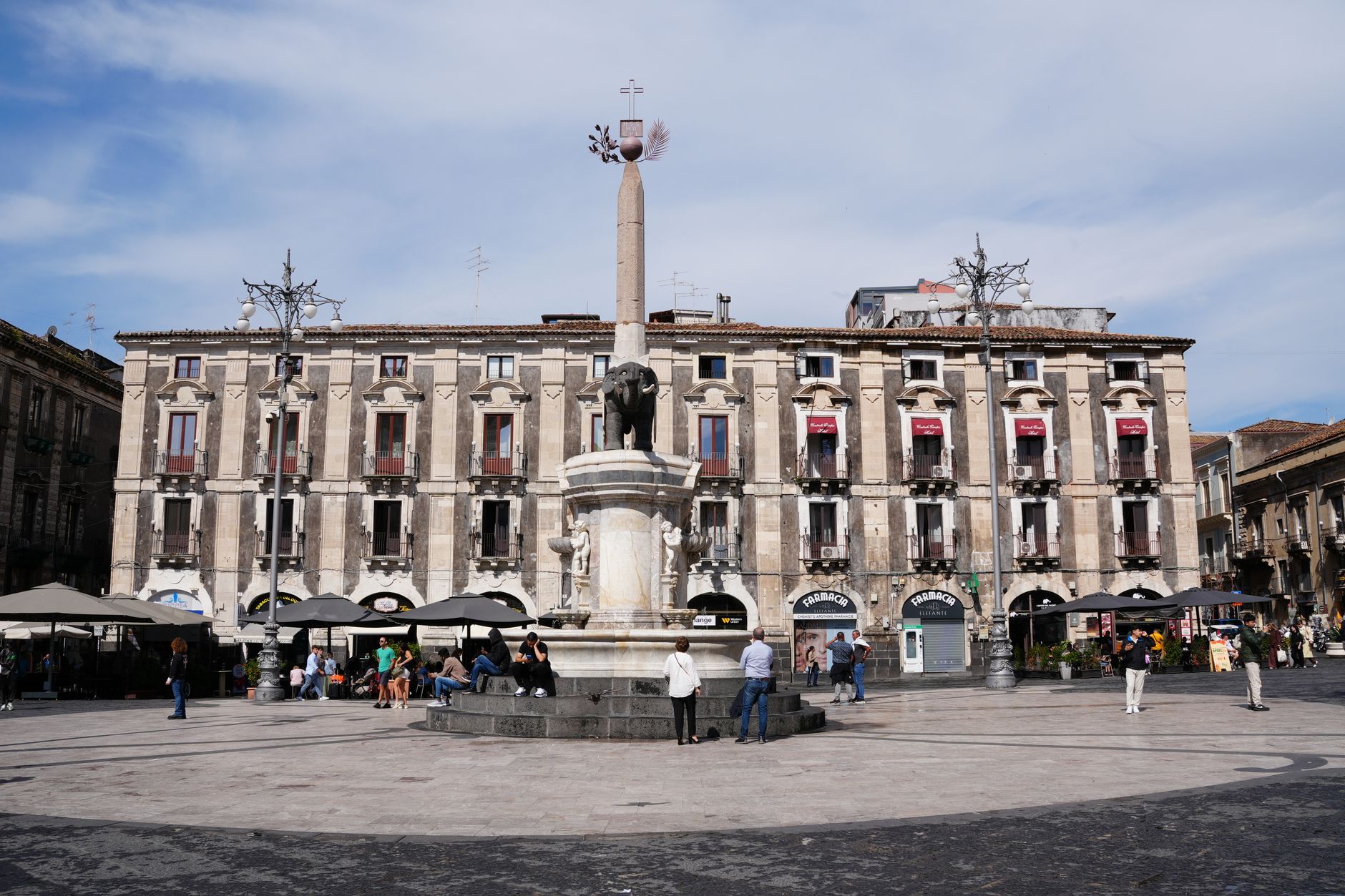
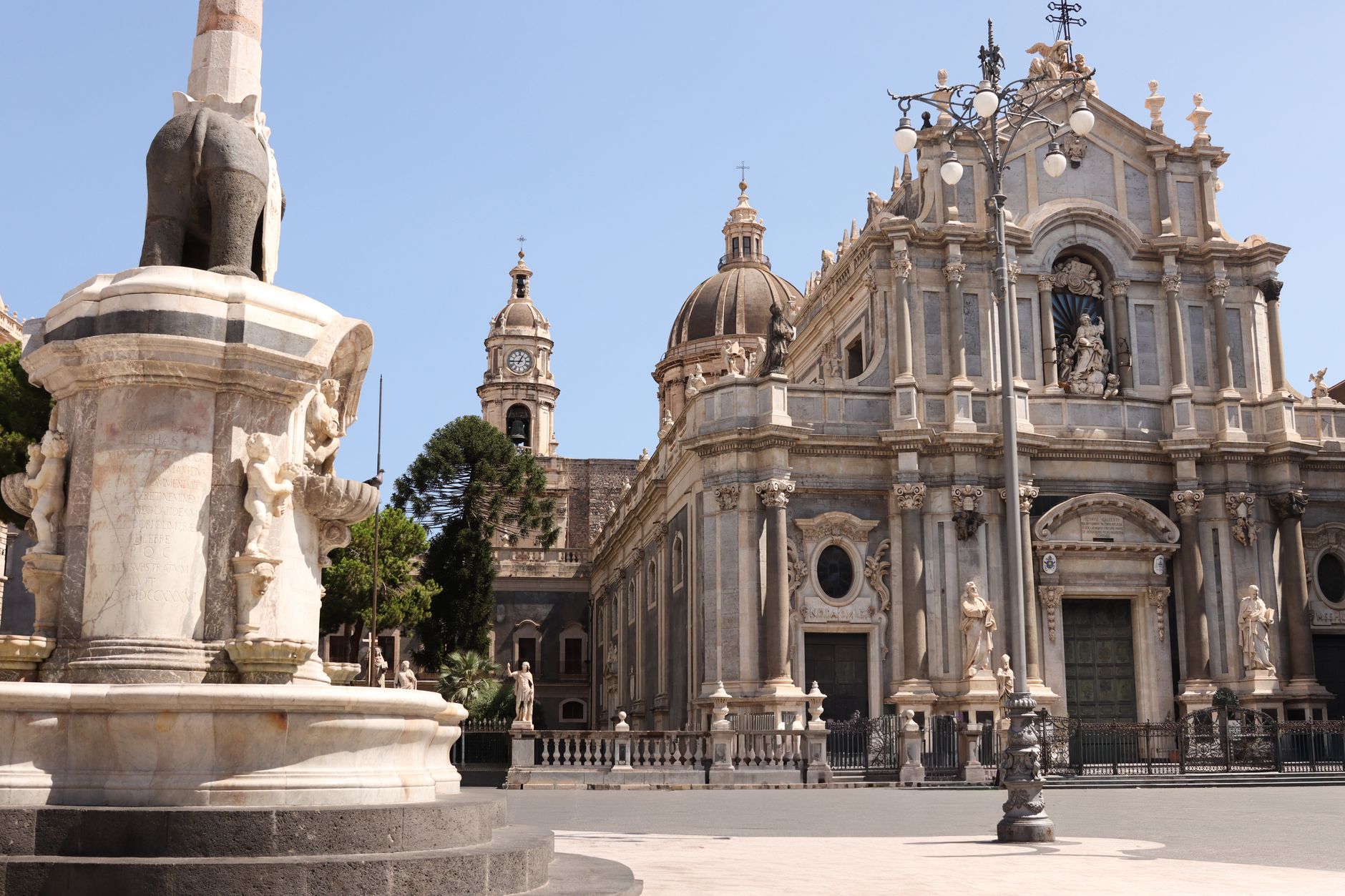
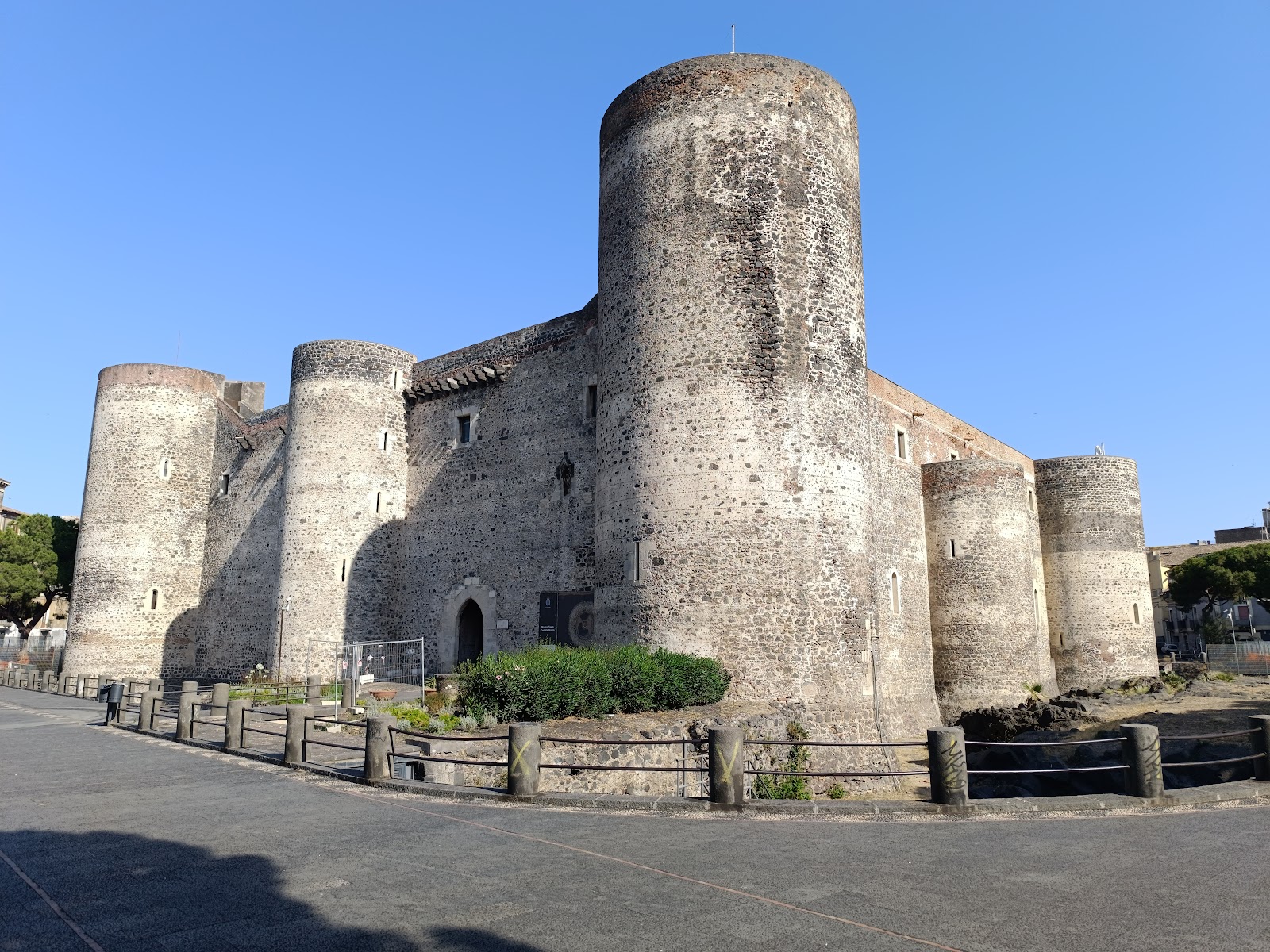
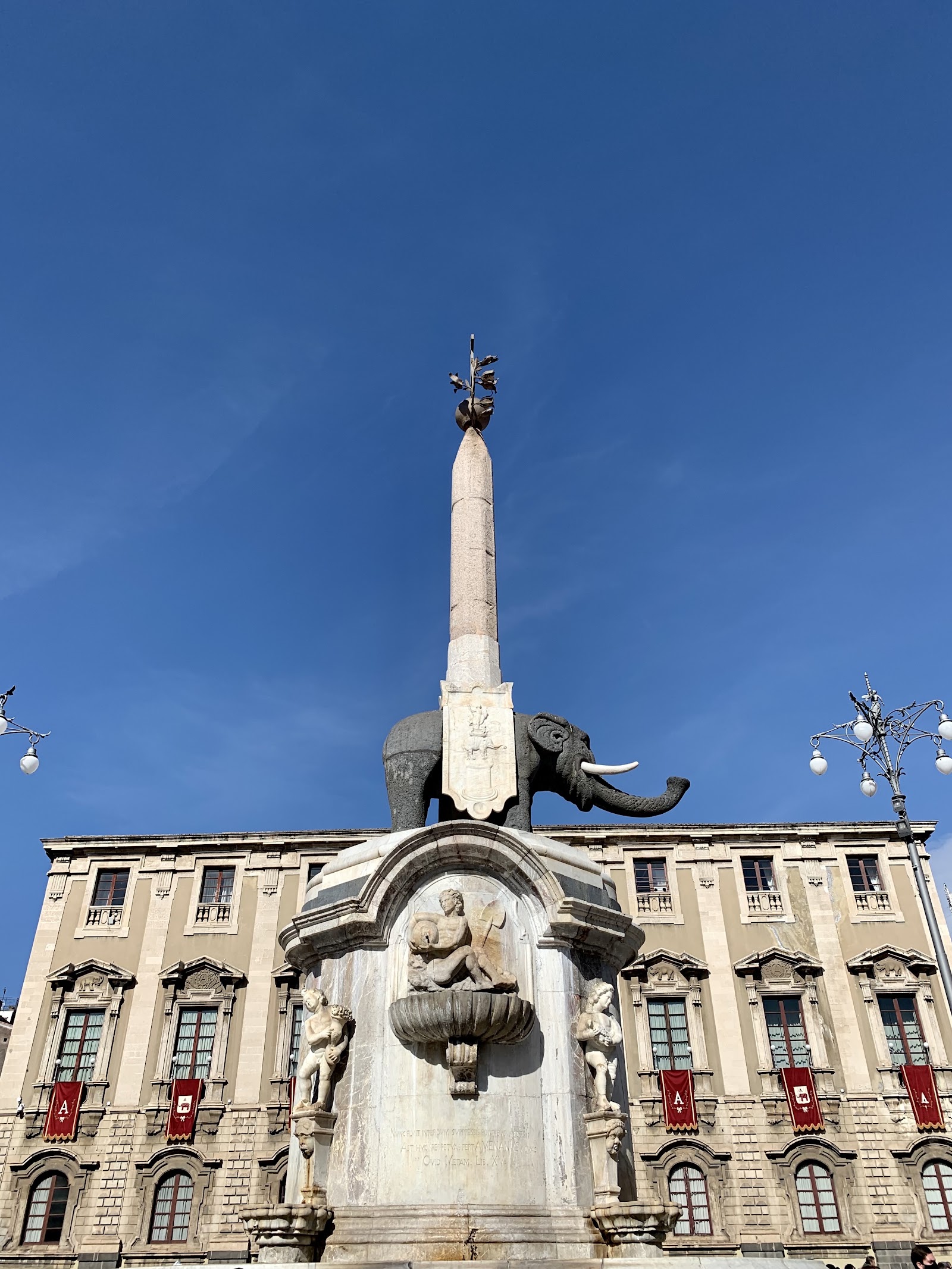
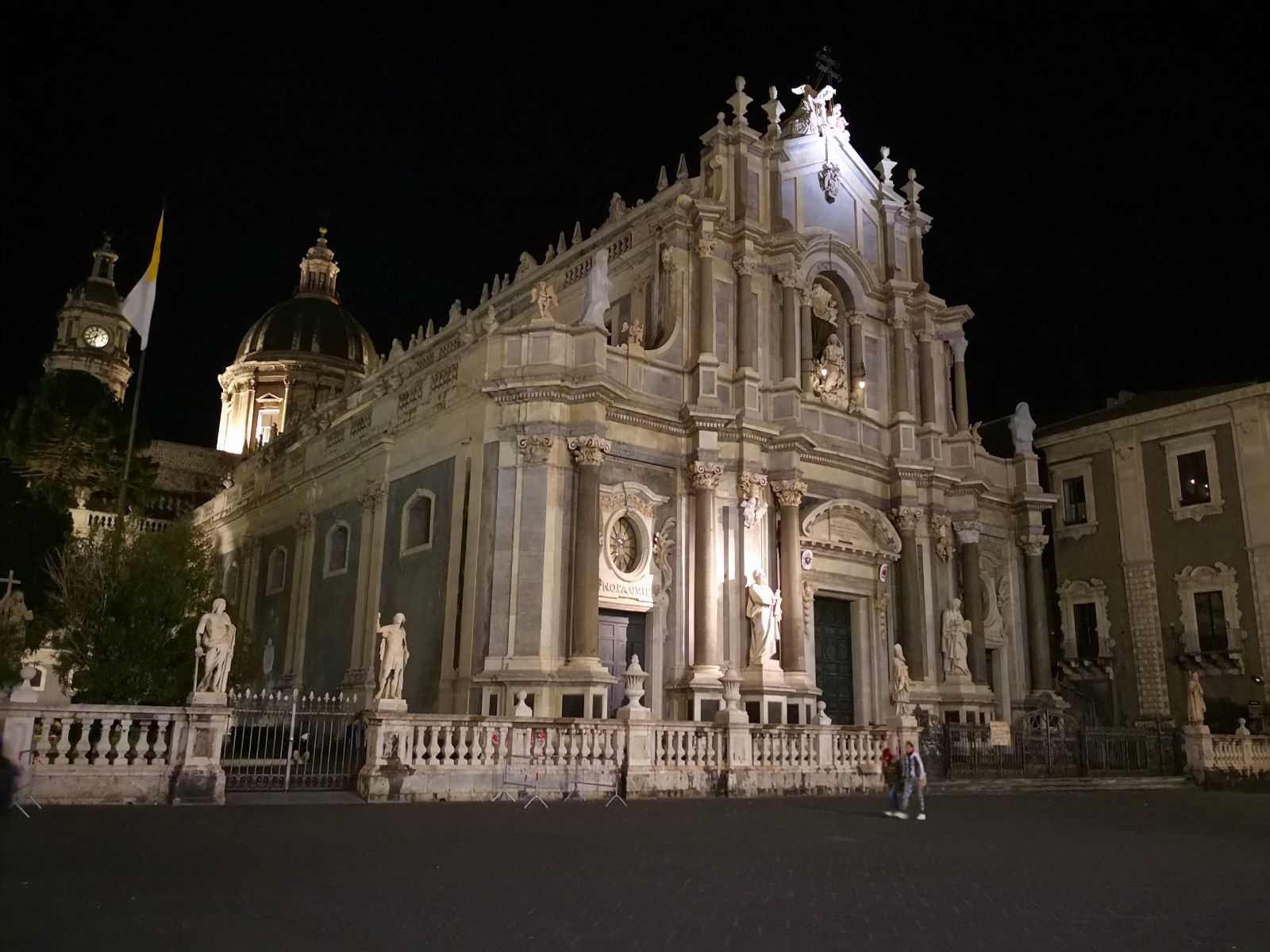
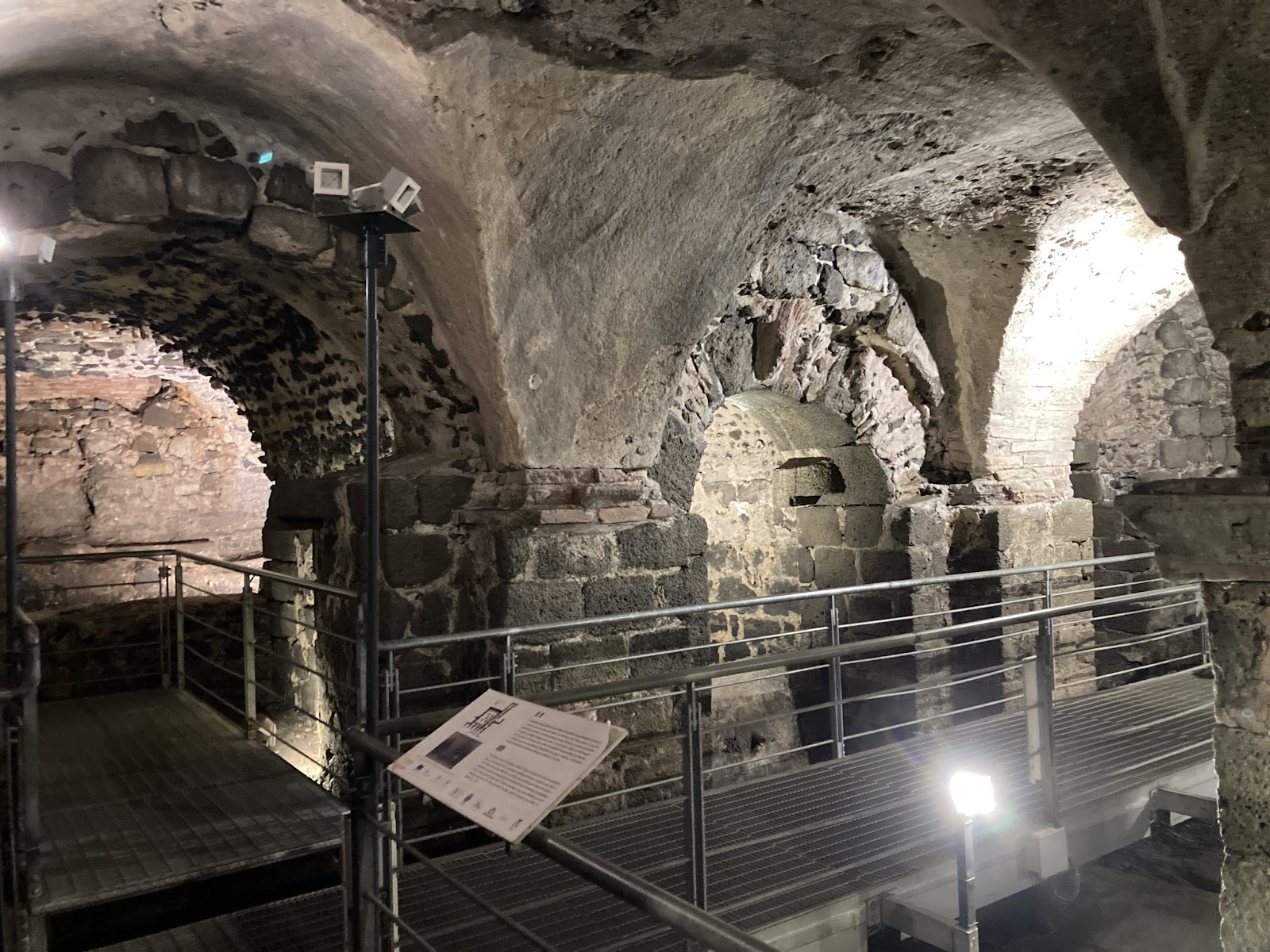
At street level that history is tactile. The paving underfoot is volcanic basalt. The cathedral's oldest walls are Norman-era lava. The elephant in the main piazza — the city's symbol — stands on a Roman pedestal. Catania wears its geology and its centuries without making a fuss about either.
💛 What travellers fall for
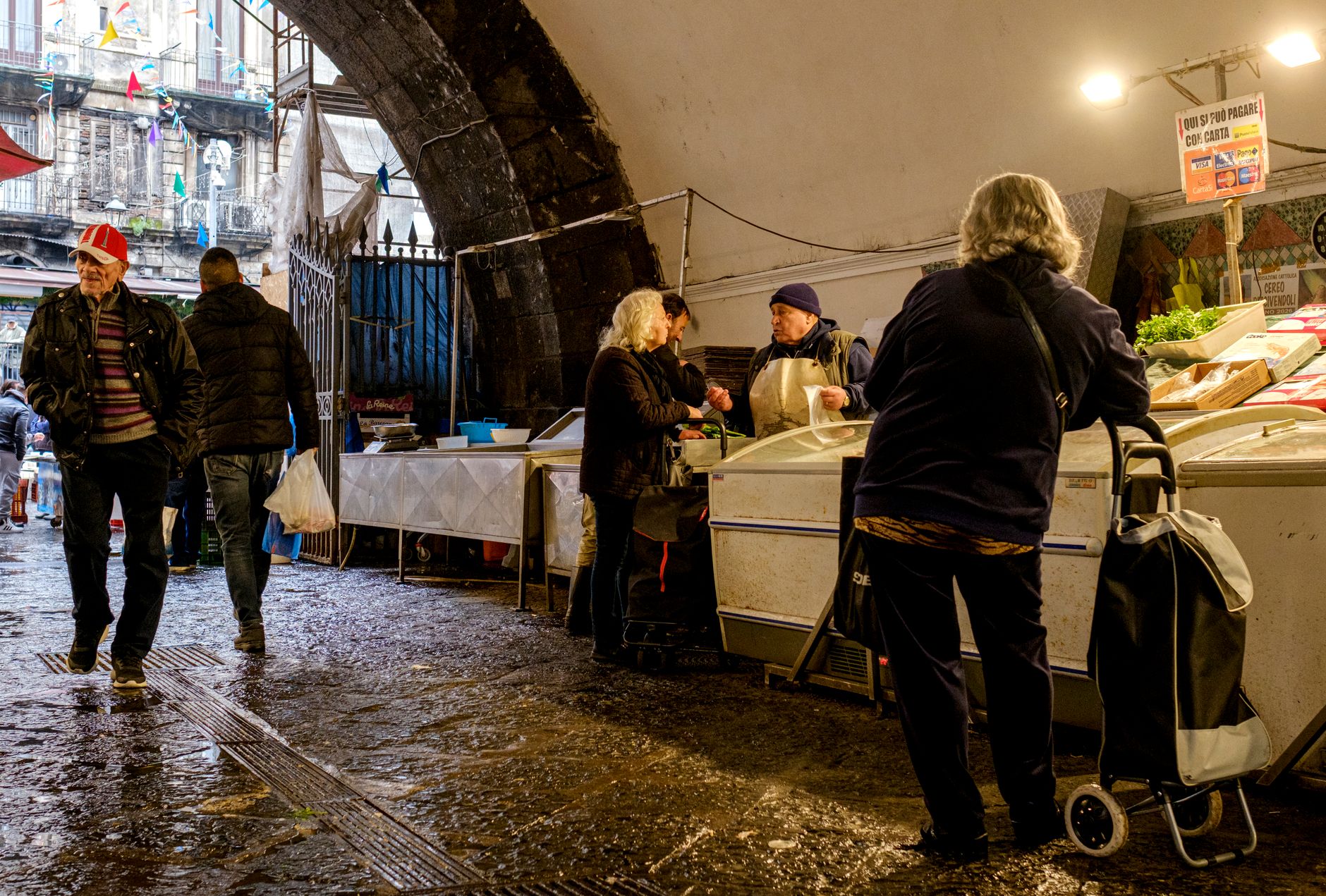
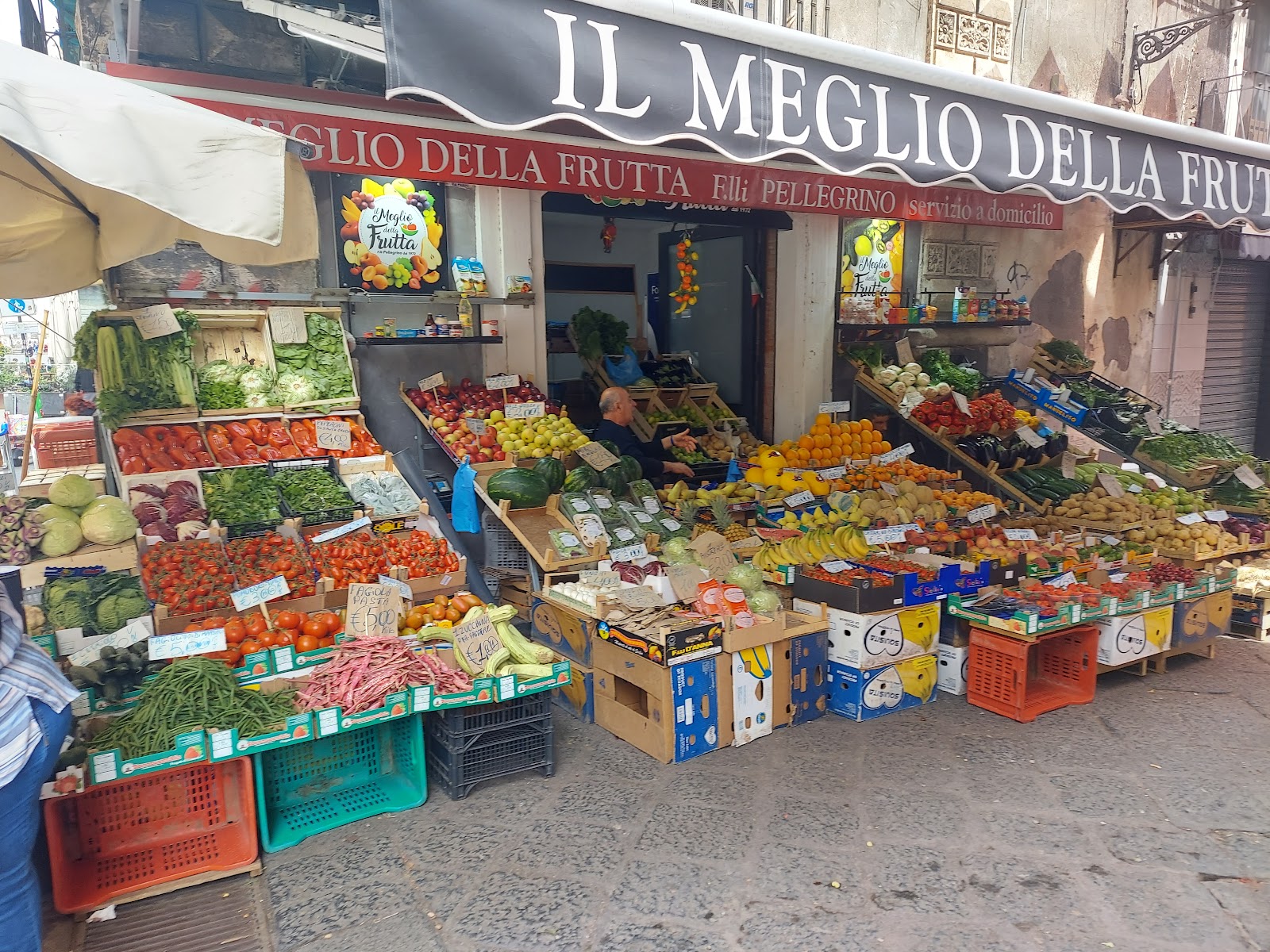
People who keep coming back tend to mention the same corner: the fish market, La Pescheria, on a weekday morning before ten, when the swordfish are still whole and the vendors are still loud. They also mention Via Crociferi at dusk, when the light hits the church facades on that short 180-metre stretch and the stone turns almost amber.
Experiences you don't want to miss


Deals in Catania
Book directly at the provider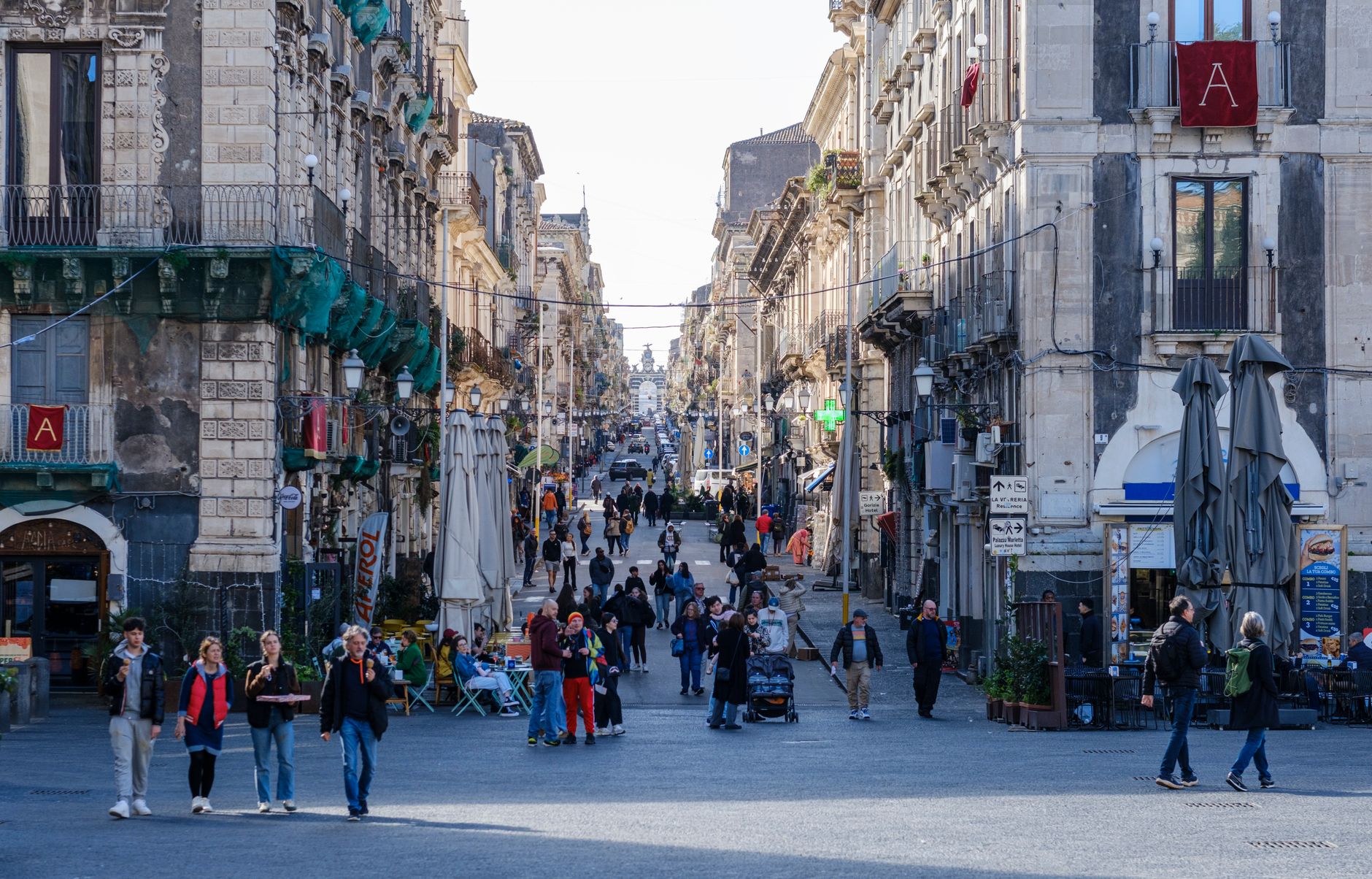
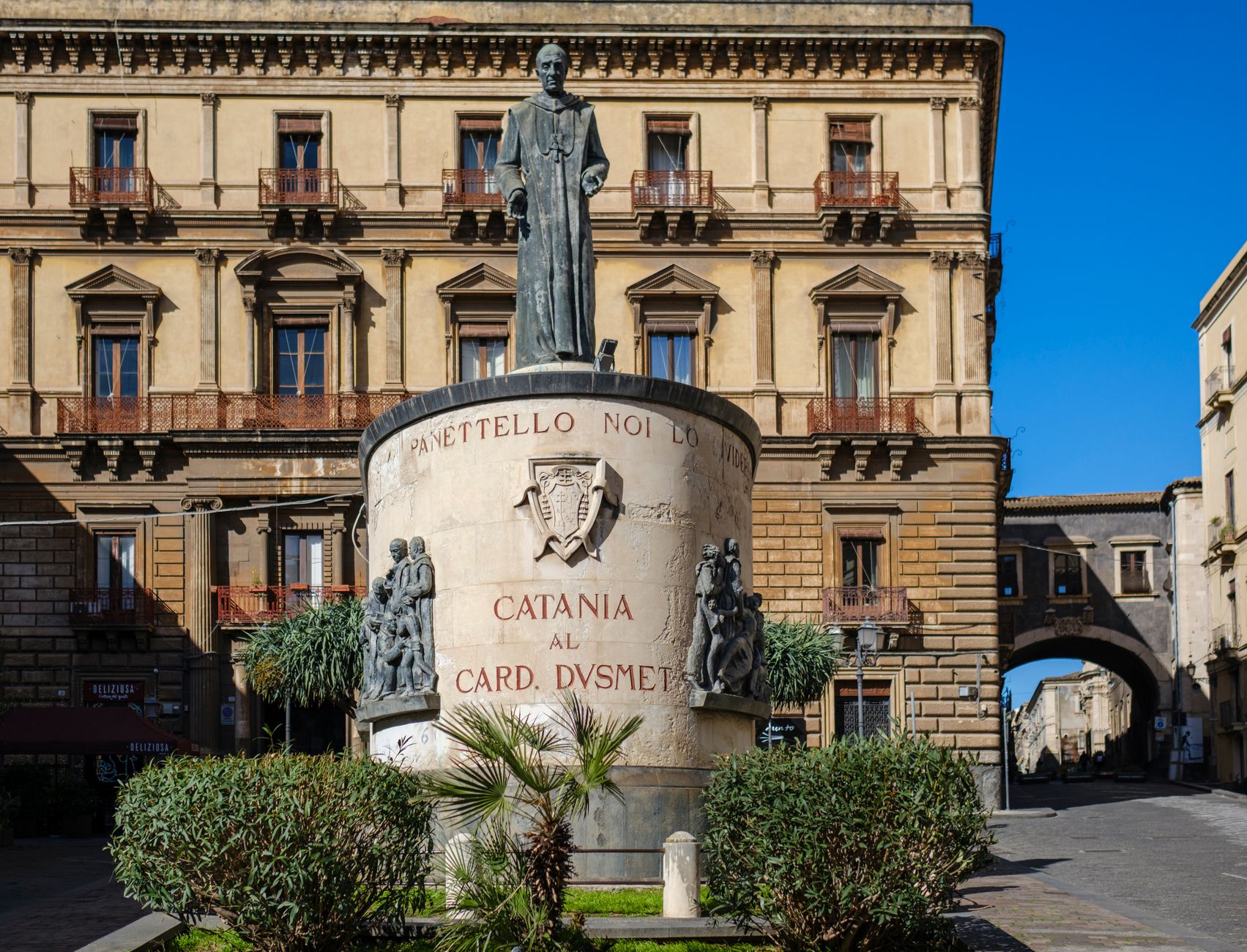
How Catania came to be
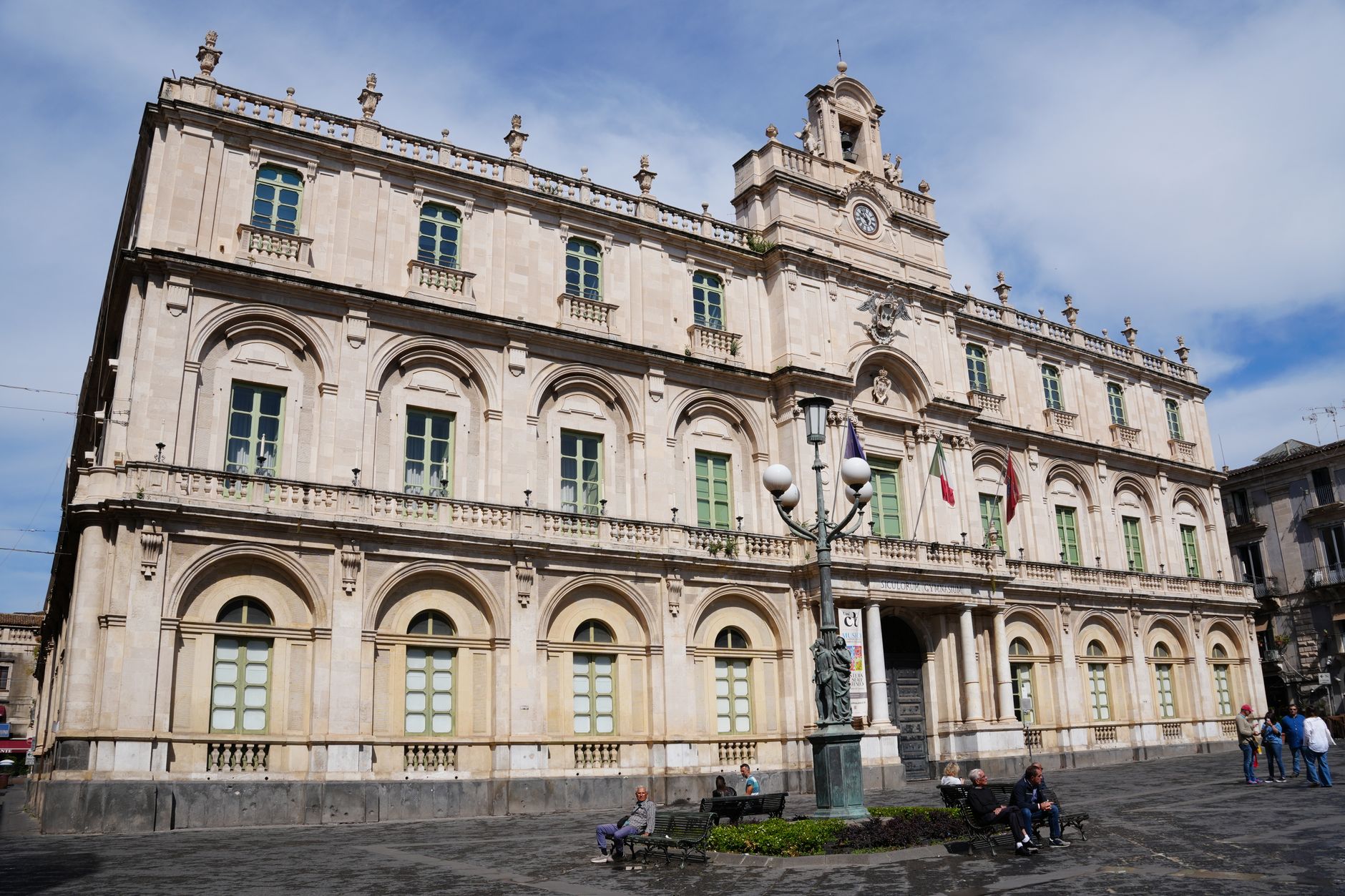
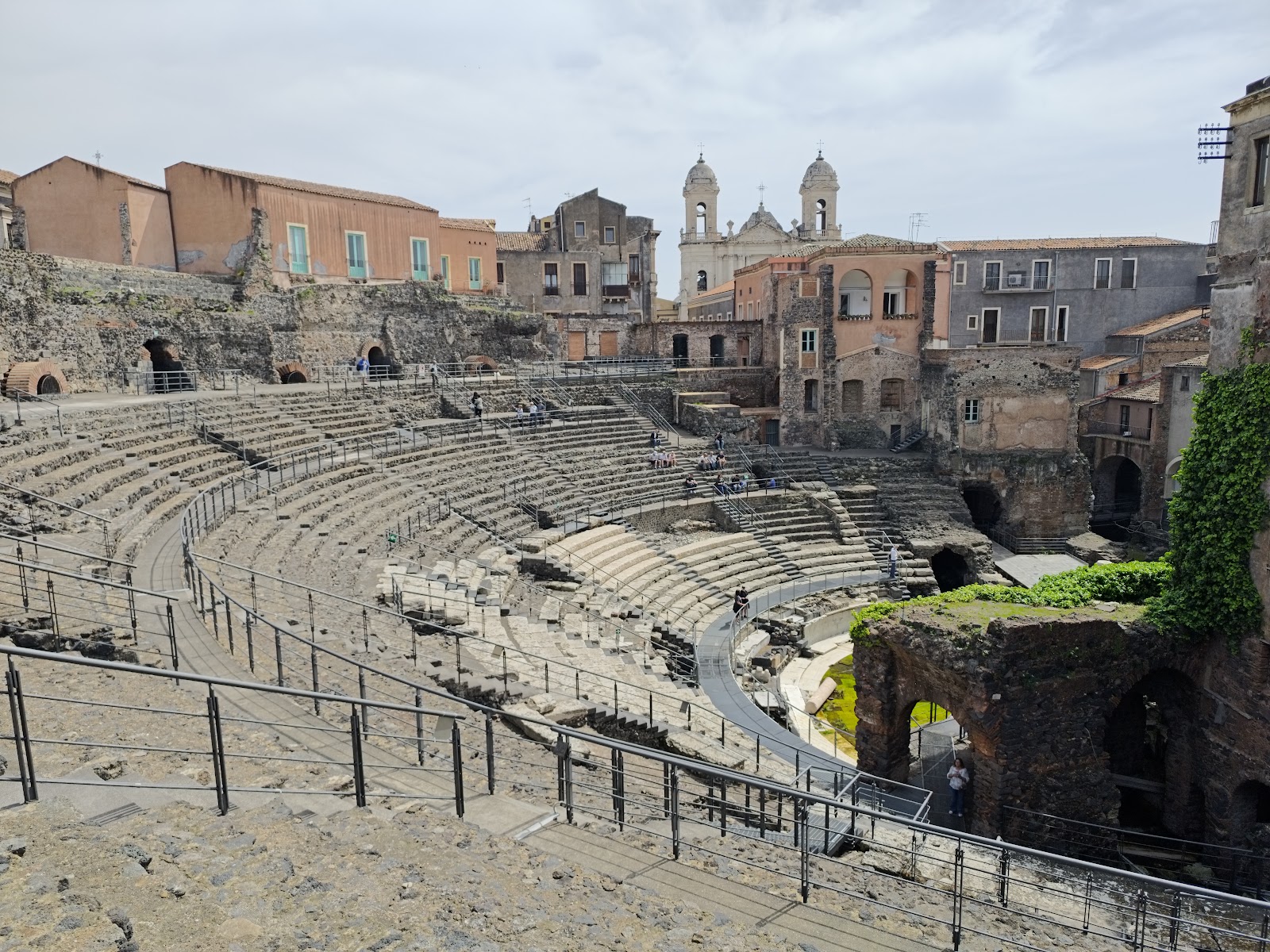
Greek colonists from Chalcis on Euboea founded the city in 729 BCE, and it was productive ground for thinkers early on — the legislator Charondas, the philosopher Xenophanes, and the poets Ibycus and Stesichorus all have ties to the city. By 263 BCE it had passed to Rome, and in 1434 King Alfonso V established here the Siciliae Studium Generale, Sicily's oldest university.
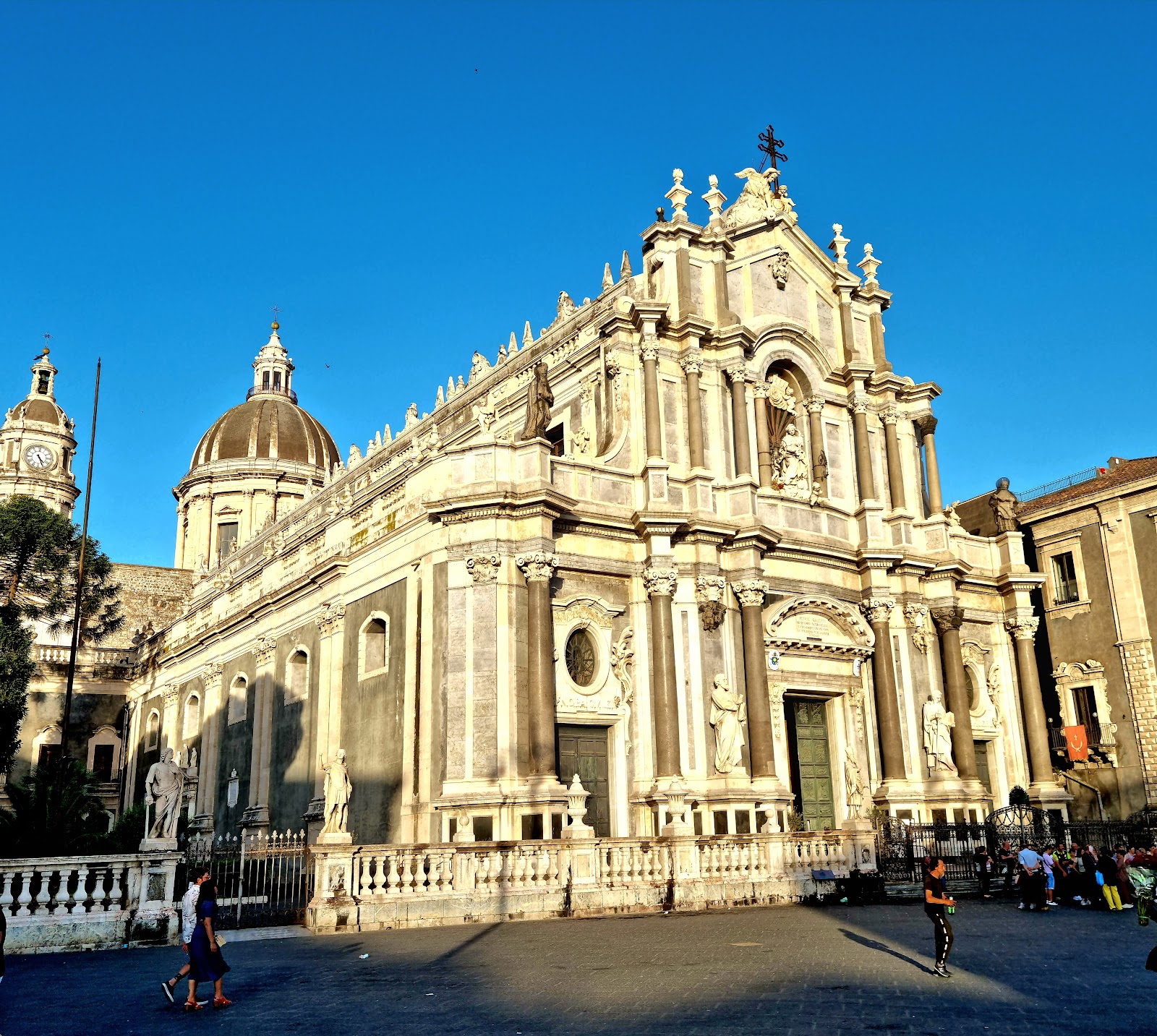
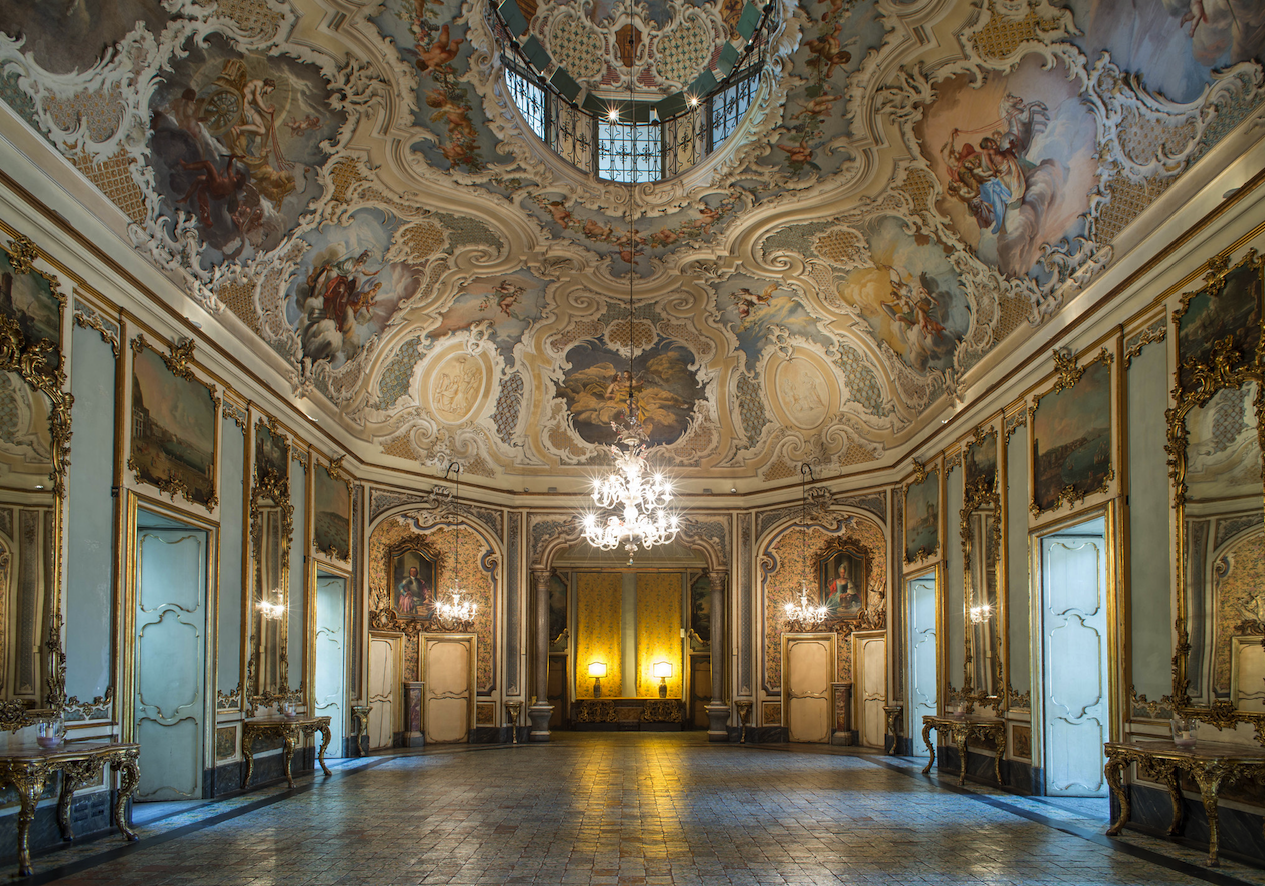
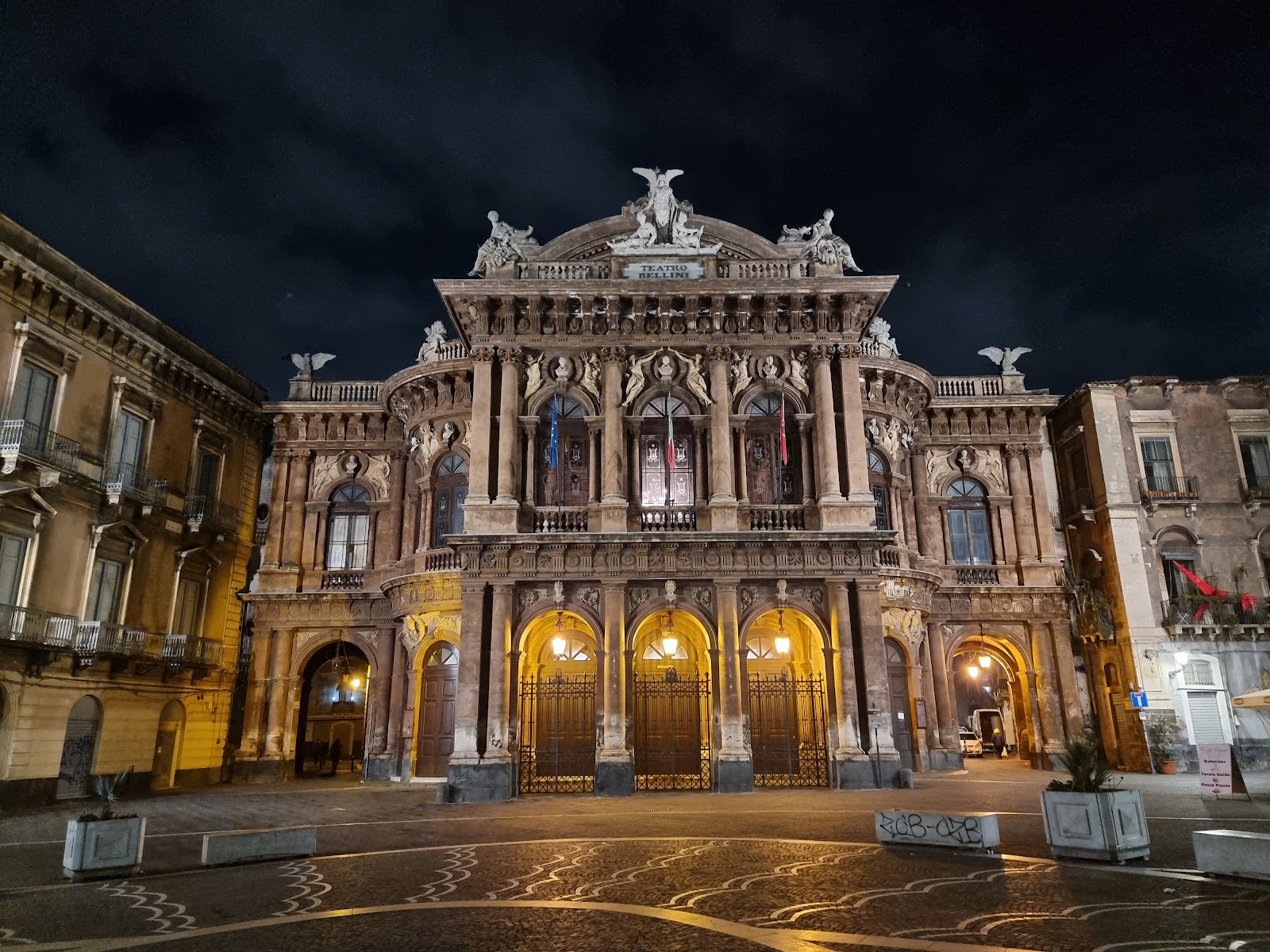
Then came the night of 11 January 1693. The earthquake, estimated at magnitude 7.4, erased the city almost entirely. What followed was a remarkable act of collective reconstruction, led in large part by the architect Giovanni Battista Vaccarini, who arrived in 1730 carrying the influence of Bernini and Borromini. The Baroque city he and others built earned UNESCO World Heritage status in 2002.
Who and what shaped it
People who shaped it
Landmark buildings
See Catania in motion
Plan your visit
On the map
When to go
Summers are long, hot and reliably dry — the kind of heat that makes afternoon shade a serious consideration. Winters are mild with alternating sun and rain, rarely cold enough to be a problem. Spring and autumn sit in a comfortable middle ground and are generally the easiest seasons for walking the city at length.
Right now
↡ Attractions


Background & history adapted from Wikipedia (CC BY-SA) · specs from Wikidata (CC0) · weather from Open-Meteo · map data © OpenStreetMap contributors · photos from Wikimedia Commons / Unsplash with per-image credit. No third-party reviews or social posts reproduced.