
Talad Noi
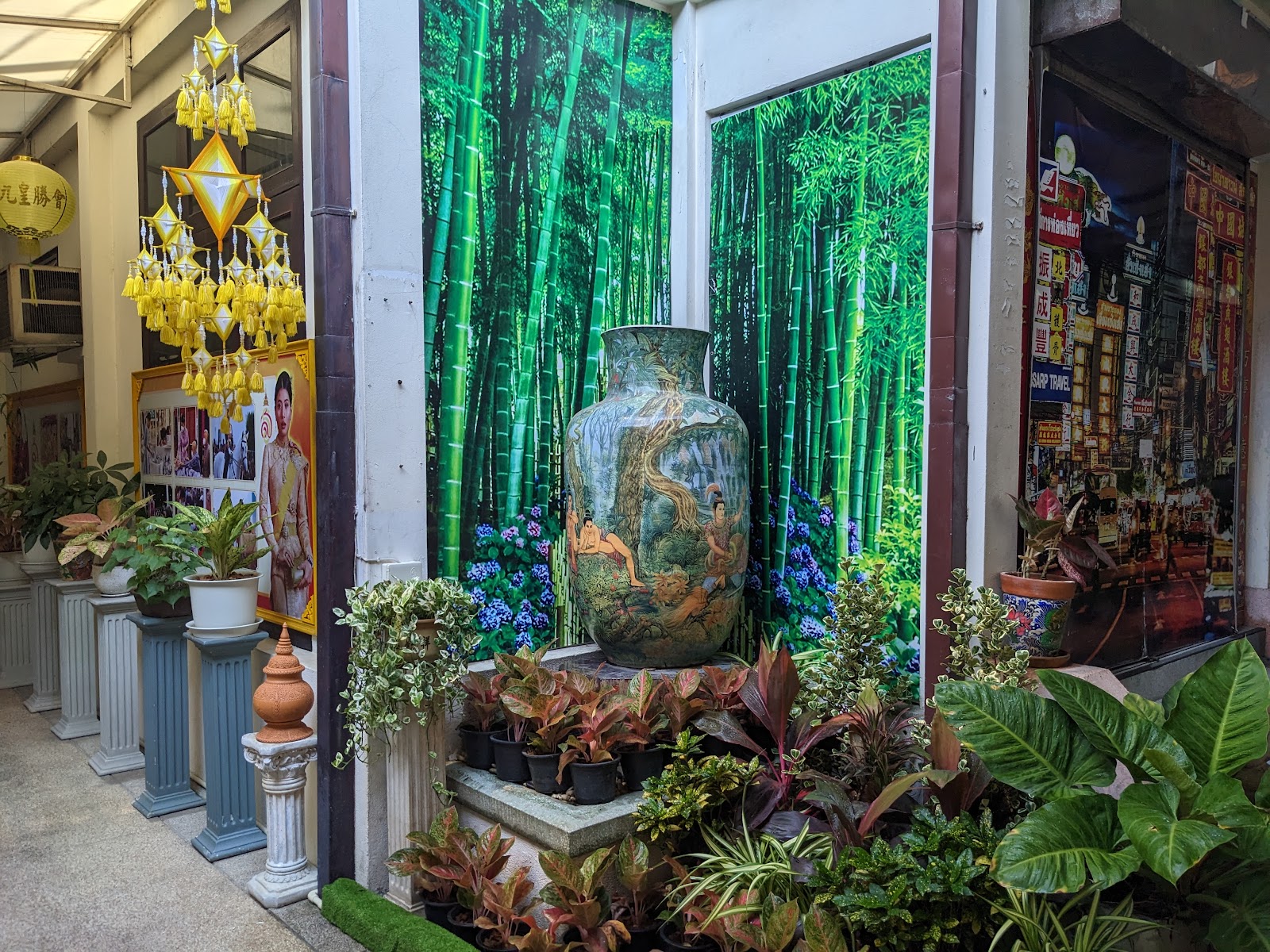
Somewhere between the Gothic arched windows of a 1786 Portuguese church and a rusted Fiat 500 that nobody ever came back to collect, Talad Noi tells you more about Bangkok's layered past than almost anywhere else in the city. The neighbourhood sits along the Chao Phraya's east bank, compact enough to cross on foot in under an hour, dense enough to occupy you for four.
It was Bangkok's first port — the place where immigrants landed, where produce moved, where shipping money built family mansions that still stand. The auto-parts trade that replaced all of that in the late 1930s never fully left either, so you walk past century-old shrines and Beaux-Arts bank facades with the smell of engine grease somewhere in the background.
💛 What travellers fall for
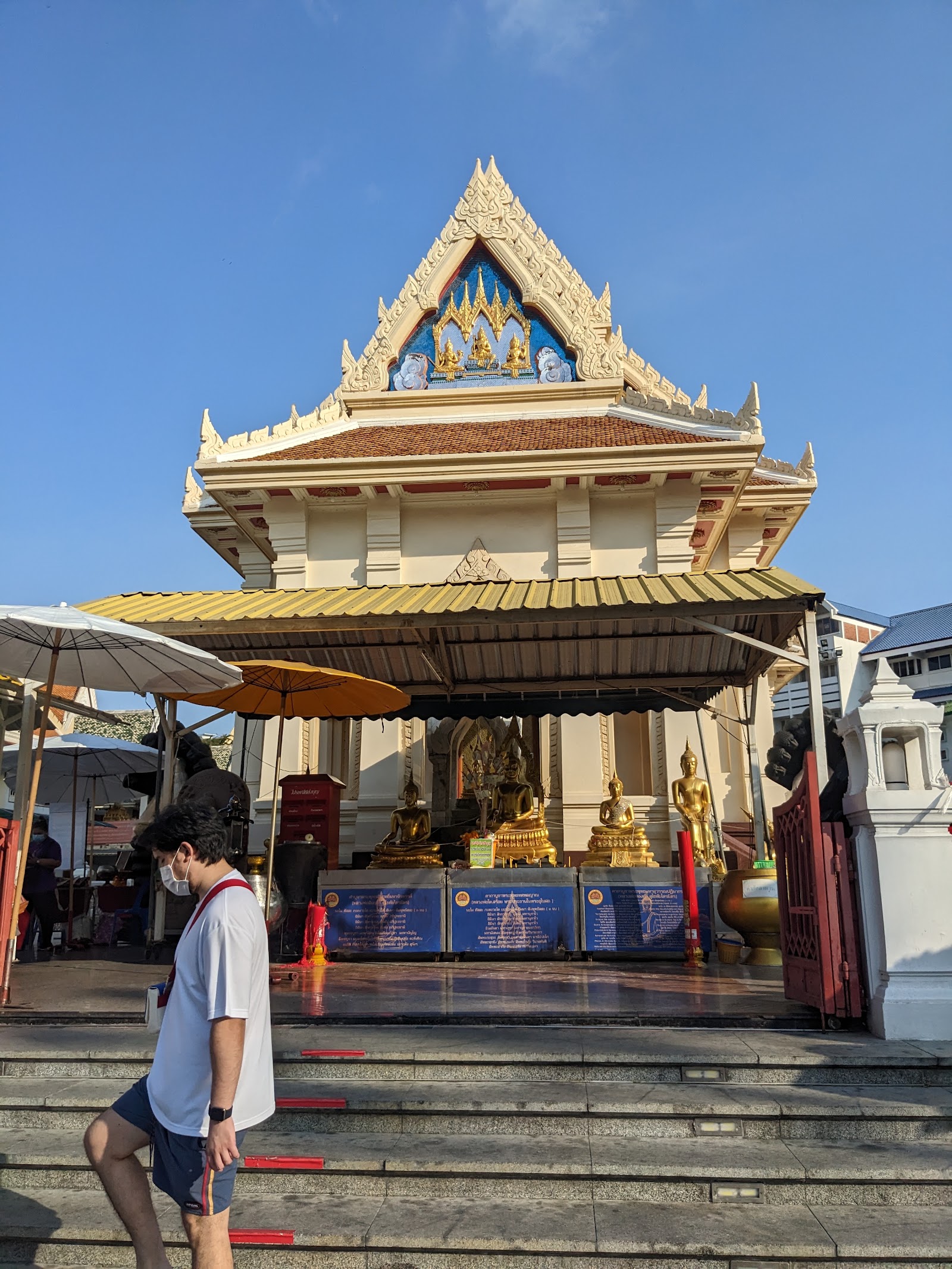
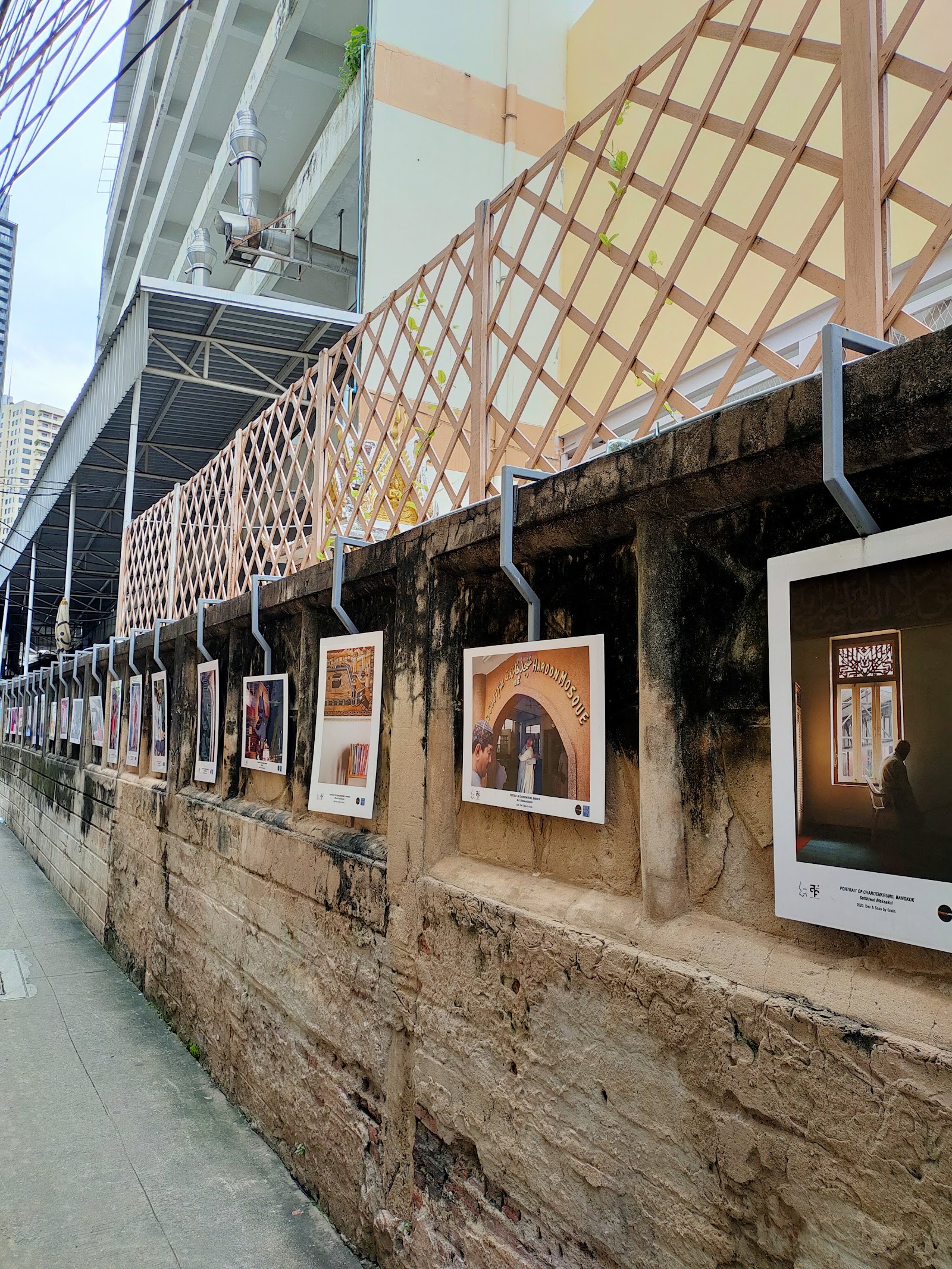
People who come back tend to pace it differently the second time: boat in via the Marine Department stop, shrine first, then the street-art alley off Trok San Chao Rong Kueak before the crowds thicken. So Heng Tai Mansion rewards a slow visit — buy the ticket, sit by the courtyard pool, and let the place settle around you.
The story behind Talad Noi
Talad Noi predates Bangkok itself. Portuguese settlers from Ayutthaya were the first to put down roots here, and in 1786 — four years after King Rama I moved the capital across the river to Rattanakosin — they completed what is now the Holy Rosary Church. That same year of 1782, Lord Aphai Wanit built So Heng Tai Mansion in the Hokkien-Teochew style, a four-house compound arranged around a central courtyard that has passed through seven generations of the same family.
Chinese communities followed quickly, and Talad Noi became the city's primary landing point for new arrivals and goods. The Chow Sue Kong Shrine went up around 1804, facing the river because the river was the road. Port operations shifted downriver in the early 1940s, and the neighbourhood pivoted to secondhand auto parts — the Sieng Gong district still runs that trade today, seventy-odd years on.
Good to know
Take the MRT Blue Line to Hua Lamphong and walk ten minutes, or arrive by Chao Phraya Express orange-flag boat at stop 4 (Marine Department) for the quickest approach to the shrine and street-art alley. Go early morning — the light is better and the lanes are quieter. So Heng Tai Mansion charges a small entry fee; everything else is free.
Bangkok is hot year-round, but the cool-dry window from November through February makes walking Talad Noi's lanes genuinely comfortable. The wet season (roughly May to October) brings afternoon downpours — the covered alleys offer some shelter, but the street art and open shrine areas are exposed.
Where is Talad Noi?
Location
- In Bangkok
- 13.7347, 100.5134
- Open in Google Maps
More tickets & tours for Talad Noi
Book directly at the provider
More of Bangkok
Discover where to stay, what to do and the best deals for your trip.
Explore Bangkok →More attractions in Bangkok
All of Bangkok →

Background adapted from Wikipedia (CC BY-SA) · map data © OpenStreetMap contributors · ratings & place photos via Google · other photos with per-image credit. Ticket links may earn us a commission at no extra cost to you.