
Sorrento
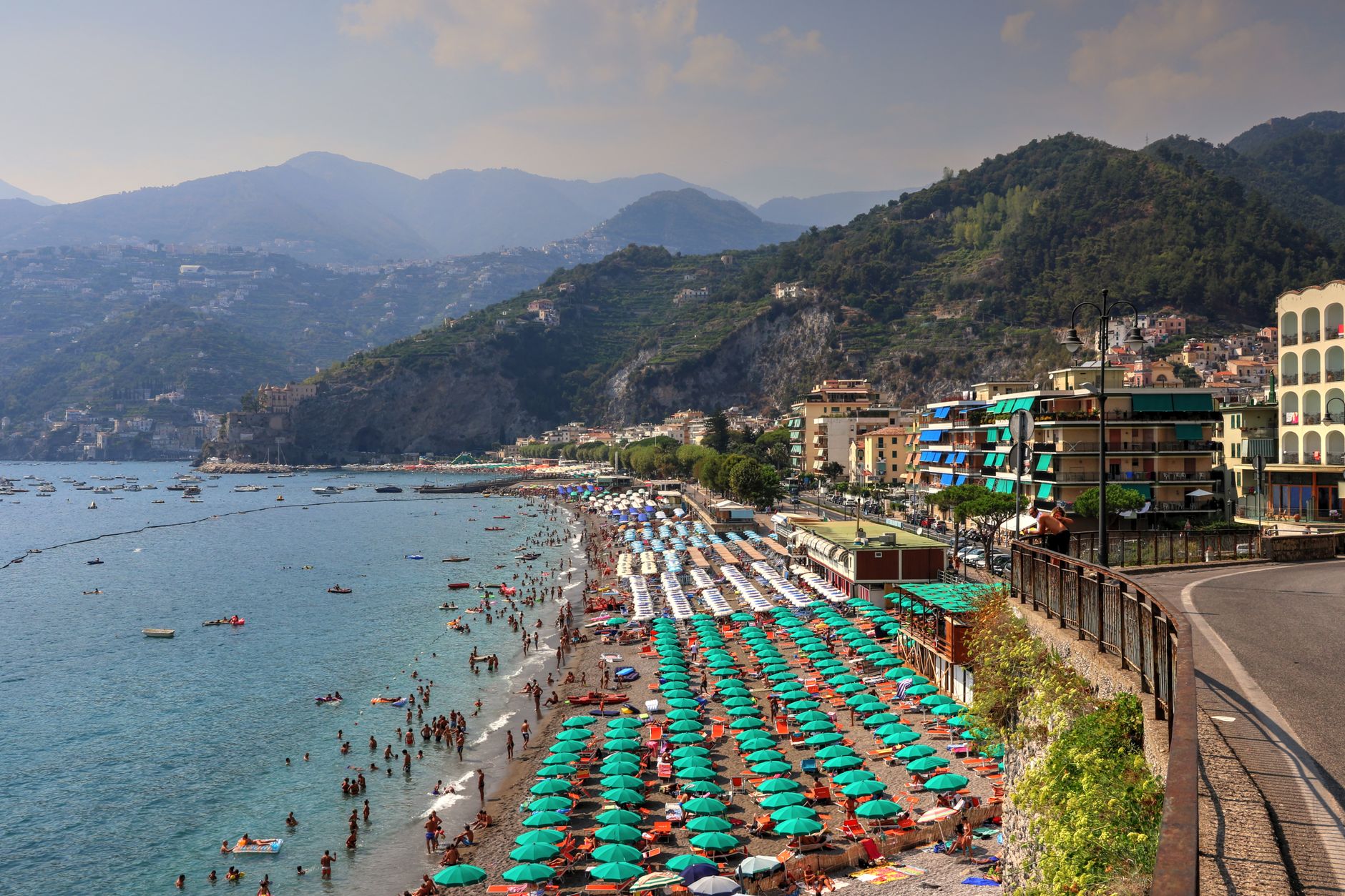
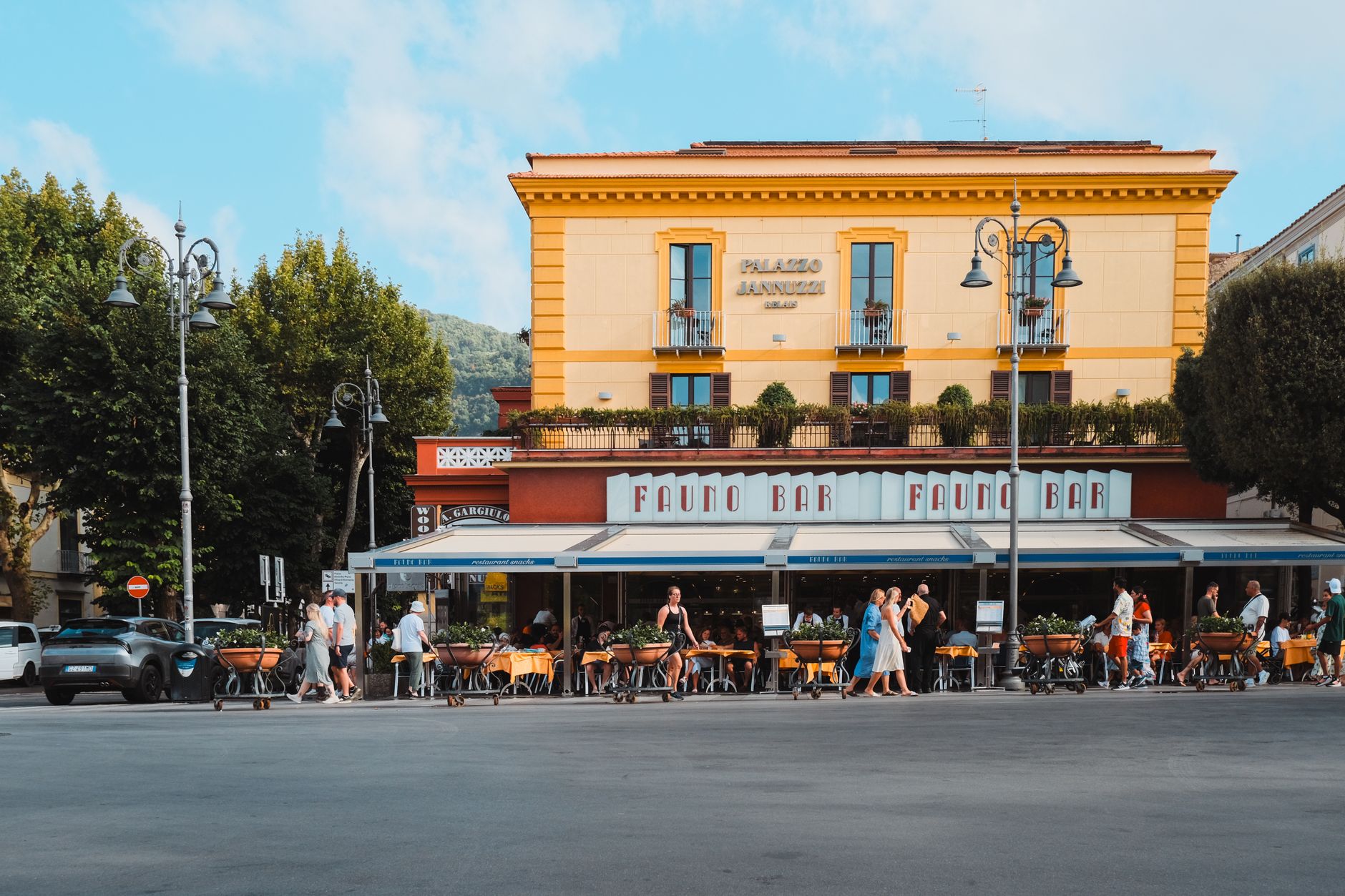
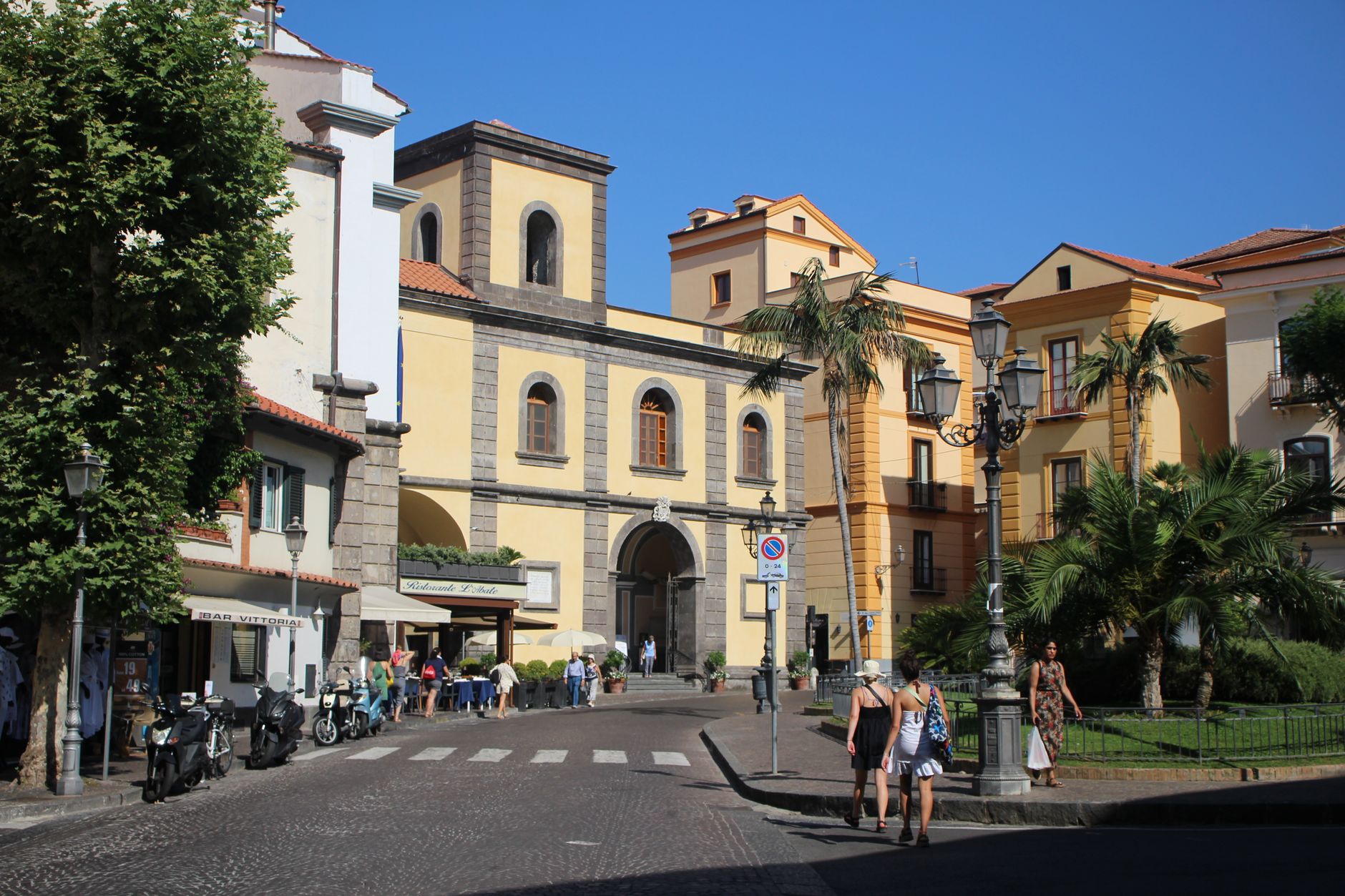
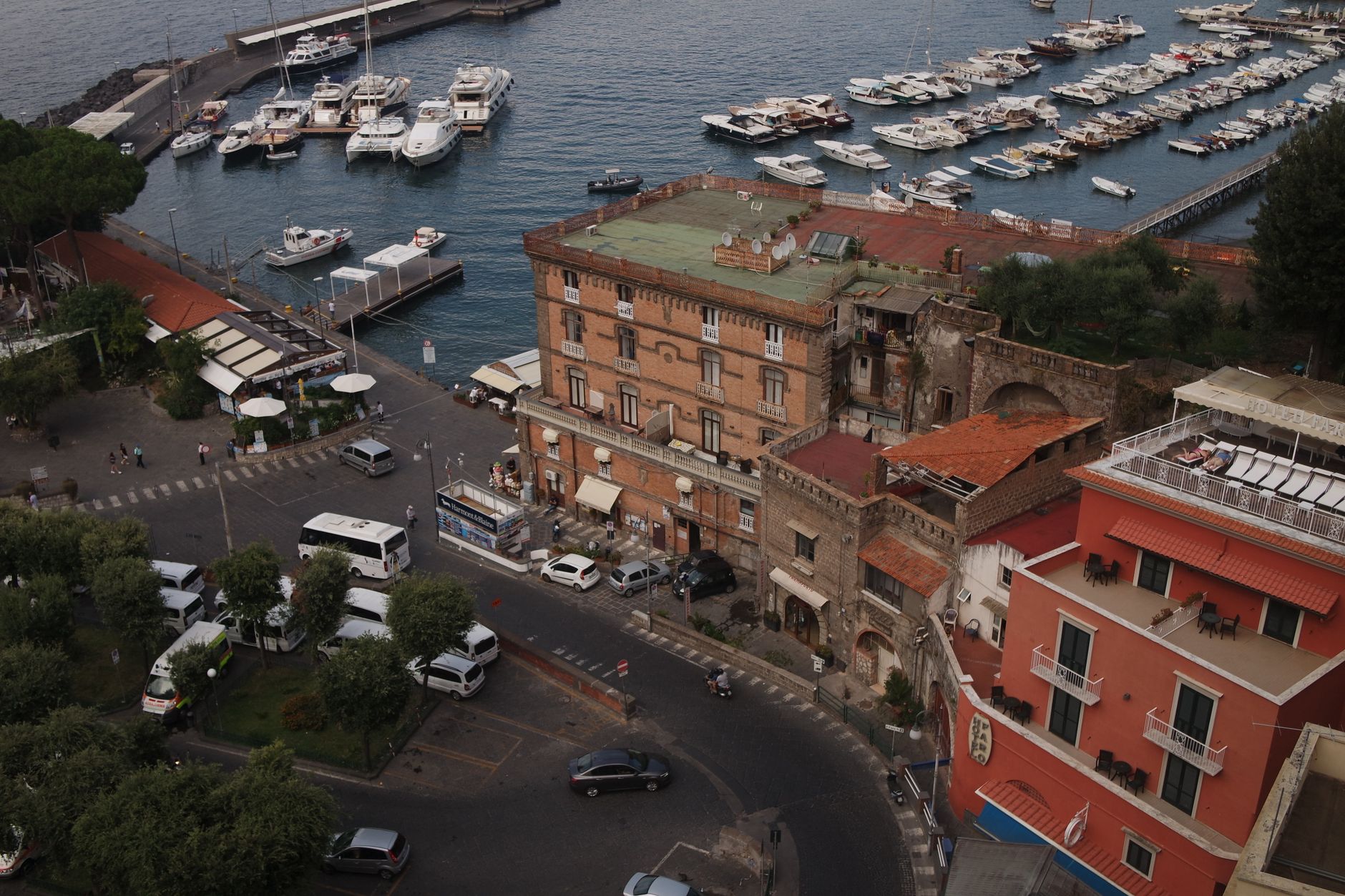
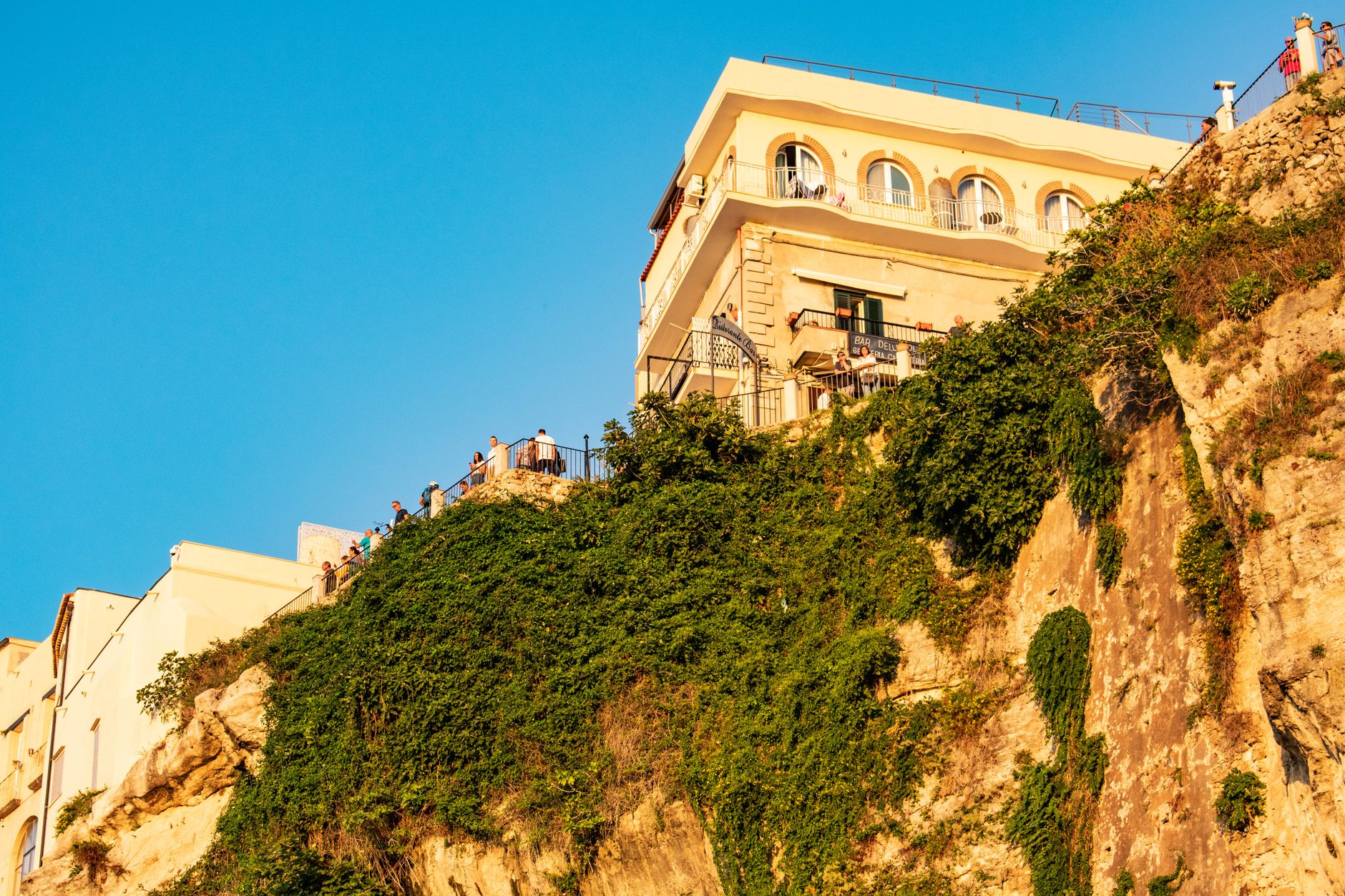
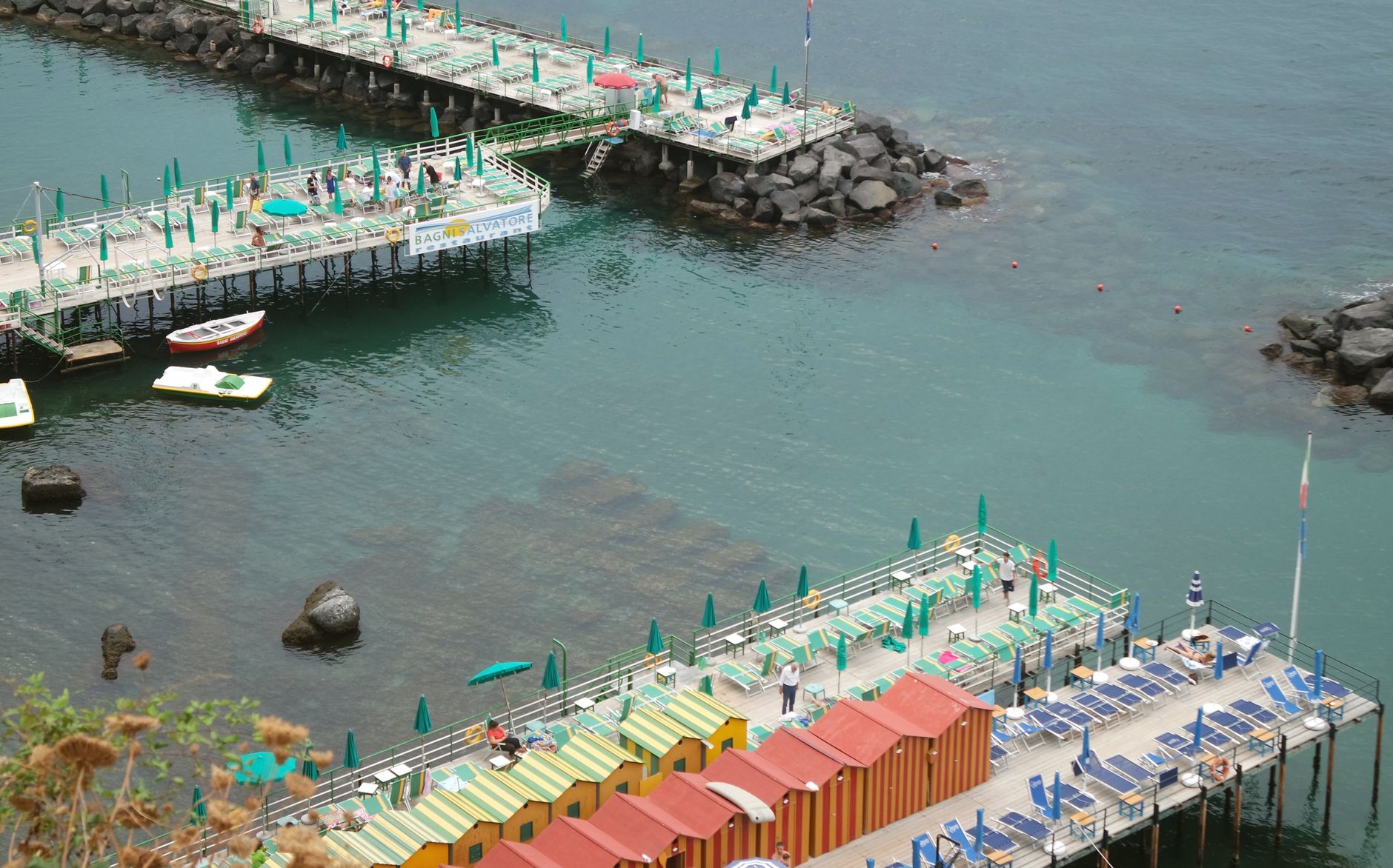
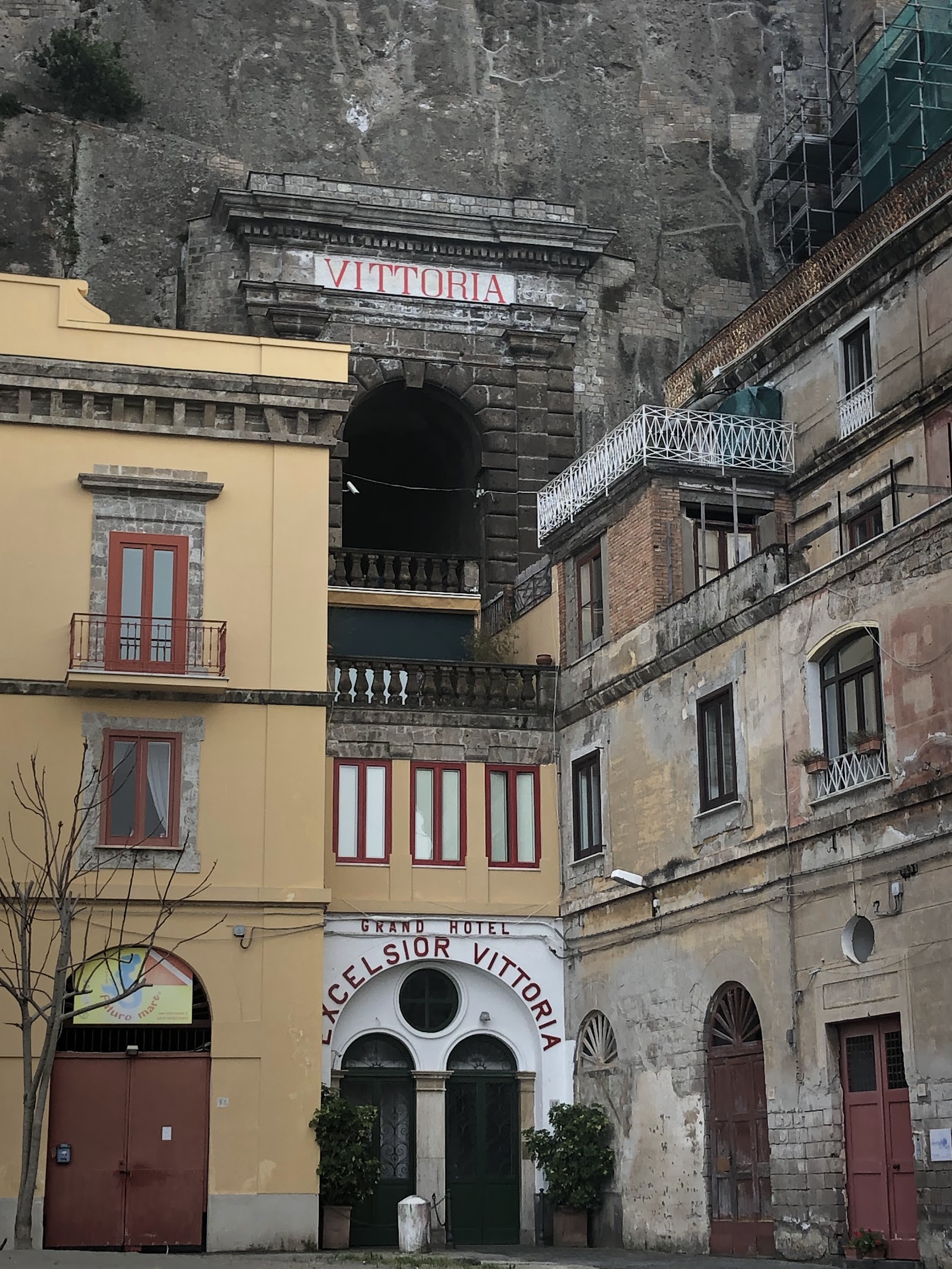
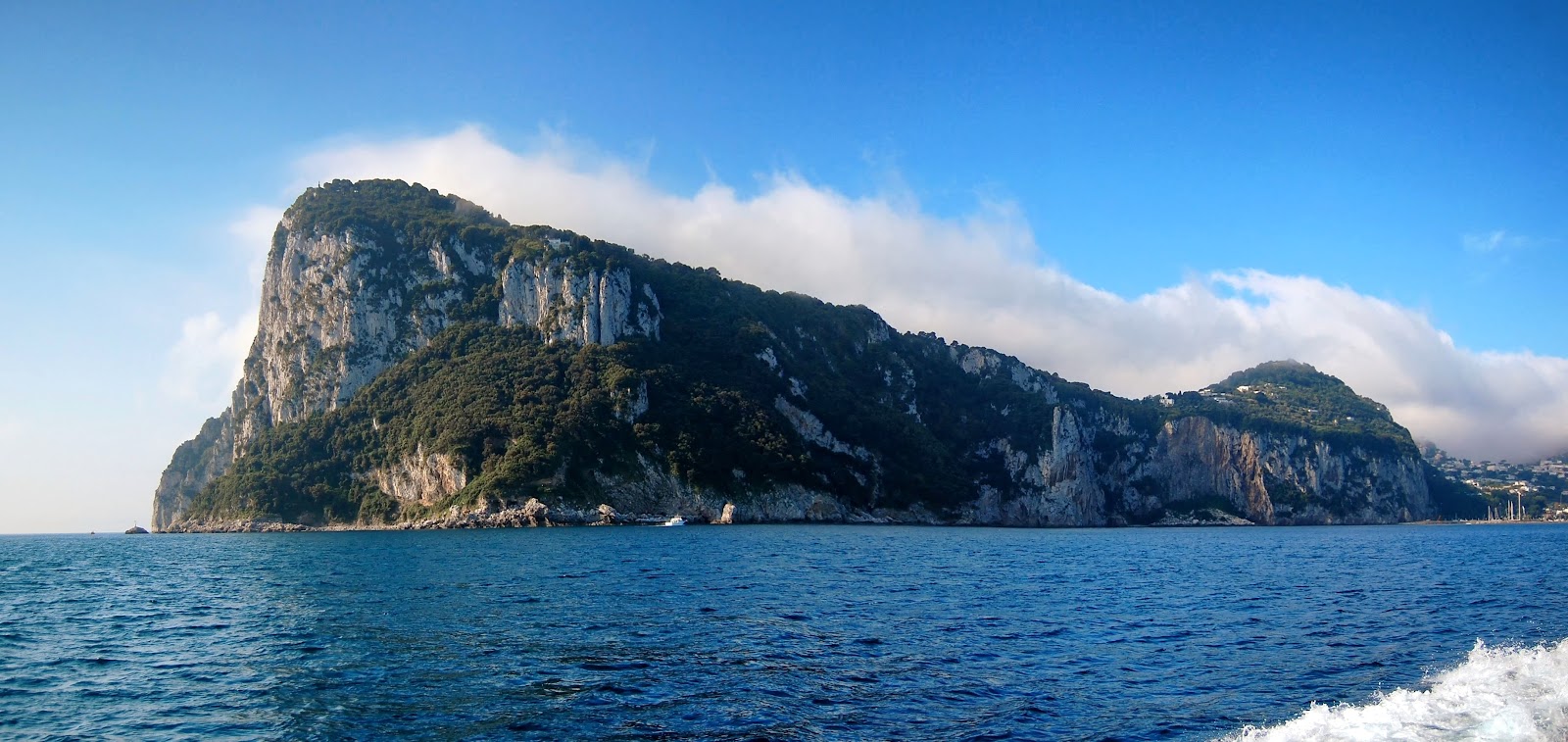
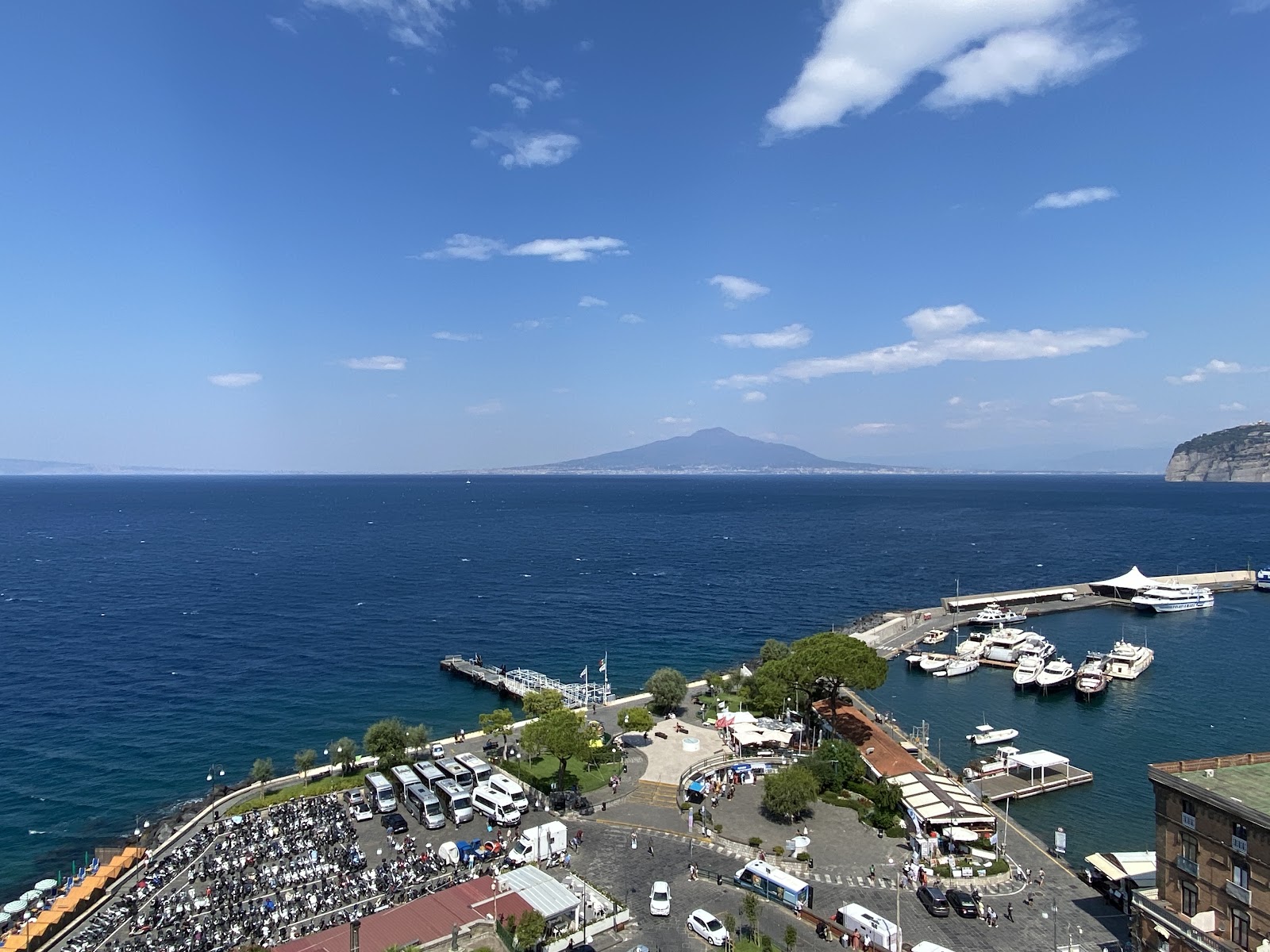
Sorrento sits on a tufa cliff above the Gulf of Naples, its streets ending abruptly at edges that drop straight to the sea. The town is small enough to cross on foot in twenty minutes, yet the view from the Villa Comunale gardens — Vesuvius filling the horizon, ferries threading toward Capri — has been stopping people mid-sentence for centuries.
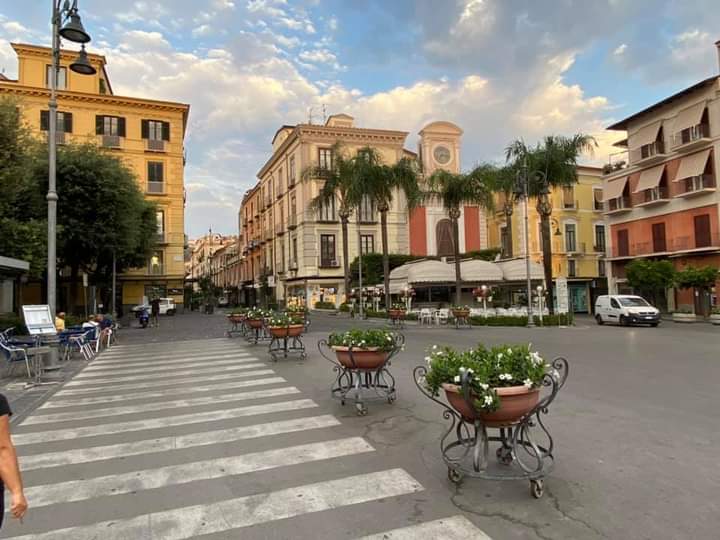
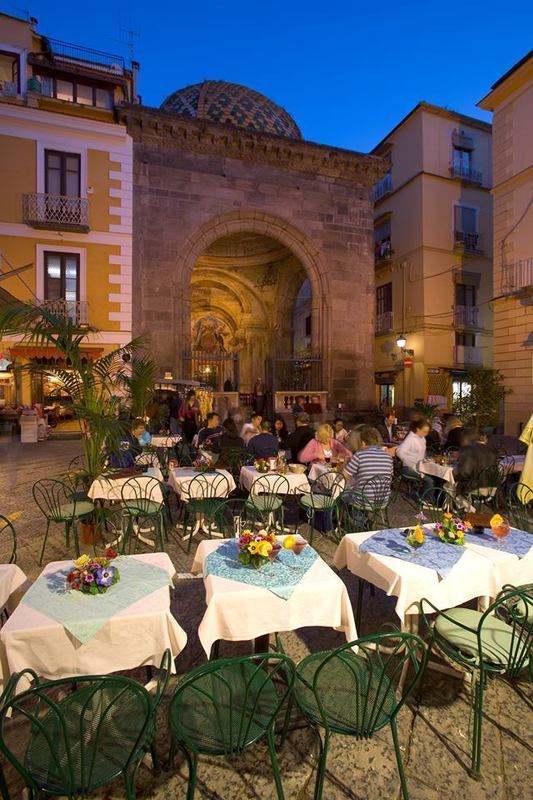
What keeps Sorrento distinct from the Amalfi Coast towns to the south is its flatness and its scale. There's a real civic centre here: a cathedral, a market, a piazza where the Sedil Dominova's majolica cupola catches the afternoon light in yellow and green. It functions as a town, not just a backdrop.
💛 What travellers fall for
People who come back tend to take the Circumvesuviana from Naples rather than driving — less than €4, seventy minutes, and you arrive without the white-knuckle parking. They also learn quickly that the cloister of San Francesco is coolest in the morning, before the day fully opens.
Deals in Sorrento
Book directly at the provider

How Sorrento came to be
The oldest ruins around Sorrento date to roughly 600 BC, and the town's pre-Roman identity was shaped by Greek influence — the Athenaion, a sanctuary originally tied to the cult of the Sirens, stood here before Rome arrived. The Greek Gate at the harbour entrance, attributed to builders from the 4th or 5th century BC, is still standing.
The centuries that followed layered the place with competing powers. Sorrento became an archbishopric around 420 AD, absorbed into the Norman kingdom of Sicily in 1137, and suffered one of its worst moments on 13 June 1558, when Ottoman forces under the admiral Dragut sacked the town and reportedly took 2,000 people captive. It joined the unified Kingdom of Italy in 1861.
Who and what shaped it
People who shaped it
Landmark buildings
See Sorrento in motion
Plan your visit
On the map
When to go
June through September brings reliably sunny days with temperatures between 25 and 30°C and almost no rain — peak season by any measure. Spring and autumn offer milder temperatures and noticeably thinner crowds, which suits the town's scale better.
Right now
↡ Attractions



Background & history adapted from Wikipedia (CC BY-SA) · specs from Wikidata (CC0) · weather from Open-Meteo · map data © OpenStreetMap contributors · photos from Wikimedia Commons / Unsplash with per-image credit. No third-party reviews or social posts reproduced.