
San Francisco Bay Area, USA
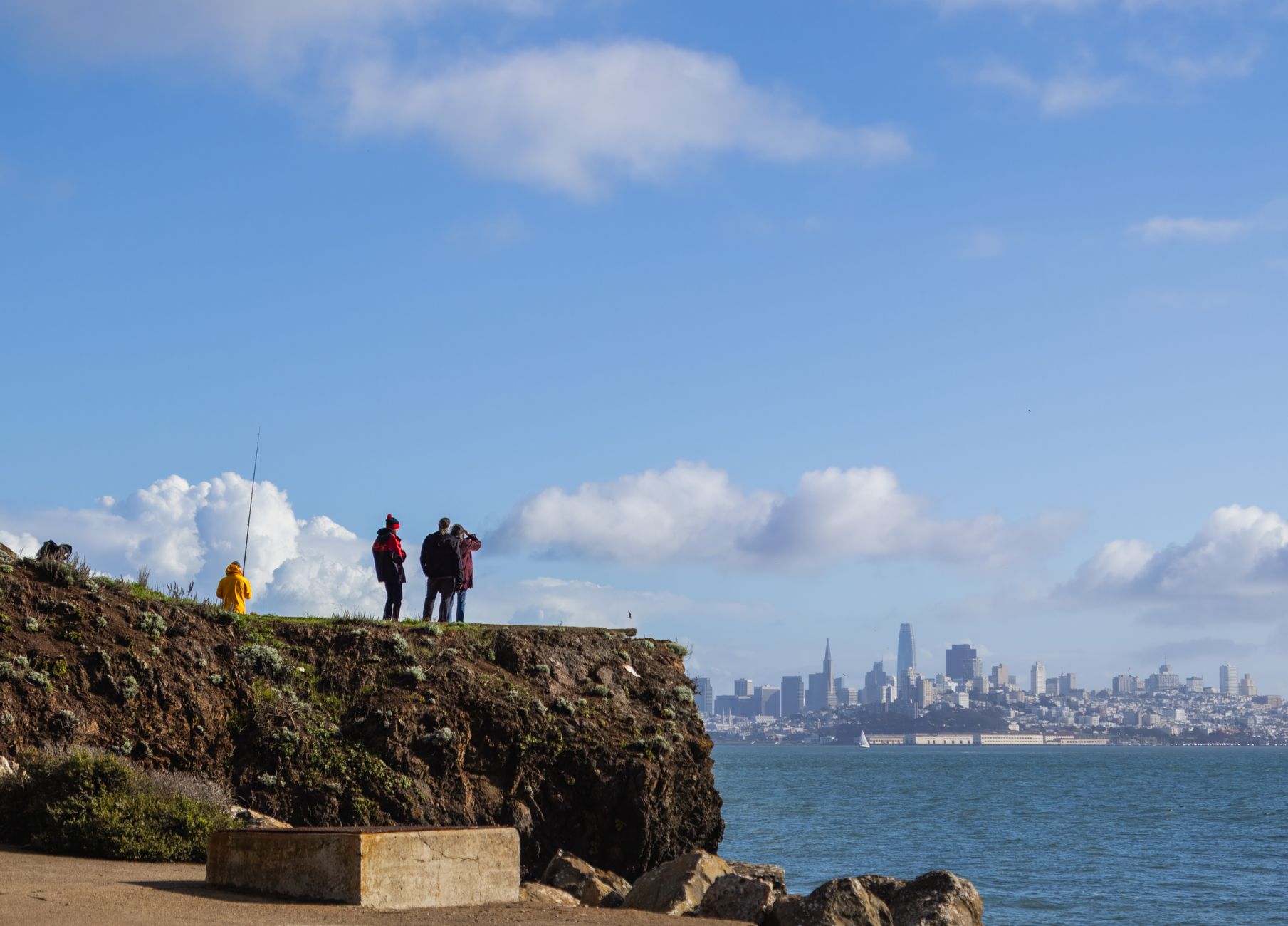

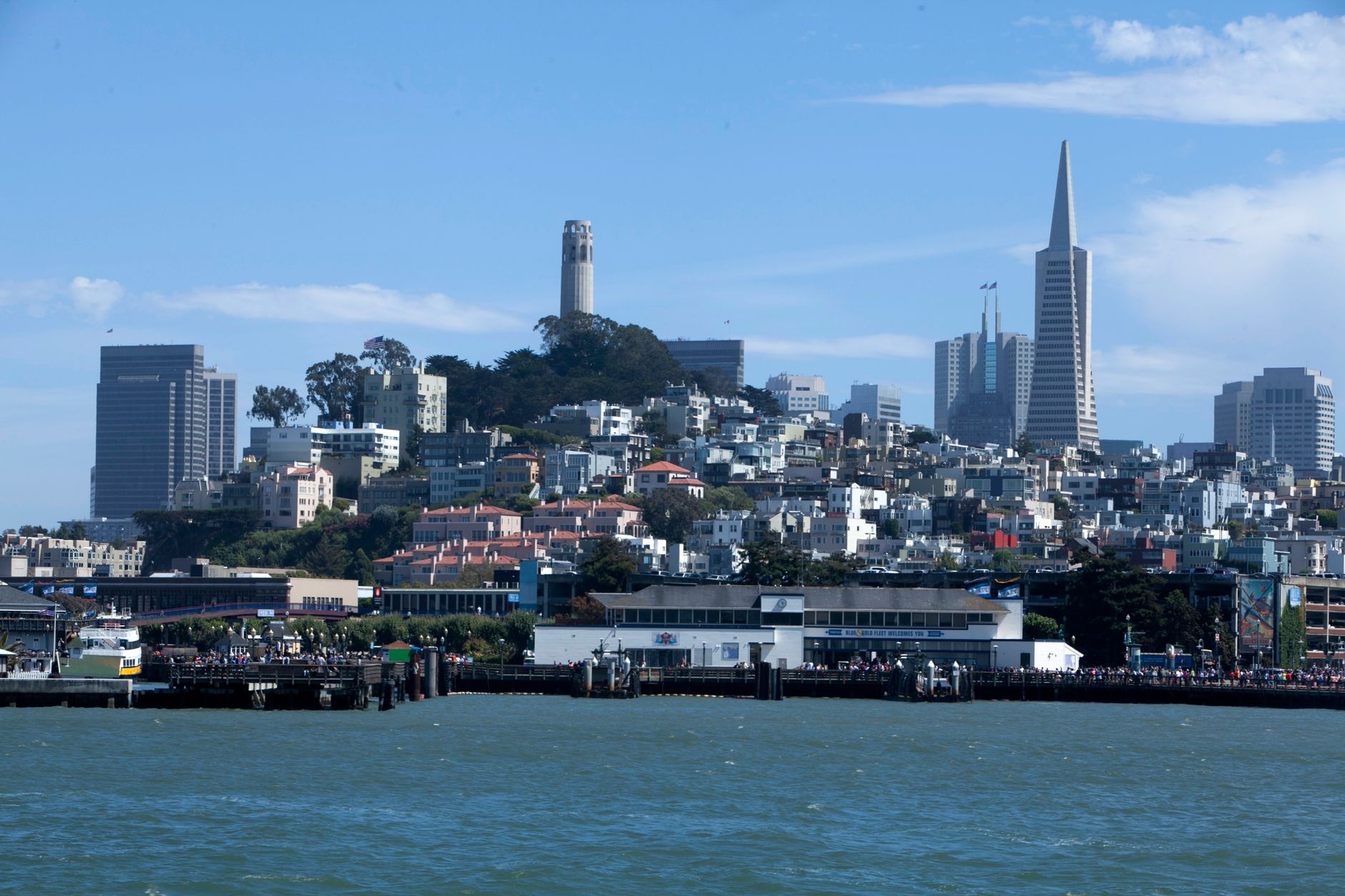
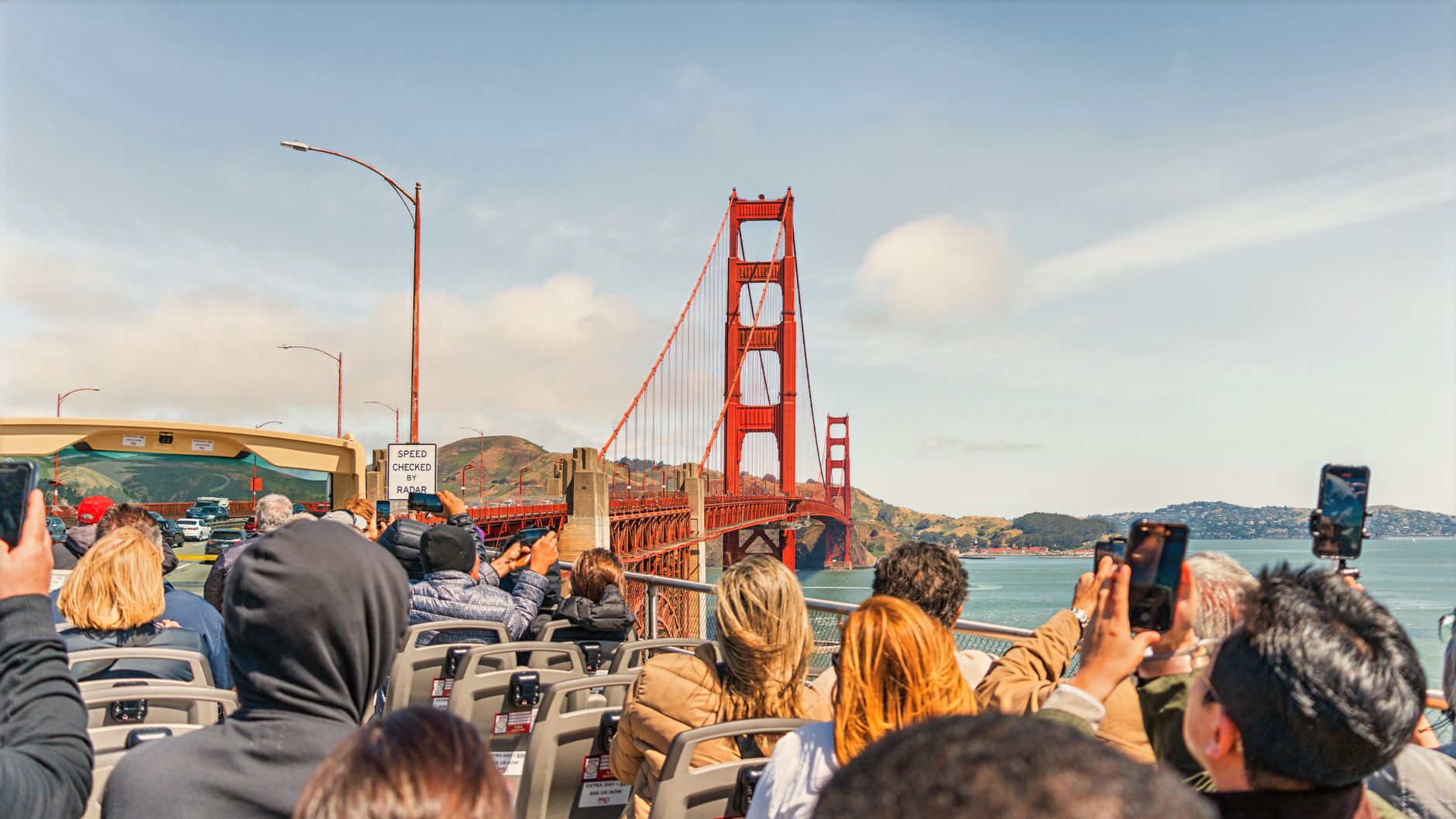

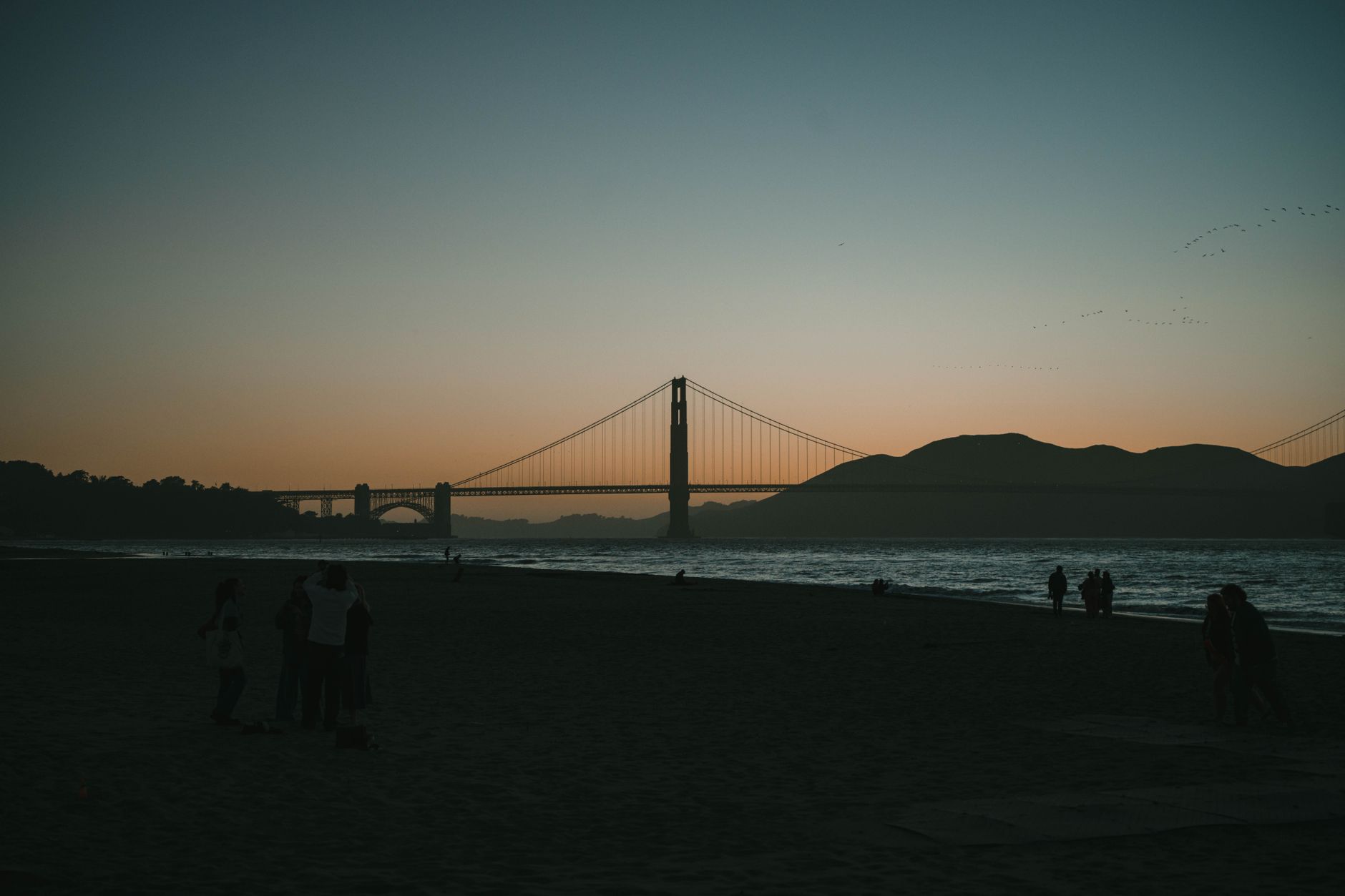
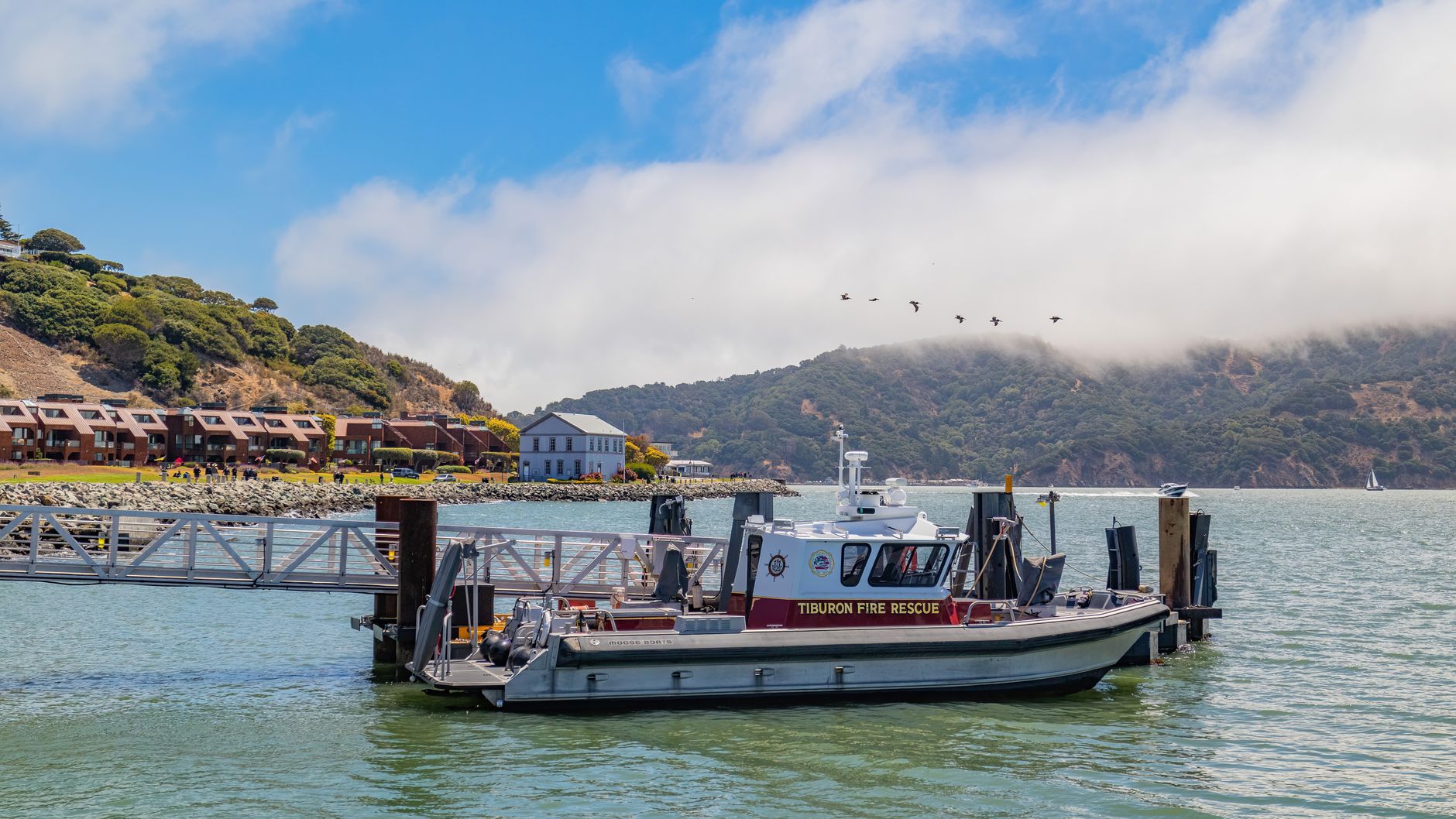
The Bay Area announces itself in layers: the cold Pacific pushing fog through the Golden Gate each morning, the BART train surfacing from underground into a sprawl of cities that each insist on their own identity. San Francisco is the famous one, but the region around it — Oakland, Berkeley, Marin, the peninsula towns — gives the whole place its texture. Water is everywhere here, shaping commutes, neighborhoods, and the quality of light in a way that no photograph quite prepares you for.
At its core, this is a region built on arrivals — Spanish soldiers in 1776, gold-seekers in 1848, tech workers in every decade since. That history of reinvention shows up in the architecture, the food, and the way people talk about where they live.
Popular cities in San Francisco Bay Area, USA
💛 What travellers fall for
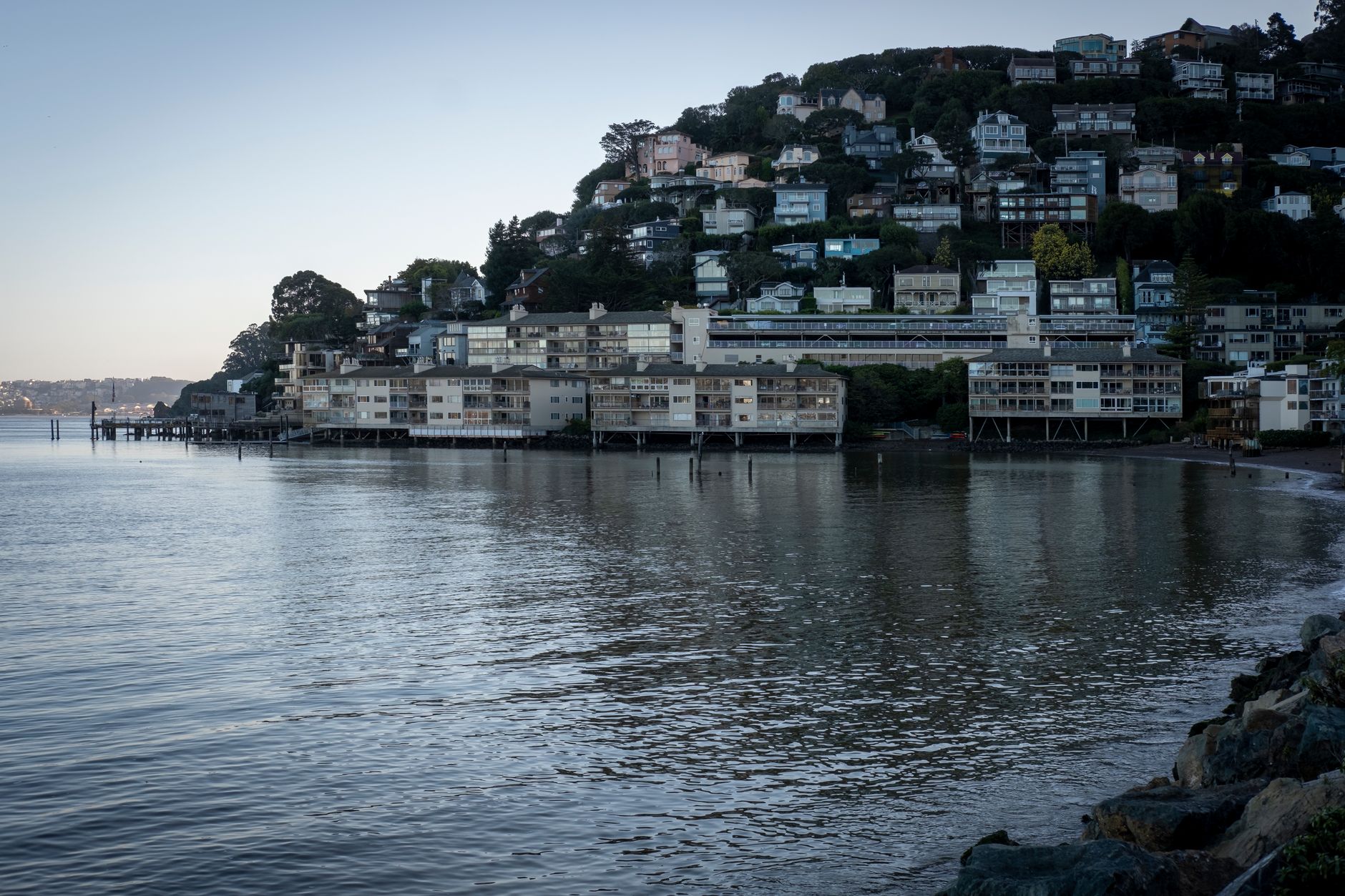
People who keep coming back tend to stop treating San Francisco as the main event and start using the Ferry Building as a basepoint — coffee, market stalls on Saturdays, then a boat to Sausalito or a BART train to Oakland. The region rewards that kind of lateral movement more than any single itinerary.
How San Francisco Bay Area, USA came to be
The first documented European to see the bay was Gaspar de Portolá, in November 1769 — and even then it was an accident, his expedition having overshot Monterey. Settlement came quickly after: Juan Bautista de Anza led more than 200 people north in 1776, and within months José Joaquín Moraga had built both the Presidio and Mission Dolores. The area passed from Spain to Mexico in 1821, and the small settlement of Yerba Buena was renamed San Francisco in 1847.
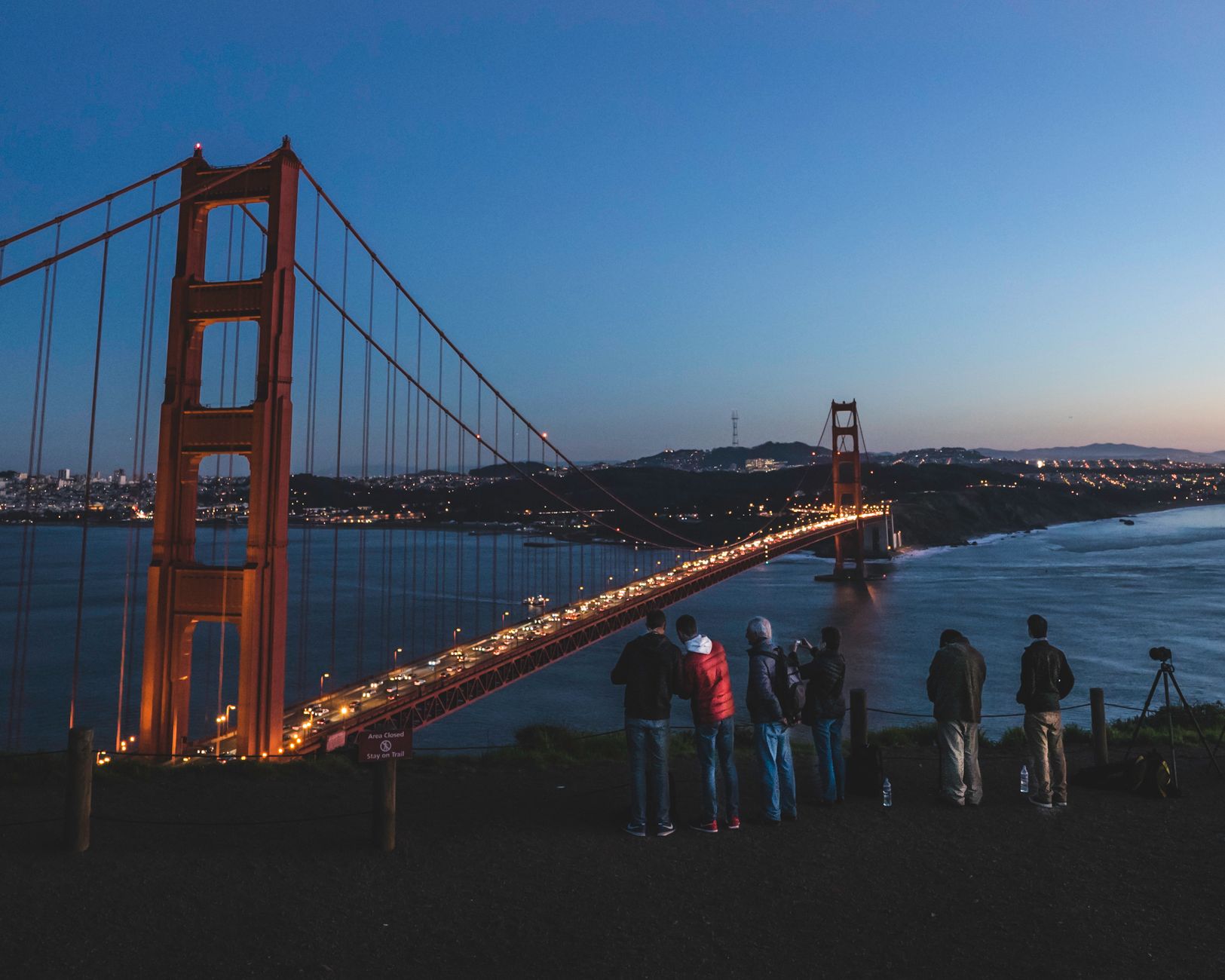
Then gold. By 1855, a town of 800 had become a city of 50,000. The bridges came later — the Bay Bridge and the Golden Gate both finished in the 1930s — anchoring the region's geography in the form it still holds. The 1989 Loma Prieta earthquake left visible scars in the Marina and South of Market districts, reminders that the ground here has always had something to say.
Who and what shaped it
People who shaped it
Landmark buildings
See San Francisco Bay Area, USA in motion
Plan your visit
On the map
When to go
Summer in the Bay Area is genuinely cool — the cold Pacific current drives fog through San Francisco most mornings from June through August, keeping temperatures lower than many visitors expect. September and October are drier and warmer across the region; winter brings rain and mild temperatures, Mediterranean in character if not in feel.
Right now
↡ Cities




Background & history adapted from Wikipedia (CC BY-SA) · specs from Wikidata (CC0) · weather from Open-Meteo · map data © OpenStreetMap contributors · photos from Wikimedia Commons / Unsplash with per-image credit. No third-party reviews or social posts reproduced.