
Marin City
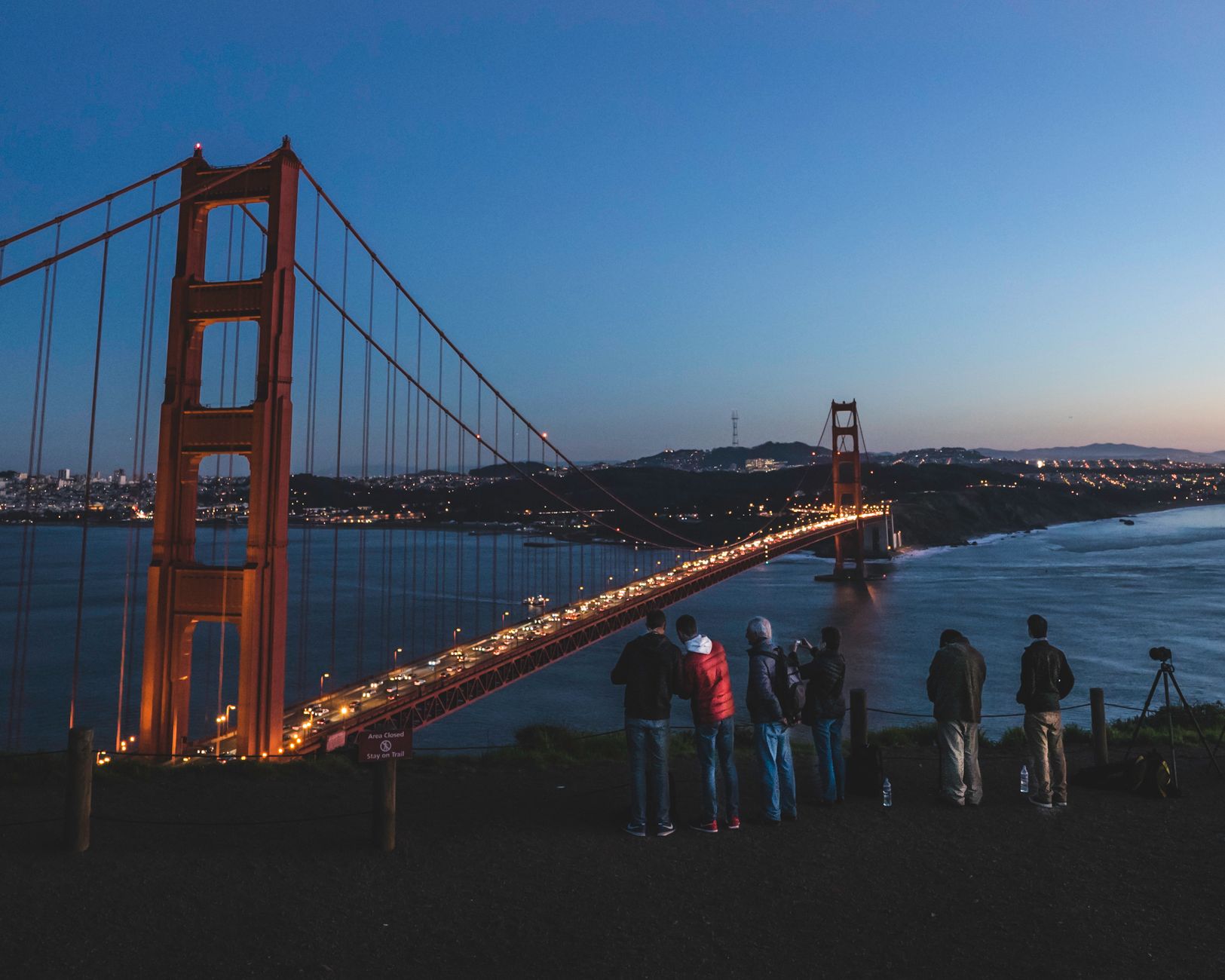
Five miles north of the Golden Gate Bridge, Marin City sits in a shallow valley where the hills of the headlands funnel fog and, in winter, floodwater. It is small — under 3,000 people — and its skyline is defined by the five-story concrete high-rises of Golden Gate Village, which step up the hillside above a strip of chain-store retail. Most drivers pass through on their way to Sausalito or the Marin Headlands without stopping.
That passing-through quality is part of Marin City's story. It was built in weeks in 1942 to house wartime shipyard workers, then largely abandoned by those workers once the war ended, leaving behind a community that had to build its own institutions — and fight for its own rights — from scratch.
💛 What travellers fall for
People who come back tend to pair it with the Marin Headlands: park at the transit hub, walk or catch a connector toward Fort Cronkhite or Rodeo Beach, and return through Golden Gate Village to look properly at how those mid-century blocks sit against the slope. The grocery store only arrived in 2023, so bring what you need.
Deals in Marin City
Book directly at the provider


How Marin City came to be
In 1942, the W.A. Bechtel Company broke ground on what would become Marin City to house workers at the nearby Marinship Corporation, which was building Liberty ships and tankers for the war effort. Within months, 6,000 people were living here; at its peak the wider workforce reached 20,000. When the war ended, most workers left, and by 1962 the population had dropped to around 1,300 — nearly all African American, after white and Chinese residents departed.
The community's legal history carries weight beyond its size. In 1944, a young attorney named Thurgood Marshall argued James v. Marinship before California's Supreme Court, establishing that unions could not exclude workers on the basis of race — a ruling that prefigured broader civil-rights law. That same decade, residents formed their own council and, later, the Marin City Community Services District. The wartime housing was eventually demolished and replaced by Golden Gate Village, designed in 1958 and built through 1962: the county's oldest and largest public housing complex, and still home to some 700 people.
Who and what shaped it
People who shaped it
Landmark buildings
See Marin City in motion
Plan your visit
On the map
When to go
Summers are dry and mild, with September highs around 76°F — warm enough but rarely hot, and the headlands breeze keeps things honest. Winters bring most of the year's 37 inches of rain; December through February can mean flooding, and the valley holds cold air longer than the surrounding hills.
Right now
Background & history adapted from Wikipedia (CC BY-SA) · specs from Wikidata (CC0) · weather from Open-Meteo · map data © OpenStreetMap contributors · photos from Wikimedia Commons / Unsplash with per-image credit. No third-party reviews or social posts reproduced.