
Livermore



At the eastern edge of the Bay Area, where the Coast Range opens into its own inland valley, Livermore runs on two unlikely parallel tracks: wine and nuclear physics. The vineyards here — Wente and Concannon among them — date to the 1880s, making this one of California's oldest wine regions. The national laboratory that shares the city's name has, since 1952, been doing some of the most classified science in the country.
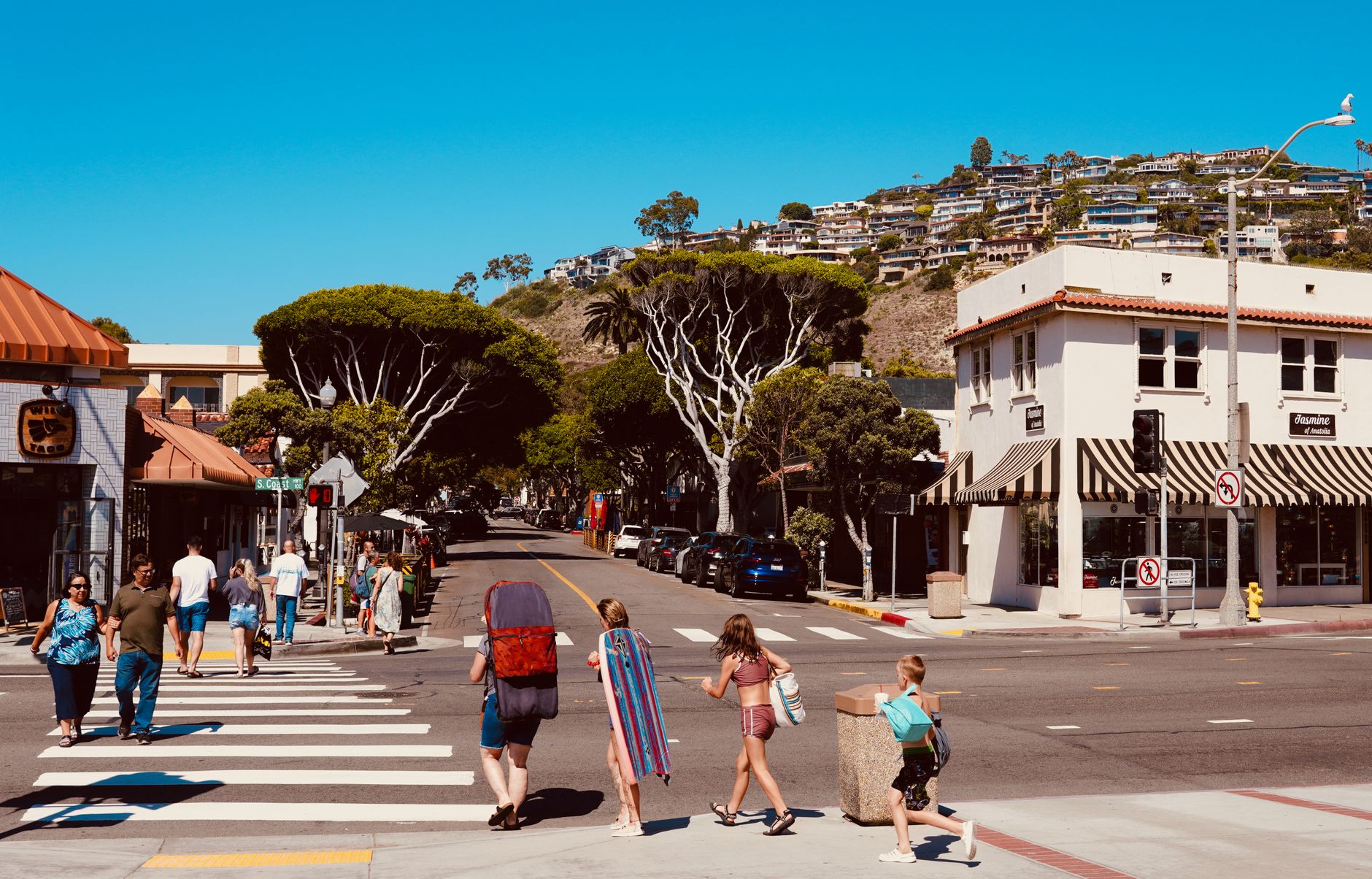
First Street gives you the everyday version of the city: a walkable downtown strip lined with low buildings, planted medians, and the Bankhead Theater, which opened in 2007 and anchors a genuine local arts scene. It's a place that rewards a slower look.
💛 What travellers fall for
People who come back tend to anchor their trip around the wineries in the morning before the valley heat sets in, then drift downtown for lunch on First Street. The Centennial Light Bulb at Fire Station No. 6 on East Avenue is worth a detour — a bulb burning since 1901 that somehow makes the whole town feel less temporary.
Deals in Livermore
Book directly at the provider
How Livermore came to be
The city takes its name from Robert Livermore, a British merchant sailor who came ashore at Monterey and eventually built a ranching life in California before his death in 1858. William Mendenhall, who owned land in the valley, set aside 100 acres for a townsite in 1869, naming it after his friend. The railroad arrived the same year, and the town incorporated in 1876, its early economy built on wheat, cattle, and the wine grapes that local producers were already planting.
The Second World War brought a different kind of change. In 1942 the federal government converted 692 acres of ranch land into a naval air station for pilot training. After the war, the University of California's Radiation Laboratory took it over, and by 1952 it had become Lawrence Livermore National Laboratory — a nuclear weapons research center that, along with the Sandia National Laboratories California site established in 1956, quietly reshaped what this valley meant to the country.
Who and what shaped it
People who shaped it
Landmark buildings
See Livermore in motion
Plan your visit
On the map
When to go
Spring (mid-March to June) and fall (mid-September to November) are the comfortable windows — warm days, cool evenings, and the valley at its greenest or most golden. Summer afternoons can be genuinely harsh, sometimes crossing 100°F, so the wine-tasting circuit works best before noon. Winters are cool, wet, and mild enough to visit if you don't mind the rain.
Background & history adapted from Wikipedia (CC BY-SA) · specs from Wikidata (CC0) · weather from Open-Meteo · map data © OpenStreetMap contributors · photos from Wikimedia Commons / Unsplash with per-image credit. No third-party reviews or social posts reproduced.