
San Mateo
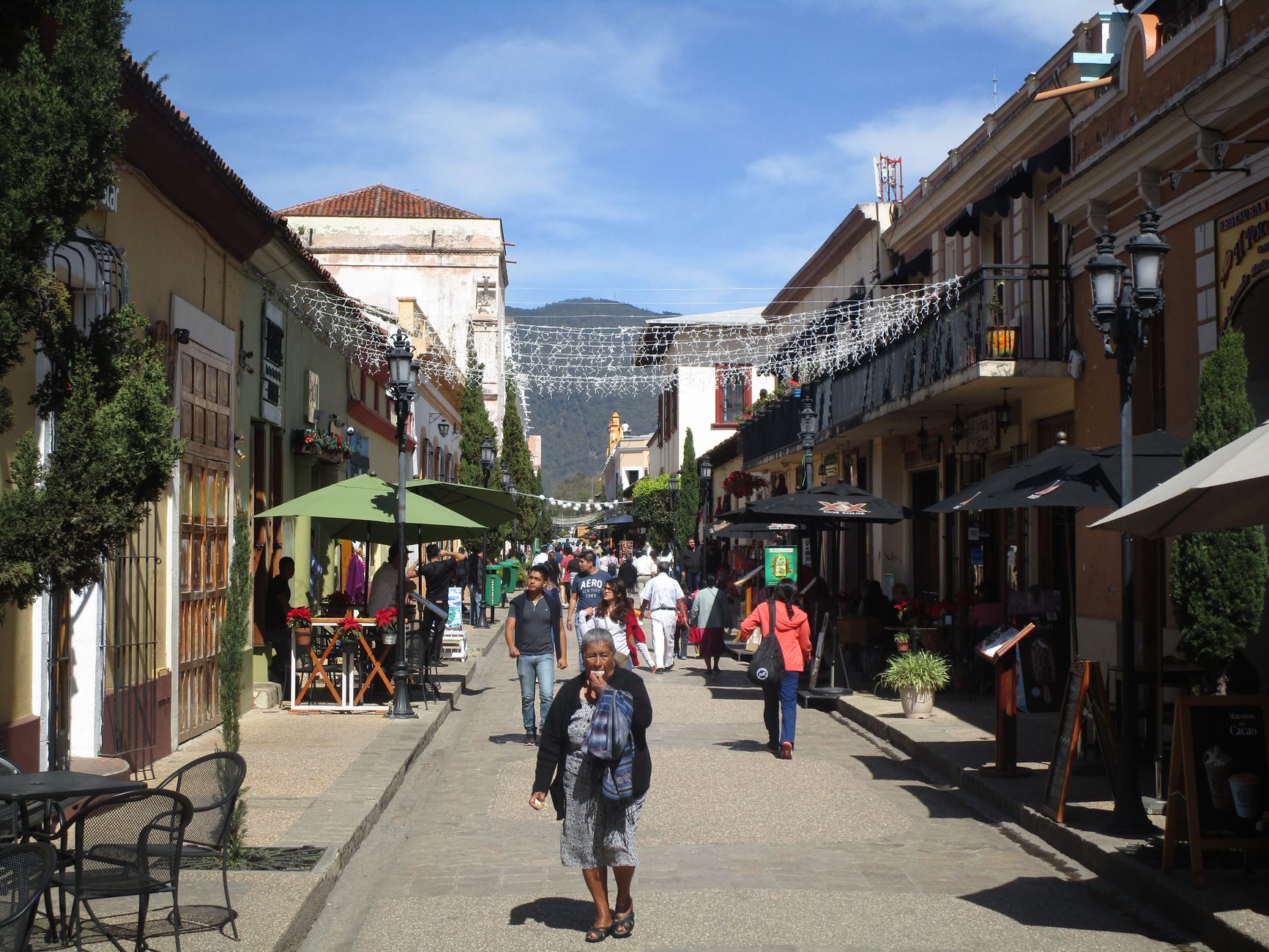
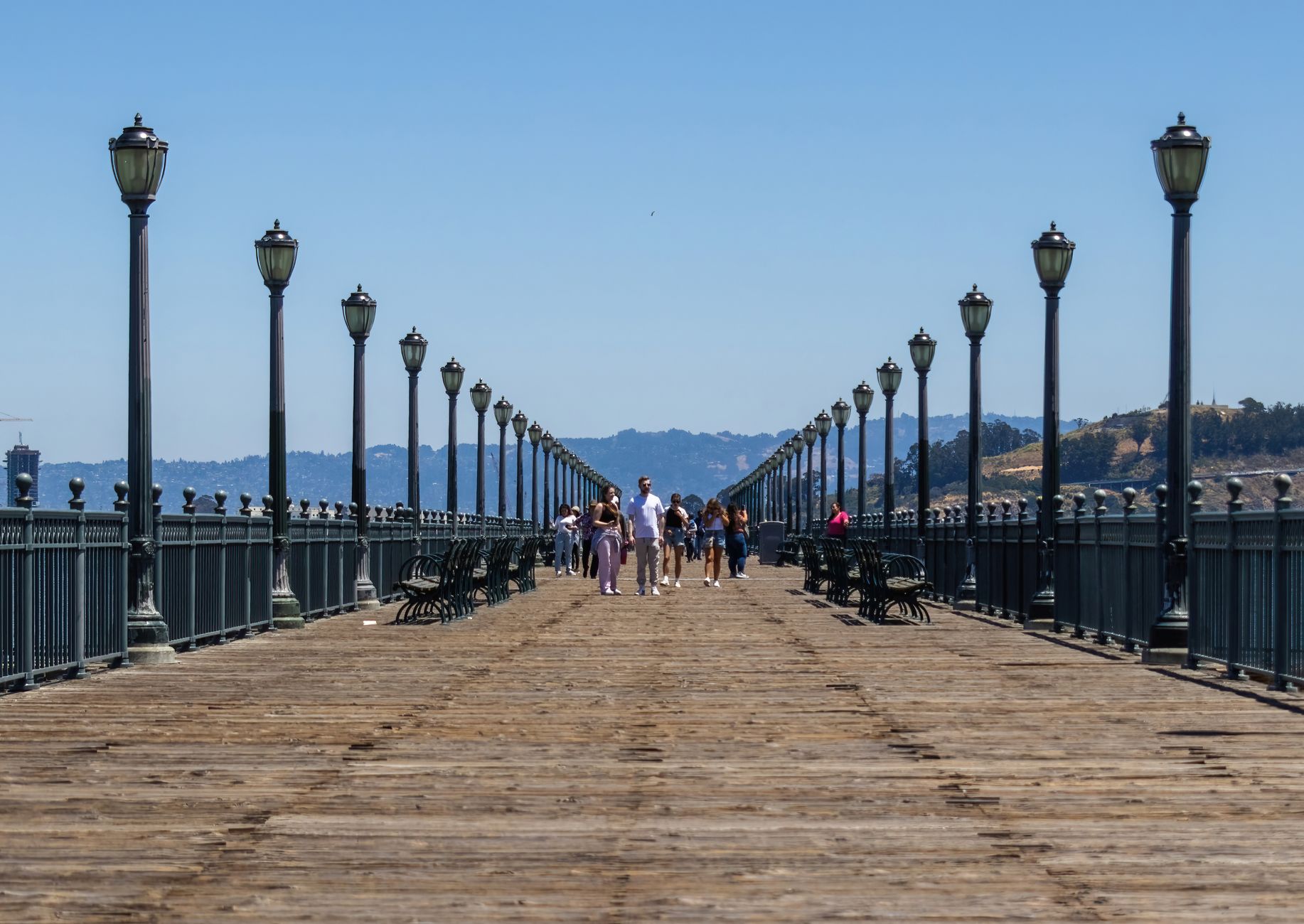
San Mateo sits on the flat peninsula between San Francisco and San Jose, sheltered from the Pacific by a low ridge of hills that keeps the fog at bay and the temperature honest. The train has been running through here since October 1863 — that first service made the trip from San Francisco in 37 minutes — and downtown still organizes itself around the station on 1st Avenue, with Main Street fanning out from the tracks the way railroad towns do.
The city is quieter than its neighbors on either end of the Caltrain line, which is partly the point. Central Park holds a traditional Japanese tea garden and a 13-foot copper-plated giraffe installed in 1978. The natural history museum at Coyote Point sits at the edge of the bay. There is enough here for a full day, and it rewards looking closely.
💛 What travellers fall for
People who come back tend to mention the train as the thing that makes it easy — Caltrain drops you a short walk from almost everything in the downtown core. The St. Matthew Catholic Church on Baldwin Avenue, with its tall campanile and rose window, is worth stopping at even if you don't go in. CuriOdyssey at Coyote Point is better than it sounds, especially with children.
Deals in San Mateo
Book directly at the provider


How San Mateo came to be
The Ohlone people lived along San Mateo Creek for at least 4,000 years before Spanish explorers — among them Lieutenant Colonel Juan Bautista de Anza and Padre Pedro Font — camped here in 1776 on a scouting expedition. A mission hospice followed in 1793, and by 1849 the abandoned outpost had become a stagecoach stop run by Nicolas de Peyster, the first commercial enterprise in the area.
The railroad changed everything. Charles B. Polhemus began laying track in May 1861; the first service ran through San Mateo in October 1863. Downtown grew up around the station, and the city incorporated on September 3, 1894, by a vote of 150 to 25. The 1906 San Francisco earthquake sent a wave of new residents south, and the following decades brought brief, unlikely experiments: a Coney Island-style amusement park at Coyote Point that drew a reported one million visitors in 1922, and a short-lived movie studio on Peninsula Avenue.
Who and what shaped it
People who shaped it
Landmark buildings
See San Mateo in motion
Plan your visit
On the map
When to go
San Mateo's Mediterranean climate means dry, mild summers — June through September sees virtually no rain and afternoon highs around 21°C (70°F) — and cool, wet winters where December and January are the dampest months. The hills to the west block most of the ocean fog that rolls into San Francisco, so the air here tends to be clearer and a few degrees warmer.
Right now
Background & history adapted from Wikipedia (CC BY-SA) · specs from Wikidata (CC0) · weather from Open-Meteo · map data © OpenStreetMap contributors · photos from Wikimedia Commons / Unsplash with per-image credit. No third-party reviews or social posts reproduced.