
Napa
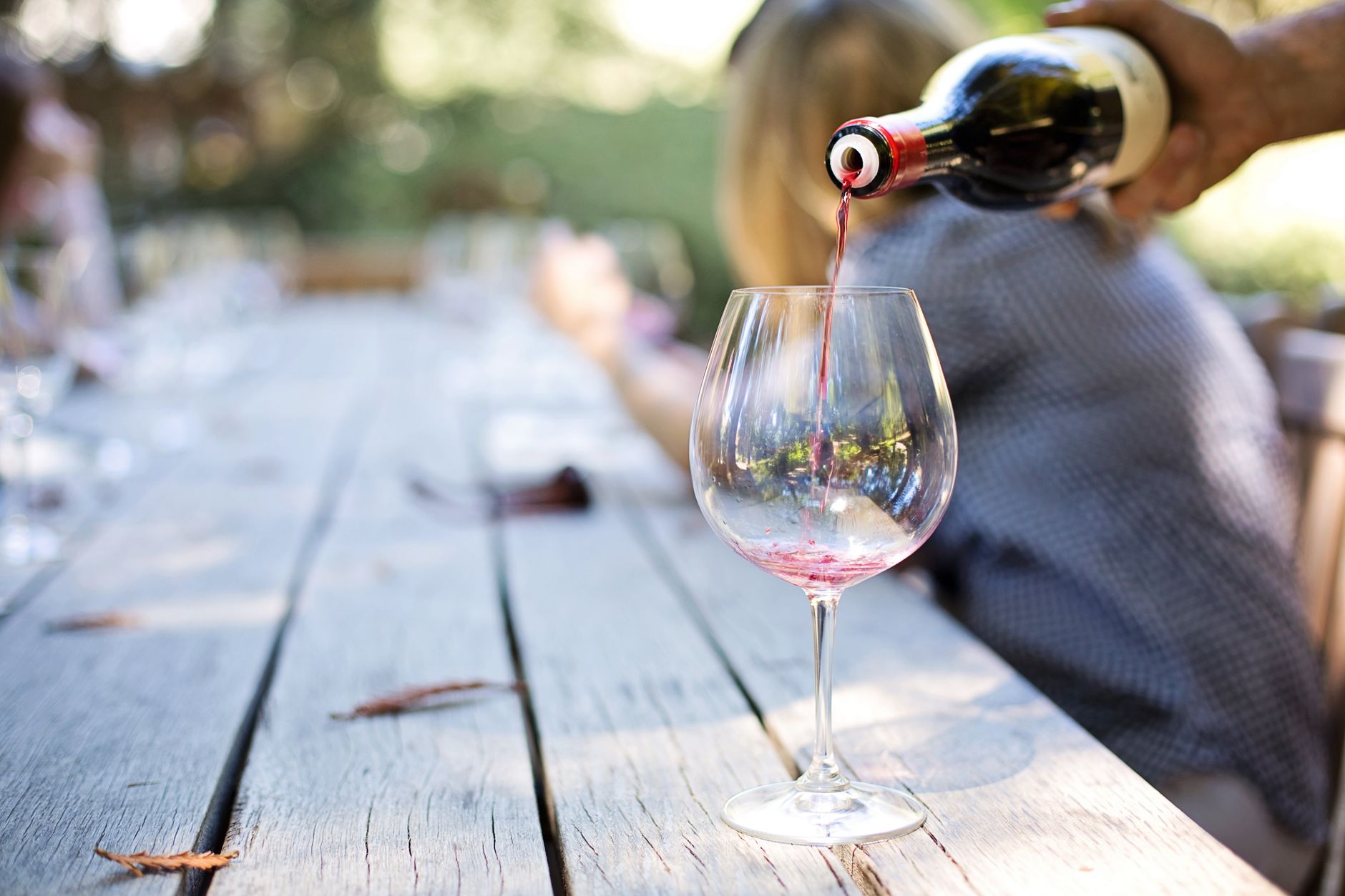



Napa sits on its river about 50 miles north of San Francisco, and the first thing to understand is that the city and the valley are not the same place. The valley is vines and tasting rooms stretching toward Calistoga; the city is a working downtown where more than fifty wine bars share blocks with the Goodman Library — the oldest library building in California still functioning as one — and a restored 1879 opera house on Main Street.
The Oxbow District and the Napa Mill anchor the riverfront, and the Vine Trail, when its 47 miles are fully complete, will stitch the whole valley together on foot or by bike. For now, 33 miles are rideable.
💛 What travellers fall for
People who keep coming back tend to skip the valley floor wineries on repeat visits and spend the time instead at downtown tasting rooms, where the pours are just as serious and the logistics far simpler. The Napa River walk after rain, when the water is high and the flood-protection landscaping earns its reputation, is a different city entirely.
Deals in Napa
Book directly at the provider

How Napa came to be
Nathan Coombs platted Napa City in 1847, and the first building was a saloon near the river — a detail that feels less like a coincidence and more like a thesis statement. The town incorporated in 1872, by which point steamboats had been running freight and passengers up from San Francisco for two decades, and the railroad had arrived in 1868 to take over that trade.
John Patchett opened the county's first commercial winery in 1859, but the real pivot came in 1968, when the Napa County Agricultural Preserve steered land away from orchards and toward vines. The Napa Valley was designated California's first American Viticultural Area on October 28, 1981 — a designation that formalized what the landscape had already decided.
Who and what shaped it
People who shaped it
Landmark buildings
See Napa in motion
Plan your visit
On the map
When to go
Summers run long, dry, and warm, with highs around 82°F and almost no rain from May through September — good conditions for spending time outdoors. Winters are short and genuinely wet, with December bringing the bulk of the year's rainfall across frequent rainy days, though temperatures rarely drop below freezing.
Right now
Background & history adapted from Wikipedia (CC BY-SA) · specs from Wikidata (CC0) · weather from Open-Meteo · map data © OpenStreetMap contributors · photos from Wikimedia Commons / Unsplash with per-image credit. No third-party reviews or social posts reproduced.