
Sausalito
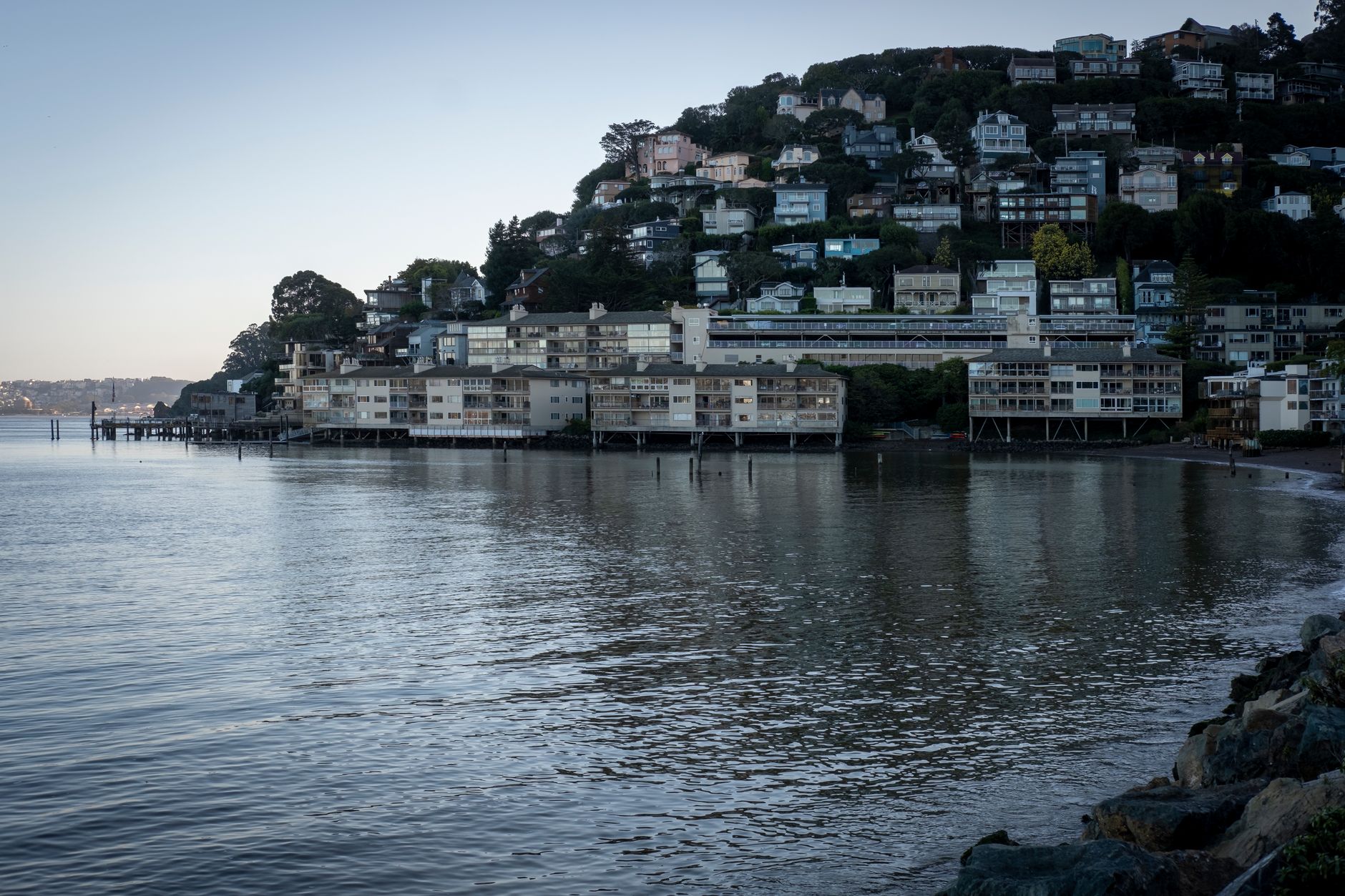
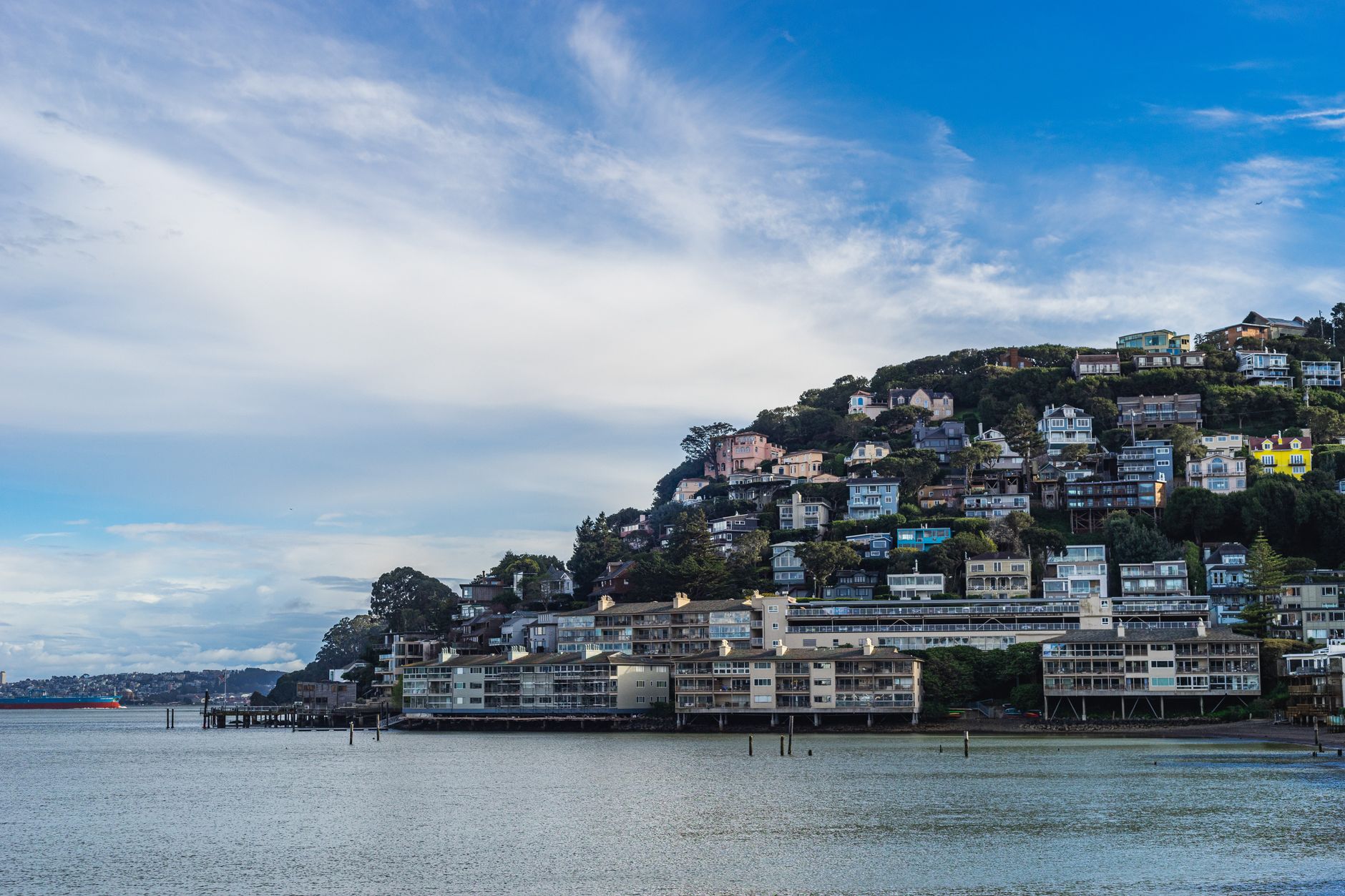
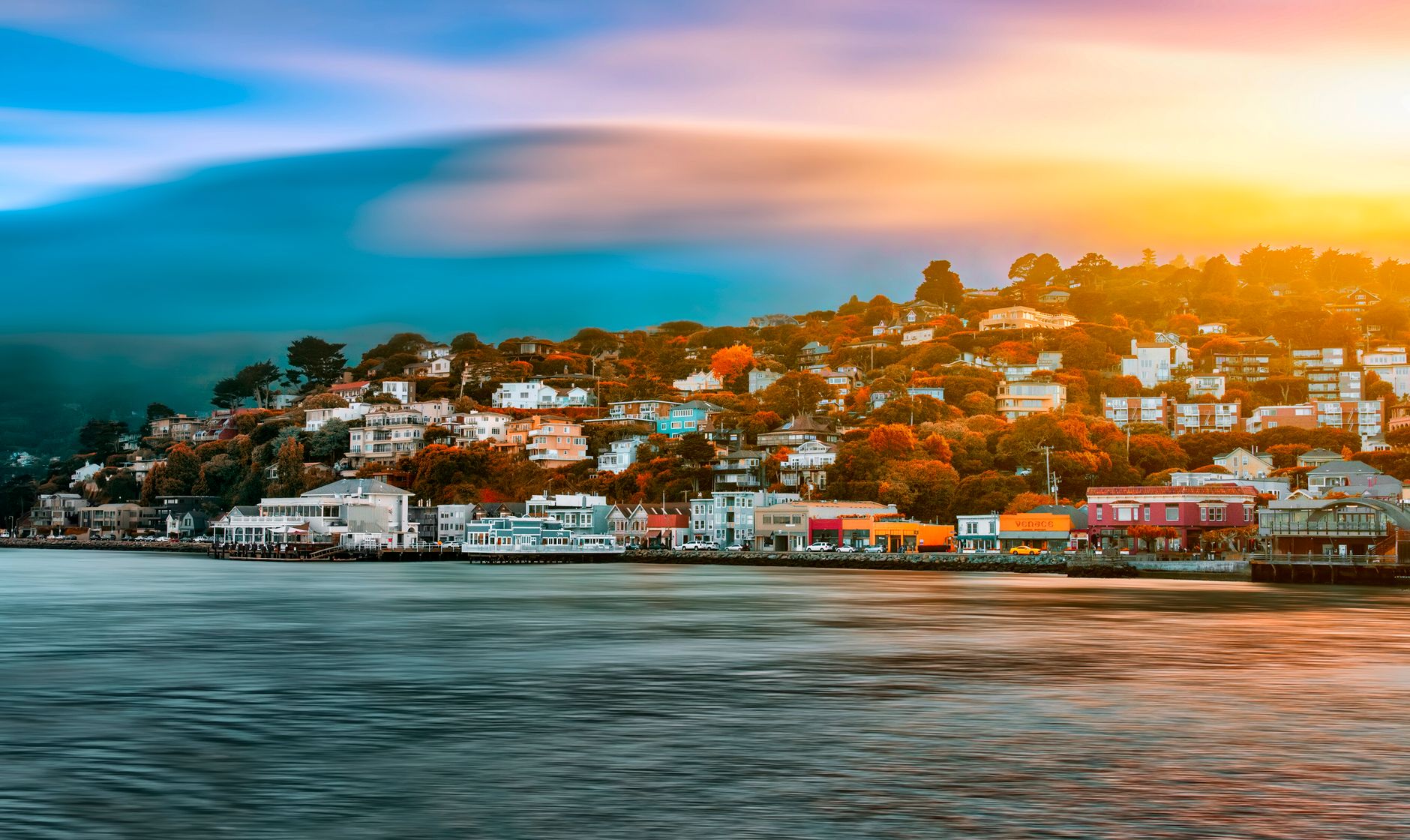
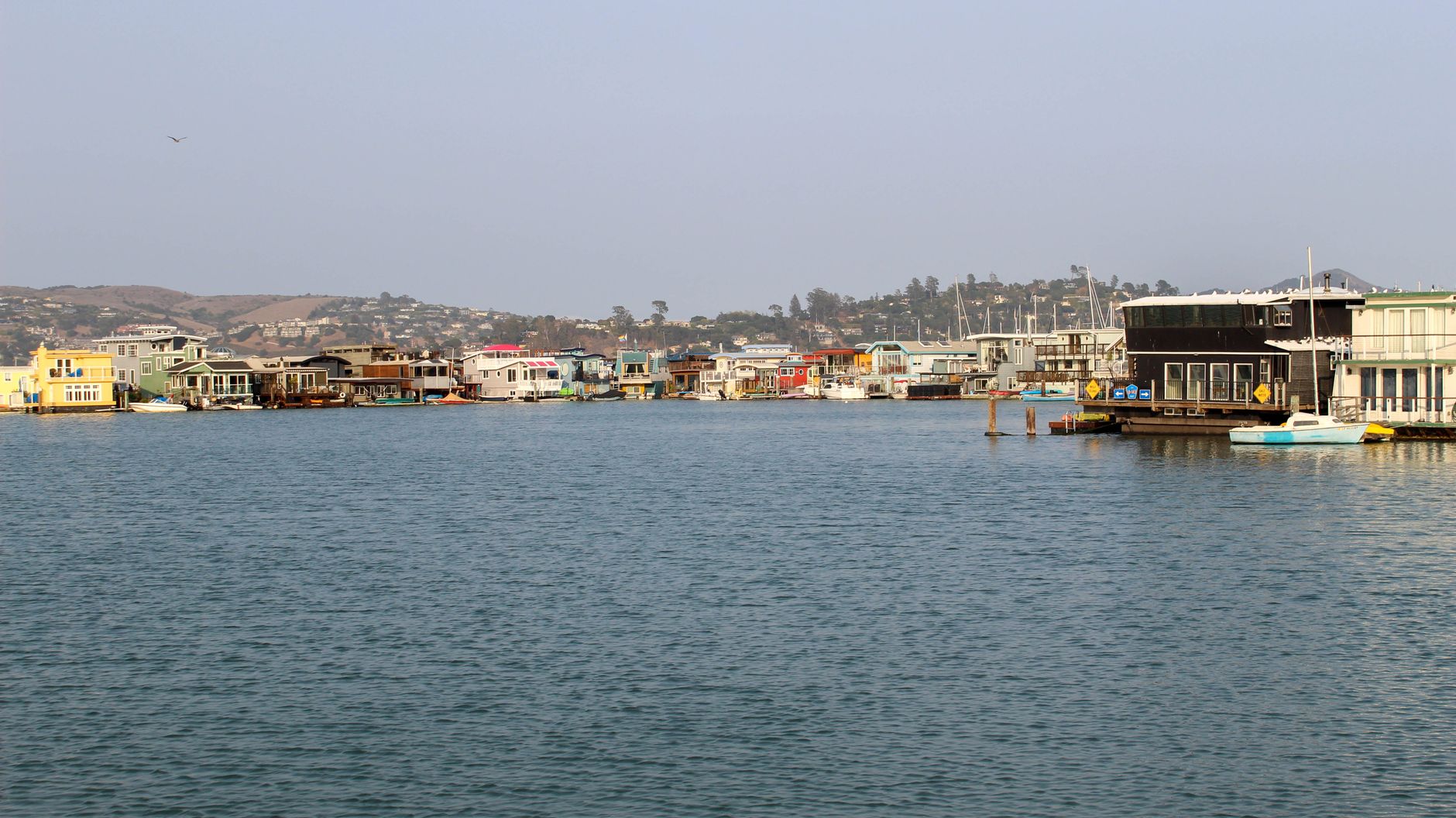
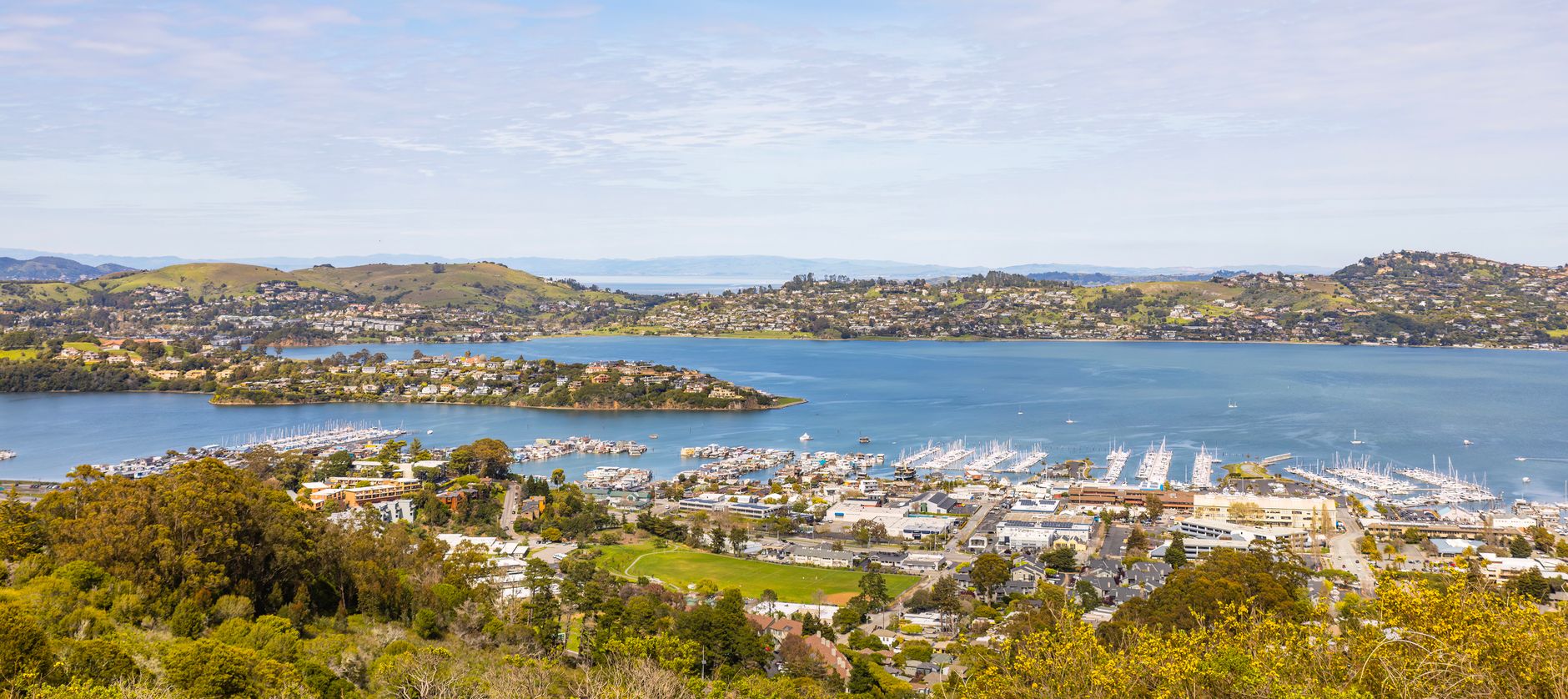
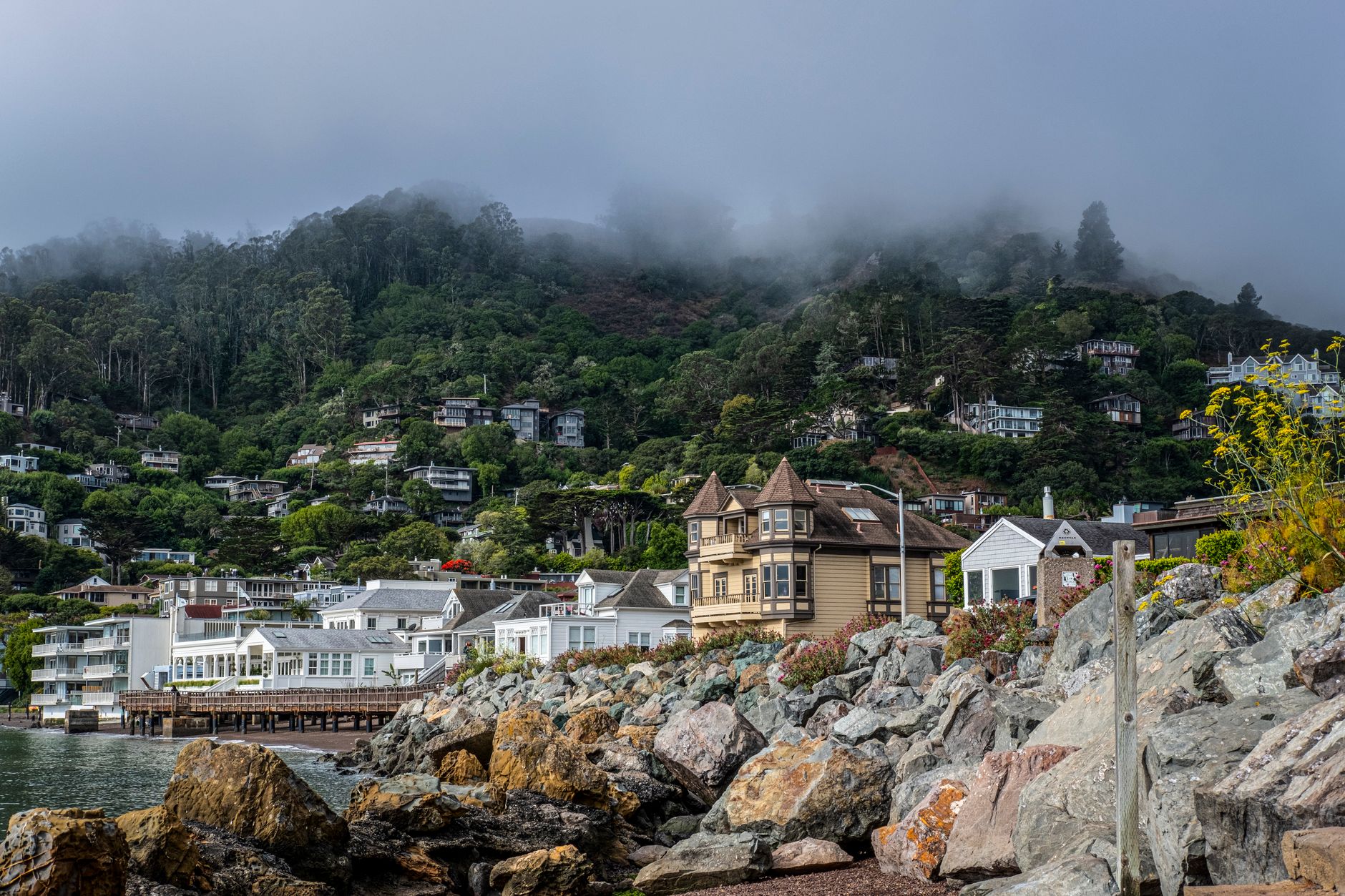
The ferry from San Francisco takes about thirty minutes, and by the time you step off the dock in Sausalito, the city feels genuinely far away. The hills above town are stacked with bungalows and the waterfront is lined with over four hundred floating homes — some tidy, some eccentric, one of them a miniature Taj Mahal that survived a 2023 storm by being rescued after it sank. This is a town of roughly 7,000 people that has, at various points, sheltered a shipyard running round-the-clock, Maya Angelou on a houseboat, and the recording sessions for Fleetwood Mac's *Rumours*.
The waterfront draws the crowds, but the quieter pull is how layered the place turns out to be — Miwok land, Mexican land grant, wartime industry, bohemian aftermath, all compressed into a few hillside miles.
💛 What travellers fall for
People who come back tend to walk north from the ferry landing to the Bay Model — the Army Corps of Engineers' working 1.5-acre tidal replica of the bay — and find it genuinely absorbing rather than merely educational. They stop at Heath Ceramics, which has been making its spare, mid-century tableware here since 1948. They skip the souvenir strip closest to the dock.
Deals in Sausalito
Book directly at the provider

How Sausalito came to be
The name comes from the Spanish saucito — little willow — for the trees that grew along the streambanks when Don José de Cañizares arrived by boat in August 1775. The town proper traces to 1838, when an English seaman named William Richardson received a Mexican land grant, Rancho Sausalito, married the Presidio commandante's daughter, and built a hacienda just north of what's now downtown. He lost most of it to debt by the 1850s. In 1868, the Sausalito Land and Ferry Company bought the bulk of the rancho, laid out streets, and ran a steamer called the Princess to bring buyers from San Francisco.
A railway arrived in 1875, and for decades Sausalito was a transit hub. The Golden Gate Bridge ended that in 1937, and the last passenger train came through in 1941. What followed was the Marinship shipyard, built fast on the northern waterfront during World War II, which ran twenty-four hours a day and produced 93 Liberty Ships before closing in September 1945. The bohemian influx that came afterward — artists, writers, actors, musicians — found cheap waterfront space and stayed.
Who and what shaped it
People who shaped it
Landmark buildings
See Sausalito in motion
Plan your visit
On the map
When to go
Summer in Sausalito means marine fog most mornings, burning off by midday or not at all — bring a layer regardless of the date. September and October are reliably warmer and clearer, and are generally the most comfortable months to be outside on the water.
Right now
Background & history adapted from Wikipedia (CC BY-SA) · specs from Wikidata (CC0) · weather from Open-Meteo · map data © OpenStreetMap contributors · photos from Wikimedia Commons / Unsplash with per-image credit. No third-party reviews or social posts reproduced.