
Salerno
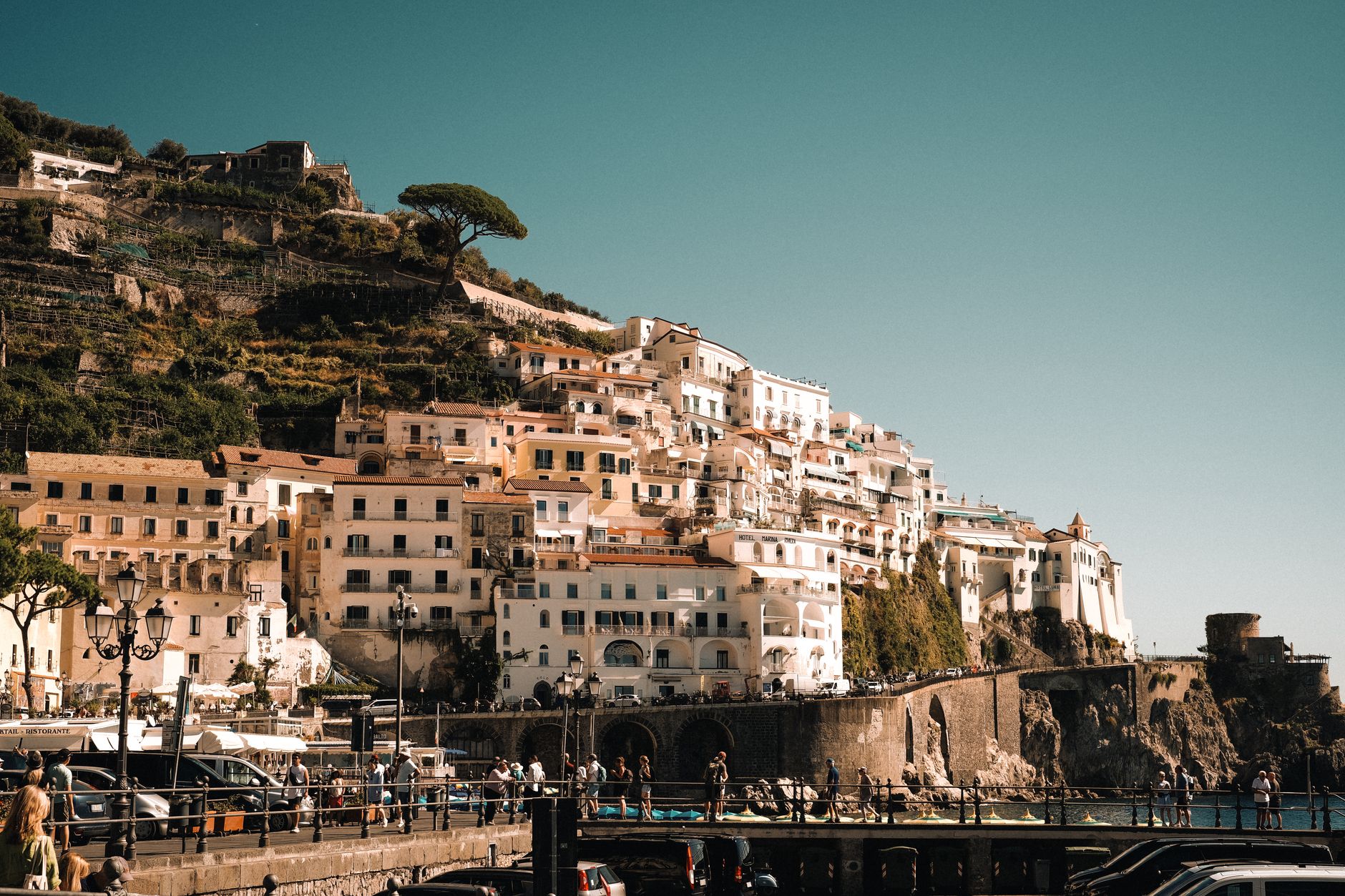
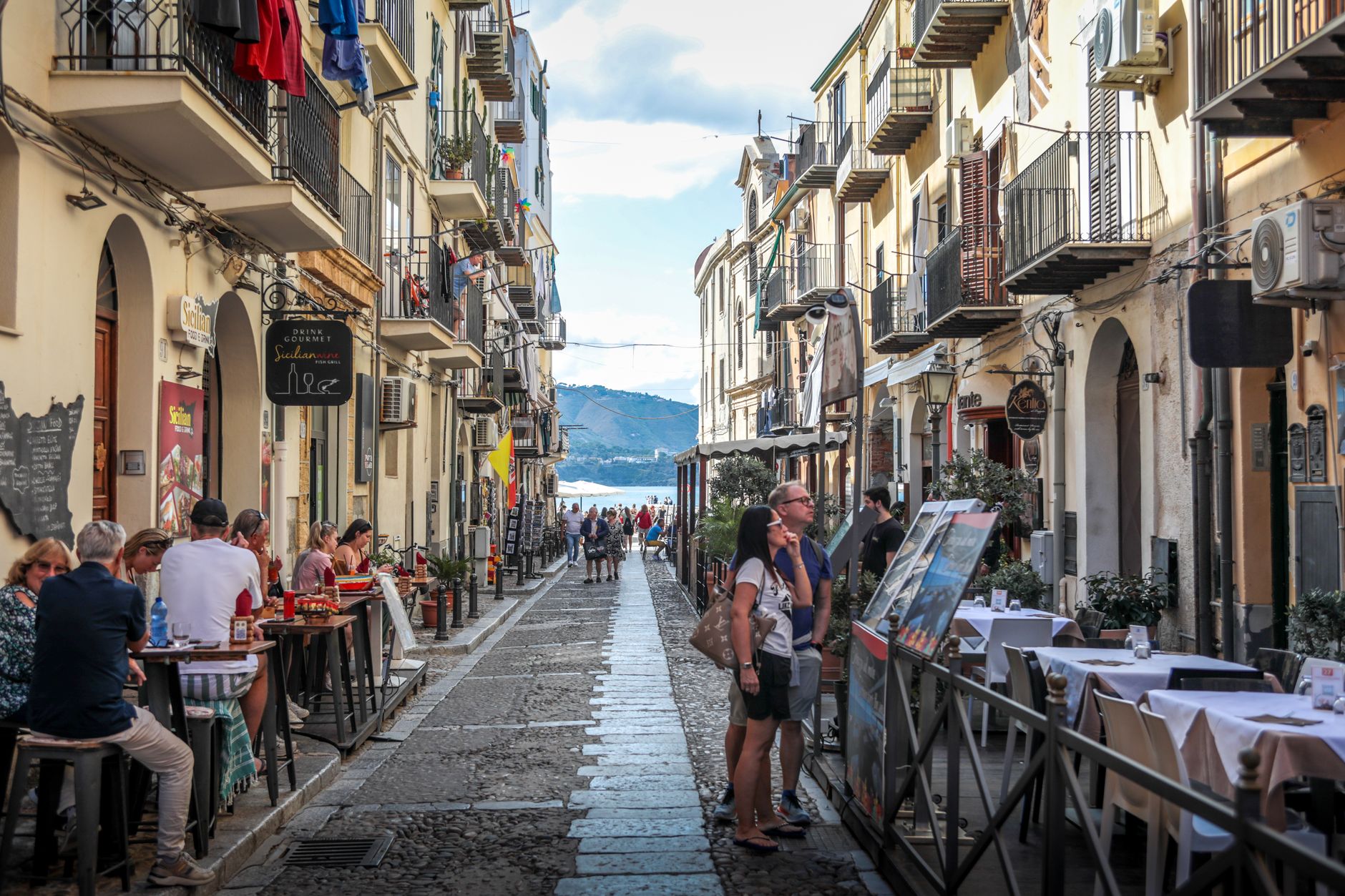
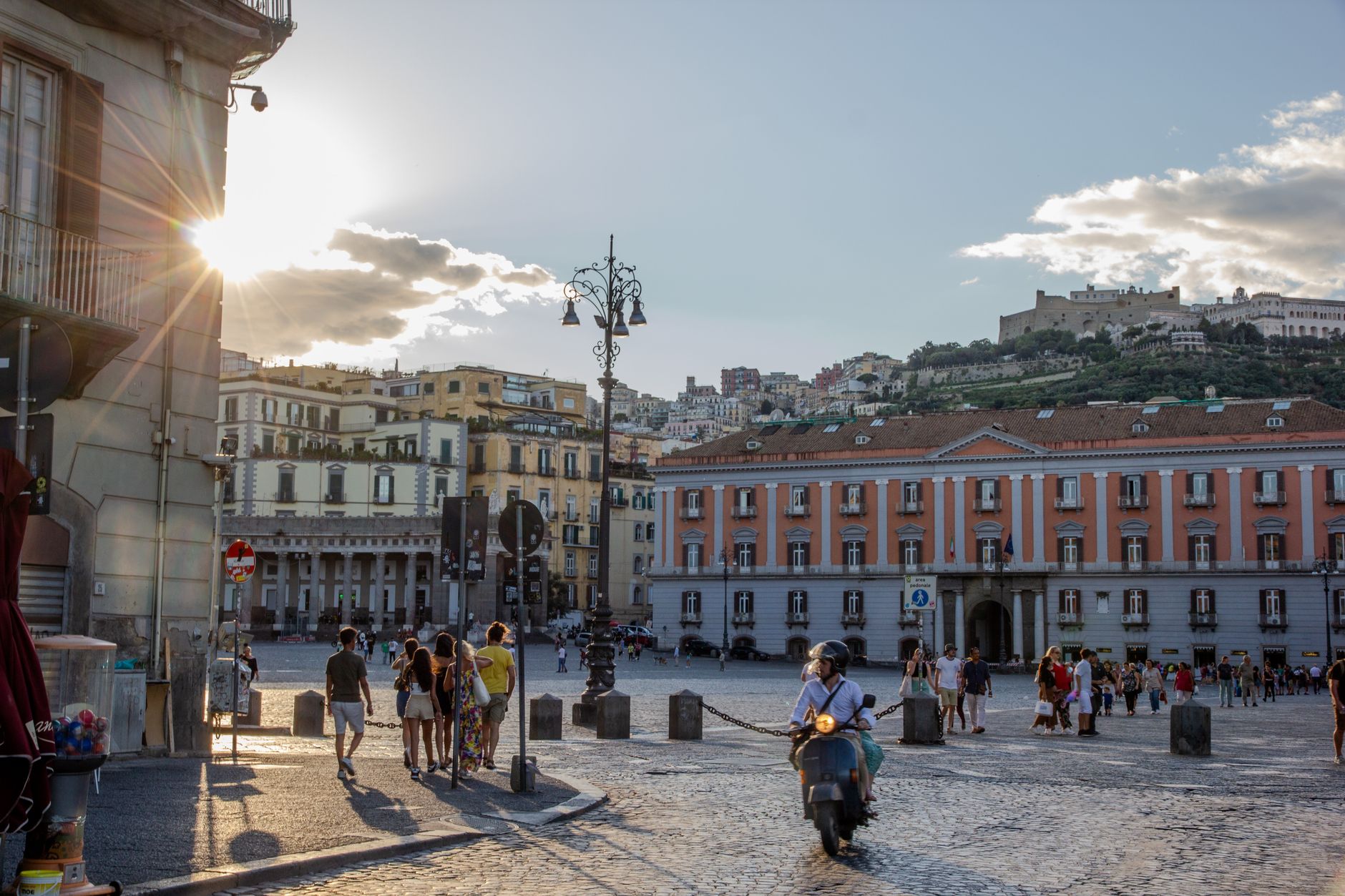
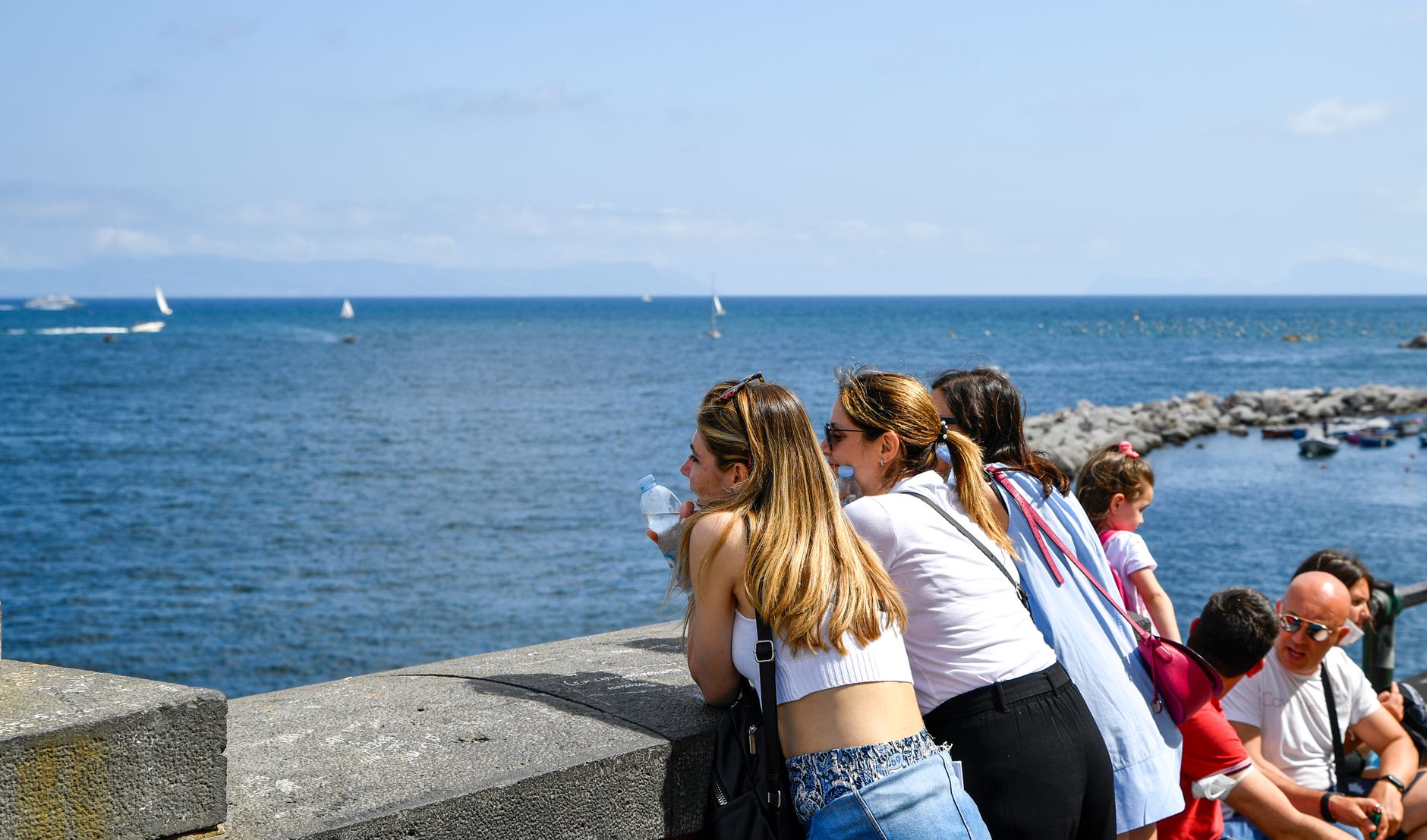
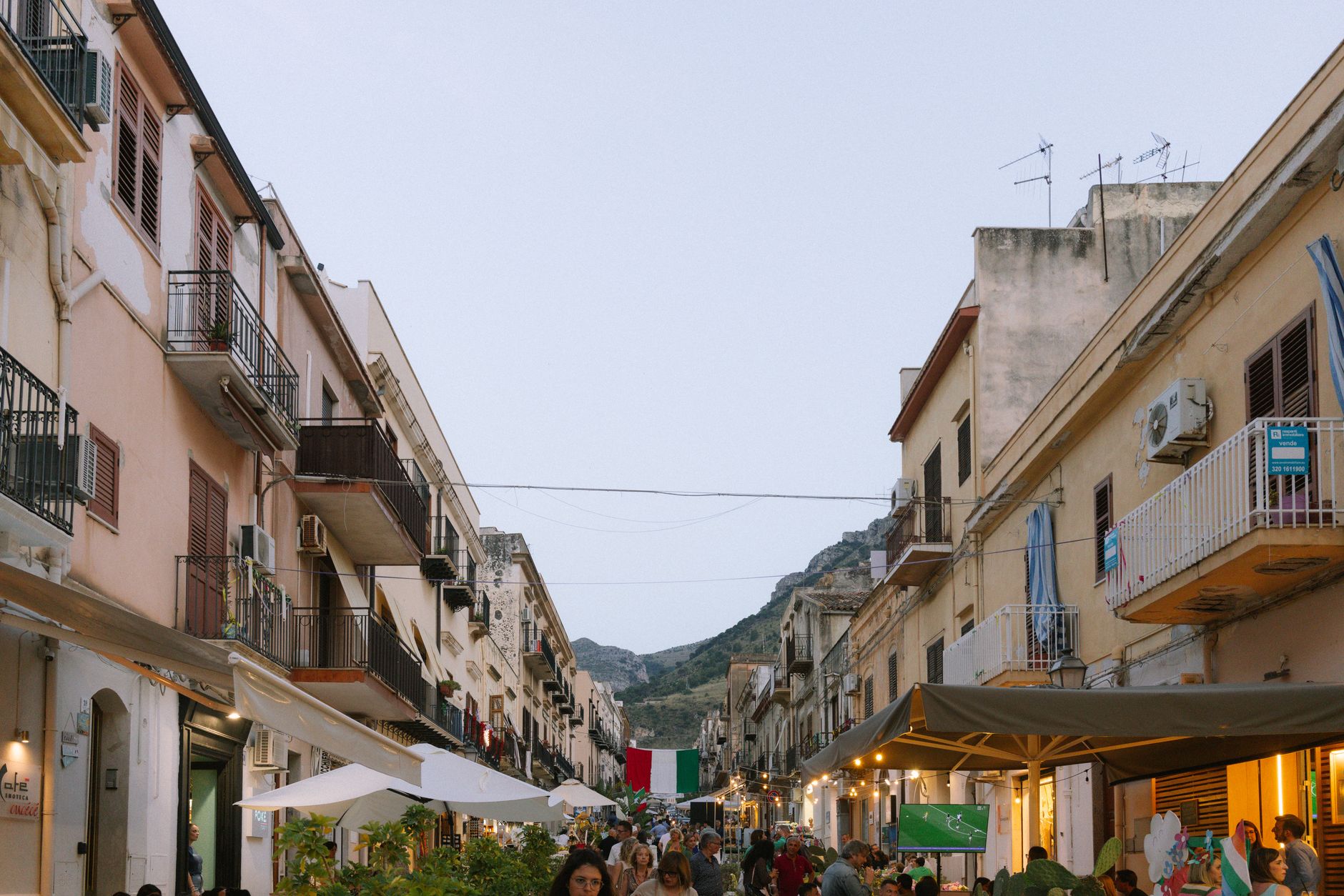
Salerno earns its place on the map several times over. It was, briefly, the capital of Italy — from February to July 1944, the Badoglio government sat here while the rest of the country was still at war. That fact alone reframes the city: less a gateway to the Amalfi Coast than a place with its own complicated, layered weight.
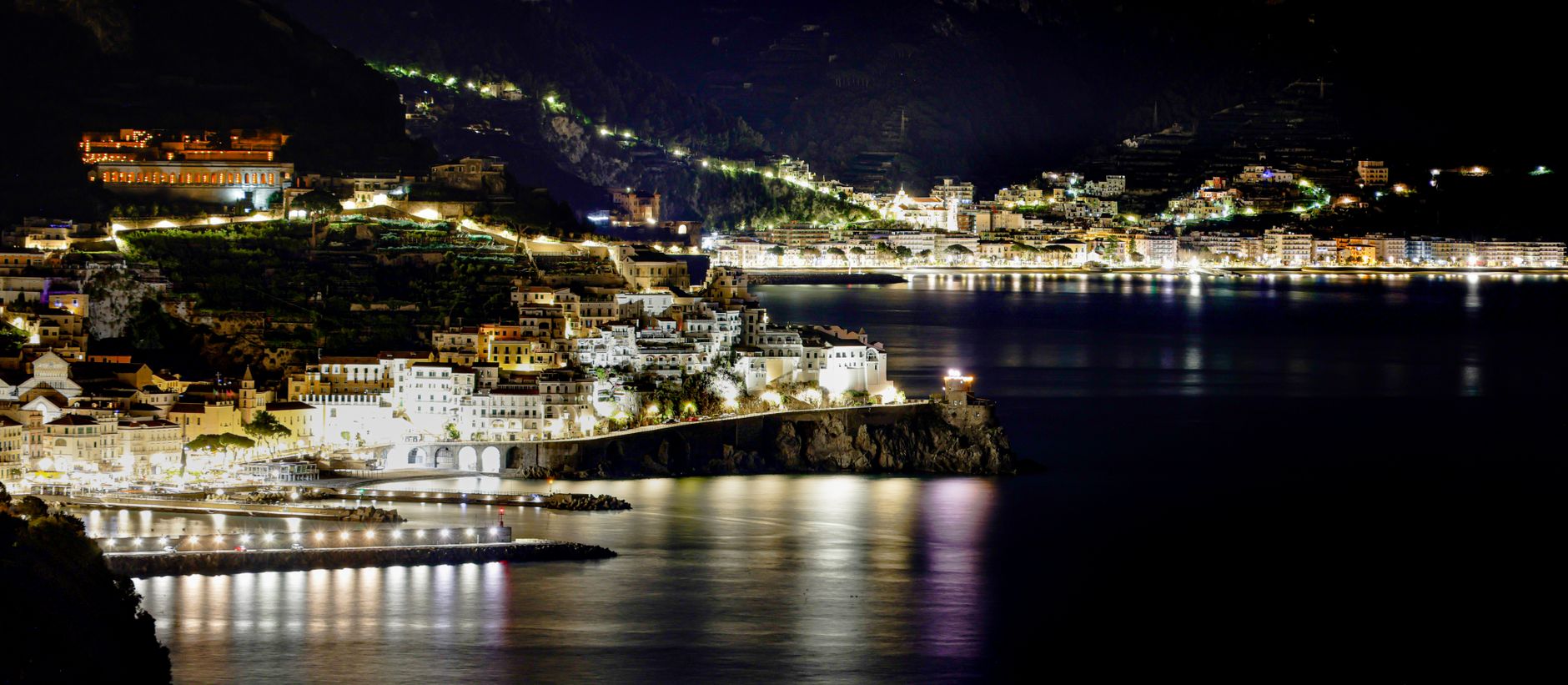
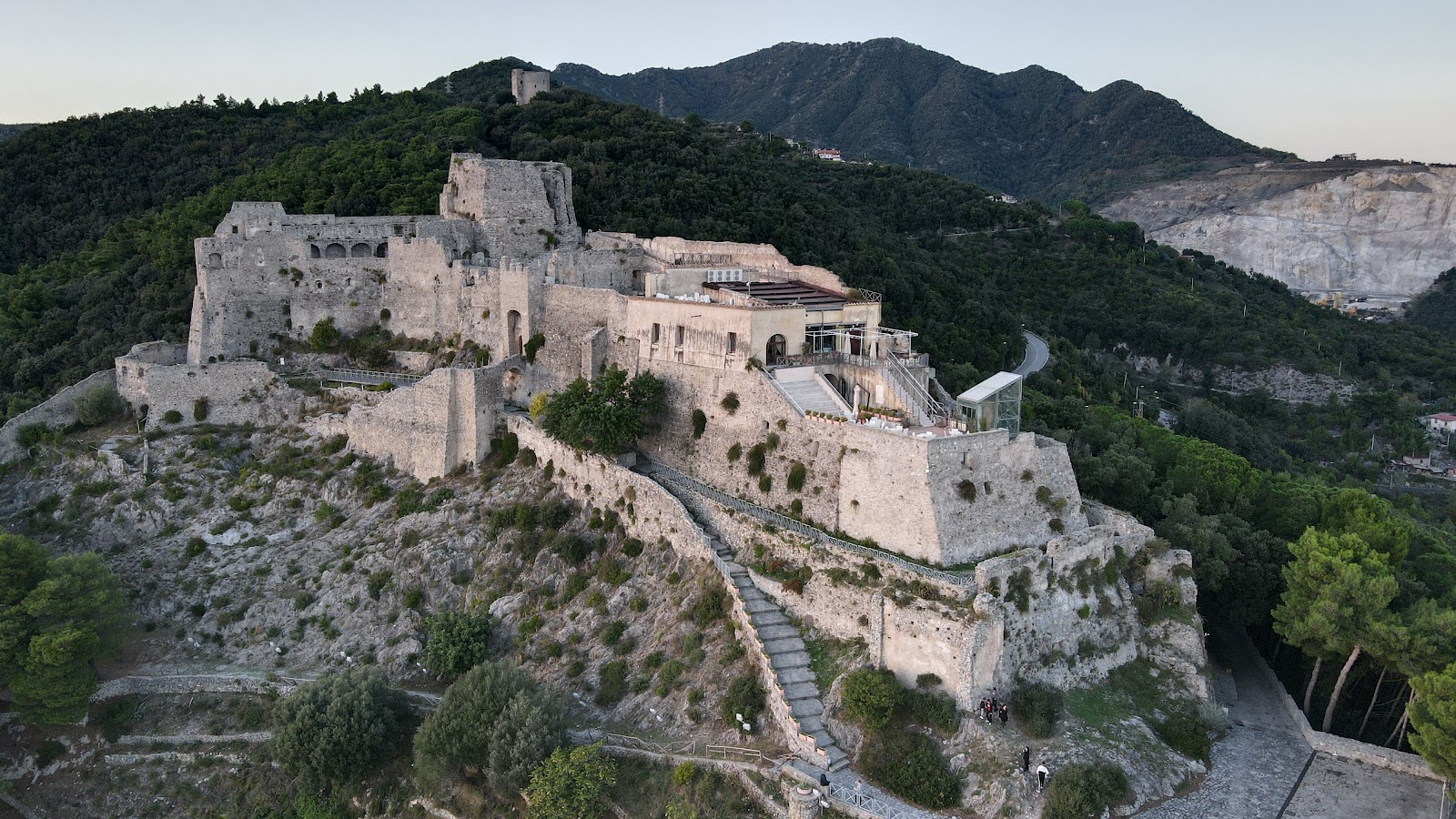
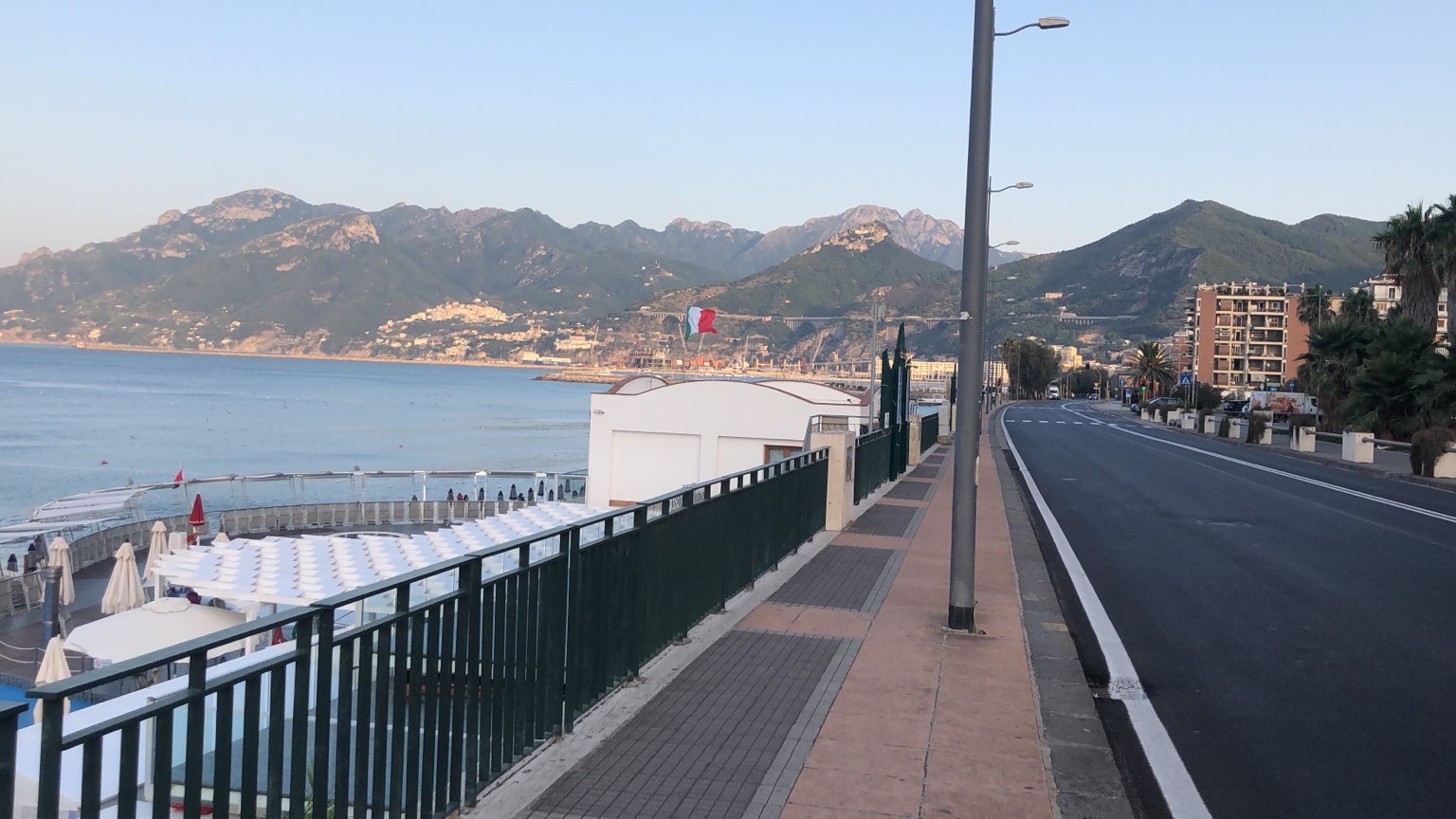
The medieval quarter climbs toward Castello di Arechi while the waterfront opens wide to the Gulf. The cathedral Robert Guiscard rebuilt in the 1070s still anchors the old town, and the Zaha Hadid maritime terminal — shaped after an oyster — handles the ferries south. Both ends of the timeline, side by side.
💛 What travellers fall for
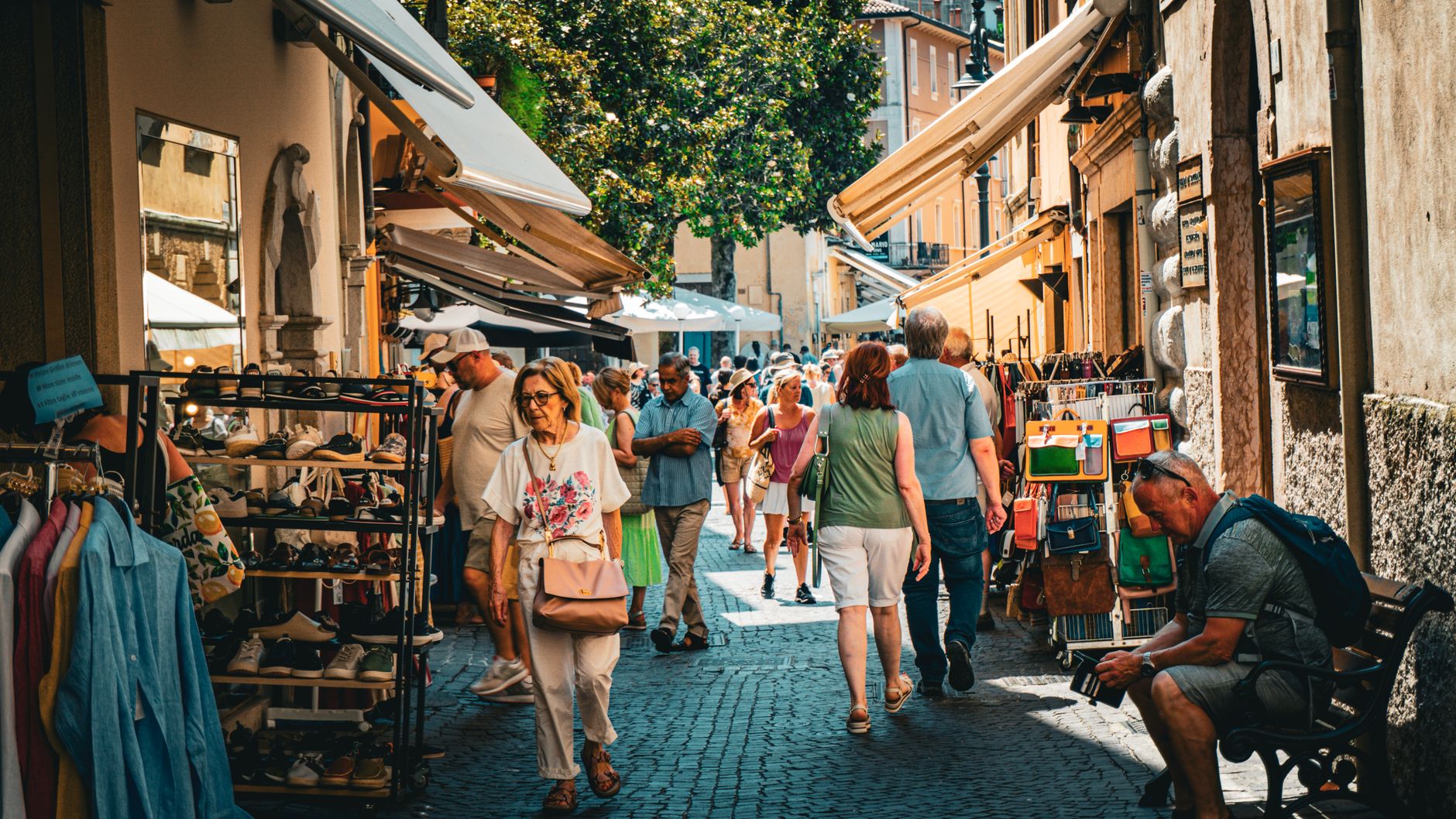
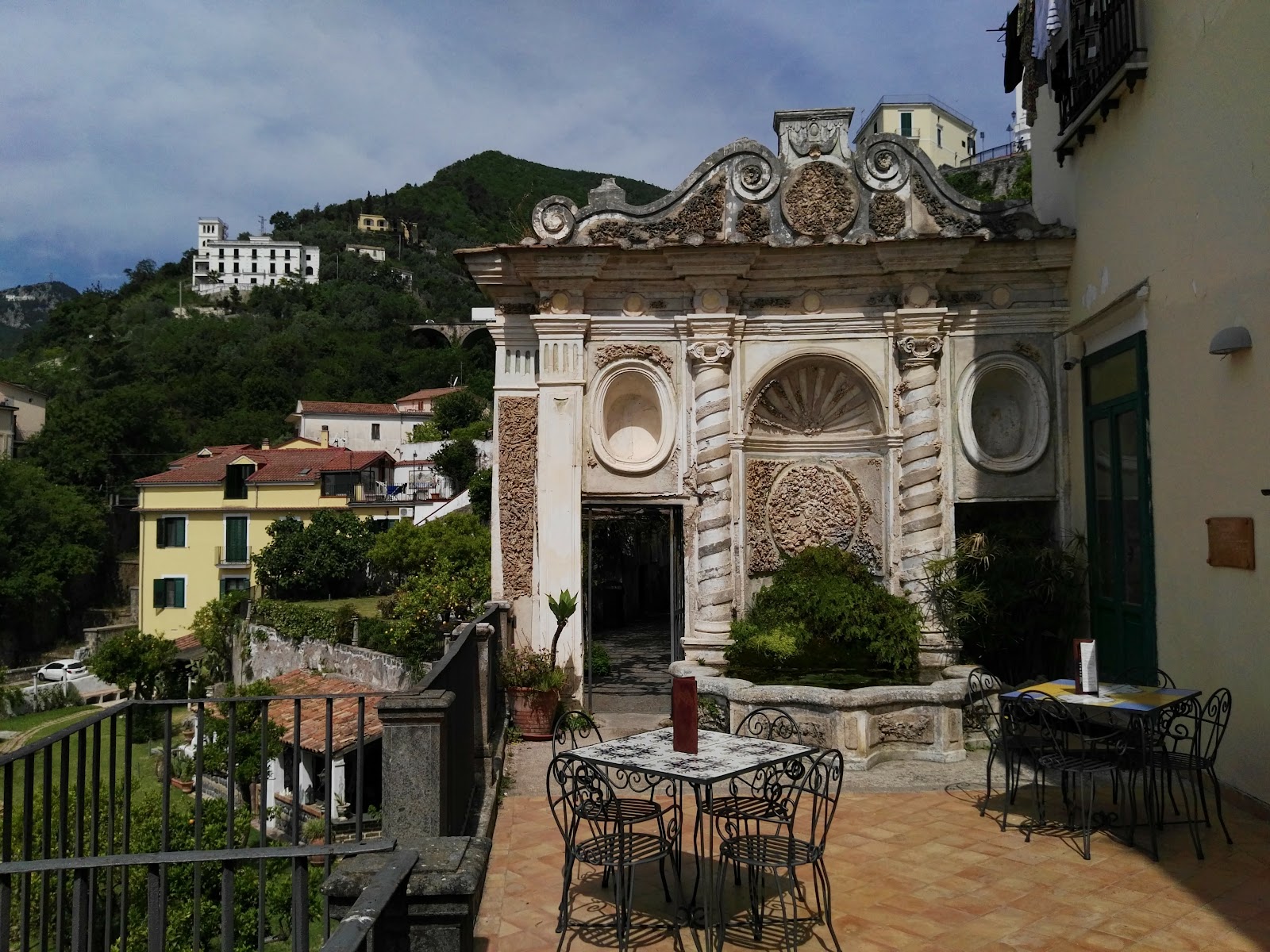
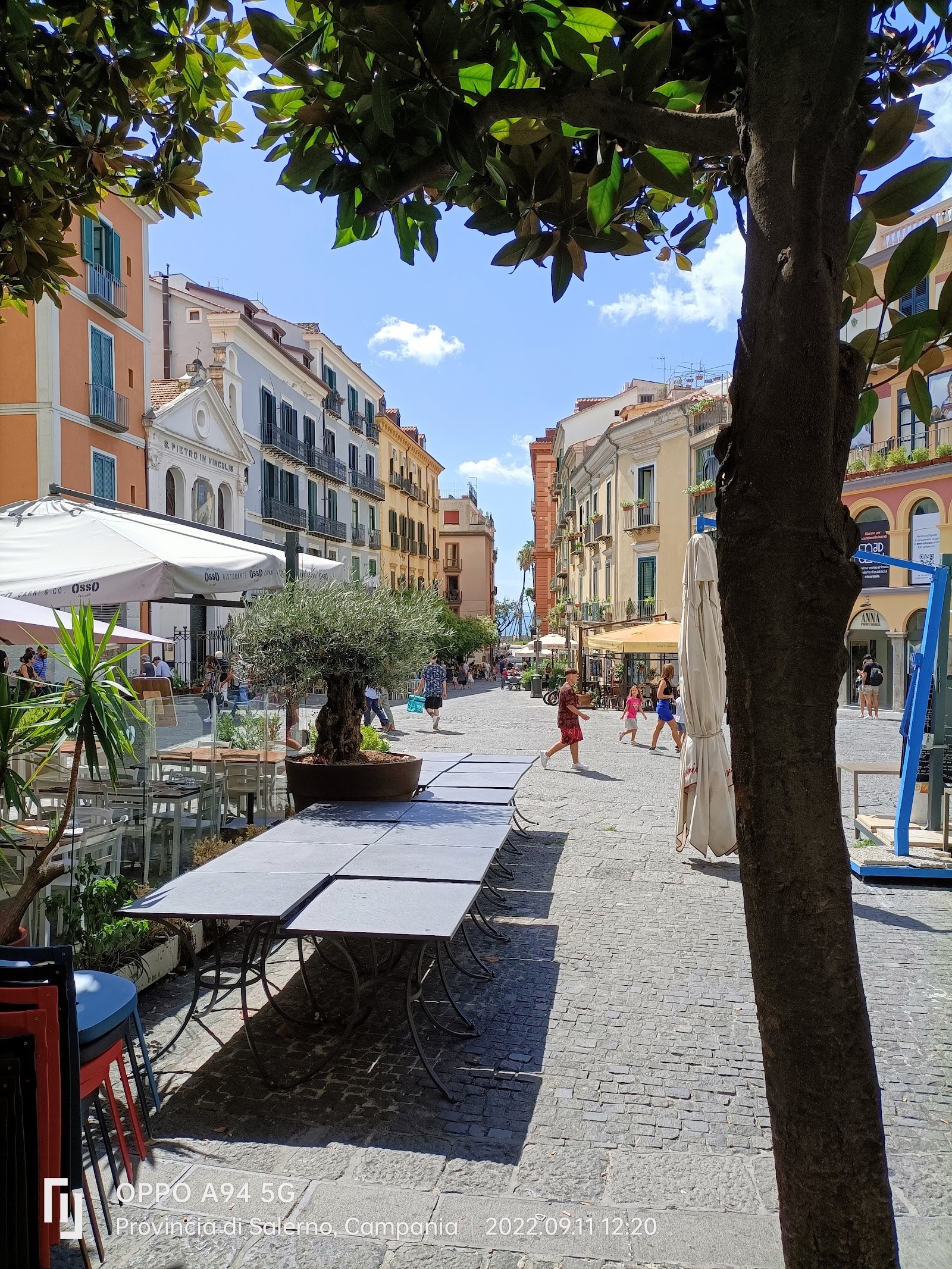
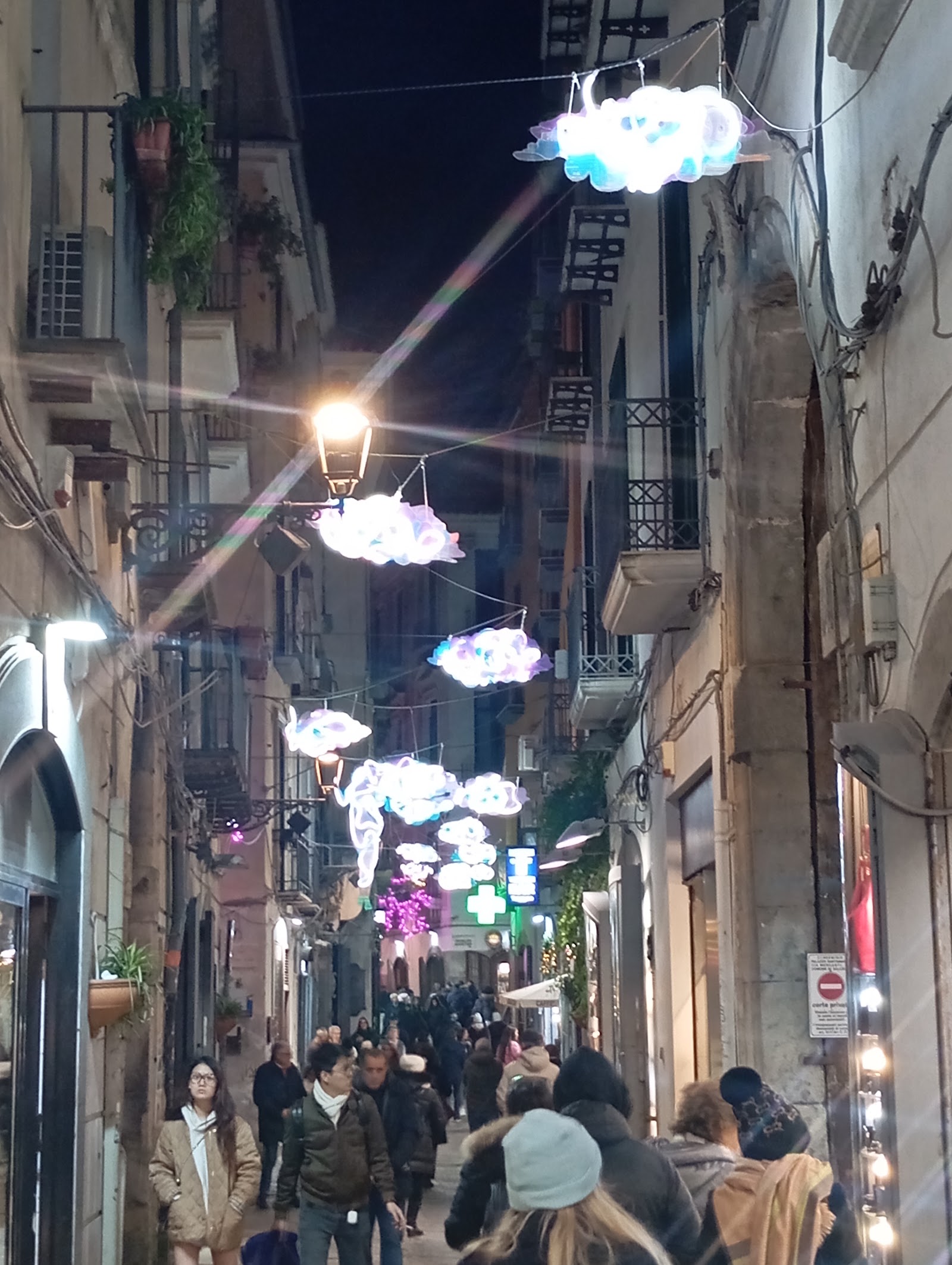
People who come back tend to arrive by high-speed train, drop bags near the station, and walk the length of Corso Vittorio Emanuele before anything else. The Garden of Minerva — a physic garden tied to the medieval medical school — rewards a slow hour. The cathedral's Arab-Norman bell tower is worth finding in the afternoon light.
Deals in Salerno
Book directly at the provider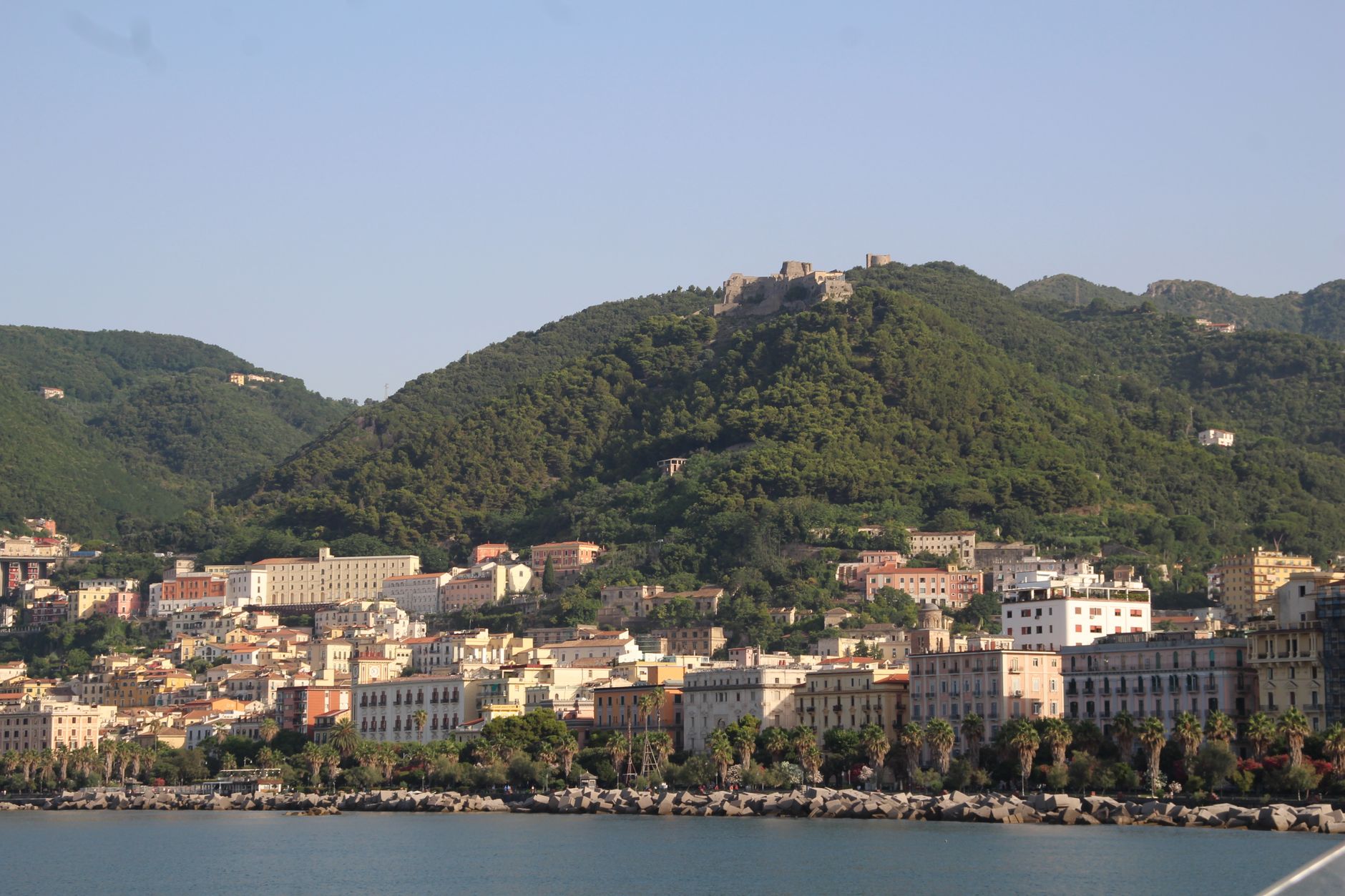

How Salerno came to be
Salerno began as the Roman colony of Salernum in 197 BCE, on a site that may have been Etruscan before that. After Rome fell, it passed to the Lombards, eventually becoming the capital of its own principality in 839. The Normans arrived in the 11th century — Robert Guiscard married the Lombard princess Sichelgaita and rebuilt the cathedral — and with them came a period of unusual intellectual energy. The Schola Medica Salernitana, active by the 11th century, is widely considered the forerunner of the modern university.
In September 1943 the Allies landed here during Operation Avalanche, and for five months afterward — while the front moved north — Salerno functioned as the seat of the Italian government. That chapter is easy to overlook and worth knowing.
Who and what shaped it
People who shaped it
Landmark buildings
See Salerno in motion
Plan your visit
On the map
When to go
Summers run warm and dry, with July and August daytime highs around 28–29°C and very little rain. Winters are mild and wetter — still walkable, but pack accordingly.
Right now
↡ Attractions



Background & history adapted from Wikipedia (CC BY-SA) · specs from Wikidata (CC0) · weather from Open-Meteo · map data © OpenStreetMap contributors · photos from Wikimedia Commons / Unsplash with per-image credit. No third-party reviews or social posts reproduced.