
Pornic
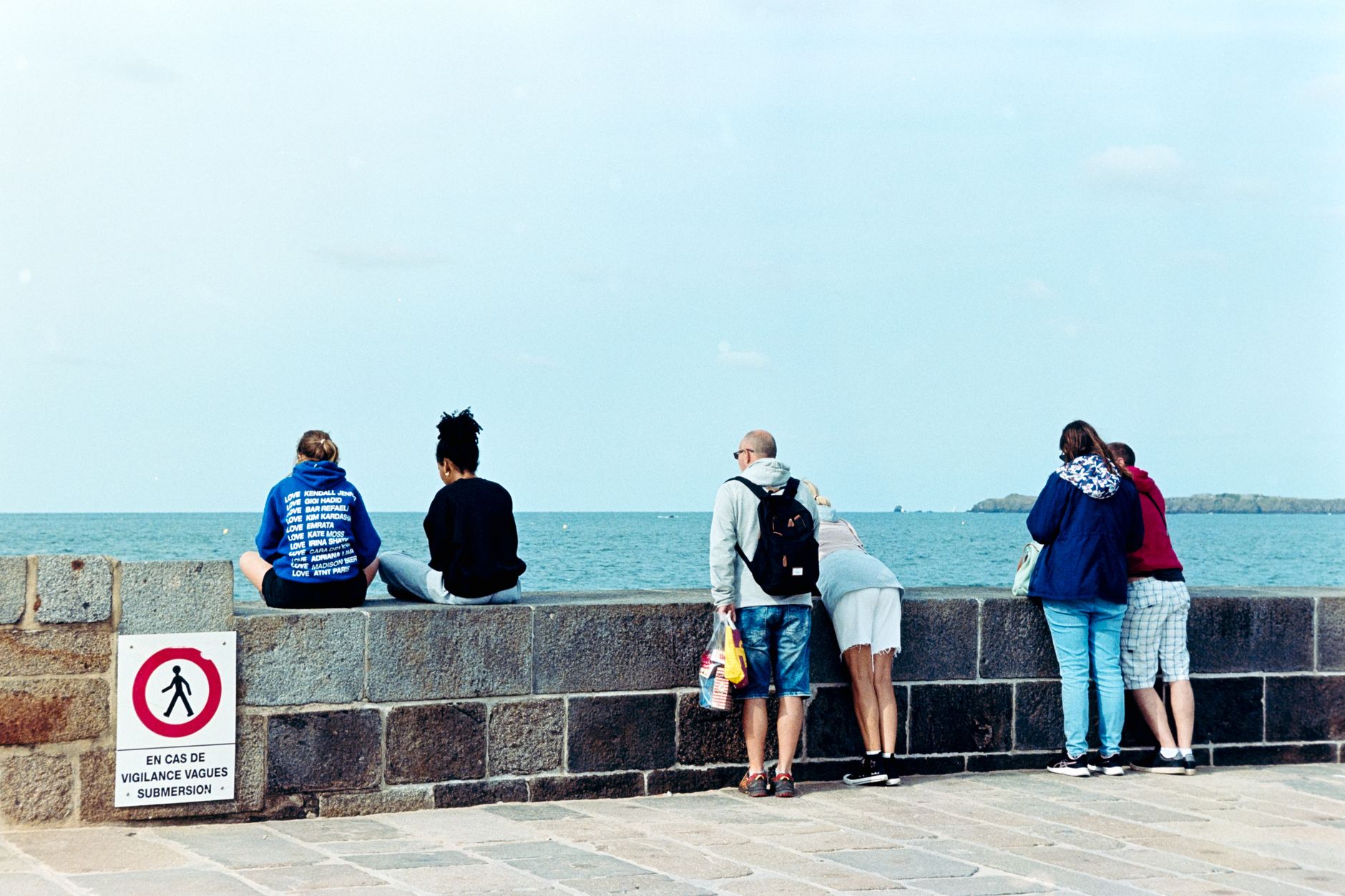
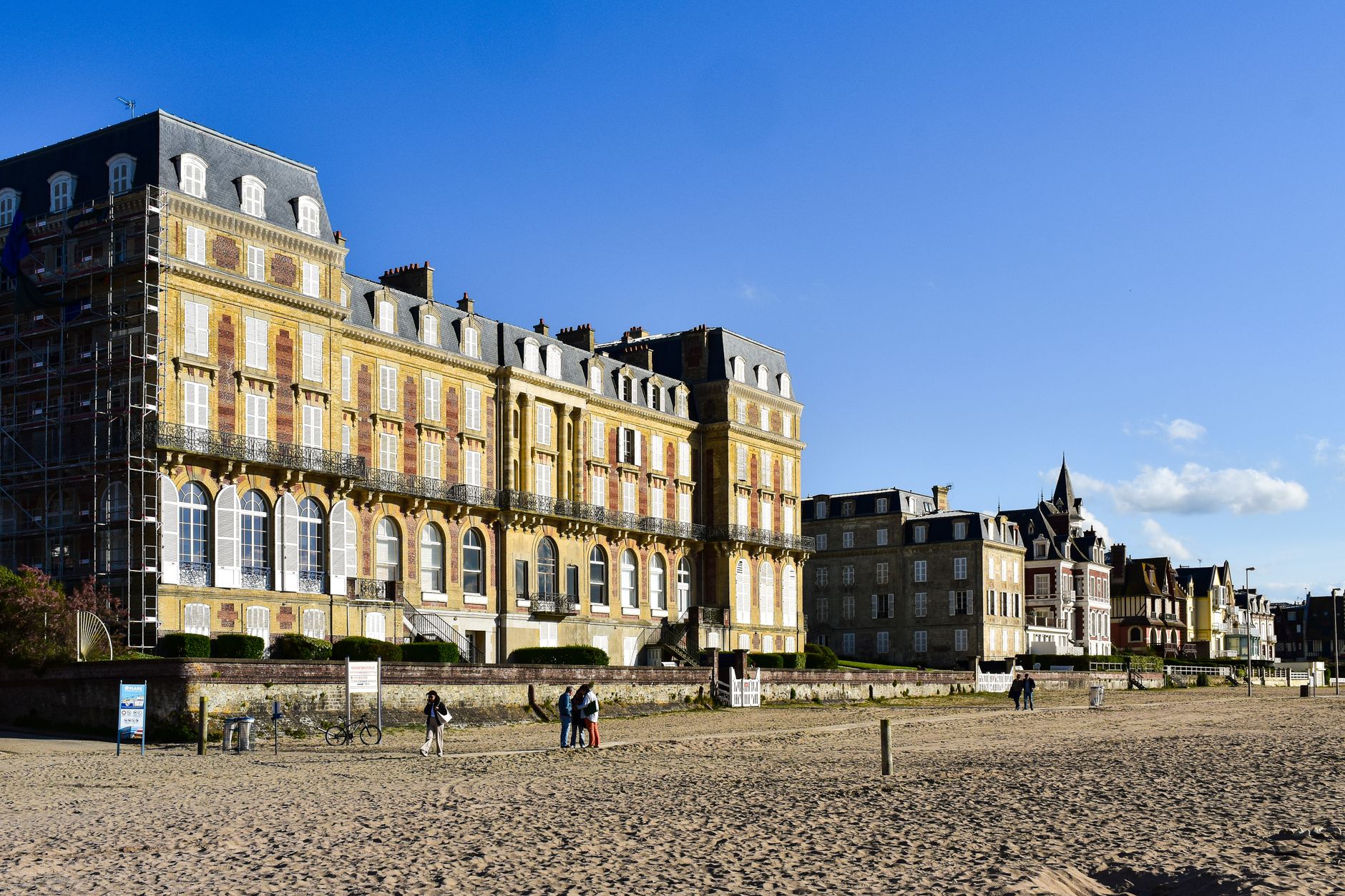
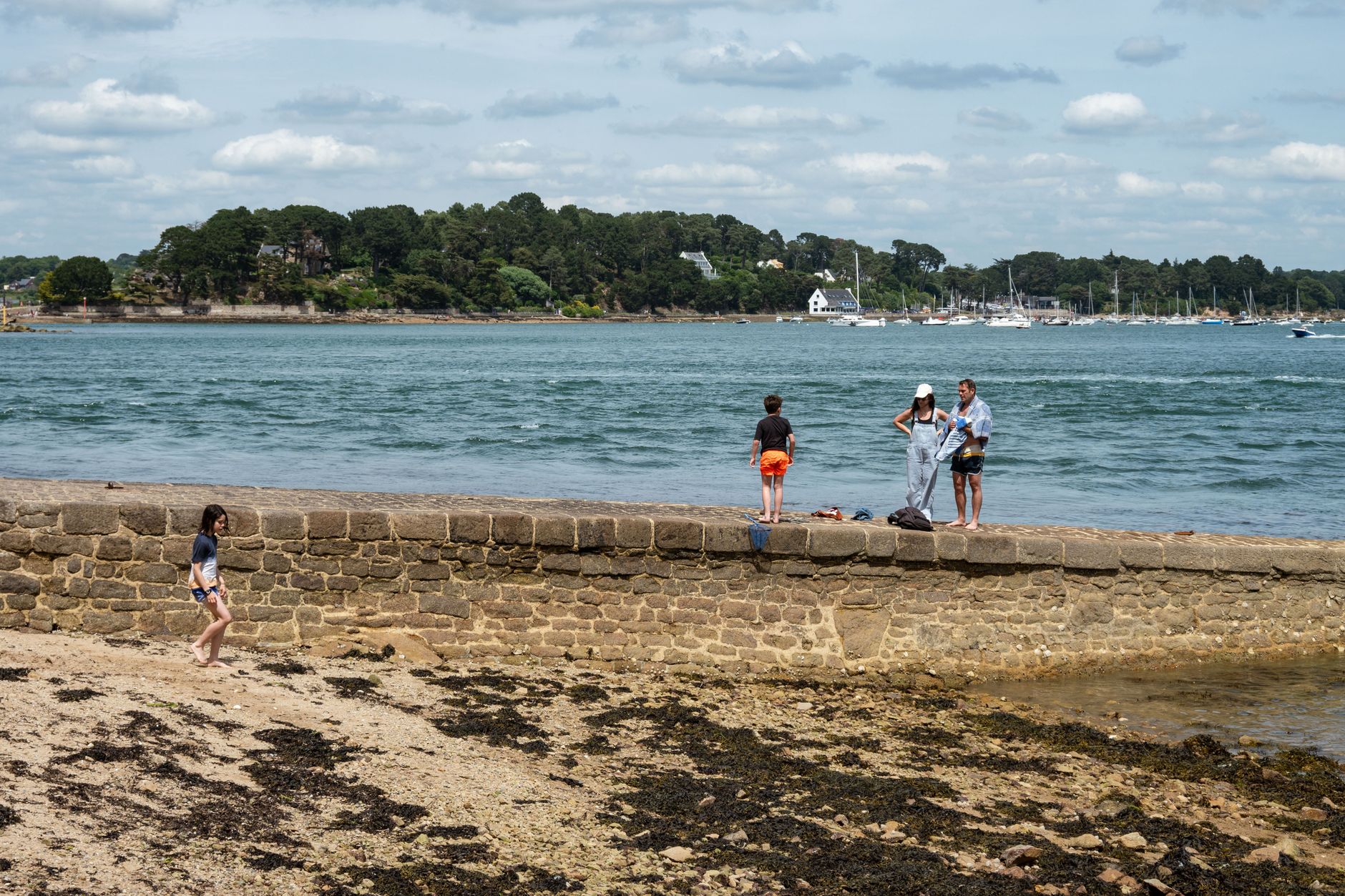
Pornic arranges itself around a small harbour, its castle sitting at the point where three rivers once met before emptying into the Atlantic. The castle's north tower, the oldest part, still wears its medieval machicolations — though the rest of the structure got a romantic makeover in the 1890s and is now privately owned, visible from the quay but not freely entered.
The town earned its seaside reputation early: it opened one of France's first casinos in 1853, the train arrived in 1875, and the painters and writers followed. Renoir came in 1892 and produced four canvases. Lenin rested here for a month in 1910. Camus, between 1942 and 1947, wrote The Plague at the Château des Brefs. Pornic collects that kind of guest.
💛 What travellers fall for
People who return tend to mention the same things: the sentier des douaniers, the fourteen-kilometre coastal path that traces the shoreline properly, at walking pace. They also tend to pick up something from the Faïencerie, the pottery workshop founded in 1947 and still producing by hand. And they eat the Curé Nantais, a washed-rind cheese made right here since 1987.
Experiences you don't want to miss



Deals in Pornic
Book directly at the providerHow Pornic came to be
The name Pornic appears in records as early as 1083, and a fortified castle was raised around 1100 at the confluence of the rivers Haute Perche, Dette, and Cracaud. Over the following centuries it passed through the hands of Gilles de Rais, John V Duke of Brittany, and several noble families, accumulating towers and modifications as it went. The south tower was added in the 15th century; the current silhouette dates from restorations carried out between 1897 and 1899 by the Nantes architect François Bougouin.
The 19th century transformed the town's economy. The 1853 casino — fifth in all of France — marked Pornic's arrival as a resort destination, and the railway connection two decades later made it accessible to a broader public. In 1973, the commune absorbed the neighbouring territories of Clion-sur-Mer and Sainte-Marie-sur-Mer.
Who and what shaped it
People who shaped it
Landmark buildings
Plan your visit
On the map
When to go
Pornic sits in a Mediterranean-influenced climate zone with mild summers — warm rather than hot, and rarely oppressive. Winters are gentle by Atlantic standards, though the coast brings wind. Spring and early autumn offer the clearest light and the thinnest crowds.
Right now
Background & history adapted from Wikipedia (CC BY-SA) · specs from Wikidata (CC0) · weather from Open-Meteo · map data © OpenStreetMap contributors · photos from Wikimedia Commons / Unsplash with per-image credit. No third-party reviews or social posts reproduced.