
Palazzo Mozzanica
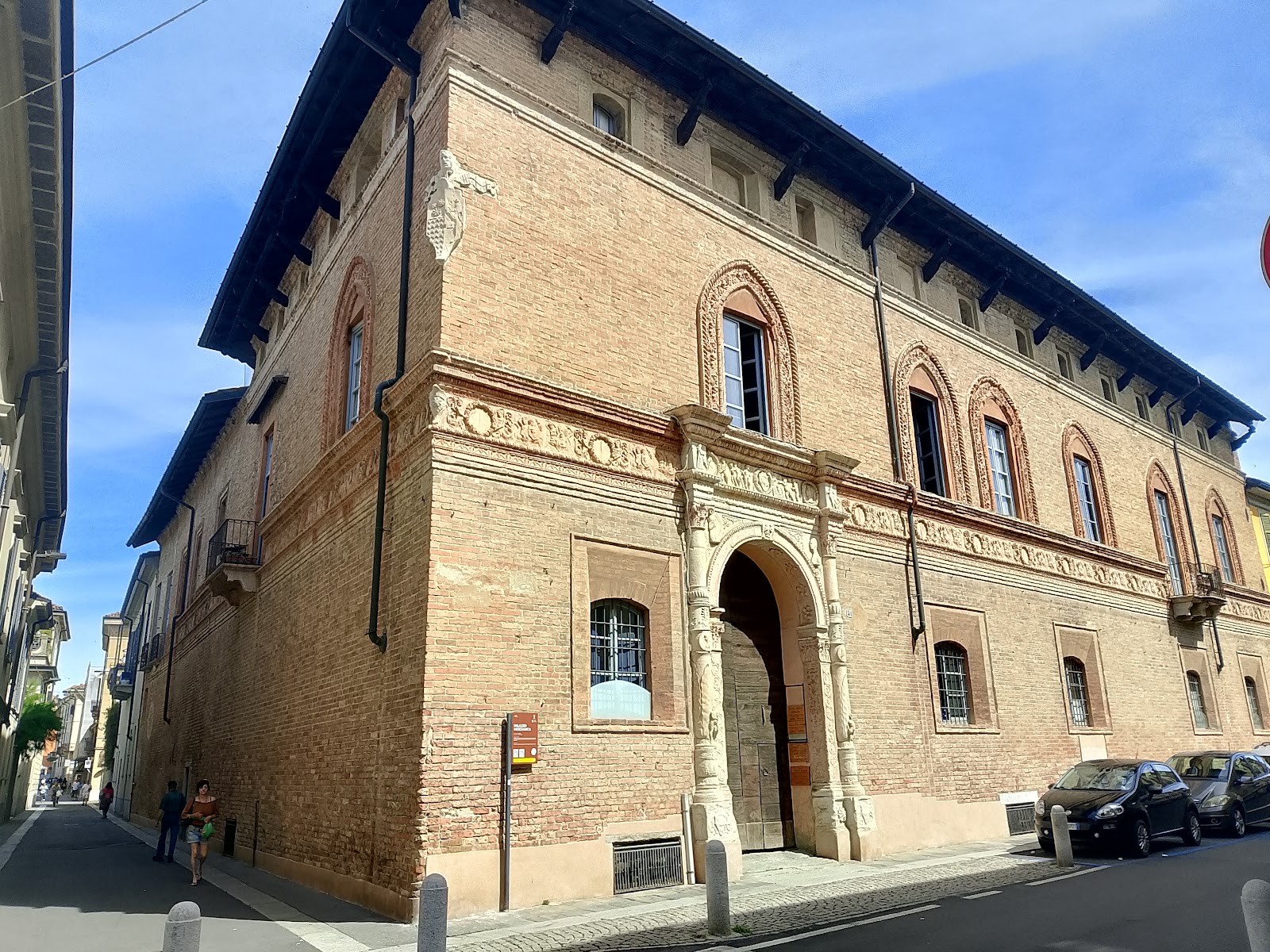
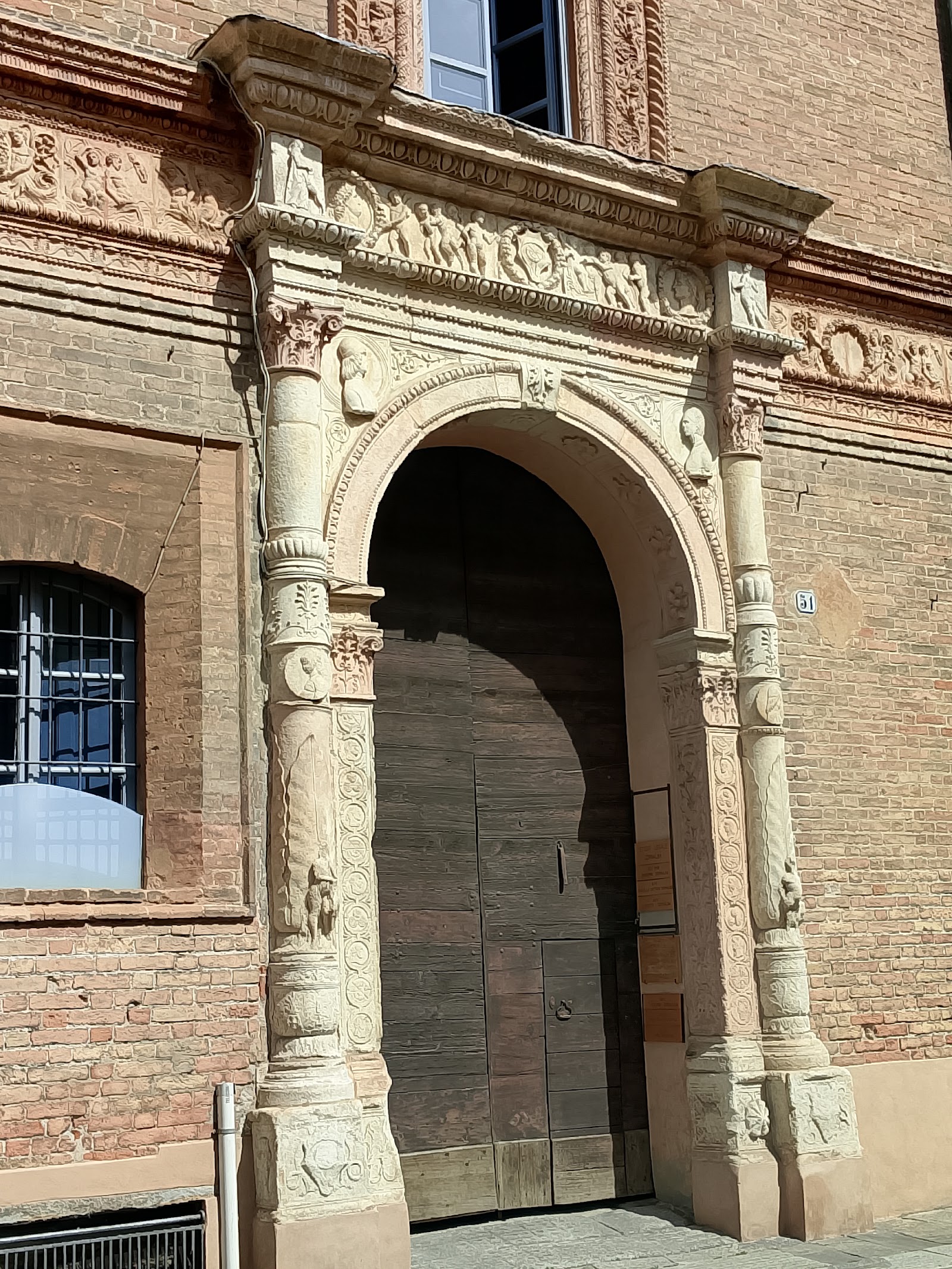
At the corner of Via XX Settembre and Via Volturno, Palazzo Mozzanica stops you with its portal before you've had time to form an opinion. The Angera stone doorway is flanked by candelabra columns and carved with floral bas-reliefs, and four medallions in the ancient style — Francis I, Bianca Maria Sforza, Gian Galeazzo Visconti, Isabella d'Aragona — look down from the arch like a compressed history of late-15th-century power.
The building now serves as offices, so access to the interior is limited, but the façade alone earns the detour. Look for the iron gate by Alessandro Mazzucotelli, whose Art Nouveau ironwork is a quiet counterpoint to all that Renaissance stone. Through the gate, if the angle is right, you can glimpse the arcaded courtyard with its Ionic columns and, rising beyond them, an octagonal tower.
💛 What travellers fall for
People who circle back tend to do so for the gate — Mazzucotelli's ironwork rewards a second look at different times of day, when the light catches the curves differently. The large marble coat of arms on the building's edge, easy to miss on a first pass, becomes a reliable landmark once you've noticed it.
The story behind Palazzo Mozzanica
The site has older bones: 14th-century structures here belonged to Giovanni Vignati, lord of Lodi in the early 1400s. Around 1488, Count Lorenzo Mozzanica — feudatario of Turano and Melegnano, captain of cavalry, and later commissioner general of the royal armies of Luigi XII — commissioned a new palazzo on those foundations. The architect was Giovanni Battagio, known as Giovanni da Lodi, who was simultaneously overseeing work on the Incoronata Temple nearby. Decorative terracotta work came from Agostino de Fondulis, also involved at the Incoronata, with Francesco Porta serving as capomastro.
In July 1509, Francis I of France stayed here — a detail that gives the medallion portraits on the portal a slightly loaded quality. The piano nobile was later frescoed by Carlo Innocenzo Carloni and Giovan Battista Sassi, and at some point an elliptical spiral staircase was added, winding up to the octagonal tower that still punctuates the Lodi skyline.
Good to know
Lodi's railway station is roughly 650 metres from the city centre and well connected to Milan and Bologna via Trenitalia and Trenord. The palazzo is an exterior visit — it functions as office space, so plan around the façade and courtyard glimpses rather than an interior tour. Five minutes on foot puts you at the Duomo and the Incoronata.
Where is Palazzo Mozzanica?
More tickets & tours for Palazzo Mozzanica
Book directly at the provider
What travellers say about Palazzo Mozzanica
Also known as Palazzo Varesi, it dates back to the 15th century and was built on the foundations of a small castle belonging to the Vignati family. It features an imposing terracotta façade, divided horizontally by a band decorated with garlands and mythological figures. The stone portal is adorned with bas-reliefs. The palace is arranged around a quadrangular internal courtyard with porticoes on two sides. The interior of the first floor features interesting frescoes.
historic and monumental buildings
For those passing through Lodi, I recommend a visit to the palace. Unfortunately, there's no inside tour available. Lodi, Via XX Settembre
A very well-maintained historic building on Via XX Settembre; worth a visit for both local history and photography enthusiasts.
Beautiful building from the outside. Closed to anyone wanting to see the inside.
More of Lodi
Discover where to stay, what to do and the best deals for your trip.
Explore Lodi →More attractions in Lodi
All of Lodi →
Background adapted from Wikipedia (CC BY-SA) · map data © OpenStreetMap contributors · ratings & place photos via Google · other photos with per-image credit. Ticket links may earn us a commission at no extra cost to you.