
Oberstdorf
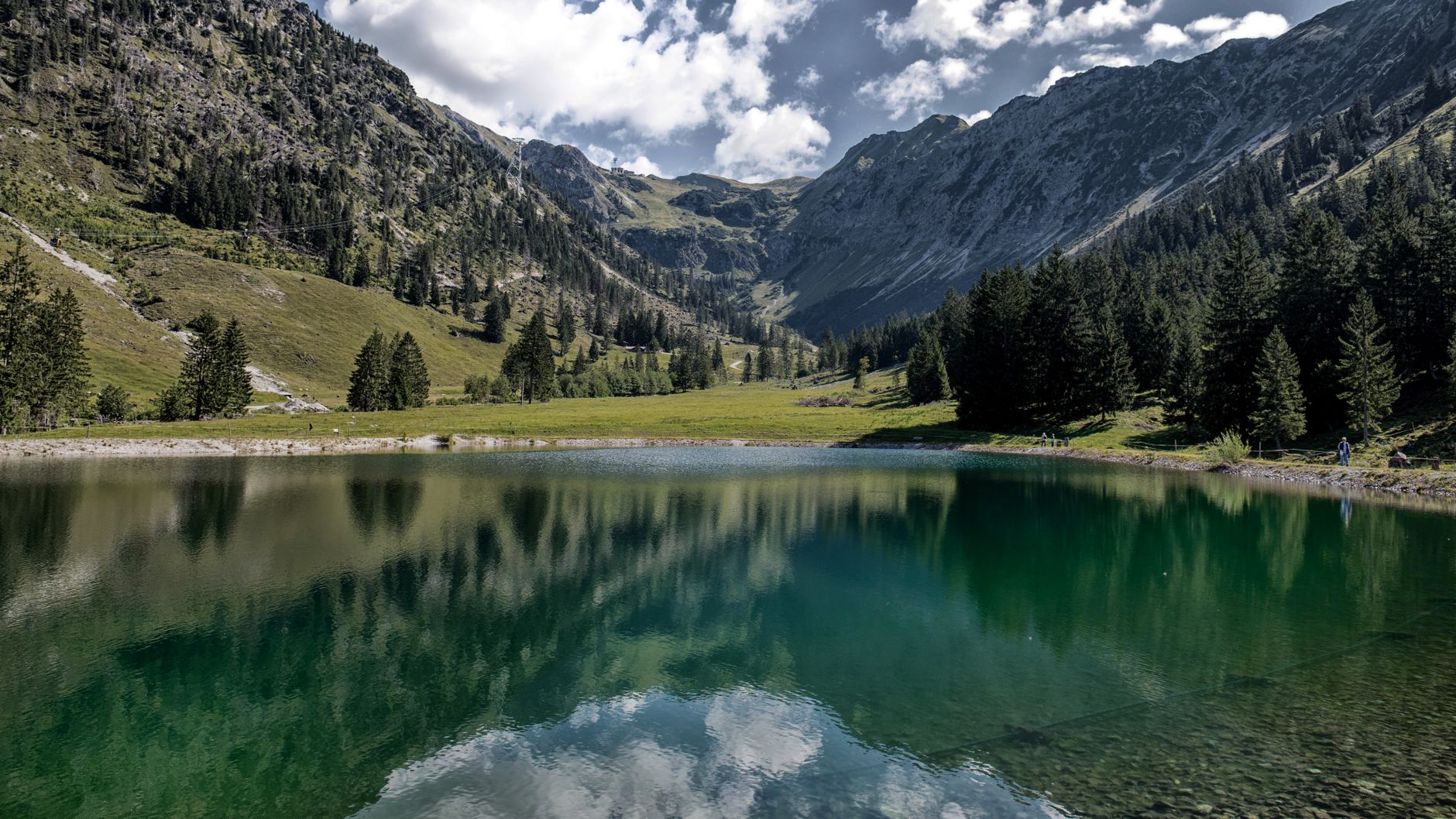
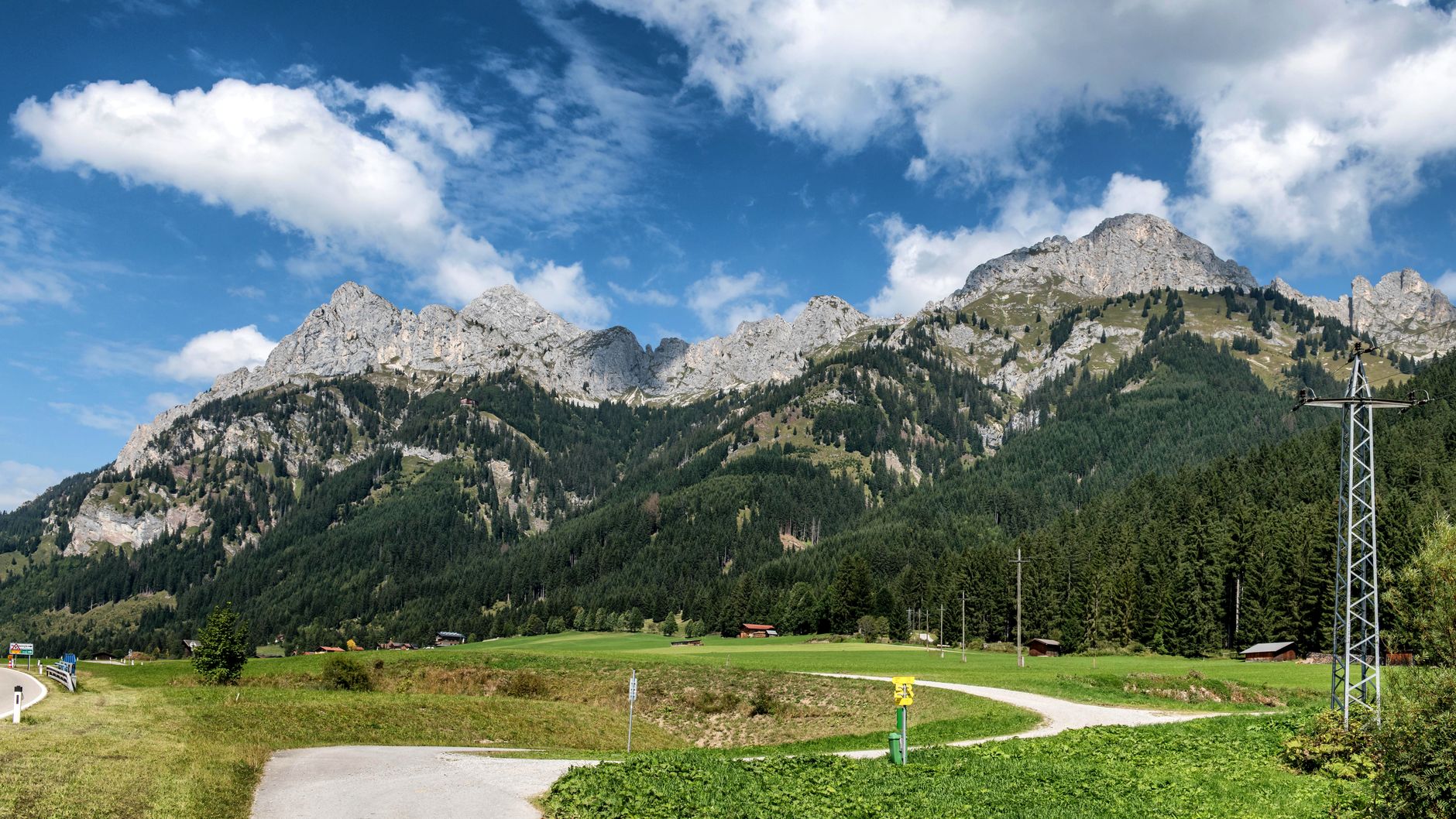
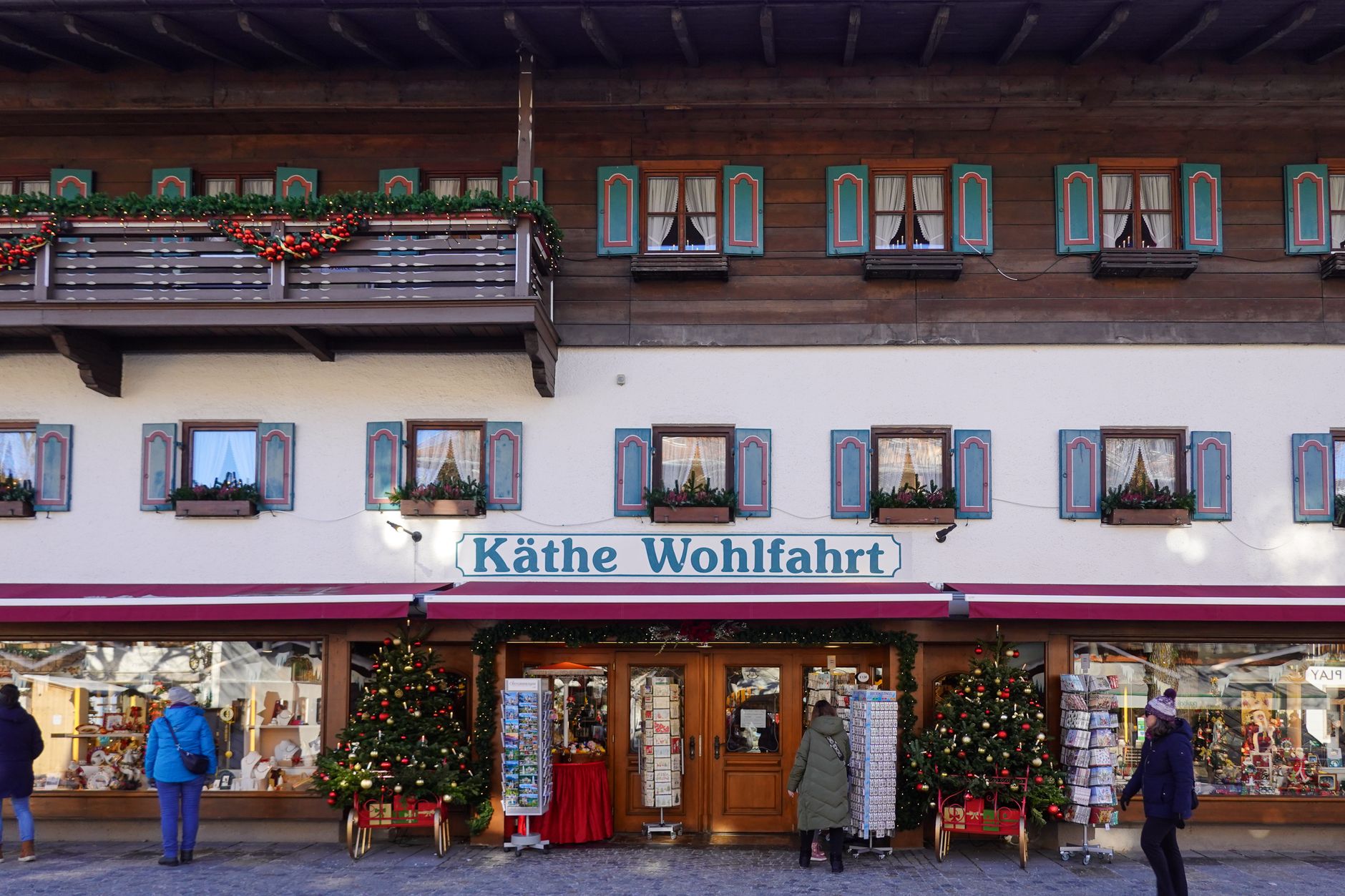
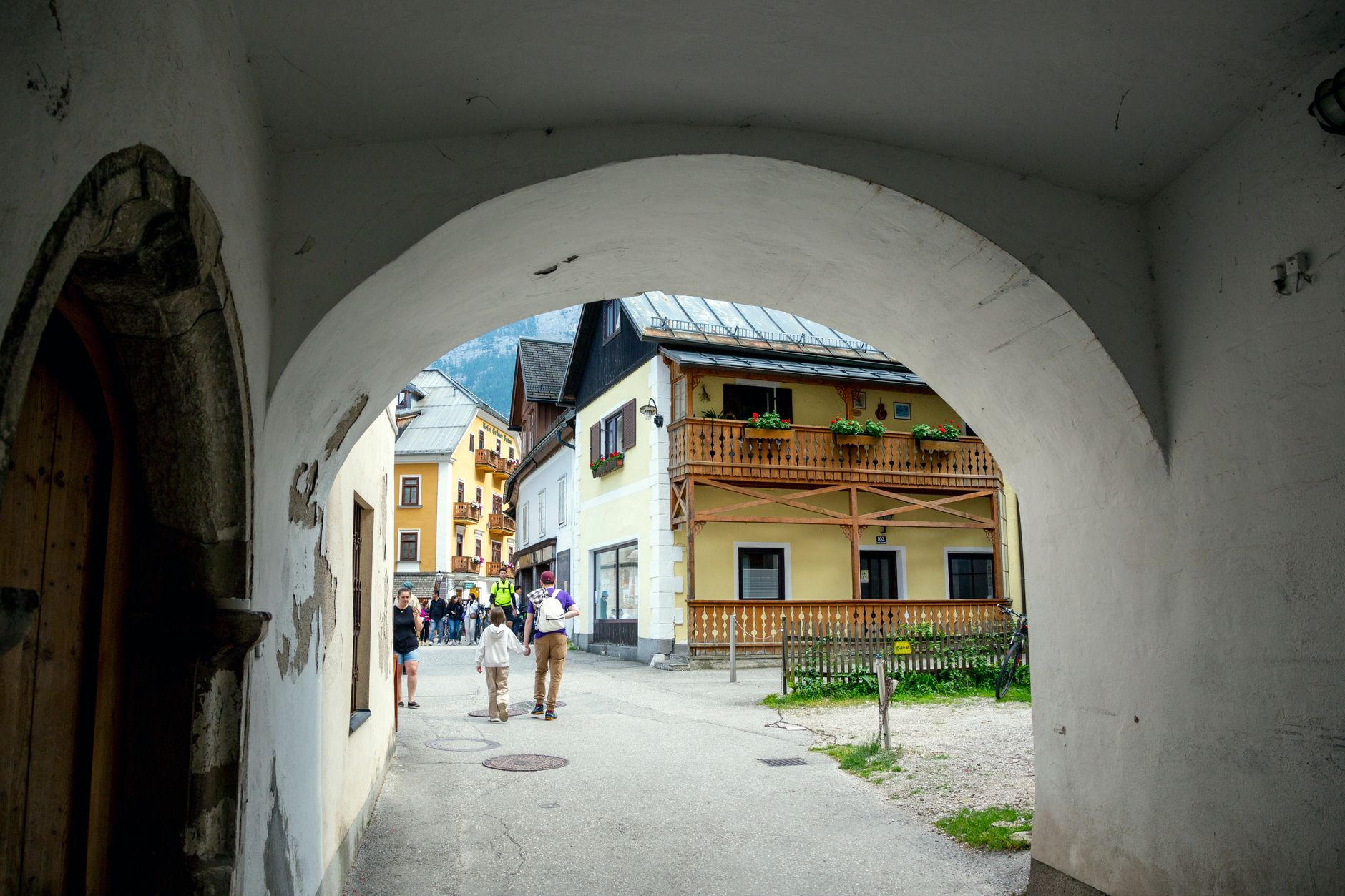
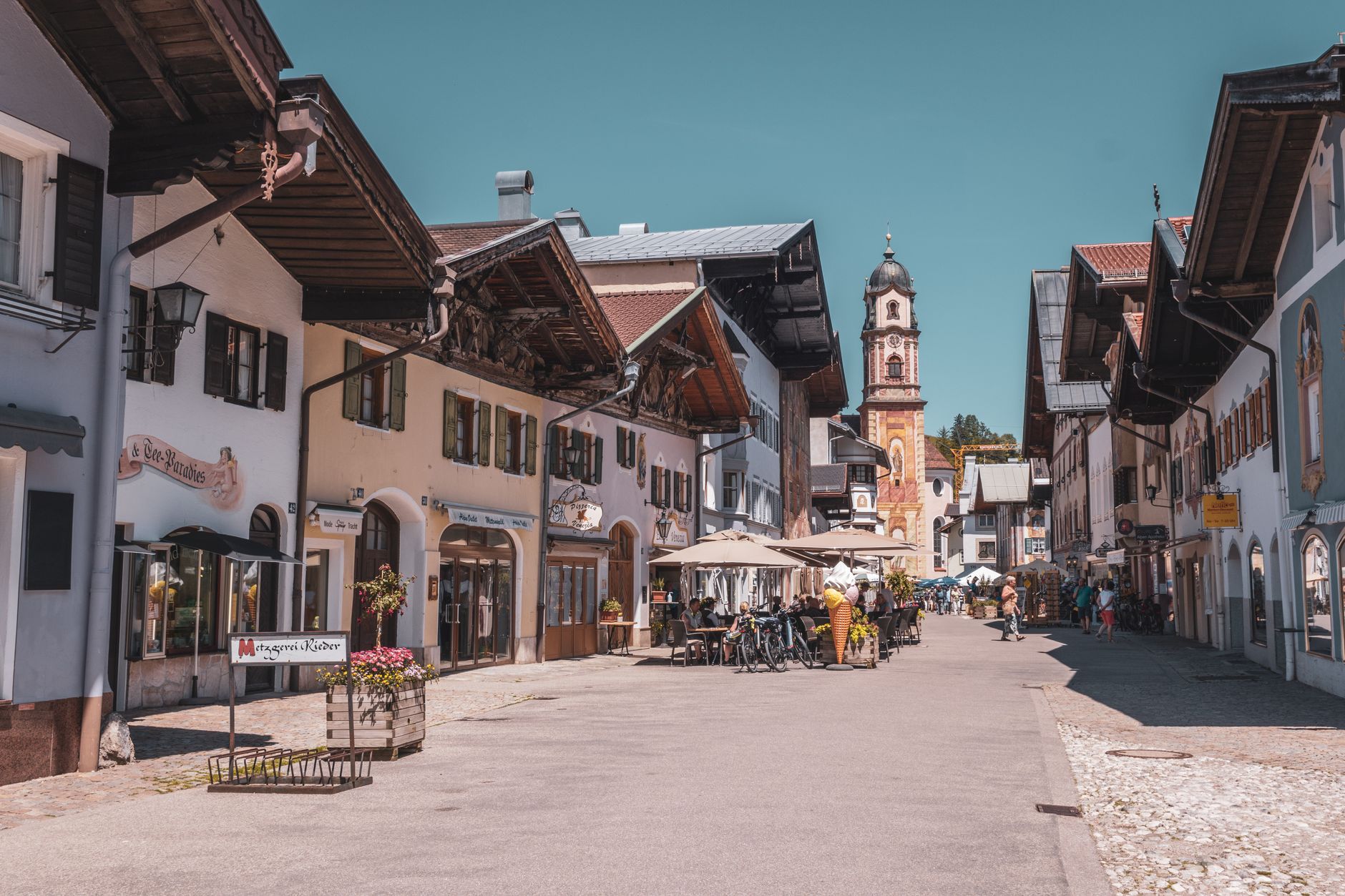
Oberstdorf sits at the end of the line — literally. The Deutsche Bahn track terminates here, and that geographic finality shapes everything about the place. It is the southernmost town in Germany, pressed against the Austrian border by a ring of peaks, and the Catholic Parish Church of St. John the Baptist on the Marktplatz holds the distinction of being the southernmost parish church in the country. The spire is useful: orient yourself by it and the compact centre makes sense in under an hour on foot.
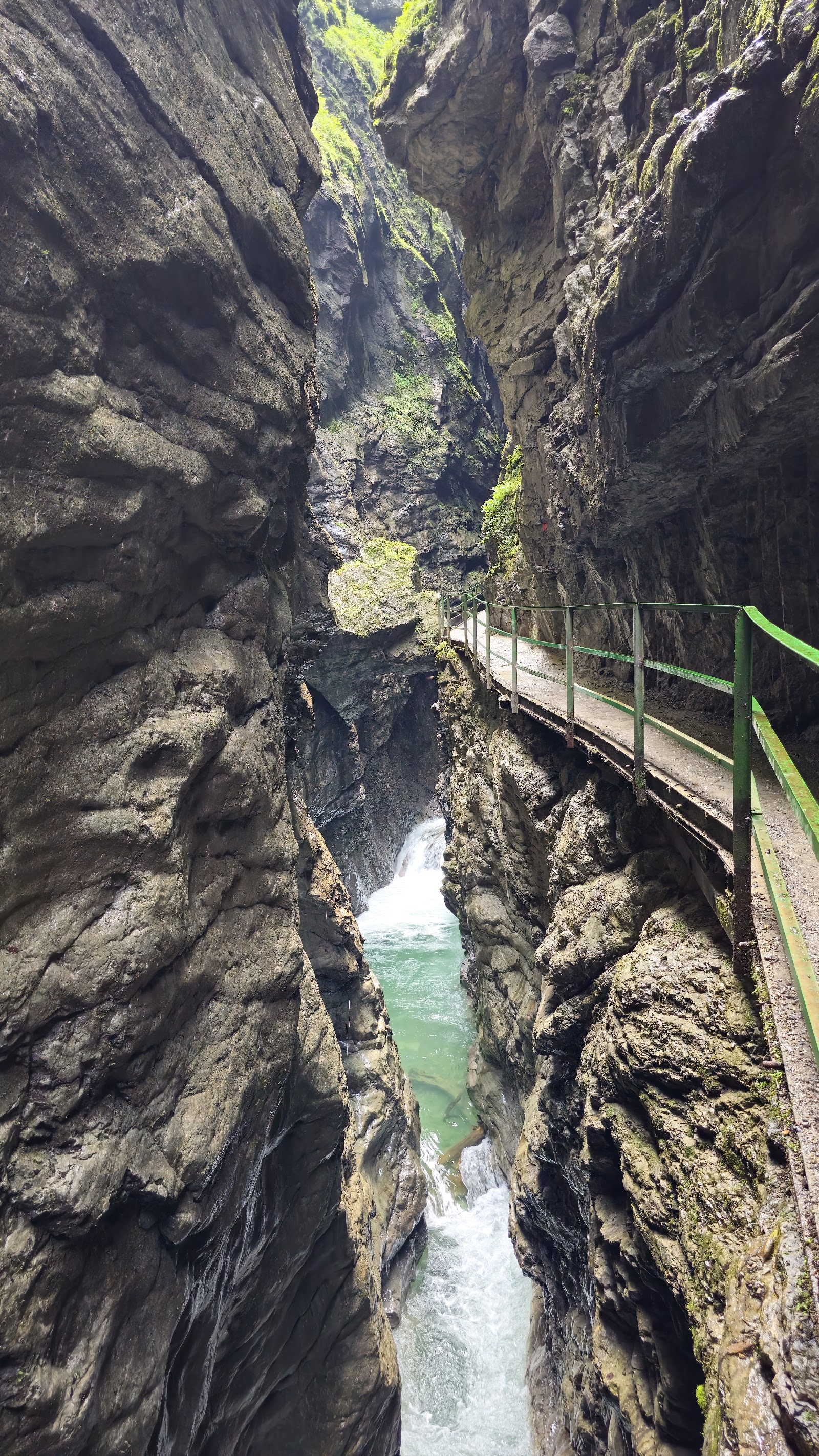
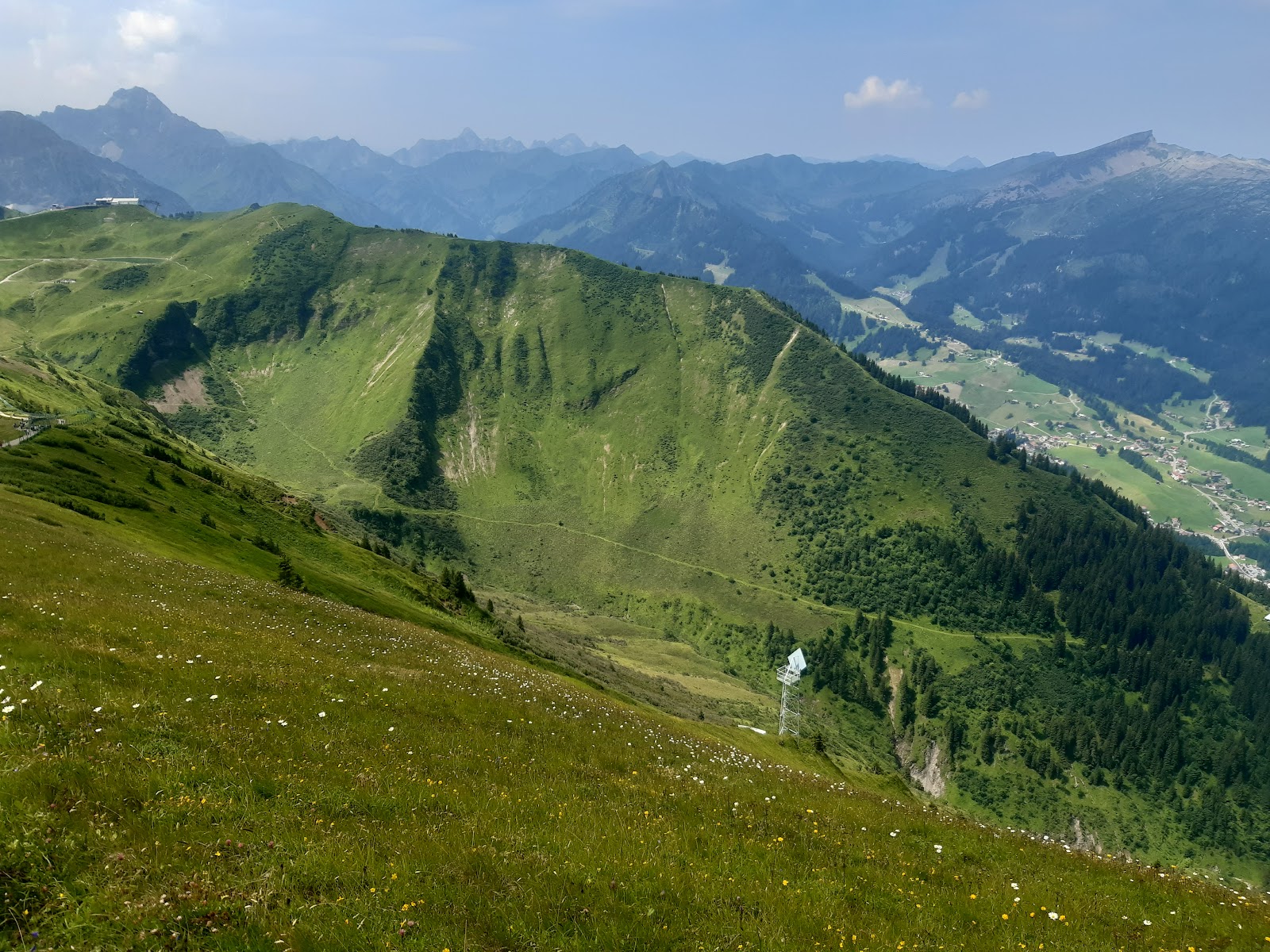
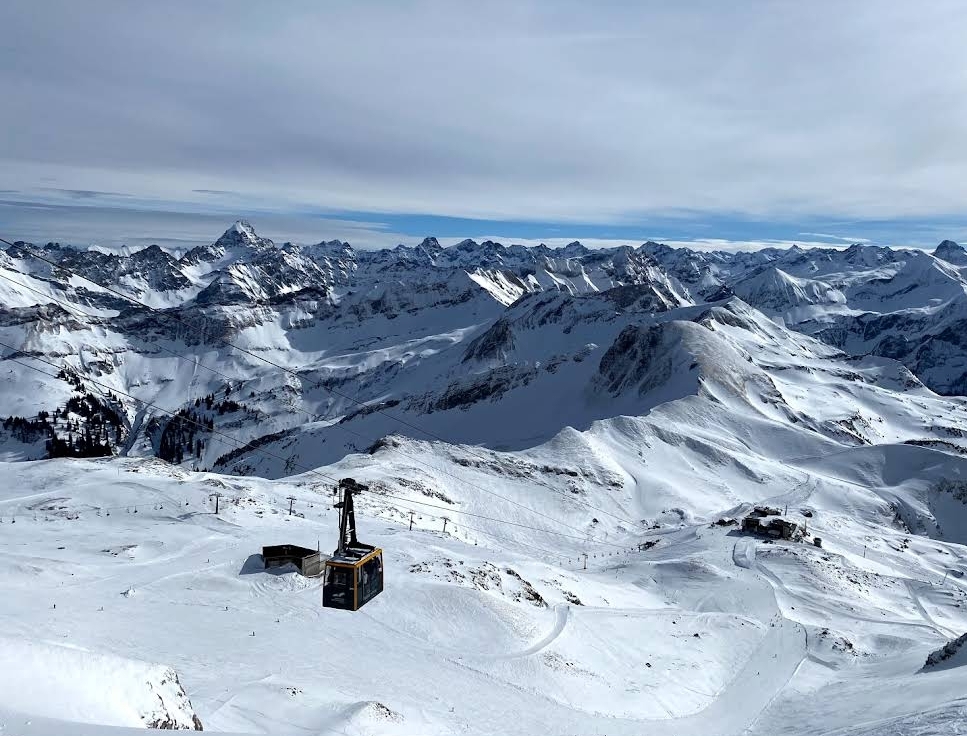
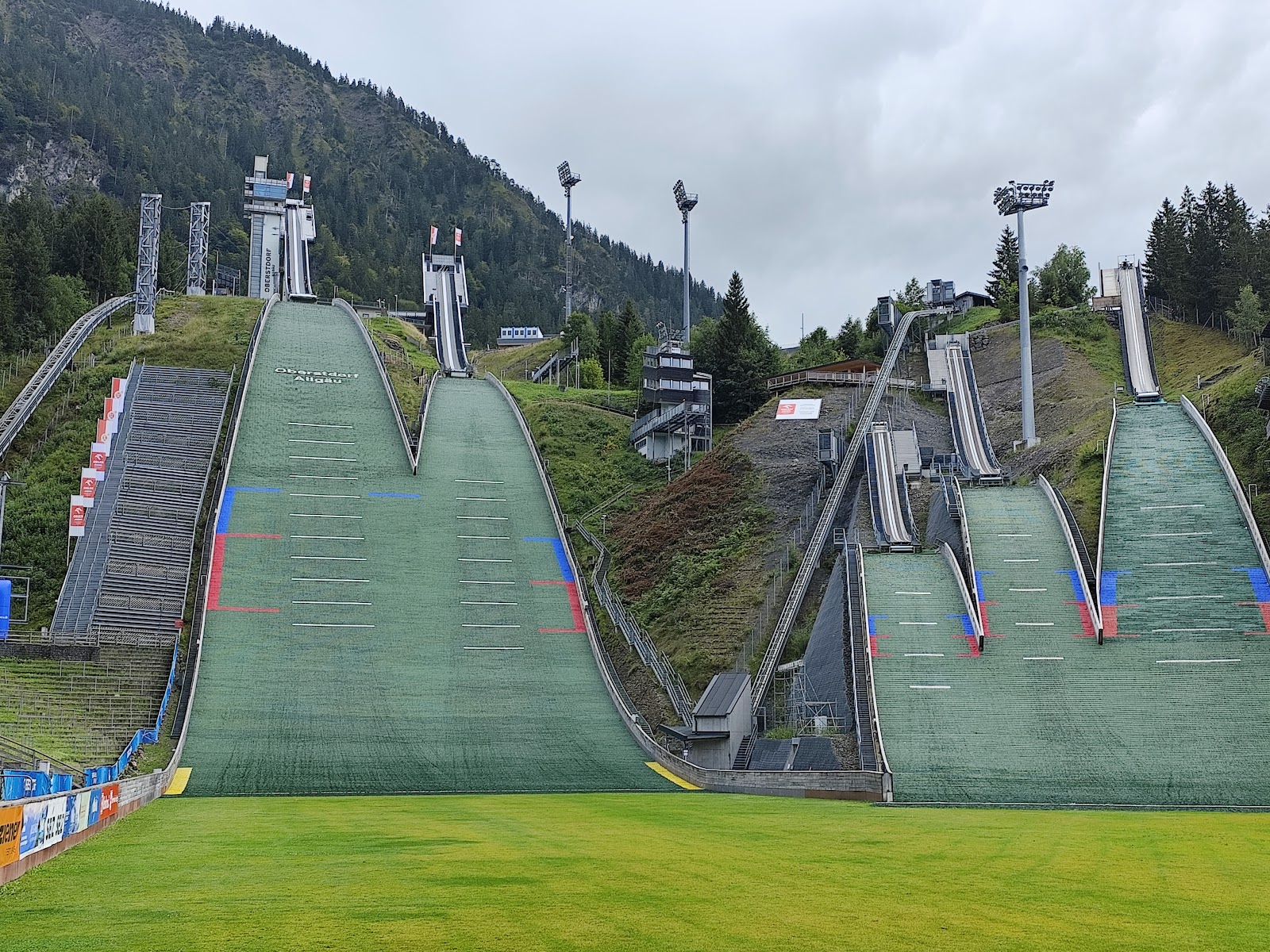
What draws people back is the verticality. Cable cars rise to the Nebelhorn, the Breitachklamm gorge has been open to walkers since 1905, and the Schattenbergschanze ski jump — rebuilt in 1949–50 and reached by a diagonal elevator — gives you a jumper's-eye view of the valley below. Three Nordic World Championships have been held here, in 1987, 2005 and 2021, and the infrastructure for serious winter sport is woven into the town's fabric without overwhelming it.
💛 What travellers fall for
Regulars tend to mention two things: the Allgäu Walser Premium Card, which comes with overnight stays and covers the local bus network — Line 44 out to Breitachklamm and Tiefenbach is genuinely useful — and the diagonal elevator up to the Heini-Klopfer-Skiflugschanze, which most first-timers skip and most second-timers don't.
Deals in Oberstdorf
Book directly at the provider


How Oberstdorf came to be
The village appears in records as early as 1141, and in 1495 King Maximilian granted it market rights and the High Court — a significant elevation in status for a mountain settlement. A spa at the sulphur spring in Tiefenbach followed in 1518, built under Count Hugo of Montfort. Then, on 20 April 1865, fire tore through the centre so completely that it altered the shape of the settlement itself. Most of what you see in the old core dates from the rebuilding that followed.
The railway arrived in 1888, connecting Oberstdorf to Immenstadt and opening the village to outside visitors in a way the spa alone never had. Ski jumping competitions were held on the Schattenbergschanze as early as 1926. In 1999, Oberstdorf joined the Zipfelbund, a tongue-in-cheek alliance with the municipalities at the other three geographic corners of Germany.
Who and what shaped it
People who shaped it
Landmark buildings
See Oberstdorf in motion
Plan your visit
On the map
When to go
Winters are long and genuinely cold, with January averaging around -2°C and snowfall on more than 120 days across the year — conditions that suit the town's winter-sport identity well. Summers are mild rather than warm, with July rarely exceeding 25°C, though June brings heavy rainfall, so if you're planning walks in the gorge or up to the Nebelhorn, late July through September tends to offer the most reliable weather.
Right now
↡ Attractions
Background & history adapted from Wikipedia (CC BY-SA) · specs from Wikidata (CC0) · weather from Open-Meteo · map data © OpenStreetMap contributors · photos from Wikimedia Commons / Unsplash with per-image credit. No third-party reviews or social posts reproduced.